
Why Earning Your Rewards Makes Dopamine Work For You (Not Against You)
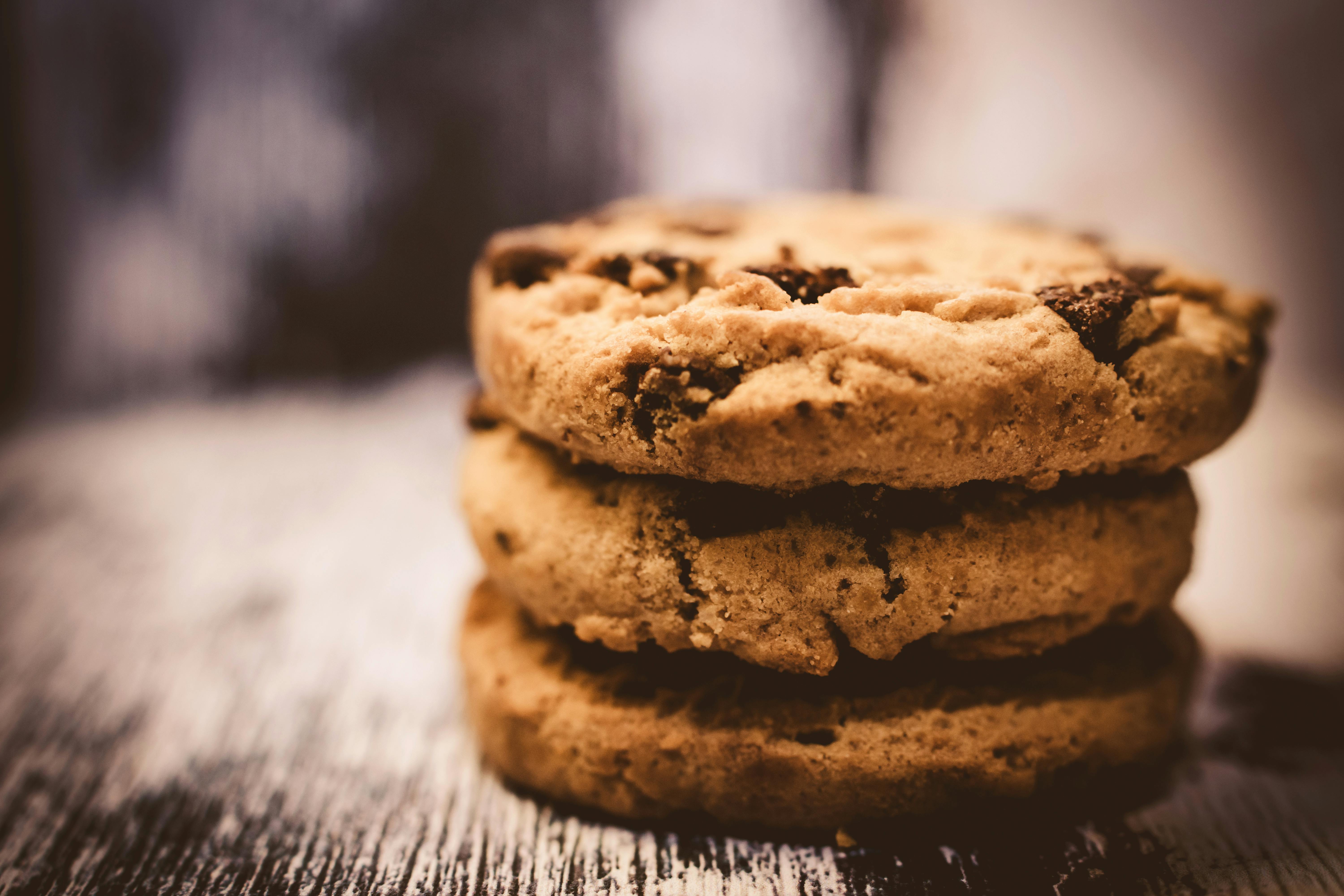
You know that tiny thrill you get when you finally bite into a warm, gooey chocolate chip cookie? Now imagine you baked that cookie yourself after a long day, instead of grabbing it from the store. Same cookie, wildly different feeling. That difference isn’t just in your head—it’s in your dopamine system.
Recent coverage, including an in‑depth CNN piece on effort and dopamine, highlights something neuroscientists have been seeing for years: the harder you work for something (within reason), the more meaningful and satisfying the dopamine response tends to be. This idea helps explain why quick hits of pleasure—from sugar, scrolling, or online shopping—often feel empty, while effortful wins feel deeply rewarding.
In this guide, we’ll unpack what dopamine really is (and isn’t), why “earning” your rewards matters, and how to redesign your habits so your brain’s reward chemistry starts working with you instead of against you.
The Real Problem: We’re Surrounded by Easy Dopamine
We live in an environment where almost everything pleasurable is available in a few taps: food delivery, streaming, social media, impulse shopping. From a dopamine perspective, it’s like being a kid locked in a candy store that never closes.
This doesn’t “break” your brain, but it can gradually skew your reward system toward:
- Preferring immediate, low‑effort pleasure over slower, meaningful goals.
- Feeling flat, restless, or bored when you’re not being stimulated.
- Needing more frequent hits (scrolling, snacks, games) to feel the same level of satisfaction.
The goal isn’t to eliminate pleasure or demonize cookies, shows, or social media. It’s to rebalance: more effort‑based, meaningful rewards, fewer mindless quick hits.

What Dopamine Actually Does (Beyond the Hype)
Dopamine is often called the “pleasure chemical,” but that’s an oversimplification. Modern neuroscience paints a more nuanced picture: dopamine is heavily involved in motivation, learning, and anticipation.
- Motivation: Dopamine helps you decide what’s “worth it.” Higher dopamine activity in certain pathways can make you more willing to work for a reward.
- Prediction: Your brain constantly predicts rewards. When reality is better than expected, dopamine spikes; when it’s worse, dopamine dips.
- Learning: Those spikes and dips teach your brain what to seek out—and what to avoid—next time.
“Dopamine is less about pleasure itself and more about tagging certain actions and cues as ‘worth pursuing.’ It’s your brain’s way of saying, ‘Do that again.’”
— Adapted from contemporary neuroscience research, including work by Schultz, Berridge, and colleagues
Why Working for a Reward Feels Better: The Science of Effort-Based Dopamine
In the CNN piece, experts highlight a key insight: when your brain links effort to reward, the dopamine response can be stronger and more satisfying than when you get the same reward effortlessly.
Research in both animals and humans supports this:
- Effort preferences in animals: In lab studies, rodents will sometimes choose a more effortful route (like pressing a lever many times) to get a better reward, and their dopamine systems reflect this trade‑off.
- Human motivation circuits: Brain imaging shows that when people work toward a chosen goal—like solving a challenging task—dopamine‑rich areas light up more when the reward is finally delivered compared with passive, unearned rewards.
- “Effort paradox” findings: Psychologists describe an “effort paradox,” where we avoid effort in the moment but often value outcomes more when we’ve invested energy, time, or skill.
Put simply: your brain seems wired to find earned pleasure more meaningful than free‑floating pleasure.

The Cookie Example: Same Treat, Different Dopamine Story
Let’s come back to the chocolate chip cookie. Imagine two scenarios:
- Cookie A: You grab a boxed cookie from the cupboard while scrolling your phone. You barely notice the taste.
- Cookie B: You try a new recipe, mix the dough by hand, wait for the oven to preheat, smell the cookies baking, and finally sit down to enjoy one.
Nutritionally, these may be similar. But your brain’s reward circuitry treats them very differently. With Cookie B:
- Your brain anticipates the reward throughout the process (dopamine building in the background).
- The effort you invested (measuring, mixing, waiting) becomes part of the story your brain tells itself.
- The final bite carries a “this was worth it” signal, not just “this is sweet.”
How to Shift from Quick Hits to Earned Rewards (Without Going Extreme)
You don’t need a total life overhaul to work with your dopamine system. Small, consistent tweaks can make a real difference. Here are practical strategies grounded in behavioural science.
1. Pair Pleasure With a Bit of Effort
Instead of cutting out enjoyable things, change how you get them:
- Walk to pick up your coffee instead of getting it delivered.
- Cook one simple meal at home instead of ordering takeout every time.
- Listen to a favorite podcast while tidying your desk or folding laundry.
The goal is to gently link effort with rewards your brain already likes.
2. Turn Passive Consumption into Active Engagement
- Instead of endless scrolling, set a 10‑minute timer and actively comment, share, or learn something specific.
- Watch cooking videos then try one recipe this week.
- Read about a workout technique and test one move safely at home.
Active engagement typically recruits more brain regions and creates stickier dopamine‑linked memories than passive consumption.
3. Use “After-Then” Rules for Quick Dopamine
Quick rewards aren’t off-limits; they’re just better as dessert, not the main course. Try:
- “After I write 5 sentences, then I can check my messages.”
- “After I walk for 10 minutes, then I can watch one episode.”
- “After I prep tomorrow’s lunch, then I’ll have my cookie.”
This simple structure helps your brain associate reward with completion, not avoidance.
4. Shrink the Starting Line
Dopamine supports effort, but starting can feel like the hardest part. Reduce friction:
- Prepare your workout clothes the night before.
- Open the document you need to work on and write just one line.
- Set a 5‑minute timer and promise you can stop when it rings.
Once you’re in motion, your brain begins to anticipate completion, and dopamine can help carry you a bit further.

Common Obstacles (and How to Work Around Them)
“I’m Too Tired to Add More Effort”
If your day is already overloaded, the idea of “working harder for dopamine” can feel overwhelming. Instead:
- Start with effort-neutral swaps (e.g., cooking one-pan meals instead of ordering in three times a week).
- Focus on micro-effort: 2–3 minutes of tidying, stretching, or stepping outside.
- Protect sleep, hydration, and basic nutrition—without these, motivation strategies have a low ceiling.
“I Try, Then Fall Back into Old Habits”
That’s normal. Your brain has years of practice reinforcing the old pathways. To help new patterns stick:
- Change one habit at a time, not five.
- Stack it onto something you already do (e.g., “After brushing my teeth, I stretch for 2 minutes.”).
- Track tiny wins in a notebook or app—this adds a second layer of reward.
“Does This Mean I Should Avoid All Easy Pleasure?”
No. Life needs rest, comfort, and frivolous fun. The aim is not moral purity; it’s balance. If your day is 90% quick, unearned dopamine, try nudging it toward 60–70% earned, 30–40% easy.

Real-Life Examples: Small Shifts, Noticeable Changes
Names and details are adjusted for privacy, but these patterns are common in coaching and clinical settings.
Case Study 1: From Binge-Watching to “Episode Earned”
“Maya,” a graduate student, felt drained and guilty after late‑night streaming binges. Instead of banning shows, she tried:
- Setting a rule: One focused 25‑minute study block = 1 episode.
- Stopping auto‑play and consciously choosing each episode.
- Keeping a simple checklist of completed study blocks.
Within a few weeks, she reported feeling “oddly proud” when pressing play—her brain now linked episodes with effort, not avoidance.
Case Study 2: Making Snacks More Satisfying
“Jordan” reached for sweets whenever work got stressful but often felt unsatisfied. Rather than cutting sweets, he:
- Stopped keeping large bags of candy at his desk.
- Started plating a small dessert in the kitchen and sitting down to eat it without screens.
- Added a quick walk around the block before his afternoon snack.
He noticed that the smaller portion actually felt more rewarding because it was part of a brief ritual, not a mindless grab.
Visual Guide: Quick-Hit Dopamine vs. Earned Dopamine
Here’s a simplified comparison you can keep in mind when choosing how to spend your time:
| Quick-Hit Dopamine | Effort-Based (Earned) Dopamine |
|---|---|
| Instant, low effort (scrolling, snacking, impulse buys) | Takes time/energy (learning, creating, exercising) |
| Often fades quickly, can leave you wanting more | Tends to feel richer and more memorable |
| Can dominate your day if not managed | Builds skills, confidence, and long‑term satisfaction |
| Best in small, intentional doses | Worth making the “default” when possible |

What Experts and Research Say About Dopamine and Effort
The CNN article echoes a broader body of research showing that dopamine connects closely with effort and motivation—not just raw pleasure. Several themes show up across the literature:
- Incentive salience: Work by Kent Berridge and colleagues suggests dopamine helps assign “wanting” to cues and actions, making some goals feel compelling.
- Reward prediction error: Research by Wolfram Schultz and others shows that dopamine spikes when rewards are better than expected, reinforcing the behaviors that led there.
- Effort-based decision making: Studies have found that people with disrupted dopamine signaling may be less willing to work for rewards, highlighting dopamine’s role in weighing cost vs. benefit.
None of this means you can “hack” your way out of complex mental health issues by sheer willpower. But it does suggest that how you seek rewards—quick vs. earned—can gradually shape your motivation landscape.
Bringing It All Together: Make Dopamine Your Ally, Not Your Driver
Dopamine isn’t your enemy, and it’s not a magic key to success. It’s a messenger. It learns from what you do repeatedly and gradually nudges you toward whatever you’ve taught it to value—whether that’s late‑night scrolling or finishing a project you’re proud of.
You don’t have to redesign your entire life to change that message. You can start small:
- Pick one daily pleasure and make it slightly more effortful or intentional.
- Use a simple “after‑then” rule to earn one of your go‑to rewards.
- Notice—not judge—how different kinds of rewards feel over the next week.
Over time, these micro‑shifts can help your brain rediscover the deeper satisfaction that comes from effort, progress, and meaning—not just from the fastest sugar rush or notification.
Your next step:
Choose one activity you already enjoy—cookies, coffee, a show, a game—and turn it into a tiny earned reward today. Put in a bit of work first, savor the result, and simply pay attention to how it feels. That awareness is the start of rewiring.
