
10 Drinks Dietitians Say Are Wrecking Your Health (and What to Sip Instead)
Why What You Drink Matters More Than You Think
You can eat a balanced diet, hit your steps, and still feel stuck with your health goals if your drinks are quietly working against you. Many of the beverages we grab on autopilot—at the coffee shop, gas station, or happy hour—are loaded with sugar, empty calories, or stimulants that don’t show up on a typical food log.
Dietitians increasingly warn that what’s in your cup can affect blood sugar, heart health, sleep, and even your appetite throughout the day. The good news: you don’t have to give up flavor or enjoyment to protect your health; you just need to know which drinks to limit and simple swaps that fit real life.

Below, based on insights similar to those shared by dietitians in recent AOL and Prevention coverage, we’ll walk through 10 drinks nutrition experts say to skip (or seriously limit) and the better-for-you alternatives that keep you hydrated, satisfied, and energized—without the health baggage.
The Hidden Problem: Liquid Calories and Blood Sugar Spikes
Drinks don’t fill you up the way solid food does, but they can deliver a surprising amount of sugar and calories—often more than an entire meal. Because you don’t chew beverages, your brain and stomach get fewer satiety signals, and it’s easy to over-consume without realizing it.
Research has consistently linked high intake of sugar-sweetened beverages with increased risk of:
- Weight gain and obesity
- Type 2 diabetes and insulin resistance
- Non-alcoholic fatty liver disease
- Heart disease and high triglycerides
- Dentist-loving problems like cavities and enamel erosion
On top of that, caffeine- and alcohol-heavy drinks can disrupt sleep, increase anxiety in some people, and make it harder to tune into natural hunger and fullness cues.
“Sugar-sweetened beverages are the leading source of added sugars in the American diet.”
— Centers for Disease Control and Prevention (CDC)
That doesn’t mean you can never enjoy a soda or a cocktail again. It means being intentional about what goes into your glass most of the time, so occasional treats really feel like treats—not everyday habits.
Dietitians’ Top 10 Drinks to Avoid (and Exactly What to Drink Instead)
The following list pulls together what many registered dietitians emphasize in interviews and practice. You’ll see a theme: it’s not about perfection, but about choosing drinks that work with your body, not against it.
For each “drink to rethink,” you’ll find:
- Why dietitians are cautious about it
- What the science suggests
- Realistic, better-for-you alternatives
1. Regular Soda and Sugary Soft Drinks
Classic sodas, sweet teas, and energy drinks sweetened with sugar or high-fructose corn syrup are at the top of nearly every dietitian’s “drink to limit” list.
Why dietitians are wary
- One 20-ounce bottle can contain more than 60 grams of sugar—over the recommended daily limit.
- They cause rapid blood sugar spikes and crashes, which can drive hunger and cravings.
- No meaningful nutrients to balance the high calorie load.
What the research says
Large cohort studies have linked frequent intake of sugar-sweetened beverages with a higher risk of type 2 diabetes and heart disease, even after adjusting for weight. The World Health Organization and American Heart Association both recommend limiting added sugars, especially from beverages.
Smarter swaps
- Plain or sparkling water with lemon, lime, or berries
- Unsweetened iced tea with a splash of 100% juice
- Homemade “soda”: ¾ carbonated water + ¼ citrus or pomegranate juice
2. High-Caffeine, High-Sugar Energy Drinks
Energy drinks often combine large amounts of caffeine, sugar, and other stimulants. Dietitians are especially concerned about their effects on teens, young adults, and people with heart or anxiety conditions.
Key concerns
- Some cans contain the caffeine of 2–3 cups of coffee plus sugar.
- Can raise heart rate and blood pressure and may worsen anxiety.
- Often used to compensate for chronic sleep deprivation—without solving it.
Better options
- Coffee or tea with minimal added sugar, ideally earlier in the day
- Matcha or green tea for gentler, more sustained energy
- Water + balanced snacks (protein + fiber) to fight afternoon slumps
“No beverage can replace consistent sleep, regular meals, and movement when it comes to steady energy.”
— Registered Dietitian in private practice
3. Oversized Sugary Coffee Drinks
Coffee itself is not the problem—many studies link moderate coffee intake with potential health benefits. The issue is the dessert-like coffee drinks that pack in syrups, whipped cream, and flavored sauces.
Why to watch out
- A large flavored latte or frappé can deliver 300–600 calories.
- High sugar plus caffeine can stress blood sugar and sleep.
- Easy to justify as a “coffee” rather than a dessert.
Dietitian-approved tweaks
- Order a smaller size with one syrup pump instead of three or four.
- Choose milk-based drinks without whipped cream.
- Try an unsweetened latte or cold brew with a dash of cinnamon.
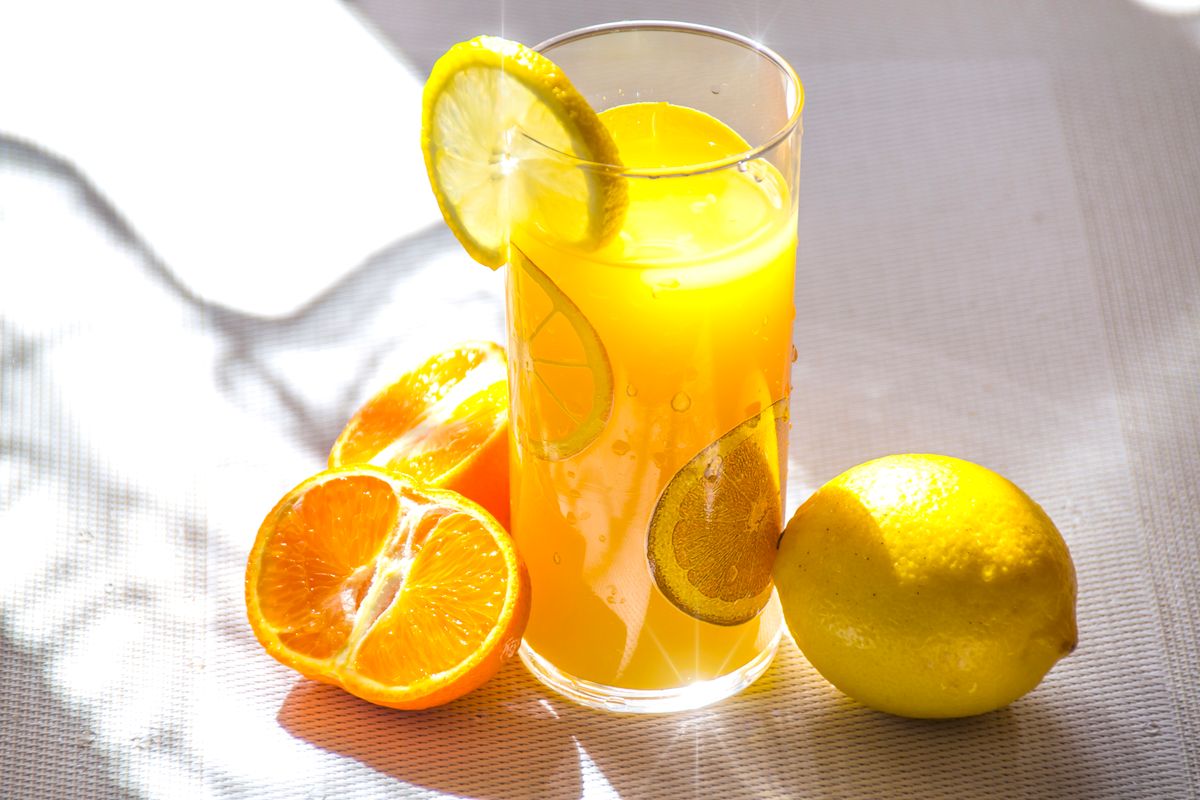
4. Fruit Juices and “Fruit Drinks” with Added Sugar
Even 100% fruit juice is a concentrated source of natural sugar, and many boxed juices or punch-style drinks contain added sugars on top of that.
The issue with drinking your fruit
- Juicing removes most of the fiber that helps slow sugar absorption.
- It’s easy to drink the sugar equivalent of several pieces of fruit in minutes.
- “Fruit drinks” or cocktails can contain little real fruit at all.
Smarter ways to enjoy fruit flavor
- Choose whole fruit most of the time for fiber and satiety.
- If you drink juice, stick to 4 ounces and dilute with water or seltzer.
- Look for labels that say “100% juice, no sugar added.”
5. Sports Drinks (for Most Everyday Activities)
Sports drinks were designed for endurance athletes sweating heavily for long periods. For most desk jobs, walks, and standard gym sessions, they add unnecessary sugar and sodium.
When they’re usually not needed
- Workouts under 60 minutes at moderate intensity
- Everyday hydration when you’re mostly indoors
- Children playing casual sports for short durations
Healthier hydration choices
- Water is usually enough for most people, most days.
- For long, sweaty sessions, consider lower-sugar electrolyte drinks.
- Use electrolyte tablets or powders you can dose lightly in your water.
6. Sweetened Iced Tea and Bottled Tea Drinks
Tea itself can be a wonderful, antioxidant-rich beverage. The problem is the bottled or fast-food versions loaded with sugar or artificial flavors.
Why many bottled teas disappoint
- Some contain nearly as much sugar as soda.
- Added flavors can mask bitterness, encouraging larger servings.
- People often assume tea is “healthier” and don’t read labels.
Better tea habits
- Brew your own unsweetened iced tea and sweeten lightly if needed.
- Look for bottled teas labeled “unsweetened” or “no sugar added.”
- Add fresh lemon or herbs like mint for flavor without sugar.
7. Sugary Cocktails and Frozen Alcoholic Drinks
Alcohol already carries health considerations; add sugary mixers and you quickly multiply the impact on blood sugar, sleep, and overall calorie intake.
Common culprits
- Frozen margaritas and daiquiris
- Sugary piña coladas
- Pre-mixed cocktail pouches or large-format restaurant drinks
If you choose to drink
- Opt for simple mixes: spirit + club soda + citrus.
- Alternate each alcoholic drink with a full glass of water.
- Set a personal limit ahead of time and plan a ride home.
8. Milkshakes and Dessert Smoothies
Thick shakes and some chain “smoothies” can deliver the sugar, fat, and calories of a large dessert in a format that’s very easy to over-consume.
Why they’re easy to underestimate
- Large portions served in big cups or to-go containers
- Ingredients like ice cream, syrups, chocolate, or sweetened yogurt
- Marketed as “snacks” or “smoothies” rather than sweets
Nourishing smoothie ideas
- Base of unsweetened milk or yogurt (dairy or plant-based)
- One serving of fruit plus greens like spinach
- Include protein and healthy fats (nut butter, seeds, protein powder)

9. Constant Diet Soda and “Zero-Calorie” Sweetened Drinks
Diet sodas and zero-calorie drinks avoid added sugar but still keep your palate accustomed to intense sweetness, and research on their long-term effects is mixed.
Why many dietitians suggest cutting back
- May reinforce cravings for very sweet foods and drinks.
- Some studies show associations with weight gain or metabolic issues, though causation isn’t clear.
- Can crowd out simple, hydrating options like water or herbal tea.
A balanced approach
- If you drink them, aim for occasional use, not all day long.
- Pair with plenty of plain water to support hydration.
- Experiment with infused water, herbal tea, or lightly flavored seltzer to reduce dependence on sweetness.
10. Constantly Sipping Flavored Milks and Creamy Drinks
Chocolate milk, flavored lattes, and ready-to-drink creamy beverages can be a source of protein and calcium—but when they’re loaded with added sugar and sipped frequently, the downsides can outweigh the benefits.
What to monitor
- Added sugars listed on the Nutrition Facts panel
- Portion sizes—small cartons vs. large bottles
- Frequency; “once in a while” vs. multiple times per day
Healthier creamy drink choices
- Plain or lightly sweetened milk as part of a meal
- Homemade cocoa with unsweetened milk and a small amount of sugar or honey
- Plant milks labeled “unsweetened” and fortified with calcium and vitamin D
Common Obstacles (and How to Actually Make These Changes Stick)
Changing long-standing drink habits can feel surprisingly emotional. Morning coffee routines, a favorite soda at lunch, or a glass of wine after work are often tied to comfort and identity—not just thirst.
1. “Water is boring.”
- Try infusing water with citrus slices, berries, cucumber, or herbs.
- Use a fun reusable bottle and keep it visible on your desk.
- Alternate: one flavorful drink, then one glass of water.
2. “I need the caffeine.”
- Gradually reduce caffeine rather than stopping suddenly.
- Shift some of your intake to earlier in the day to protect sleep.
- Support energy with regular meals, movement, and sleep hygiene.
3. “It’s part of my social life.”
- Order mocktails or sparkling water with citrus at social events.
- Set a personal boundary (e.g., no sugary drinks Monday–Thursday).
- Invite friends to join a hydration challenge for accountability.

A 5-Step Plan to Upgrade Your Drinks This Week
To make these changes feel doable, keep it simple and specific. Here’s a realistic, one-week experiment you can adapt:
- Track without judging (Day 1).
Write down everything you drink for one day—what, how much, and when. - Pick one category to change (Day 2).
Maybe it’s soda, sugary coffee, or evening drinks. Start with the one that feels most manageable. - Choose a swap you actually like (Day 3–4).
Test two or three alternatives until you find one that feels satisfying. - Set a small rule for yourself (Day 5–7).
For example: “Only one sugary drink a day,” or “No energy drinks after noon.” - Reflect and adjust.
Notice any changes in energy, sleep, or cravings, and decide what to keep or tweak next week.
“Lasting change rarely comes from all-or-nothing rules. It comes from small, repeatable choices that you can live with on your busiest days.”
Bringing It All Together: Drink for the Health You Want
You don’t need a perfect beverage lineup to support better health. You just need your usual drinks to nudge you in the right direction more often than not. For most people, that means:
- Making water your default drink.
- Saving sugary, creamy, or alcoholic drinks for occasional enjoyment.
- Being label-aware with teas, juices, sports drinks, and flavored beverages.
Try choosing just one category from the dietitian “drinks to skip” list and upgrading it this week. Notice how you feel—physically and mentally—when your daily drinks better match the way you want to feel in your body.
If you live with conditions like diabetes, heart disease, or kidney issues, consider asking a registered dietitian to review your usual drinks with you. A few personalized tweaks may make a meaningful difference in your blood sugar, energy, and long-term health.
Your next step: open your fridge or pantry, pick one drink to rethink, and decide what you’ll replace it with tomorrow. Small sips, repeated often, can change your health story.
