
Savoring Longevity: Mediterranean & Blue‑Zone Style Eating That Feels Anything But Like a Diet
Mediterranean‑Inspired Longevity Eating & Blue‑Zone‑Style Cooking
Mediterranean‑inspired longevity diets and Blue‑Zone‑style eating have become the quiet, steady trend in a world tired of quick‑fix fads. Instead of counting every calorie or cutting entire food groups, more people are asking a beautiful, simple question: What do people who live vibrantly into their 90s and 100s actually eat every day?
Across coastal Italian villages, sunny Greek islands, bean‑loving communities in Costa Rica, and traditional Japanese towns, you’ll find colorful plates built around vegetables, legumes, whole grains, and olive oil—foods that feel generous and deeply satisfying. This page will walk you through the key principles of Mediterranean and Blue‑Zone‑style eating, and then bring them to life with a warm, comforting recipe: a One‑Pot Mediterranean Chickpea & Greens Stew that’s perfect for busy weeknights and long, slow Sundays alike.
What Are Mediterranean & Blue‑Zone‑Style Longevity Diets?
Longevity diets draw inspiration from places where people routinely live longer, healthier lives—often into their 90s and beyond—with low rates of heart disease, diabetes, and cognitive decline. These regions, known as Blue Zones, include parts of Italy, Greece, Japan, Costa Rica, and even a community in California.
While each region has its own language, culture, and beloved recipes, their everyday eating patterns share comforting themes:
- Plant‑forward plates: beans, lentils, chickpeas, whole grains, seasonal vegetables, and fruits make up most of the meal.
- Healthy fats in moderation: especially extra‑virgin olive oil, nuts, and seeds.
- Minimal ultra‑processed foods: very little soda, packaged sweets, or highly processed snacks.
- Modest portions of animal products: often fish, small amounts of meat, and cultured or fermented dairy.
- Flavor from herbs, spices, and time: slow simmering, grilling, and generous use of garlic, onion, and herbs.
The Mediterranean diet, in particular, has been studied for decades and is linked to lower risk of cardiovascular disease, type 2 diabetes, and overall mortality. Unlike passing trends, this way of eating is less about restriction and more about abundance: filling your plate with colors, textures, and flavors that just happen to be good for you.
Think of longevity eating as a lifestyle, not a temporary “diet”: real food, shared meals, movement, and joy on the plate.
Why Mediterranean & Blue‑Zone Eating Are Trending in 2026
As of 2026, analytics tools show steady growth in searches for “Mediterranean diet recipes,” “Blue‑Zone cookbooks,” and “longevity nutrition.” Social platforms—TikTok, YouTube, Instagram—are overflowing with:
- “What I eat in a day” videos built around olive oil, beans, whole grains, and veggies.
- Simple dishes like chickpea stews, lentil salads, grilled fish with vegetables, and olive‑oil‑dressed grain bowls.
- “Longevity bowls” and weekly meal plans focused on beans, greens, and whole grains.
At the same time, there’s growing fatigue with restrictive diets. Many people are searching for:
- “non‑restrictive healthy eating”
- “anti‑diet Mediterranean style”
- “long‑term sustainable diet”
Mediterranean‑inspired eating fits perfectly: it’s flexible, deeply flavorful, and focuses on what to add (colorful vegetables, beans, olive oil, herbs) rather than what to cut. Food brands are catching on too, launching more olive‑oil‑based products, bean‑forward ready meals, and whole‑grain options labeled “Mediterranean‑inspired” or “Blue‑Zone style.”
Beyond the Plate: Lifestyle Habits in Longevity Regions
Podcasts and long‑form videos have helped popularize a crucial insight: longevity isn’t just about what you eat, but also how you live. In Blue‑Zone regions, traditional eating patterns are woven into daily life:
- Natural movement: walking hills, gardening, cooking from scratch.
- Social connection: shared meals, community gatherings, multi‑generational households.
- Rest and rhythm: regular sleep, rituals around meals, and breaks during the day.
- Mindful enjoyment: savoring food slowly, often at the table with others.
Some cultures include moderate wine intake with meals; current conversations are more nuanced about alcohol’s risks and benefits. Many health experts now emphasize that if you don’t drink, there’s no need to start for longevity—and that you can capture the heart‑healthy benefits of these traditional diets without alcohol at all.
Recipe: One‑Pot Mediterranean Chickpea & Greens Longevity Stew
This cozy, plant‑based, Mediterranean‑inspired stew is exactly the kind of meal you might find in a modern Blue‑Zone‑style kitchen: chickpeas for plant protein and fiber, leafy greens, aromatics, extra‑virgin olive oil, and whole‑grain bread or barley on the side. It’s budget‑friendly, naturally vegetarian (and easily vegan and gluten‑free), and tastes even better the next day.
Quick Recipe Overview
- Prep time: 15 minutes
- Cook time: 30–35 minutes
- Total time: 45–50 minutes
- Servings: 4 generous bowls
- Difficulty: Easy, weeknight‑friendly
- Dietary: Vegetarian, easily vegan & gluten‑free
Ingredients for Mediterranean Chickpea & Greens Stew
Chickpea Stew Base
- 3 tbsp extra‑virgin olive oil
- 1 large yellow onion, finely chopped
- 3–4 cloves garlic, minced
- 1 medium carrot, diced
- 1 celery stalk, diced
- 1 tsp smoked paprika (or sweet paprika)
- 1 tsp ground cumin
- 1/2 tsp dried oregano or thyme
- 1/4 tsp chili flakes (optional, to taste)
- 2 cans (about 15 oz / 400 g each) chickpeas, drained and rinsed
- 1 can (14–15 oz / 400 g) crushed or diced tomatoes
- 3–4 cups (720–960 ml) low‑sodium vegetable broth or water, more as needed
- 1 bay leaf (optional but lovely)
- Salt and freshly ground black pepper, to taste
Greens & Finishing Touches
- 4–5 cups loosely packed leafy greens (spinach, Swiss chard, kale, or a mix), roughly chopped
- 1 small lemon, zest and juice
- 2–3 tbsp chopped fresh parsley or cilantro
- 2 tbsp extra‑virgin olive oil, for finishing
- Optional: 1/4 cup crumbled feta cheese or plant‑based feta, for serving
Equipment & Tools You’ll Need
- Large, heavy‑bottomed soup pot or Dutch oven
- Cutting board and sharp chef’s knife
- Wooden spoon or heat‑safe spatula for stirring
- Measuring spoons and a liquid measuring cup
- Ladle for serving
Step‑by‑Step: How to Make Mediterranean Chickpea & Greens Stew
Warm the olive oil & aromatics.
Set your pot over medium heat. Add 3 tbsp olive oil. Once it shimmers, add the chopped onion, carrot, and celery with a pinch of salt. Cook, stirring occasionally, for 6–8 minutes until the vegetables soften and the onions turn translucent and lightly golden.Bloom the garlic & spices.
Add the minced garlic, smoked paprika, cumin, oregano, and chili flakes (if using). Stir constantly for 30–60 seconds, just until fragrant. This step wakes up the spices and gives that deeply savory, Mediterranean aroma.Add chickpeas, tomatoes, and broth.
Stir in the drained chickpeas, canned tomatoes, bay leaf, and 3 cups of vegetable broth. Scrape up any browned bits from the bottom of the pot—they’re pure flavor.Simmer gently.
Bring the stew to a gentle boil, then reduce the heat to low‑medium and simmer uncovered for 20–25 minutes. Stir occasionally. If it becomes too thick, add more broth or water, 1/4 cup at a time. You’re aiming for a thick, stew‑like consistency, not a thin soup.Add the greens.
Stir in the chopped greens. Spinach will wilt in 2–3 minutes; kale or chard may take 5–7 minutes to become tender. Taste and season with salt and pepper as needed.Brighten with lemon & herbs.
Turn off the heat. Add the lemon zest, half the lemon juice, and chopped parsley. Drizzle in the remaining 2 tbsp olive oil and stir. Taste again and add more lemon juice, salt, or pepper to balance the flavors.Serve & savor.
Ladle the stew into warm bowls. If you like, top with a spoonful of feta, extra herbs, and another tiny drizzle of olive oil.
How to Serve This Longevity‑Inspired Stew
One of the joys of Mediterranean‑style cooking is how easily one pot can turn into a complete meal. Here are some Blue‑Zone‑friendly serving ideas:
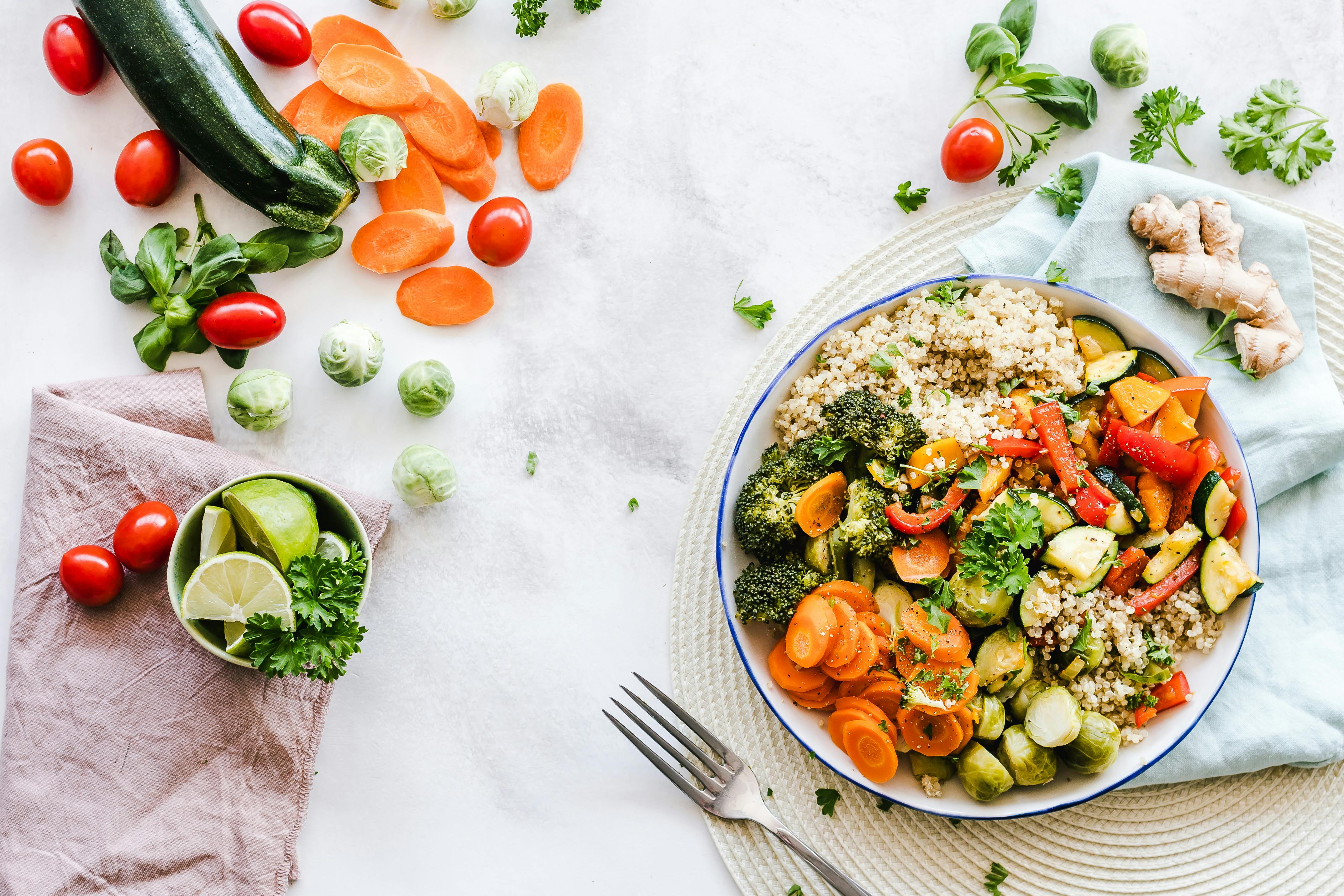
- With whole grains: Spoon the stew over warm barley, farro, or quinoa.
- With crusty bread: Serve alongside whole‑grain sourdough or seeded bread to soak up the broth.
- With a simple salad: Pair with a lemony cucumber‑tomato salad or bitter greens with olive oil and vinegar.
- Make it a mezze night: Add hummus, olives, and roasted vegetables for a colorful, sharable spread.
Storage, Reheating & Make‑Ahead Tips
This stew is a meal‑prep dream: the flavors deepen over time, and it reheats beautifully.
- Fridge: Store in an airtight container for up to 4 days.
- Freezer: Cool completely, then freeze in portions for up to 2–3 months.
- Reheating on the stove: Warm over low‑medium heat with a splash of water or broth, stirring occasionally.
- Reheating in the microwave: Heat in short bursts, stirring in between, until hot.
- Freshen it up: When reheating, finish with a squeeze of lemon and a sprinkle of fresh herbs to brighten the flavors.
Adapting Mediterranean & Blue‑Zone Principles to Your Culture & Diet
One powerful aspect of longevity research is that it doesn’t demand everyone eat the same foods. Instead, it highlights patterns you can adapt to your own traditions, tastes, and dietary needs:
- Vegetarian or vegan: Double down on beans, lentils, tofu, tempeh, and whole grains. Use nuts and seeds for healthy fats and texture.
- Different cuisines: Apply the same ideas to your own heritage cooking—more vegetables and legumes, less highly processed food, generous use of herbs and spices.
- Budget‑friendly: Rely on dried or canned beans, seasonal vegetables, and bulk grains to keep costs low while still eating nutrient‑dense meals.
The goal isn’t perfection. It’s about building a pattern—meal by meal, week by week—that leaves you feeling nourished, energized, and satisfied.
If your plate is mostly plants, cooked with care and shared with people you love, you’re already living the spirit of a Mediterranean, Blue‑Zone‑style longevity diet.
Recipe Metadata (For Search & Accessibility Tools)
The following structured data helps search engines understand this Mediterranean chickpea stew recipe and makes it easier for home cooks to discover healthy, Blue‑Zone‑style meals.
