
Build Your Probiotic Pantry: Fermented Foods & Gut-Healthy Cooking at Home
Gut health is having a delicious moment. From fizzy kombucha and tangy kimchi to creamy yogurt bowls piled with berries, fermented and fiber‑rich foods have slipped out of the “health nut” corner and into everyday kitchens. Behind the trend is a simple, joyful idea: by feeding your microbiome well, you can support digestion, immunity, energy, and even mood—one satisfying bite at a time.
Across Google, TikTok, YouTube, and podcasts, you’ll see phrases like “probiotic pantry” and “gut‑healthy fridge”. At its heart, this isn’t about expensive powders or complicated protocols. It’s about keeping a few humble staples—like sauerkraut, miso, canned beans, and oats—close at hand so you can turn ordinary meals into microbiome‑friendly feasts.
In this guide, we’ll explore what makes fermented and high‑fiber foods so powerful, the nuance experts add to the conversation, and then roll up our sleeves for a step‑by‑step, gut‑friendly recipe: a vibrant Kimchi & Brown Rice Probiotic Bowl with Miso Dressing. It’s cozy, tangy, deeply savory, and endlessly riffable for your own “probiotic pantry.”
Why Gut Health & Fermented Foods Are Everywhere
The surge of interest in gut health isn’t a passing fad; it’s been steadily growing as research links the microbiome to digestion, immunity, weight regulation, mental health, and even skin. Social media is full of people sharing their journeys with bloating, IBS‑like symptoms, or low energy—and the sense of relief when gentle dietary shifts begin to help.
Fermented foods are natural stars here. During fermentation, friendly bacteria and yeasts transform simple ingredients—cabbage, soybeans, dairy, grains—into tangy, complex, and often more digestible foods. Many traditional cultures have their own versions:
- Korea: kimchi, a spicy, garlicky fermented cabbage or radish.
- Central & Eastern Europe: sauerkraut and fermented pickles.
- Japan: miso, natto, and soy sauce.
- Indonesia: tempeh, a hearty, fermented soybean cake.
- Global: yogurt, kefir, kombucha, and sourdough breads.
The beauty of fermented foods is that they’re not new “super‑foods”—they’re ancient preservation techniques we’re finally appreciating again for their flavor and microbiome benefits.
Three Gut‑Loving Food Groups to Know
When people talk about a gut‑healthy diet, you’ll often hear three terms: probiotics, prebiotics, and polyphenols. Together, they help your inner ecosystem thrive.
1. Probiotic‑Rich Fermented Foods
These foods contain live, beneficial microbes (when unpasteurized and properly stored). They can help support a diverse gut community:
- Yogurt and kefir (ideally unsweetened, with live cultures listed)
- Kimchi and sauerkraut (raw, refrigerated varieties)
- Miso, tempeh, natto
- Kombucha and traditionally fermented pickles
2. Prebiotic Fibers
Think of prebiotics as microbe food. They’re fibers and compounds that our bodies can’t digest but our gut bacteria love:
- Onions, garlic, leeks, and asparagus
- Bananas (especially slightly green), oats, barley
- Beans, lentils, and chickpeas
- Chicory root and inulin‑rich foods
If you’re not used to high‑fiber foods, increase them slowly and drink plenty of water to reduce discomfort and gas.
3. Polyphenol‑Rich Plants
Polyphenols are colorful plant compounds that may help feed beneficial microbes and support overall health:
- Berries, colorful vegetables, and leafy greens
- Cocoa, dark chocolate, and green tea
- Coffee (in moderation, as tolerated)
- Extra‑virgin olive oil and herbs
How to Build Your Own “Probiotic Pantry”
You don’t need a walk‑in fridge or a specialty store to support your gut. A simple, realistic probiotic pantry focuses on a few versatile staples that slip easily into your day.

Fridge Staples
- Plain yogurt or kefir: Breakfasts, smoothies, or a tangy base for dips.
- Kimchi or sauerkraut: Add to grain bowls, eggs, sandwiches, or salads.
- Miso paste: For 5‑minute soups, dressings, and marinades.
- Kombucha (optional): A fizzy alternative to soda.
Pantry Staples
- Canned beans and lentils: Quick fiber and prebiotic boost for any meal.
- Rolled oats and barley: Comforting, gut‑friendly breakfasts.
- Brown rice or quinoa: A hearty base for probiotic bowls.
- Seeds & nuts: Flax, chia, walnuts, almonds for fiber and crunch.
Recipe: Kimchi & Brown Rice Probiotic Bowl with Miso Dressing
This recipe is my love letter to the modern “probiotic pantry”: warm brown rice, crispy tofu, crunchy veggies, and a bright pile of kimchi, all tied together with a silky miso‑sesame dressing. Every bite is a mix of textures—tender grains, juicy vegetables, creamy dressing—and a dance of flavors: tangy, toasty, garlicky, and just a little spicy.
It’s perfect for a gut‑healthy lunch or weeknight dinner and naturally vegetarian with easy vegan and gluten‑free adaptations.

Quick Recipe Snapshot
- Prep time:
- Cook time:
- Total time:
- Servings: 2 generous bowls
- Difficulty: Easy
- Diet: Vegetarian, easily vegan & gluten‑free

Ingredients & Equipment
These ingredients are chosen to weave together probiotics (kimchi, miso) with prebiotic and fiber‑rich staples (brown rice, veggies, tofu).
For the Bowls
- 1 cup (200 g) uncooked brown rice, rinsed
- 1 ¾ cups (420 ml) water or low‑sodium vegetable broth
- 7 oz (200 g) firm tofu, pressed and cubed
- 1 tbsp olive oil or avocado oil
- 1 cup (about 120 g) kimchi, roughly chopped if in large pieces
- 1 small carrot, cut into matchsticks or grated
- ½ small cucumber, thinly sliced
- 2 tbsp sliced green onions (scallions)
- 2 tbsp toasted sesame seeds
- Optional: a handful of baby spinach or mixed greens
For the Miso‑Sesame Dressing
- 1 ½ tbsp white or yellow miso paste
- 1 tbsp tahini or smooth peanut butter
- 1 tbsp rice vinegar or apple cider vinegar
- 1 tsp soy sauce or tamari (use tamari for gluten‑free)
- 1 tsp maple syrup or honey
- 1–2 tbsp warm water, to loosen
- Optional: ½ tsp grated garlic or ginger, to taste
Equipment
- Medium saucepan with lid (for rice)
- Non‑stick or cast‑iron skillet
- Cutting board and sharp knife
- Small bowl or jar for dressing
- 2 serving bowls
Step‑by‑Step Instructions
- Cook the brown rice.
Rinse the rice under cold water until the water runs mostly clear. Combine rice and water (or broth) in a medium saucepan. Bring to a gentle boil, then reduce to low, cover, and simmer for 25–30 minutes, or until tender and the liquid is absorbed. Remove from heat and let it sit, covered, for 5–10 minutes, then fluff with a fork. - Press and cube the tofu.
While the rice cooks, wrap the tofu block in a clean kitchen towel or paper towels and place a light weight (like a small pan) on top for 10–15 minutes to press out excess moisture. Then cut into bite‑sized cubes. - Crisp the tofu.
Heat the oil in a non‑stick or cast‑iron skillet over medium‑high heat. Add the tofu cubes in a single layer and cook for 3–4 minutes per side, turning occasionally, until golden and crisp on at least two sides. Season lightly with a pinch of salt or a splash of soy sauce if you like. - Prep the vegetables and kimchi.
Slice the cucumber, cut the carrot into matchsticks or grate it, and roughly chop the kimchi if the pieces are large. Slice the green onions. If using spinach or greens, rinse and pat dry. - Whisk the miso‑sesame dressing.
In a small bowl or jar, combine miso paste, tahini, rice vinegar, soy sauce or tamari, and maple syrup or honey. Stir until smooth, then add 1–2 tablespoons warm water, a little at a time, until the dressing is pourable and creamy. Taste and adjust: add more vinegar for brightness, more sweetener for balance, or a little grated garlic or ginger for kick. - Assemble the probiotic bowls.
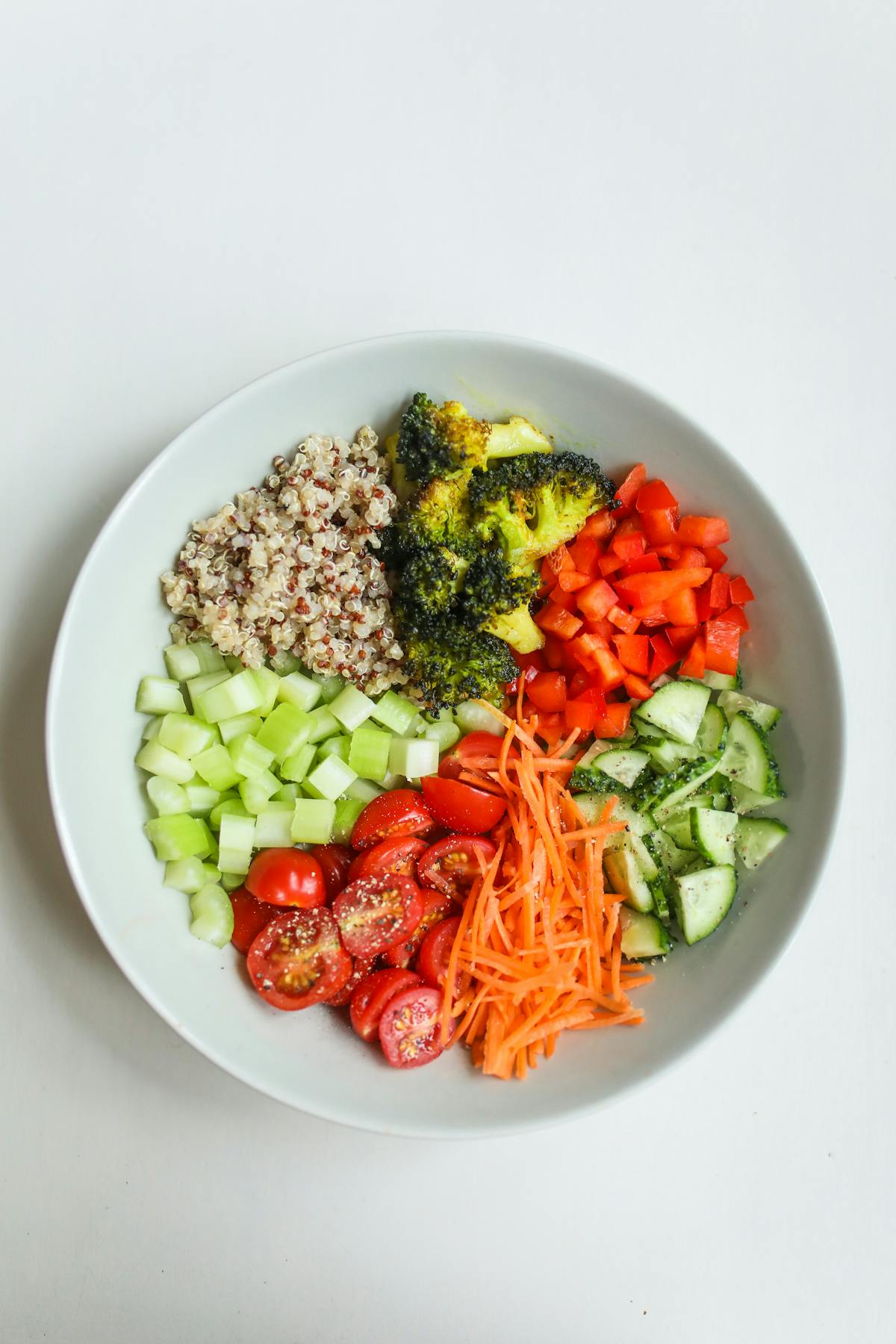
Divide the warm brown rice between two bowls. Arrange crispy tofu, kimchi, carrot, cucumber, and greens on top in separate sections for a pretty, “deconstructed” look. Drizzle generously with the miso‑sesame dressing. - Finish and serve.
Sprinkle with toasted sesame seeds and sliced green onions. Taste a little bit of everything in one forkful: you should get nutty rice, cool crunch, tangy heat from kimchi, and umami depth from the miso. Serve right away, while the rice and tofu are still warm and the veggies are crisp.

Tips, Variations & Gut‑Friendly Swaps
If you’re new to fermented foods, start with a small spoonful of kimchi or sauerkraut per meal and gradually increase as your body adjusts. Pairing these tangy toppings with warm, comforting grains and creamy sauces (like in this bowl) makes the flavors more approachable and incredibly satisfying.
Storage & Reheating
This probiotic bowl is meal‑prep friendly if you store the components separately so you can keep textures and beneficial cultures at their best.
- Cooked brown rice: Cool completely, then refrigerate in an airtight container for up to 4 days. Reheat with a splash of water in a covered bowl in the microwave or in a pan over low heat.
- Crispy tofu: Store in an airtight container for up to 3 days. Re‑crisp in a lightly oiled skillet or air fryer for a few minutes.
- Kimchi and miso: Keep refrigerated and follow package dates; they’re naturally long‑lasting.
- Dressing: Refrigerate in a jar for up to 5 days. It may thicken; stir in a spoonful of warm water to loosen.
- Veggies: Store prepped carrot and cucumber in separate containers with a paper towel to absorb moisture; use within 3 days.
For the best balance of warmth and crunch, reheat only the rice and tofu, then add the kimchi, fresh veggies, and dressing straight from the fridge.
Serving Suggestions & Complementary Gut‑Healthy Dishes
Turn your probiotic bowl into the centerpiece of a gut‑loving menu with simple add‑ons that keep the theme going without feeling restrictive.
- Starter: A small bowl of quick miso soup with seaweed and scallions.
- Side: Lightly steamed broccoli or green beans drizzled with olive oil and lemon.
- Drink: Unsweetened green tea or a small glass of kombucha, as tolerated.
- Dessert: A bowl of plain yogurt or coconut yogurt topped with berries, chia seeds, and a drizzle of honey or maple syrup.
Over time, these kinds of meals—colorful, fiber‑rich, and gently fermented—create a pattern that your microbiome can truly thrive on. Think less about perfection and more about adding in variety: different veggies, grains, and fermented favorites each week.
Most importantly, let your gut‑healthy kitchen be a place of curiosity and pleasure. When food smells inviting, looks vibrant, and makes you feel nourished from the inside out, those habits are far more likely to stick.
