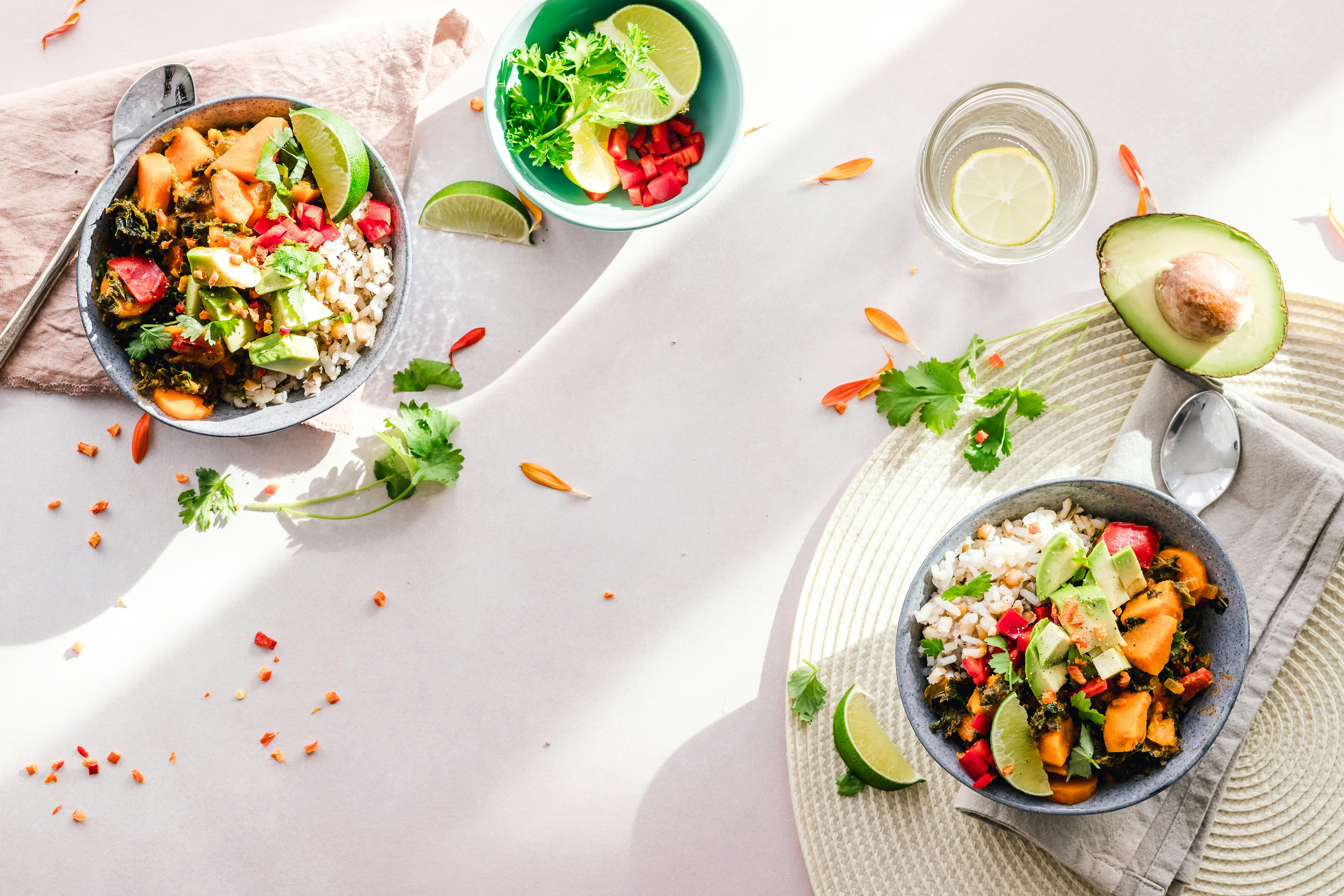
Protein-First Power Bowl: High-Protein Everything, Without the Ultra-Processed Hype
Protein‑First Power Bowl (30g+ Protein Real‑Food Meal)
This protein‑first power bowl captures the 2025–2026 “high‑protein everything” trend—think Greek yogurt, protein pasta, and legume‑based everything—but keeps the focus on real, minimally processed foods. Built around a flexible protein anchor (chicken, tofu, or tempeh) plus fiber‑rich grains and crunchy vegetables, it’s designed to help you hit that 25–40 g protein per meal sweet spot that fitness coaches and dietitians keep talking about, without relying on ultra‑processed bars and shakes.
Inspired by “protein‑first” meal prep videos and body‑recomposition goals, this bowl is satisfying, blood‑sugar‑friendly, and endlessly customizable—whether you’re plant‑forward, watching your carbs, or just want a colorful, high‑protein dinner that tastes like something you’d happily order at your favorite café.
Quick Recipe Summary
Prep Time: 20 minutes
Cook Time: 20 minutes
Total Time: 40 minutes
Servings: 2 hearty bowls
Difficulty: Easy–Intermediate
Dietary: High‑protein, high‑fiber; easily gluten‑free and plant‑based
How This Recipe Fits the High‑Protein Trend
The 2025–2026 “protein‑first” movement is all about prioritizing protein at every meal—from 30 g breakfasts to protein‑fortified coffee creamers. At the same time, many dietitians are gently steering people away from ultra‑processed protein cereals and puddings, and back toward real food: eggs, fish, beans, tofu, Greek yogurt, and lentils.
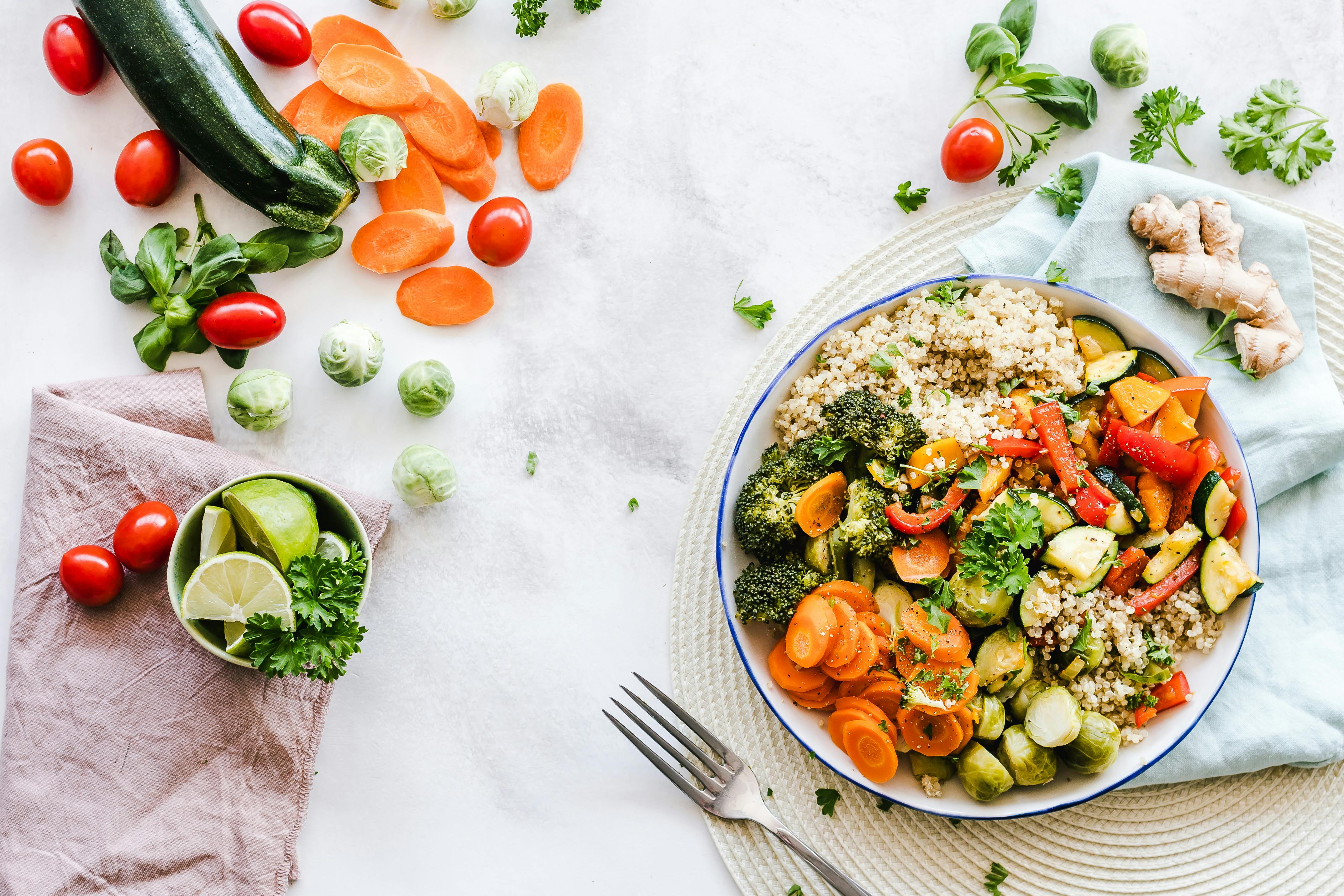
This bowl is designed as a practical protein‑first template: choose a protein anchor, layer in fiber‑rich carbs like quinoa or lentils, add colorful vegetables and healthy fats, and season it boldly so it feels like comfort food, not “diet food.”
Aim for at least 25–35 g of protein per bowl. With chicken or tofu, plus grains and legumes, you’ll get there comfortably—no protein bars required.
Ingredients for a Protein‑First Power Bowl
The quantities below make 2 large bowls. Feel free to scale up for meal prep—a very “2026 protein‑meal‑prep Tok” move.
Protein Anchor (Choose One)
- 250 g (about 9 oz) boneless, skinless chicken breast, cut into bite‑size strips
- — or — 250 g (9 oz) extra‑firm tofu, pressed and cubed
- — or — 250 g (9 oz) tempeh, sliced into thin strips
High‑Protein Grain & Legume Base
- 120 g (2/3 cup) dry quinoa or high‑protein grain blend (e.g., quinoa + lentils)
- 120 g (3/4 cup) cooked chickpeas or black beans, rinsed and drained
- Optional: 40 g (1/4 cup) edamame, shelled (fresh or frozen)
Colorful Veggies
- 1 small red bell pepper, thinly sliced
- 1 small cucumber, halved lengthwise and sliced
- 80 g (about 1 cup) shredded purple cabbage or mixed salad greens
- 1 small carrot, julienned or grated
- 2 small handfuls fresh baby spinach or kale, roughly chopped
High‑Protein Yogurt Sauce (Creamy & Tangy)
- 170 g (3/4 cup) plain Greek yogurt (2% or 0% fat)
- 1 tbsp lemon juice or rice vinegar
- 1 tbsp extra‑virgin olive oil or sesame oil
- 1 small garlic clove, finely grated or minced
- 1–2 tsp soy sauce or tamari (use tamari for gluten‑free)
- 1–2 tsp honey or maple syrup (optional, for balance)
- Pinch of salt and black pepper, to taste
Seasoning & Garnish
- 1 tbsp soy sauce or tamari (for cooking the protein)
- 1 tsp smoked paprika or chili powder (optional, for a smoky kick)
- 1 tsp ground cumin or your favorite spice blend
- 1–2 tsp olive oil or avocado oil (for sautéing)
- 2 tbsp toasted seeds (pumpkin, sunflower, or sesame)
- Fresh herbs (parsley, cilantro, or green onions), chopped
- Lemon wedges or lime wedges, for serving
Equipment You’ll Need
- Medium saucepan (for quinoa or grains)
- Nonstick or cast‑iron skillet
- Mixing bowl (for yogurt sauce)
- Cutting board and sharp knife
- Measuring cups and spoons
- Two serving bowls for assembling

Step‑by‑Step Instructions
Follow these steps in order to keep the recipe efficient—perfect for weeknight cooking or Sunday protein meal prep.
- Cook the high‑protein grain base.
Rinse the quinoa under cold water. Add to a saucepan with 1.5 times its volume in water (for 2/3 cup quinoa, use 1 cup water) and a pinch of salt. Bring to a boil, then reduce heat, cover, and simmer for 12–15 minutes until fluffy and the water is absorbed. Let stand, covered, for 5 minutes, then fluff with a fork. - Prep and marinate the protein anchor.
In a small bowl, mix 1 tbsp soy sauce or tamari, 1 tsp olive oil, smoked paprika, and cumin. Toss with the chicken, tofu, or tempeh, coating each piece. Let it sit while you prepare the sauce and vegetables—this quick marinade adds big flavor with little effort. - Make the high‑protein yogurt sauce.
In a mixing bowl, whisk together Greek yogurt, lemon juice, olive or sesame oil, garlic, soy sauce or tamari, and honey or maple syrup if using. Taste and adjust salt, pepper, and acidity. The sauce should be creamy, tangy, and lightly savory. - Chop the vegetables.
Slice the bell pepper, cucumber, and cabbage; grate or julienne the carrot; and roughly chop the greens. Aim for a mix of textures—crunchy, leafy, and juicy—for maximum satisfaction and satiety. - Cook the protein.
Heat a skillet over medium‑high heat and add a light drizzle of oil. Add the marinated chicken, tofu, or tempeh in a single layer. Cook, stirring occasionally, until browned on the edges and cooked through (about 6–8 minutes for chicken; 5–7 minutes for tofu or tempeh). If the pan looks dry, splash in a spoonful of water to loosen any flavorful bits. - Warm the legumes and edamame.
Add the chickpeas (and edamame, if using) to the skillet for the last 2–3 minutes of cooking, tossing to coat them in the pan juices. This infuses more flavor and gently warms them without drying them out. - Assemble the protein‑first bowls.
Divide the cooked quinoa between two bowls. Arrange the sautéed protein and chickpeas on top, then add generous handfuls of the fresh vegetables around the edges. Spoon the yogurt sauce over the protein and grains, or serve on the side. Finish with toasted seeds, chopped herbs, and lemon or lime wedges. - Adjust for your goals.
For extra protein, add more chickpeas, edamame, or a spoonful of cottage cheese on the side. For a lighter, lower‑carb bowl, use extra greens and veggies and a smaller scoop of grains.
Variations, Swaps & Dietary Adaptations
One reason protein‑first bowls are everywhere—from TikTok to gym café menus—is how modular they are. Use this recipe as a template and play.
Flavor Profiles to Try
- Mediterranean: Use chicken, chickpeas, cucumber, tomatoes, olives, and parsley. Season with oregano and lemon, and add a sprinkle of feta if you like.
- Asian‑inspired: Use tofu, edamame, shredded cabbage, and carrots. Add ginger to the yogurt sauce, swap lemon for rice vinegar, and garnish with sesame seeds and green onions.
- Tex‑Mex: Use chicken or beans, corn, black beans, bell peppers, and avocado. Add chili powder, lime juice, and cilantro; sprinkle with a bit of cheese if desired.

Protein‑First Eating: A Quick, Real‑World Guide
Behind the viral “30 g protein breakfast” clips is some solid science: higher‑protein diets (especially with resistance training) help preserve lean mass during weight loss, slightly boost calorie burn, and support better appetite control and blood‑sugar stability.
- Target per meal: Many sports nutrition experts suggest 25–40 g protein per meal for active adults.
- Daily range: For people training or dieting, guidelines of around 1.6–2.2 g protein per kg of body weight per day are often cited in recent literature.
- Quality matters: Minimally processed sources (eggs, fish, tofu, lentils, yogurt) are generally preferred over ultra‑processed “protein snacks.” Bars and shakes can help fill gaps, but they don’t need to be the main event.
This bowl leverages that research in a very everyday way: you get a solid protein base, plenty of fiber, and healthy fats—all in one colorful, satisfying dish that won’t feel like “diet food.”
Storage & Meal Prep Tips
These bowls are perfect for the protein‑obsessed meal‑prep culture that’s everywhere on social media right now.
- Fridge: Store the components separately (grains, cooked protein/legumes, chopped veggies, and sauce) in airtight containers for up to 3–4 days.
- Sauce: The yogurt sauce keeps well for 3 days. Stir before using.
- Freezer: You can freeze cooked chicken/tofu and grains for up to 2 months. Thaw overnight in the fridge.
Reheating Guidelines
- Microwave: Reheat grains and protein together with a splash of water for 60–90 seconds, covered, until hot. Add fresh veggies and sauce after reheating.
- Skillet: Warm grains and protein in a lightly oiled pan over medium heat, stirring occasionally, until heated through.
- Cold bowl: These also taste wonderful as a chilled “protein salad bowl” straight from the fridge—especially on hot days.
Serving Suggestions & Pairings
This protein‑first bowl is a complete meal on its own, but a few thoughtful add‑ons can turn it into a full spread.
- On the side: A simple green salad, roasted vegetables, or a cup of veggie soup.
- For extra crunch: Add a slice of whole‑grain sourdough or high‑protein wrap chips baked with olive oil and spices.
- For dessert: A bowl of berries with a spoonful of Greek or plant‑based high‑protein yogurt fits the protein‑first trend perfectly.
Bringing Protein‑First Eating into Your Kitchen
You don’t need a fridge full of specialty “protein foods” to ride the high‑protein trend. With a bag of quinoa, a block of tofu or some chicken, a can of chickpeas, and a tub of Greek yogurt, you’re already set up for deeply satisfying, muscle‑friendly meals.
Start with this bowl once, then try it again with different spices and toppings. Over time, “protein‑first” will feel less like a rule and more like second nature—just the way you build delicious, colorful plates that support your energy, strength, and long‑term health.