
Gentle Protein-Packed Sheet Pan Salmon: An Ozempic-Friendly Dinner That Loves Your Gut
Gentle Sheet Pan Salmon with Roasted Vegetables (Ozempic‑Friendly High‑Protein Dinner)
This soothing sheet pan salmon with roasted vegetables is designed with the new GLP‑1 world in mind—think Ozempic, Wegovy, Mounjaro, and Zepbound—where appetite is lower, rich foods can feel intense, and every bite needs to pull its nutritional weight. Tender baked salmon, soft, caramelized vegetables, and a cool yogurt‑herb sauce come together in a cozy, high‑protein dinner that’s gentle on the stomach but still deeply satisfying.
Many people on GLP‑1 medications report that small, protein‑forward, low‑grease meals sit best and help protect hard‑earned muscle while weight is coming off. This recipe leans into that: it’s rich in lean protein, fiber, and flavor, without being heavy or oily. Everything cooks on one pan, which means minimal prep, minimal dishes, and maximum weeknight sanity.
Prep:
Cook:
Total:
Servings: 4
Difficulty: Easy
GLP‑1 Friendly · High Protein · Low Grease
How This Recipe Fits the New Ozempic & GLP‑1 Food Culture
As GLP‑1 drugs like Ozempic, Wegovy, Mounjaro, and Zepbound have become more common in 2025–2026, home kitchens are quietly transforming. People are discovering that old “diet food” rules don’t always apply anymore. Instead, the focus is shifting to:
- Getting enough protein to protect lean muscle while appetite is low.
- Choosing lower‑grease, gentler meals to ease nausea or reflux.
- Prioritizing fiber, color, and micronutrients in smaller portions.
- Finding dishes that still feel comforting and indulgent, not like punishment.
This sheet pan salmon was created with all of that in mind. The fish brings high‑quality protein and omega‑3 fats without heaviness, while the small‑cut vegetables roast into soft, sweet bites that are easy on digestion. The cool yogurt sauce gives you creaminess and tang with a fraction of the fat of traditional mayo‑based sauces.
Equipment You’ll Need
- 1 large rimmed baking sheet (or 2 smaller ones)
- Parchment paper (optional but handy for easy cleanup)
- Sharp chef’s knife and cutting board
- Mixing bowl and small bowl for sauce
- Measuring spoons
- Tongs or a spatula for tossing vegetables

Ingredients for Ozempic‑Friendly Sheet Pan Salmon
For the Salmon & Vegetables
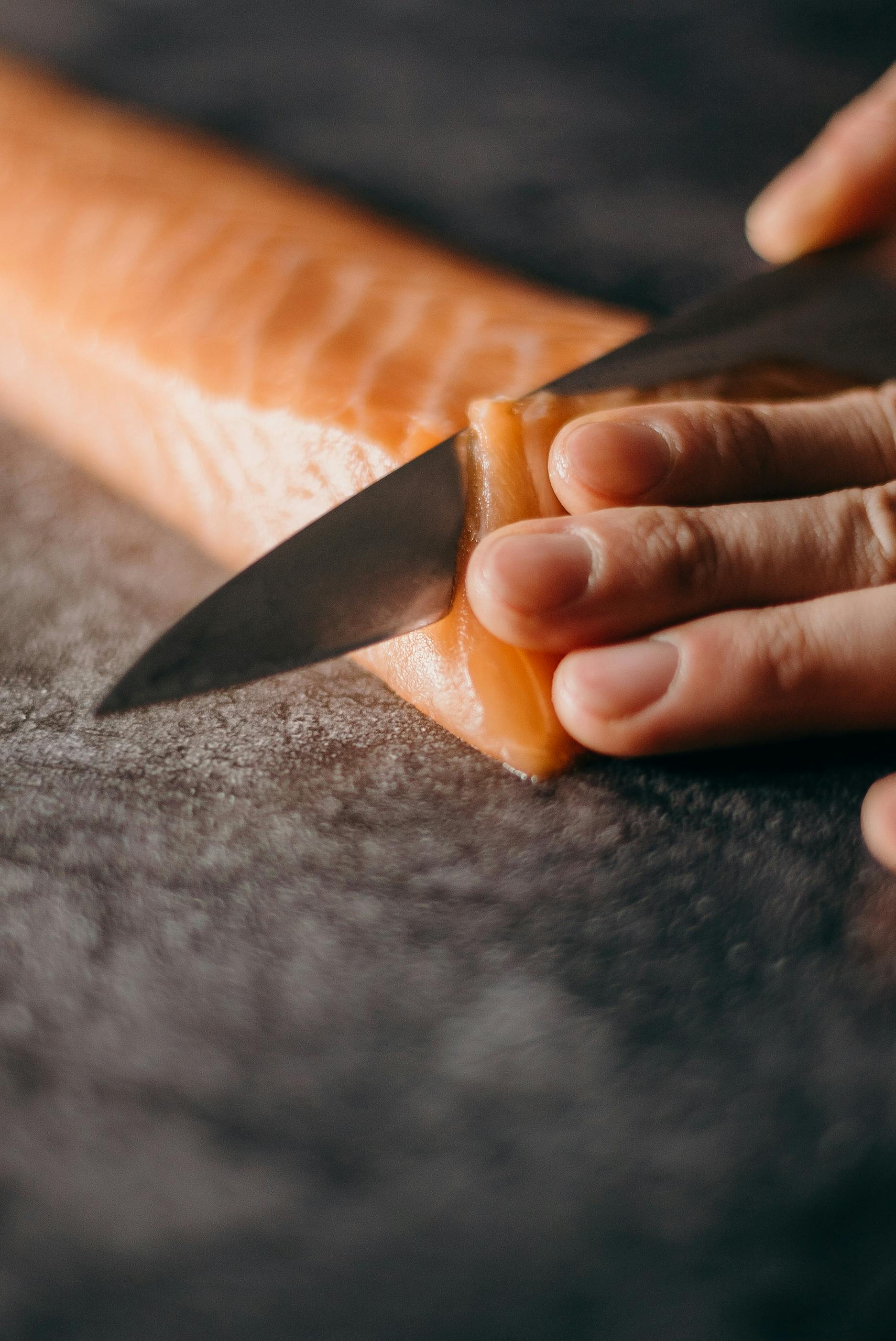
- 4 skin‑on salmon fillets (about 4–5 oz / 115–140 g each)
- 1 medium head broccoli, cut into small florets
- 2 medium carrots, peeled and cut into thin coins
- 1 small zucchini, sliced into half‑moons
- 1 small red onion, sliced into thin wedges
- 2 tbsp extra‑virgin olive oil
- 1 tsp fine sea salt, divided
- 1/2 tsp freshly ground black pepper, divided
- 1 tsp garlic powder
- 1 tsp smoked or sweet paprika
- 1 lemon – 1/2 sliced thinly, 1/2 reserved for juice
For the Light Yogurt‑Herb Sauce
- 3/4 cup (180 g) plain low‑fat Greek yogurt
- 1 tbsp fresh lemon juice
- 1 tbsp finely chopped fresh dill (or parsley)
- 1 small clove garlic, very finely minced or grated
- 2–3 tbsp water, as needed to thin
- 2 tsp olive oil (optional, for extra creaminess)
- Salt and pepper to taste
Step‑by‑Step Instructions (With Gentle Digestion in Mind)
- Preheat the oven & prepare your pan.
Preheat your oven to 400°F (200°C). Line a large rimmed baking sheet with parchment paper. This helps prevent sticking and keeps clean‑up fast—which really matters on low‑energy days. - Prep the vegetables into small, even pieces.
Cut the broccoli into small florets, slice carrots into thin coins, zucchini into half‑moons, and red onion into slim wedges.
Aim for relatively small, even pieces so they roast quickly and soften completely, giving you a tender, easy‑to‑chew texture. - Season and start roasting the vegetables.
Place all vegetables on the sheet pan. Drizzle with 2 tbsp olive oil, sprinkle with 1/2 tsp salt, 1/4 tsp pepper, and 1/2 tsp garlic powder.
Toss gently (use your hands or tongs) until everything is lightly coated and spread into an even layer.
Roast for 10 minutes to give them a head start before the salmon goes on. - Pat the salmon dry & season.
While the veggies roast, pat the salmon fillets dry with paper towels—this helps the spices cling and the fish roast nicely.
In a small bowl combine the remaining 1/2 tsp salt, 1/4 tsp pepper, 1/2 tsp garlic powder, and 1 tsp smoked or sweet paprika. Rub this mixture evenly over the tops of the fillets. - Add the salmon to the pan.
Remove the baking sheet from the oven. Give the vegetables a quick toss, then push them out toward the edges to make space in the center.
Lay the salmon fillets in the middle, skin‑side down. Tuck lemon slices around and on top of the fish for extra aroma and gentle brightness. - Finish roasting until just cooked.
Return the pan to the oven and roast for 10–12 minutes, depending on thickness.
You’re looking for salmon that is just opaque and flakes easily with a fork but is still very moist inside. Overcooked salmon can feel dry and harder to eat when your appetite is low, so err on the softer side. - Whisk together the light yogurt‑herb sauce.
While the salmon cooks, combine in a small bowl:- 3/4 cup Greek yogurt
- 1 tbsp lemon juice
- 1 tbsp chopped dill or parsley
- 1 small clove garlic, finely minced or grated
Taste and season with a pinch of salt and pepper. - Plate gently sized portions.
Divide the roasted vegetables and salmon among 4 plates. If your appetite is low, start with half portions; you can always come back for more later.
Spoon some yogurt‑herb sauce over the salmon or serve it on the side, and finish with a squeeze of fresh lemon juice if you like a brighter flavor. - Cool, store, and reheat without drying out.
Let leftovers cool for 20–30 minutes, then store salmon and vegetables together in an airtight container for up to 2 days in the fridge. Keep the sauce in a separate container for up to 3 days.
Reheat salmon and vegetables gently in a 275°F (135°C) oven for 8–10 minutes or microwave at 50% power in short bursts until just warm. High heat can make salmon tough and less appealing when your appetite is delicate.
Smart Substitutions & Dietary Adaptations
Your body’s preferences can change a lot on GLP‑1 medications. Here are ways to make this sheet pan dinner work for you—whether you need lower fat, dairy‑free, or a different protein.
Protein Swaps
- Mild white fish (cod, haddock, pollock) for an even lighter flavor and very soft texture.
- Chicken breast or thighs, cut into small strips (increase total cook time to 20–25 minutes; start chicken with the vegetables and add a little broth if it seems dry).
- Firm tofu (for a pescatarian‑optional or flexitarian approach): press, cube, and season just like the salmon; bake 20–25 minutes until edges are lightly crisp.
Vegetable Variations
- Sensitive stomach: try peeled sweet potato cubes, green beans, or peeled zucchini for very gentle fiber.
- Extra fiber: add Brussels sprouts halves, cauliflower florets, or wedges of fennel for more texture and diversity.
Dairy‑Free or Lower‑Fat Sauce
- Dairy‑free: use an unsweetened, thick plant‑based yogurt (soy or coconut) instead of Greek yogurt.
- Ultra‑light: replace half the yogurt with silken tofu blended with lemon and herbs for extra protein and a very mild flavor.
Storage, Meal Prep & Reheating Tips
On GLP‑1s, appetite can come and go in waves. Having gentle, ready‑to‑heat meals in the fridge can be a lifesaver on days when you suddenly realize it’s 4 p.m. and you’ve barely eaten.
- Fridge: Store salmon and vegetables in airtight containers for up to 2 days. Store sauce separately for up to 3 days.
- Freezer: You can freeze cooked salmon and vegetables for up to 1 month. Let thaw overnight in the fridge; texture will be a bit softer, which many GLP‑1 eaters actually prefer.
- Gentle reheating: Use a low oven (around 275°F / 135°C) or low microwave power. Stop as soon as the food is warm; very hot or dried‑out leftovers are harder to enjoy with a small appetite.
- Mini‑meals: Portion leftovers into 6 small containers instead of 4; this turns one recipe into several manageable, protein‑rich snacks.
Serving Ideas & What to Pair with Your GLP‑1 Friendly Salmon
This recipe is designed to be a full meal, but you can build it out depending on where you are in your GLP‑1 journey and how your appetite feels day to day.
Carb Options for Energy & Satiety
- Small portion of quinoa or farro for extra fiber and a nutty chew.
- Mashed or roasted sweet potato for a gentle, slightly sweet side that’s easy on the stomach.
- Soft brown rice if you’re focusing on blood sugar balance and slower‑burning carbs.
Light, Supportive Sides
- A simple cucumber and herb salad dressed with lemon and a drizzle of olive oil.
- Stewed or softly sautéed greens (spinach, chard) with garlic and a squeeze of lemon.
- A small bowl of broth‑based vegetable soup for added hydration and warmth.
“On GLP‑1s, food doesn’t have to be flashy or extreme to be powerful. A tender piece of salmon, a few sweet, soft veggies, and a bright spoonful of sauce can quietly give your body exactly what it needs.”
Remember: the “Ozempic diet” isn’t a rigid plan—it’s an evolving conversation about how to nourish yourself with lower appetite, shifting tastes, and new priorities. Recipes like this one are simply friendly tools in your corner, helping you honor your health, muscle, and comfort one gentle meal at a time.
