
Inside the Celebrity Gut-Health Craze: Fermented Foods, Microbiome Myths, and What Actually Helps Your Digestion
Celebrity Gut-Health Diets & the Fermented Foods Boom
Over the past few years, “gut health” has leapt from quiet lab studies into the brightest spotlight of celebrity wellness. Actors, musicians, and influencers casually drop phrases like “gut reset” and “microbiome friendly” while sipping kombucha, scooping kimchi onto grain bowls, and posting “bloat-free” daily menus. At the same time, supermarket shelves are filling with tangy yogurt drinks, fizzy fermented teas, and jars of vibrantly colored sauerkraut that promise to nourish your microbiome.
Beneath the hype, there is a genuinely exciting food story: how simple, traditional dishes like kefir, miso soup, and kimchi have become modern gut-health icons. When we focus on the textures, flavors, and comforting rituals of these foods—rather than strict rules or fear of “bad” ingredients—supporting digestion can feel joyful and sustainable for home cooks at every level.

What “Gut Health” Really Means: A Quick Microbiome Tour
When celebrities talk about “healing their gut,” they’re usually referring to the gut microbiome—the vast community of bacteria, yeasts, and other microbes living mostly in the large intestine. There are trillions of them, and together they act like a tiny internal ecosystem helping to:
- Break down fiber and resistant starch that we can’t digest on our own.
- Produce beneficial compounds that may support the gut lining and immune system.
- Interact with hormones and neurotransmitters that influence appetite, energy, and possibly mood.
A diverse, well-fed microbiome tends to be associated with better overall health markers. Imagine a thriving farmers’ market of microbes—different “vendors” each doing their job—rather than a deserted strip mall of just a few species.
In practice, gut health is less about one miracle food and more about the patterns that shape your plate most days of the week.
How Celebrities Turned Gut Health into a Lifestyle Trend
Between 2024 and 2026, gut health solidified its place as a top-tier wellness buzzword. On any given scroll, you might see:
- Morning rituals featuring warm lemon water, ginger tea, or diluted apple cider vinegar.
- “What I eat in a day for no bloating” videos packed with oats, chia, berries, and yogurt parfaits.
- Lunch and dinner bowls layered with whole grains, roasted vegetables, beans, and an obligatory spoonful of kimchi or sauerkraut.
- Sponsored posts for probiotic drinks, fiber powders, and at-home microbiome test kits.
Many celebrities also speak candidly about IBS, SIBO, or long-standing digestive discomfort. Their stories can be validating, especially if you’ve quietly dealt with bloating or irregularity yourself. At the same time, some “celebrity gut reset” plans swing toward the extreme—slashing entire food groups, promoting aggressive cleanses, or framing normal digestive sensations as something to fear.

The Fermented Foods Boom: Tangy, Fizzy, and Good for Your Gut
Fermented foods are the flavorful backbone of many gut-health diets. Long before the word “microbiome” existed, cultures around the world were preserving food with friendly microbes, creating complex flavors and satisfying textures along the way. Today, those same jars and crocks are rebranded as probiotic powerhouses.

Popular Fermented All-Stars
- Yogurt – Cool, creamy, and slightly tart; pairs beautifully with fruit, honey, and nuts.
- Kefir – A pourable, tangier cousin of yogurt; think drinkable, gently effervescent yogurt.
- Kimchi – Spicy, garlicky Korean fermented vegetables with a satisfying crunch.
- Sauerkraut – Shredded cabbage fermented into a sour, juicy tangle—lovely on toast or grain bowls.
- Miso – Fermented soybean paste with deep, savory umami used in soups, dressings, and marinades.
- Tempeh – Firm, nutty fermented soy “cakes” that brown beautifully in a pan.
- Kombucha – A lightly fizzy fermented tea with fruity or herbal flavors and a pleasant tang.
Each brings its own personality to your plate: the fizz of kombucha on your tongue, the gentle burn of chili-laced kimchi, the mellow savoriness of miso melting into hot broth. From a gut perspective, many of these foods contain live cultures, though levels vary by brand and preparation.
Prebiotics, Polyphenols & the Fiber-Rich Side of Gut-Friendly Eating
While fermented foods get the spotlight, your microbes are just as excited about the quiet heroes of gut health: prebiotic fibers and polyphenol-rich plants. These ingredients act like a buffet for beneficial bacteria, helping them flourish.
Prebiotic-Rich Foods
- Alliums: garlic, onions, leeks.
- Vegetables: asparagus, Jerusalem artichokes.
- Fruits: slightly underripe bananas.
- Grains: oats, barley.
- Legumes: beans, lentils, chickpeas.
Polyphenol-Focused Favorites
- Deeply colored berries (blueberries, raspberries, blackberries).
- Green and black tea.
- Extra-virgin olive oil.
- Herbs and spices like rosemary, thyme, turmeric, and cinnamon.
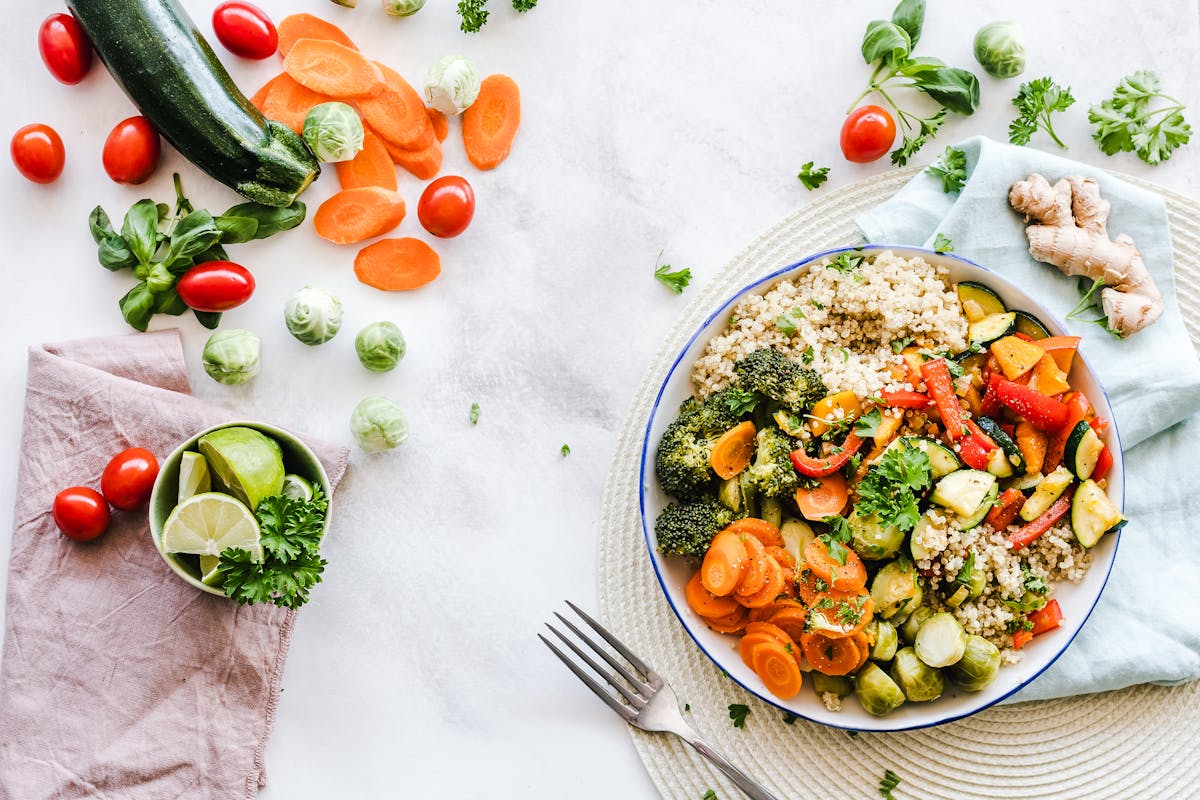
Morning Rituals, “Bloat-Free” Claims & What Science Actually Says
Scroll through gut-health content and you’ll spot a few recurring morning habits: warm lemon water, ginger shots, apple cider vinegar “tonics,” and long lists of foods to avoid in the name of a flatter stomach. These routines can feel almost ceremonial, promising a kind of digestive reset before the day even begins.
From an evidence perspective, the picture is more nuanced:
- Warm lemon water can be soothing and hydrating, but it’s mostly about starting the day with fluid.
- Ginger tea has a more established history for nausea relief and may mildly support digestion for some people.
- Apple cider vinegar may slightly slow stomach emptying and affect blood sugar in some contexts, but it’s not a miracle gut fix—and it can irritate teeth and the esophagus if not diluted.
If a ritual feels comforting, keeps you hydrated, and doesn’t push you into fear or restriction, it can have a place in your routine—even if the benefits are modest.
Recipe: Gut-Friendly Kimchi Grain Bowl with Yogurt-Miso Drizzle
To bring all of these ideas into your kitchen, here’s a vibrant, comforting bowl that layers fermented foods, prebiotic fibers, and colorful plants into one deeply satisfying meal. The chewy grains, crisp vegetables, and cool, tangy yogurt-miso sauce create a mix of temperatures and textures that feels both grounding and energizing—like your favorite takeout bowl, but tailored for gentle digestion.

Quick Recipe Summary
Prep time: 20 minutes
Cook time: 25–30 minutes
Total time: about 45–50 minutes
Servings: 2 generous bowls
Difficulty: Easy–moderate (great for enthusiastic home cooks)
Dietary: Vegetarian, easily adaptable to vegan and gluten-free
Equipment You’ll Need
- Medium saucepan with lid (for grains).
- Baking sheet or large skillet (for vegetables).
- Small bowl and whisk (for sauce).
- Cutting board and sharp knife.
- Measuring cups and spoons.
Ingredients
For the grain base
- 1 cup (200 g) cooked brown rice, barley, or quinoa (about 1/2 cup dry).
- 1 cup (240 ml) water or low-sodium vegetable broth.
- Pinch of salt.
For the roasted vegetables
- 1 small sweet potato, scrubbed and cut into 1.5 cm (1/2–3/4 inch) cubes.
- 1 small red onion, sliced into wedges.
- 1 tablespoon extra-virgin olive oil.
- 1/2 teaspoon ground cumin.
- 1/4 teaspoon smoked paprika (optional, for a cozy depth).
- Salt and freshly ground black pepper, to taste.
Fresh toppings
- 1 small carrot, julienned or shaved into ribbons.
- 1/2 small cucumber, thinly sliced.
- 1–2 tablespoons finely sliced spring onion (scallion) or chives.
- 1/2 cup (about 75 g) kimchi or sauerkraut with live cultures, roughly chopped if pieces are large.
- 2 tablespoons toasted pumpkin seeds or sesame seeds.
- A small handful of fresh herbs (parsley, coriander/cilantro, or mint), roughly chopped.
For the yogurt-miso drizzle
- 1/3 cup (80 g) plain yogurt (dairy or unsweetened coconut/soy yogurt).
- 1 tablespoon white or yellow miso paste.
- 1 teaspoon toasted sesame oil or olive oil.
- 1–2 teaspoons lemon juice or rice vinegar, to taste.
- 1–2 teaspoons water, to thin as needed.
- Optional: 1/2 teaspoon grated fresh ginger or garlic for extra zing.
Step-by-Step Instructions
- Cook the grains.
Rinse your chosen grain under cool water. Combine 1/2 cup dry grains with 1 cup water or broth and a pinch of salt in a saucepan. Bring to a boil, then reduce to a gentle simmer, cover, and cook until tender (about 15–20 minutes for quinoa, 25–30 minutes for brown rice or barley). Remove from heat and let sit, covered, for 5 minutes, then fluff with a fork. - Roast the vegetables.
While the grains cook, heat the oven to 200°C (400°F). On a baking sheet, toss the sweet potato cubes and red onion wedges with olive oil, cumin, smoked paprika (if using), salt, and pepper. Spread into a single layer. Roast for 20–25 minutes, stirring once, until the sweet potato is caramelized at the edges and tender, and the onion is soft and lightly charred in spots. - Prep the fresh toppings.
Slice the carrot and cucumber, chop the kimchi or sauerkraut, and roughly chop the herbs. Arrange them on a plate or small board so assembling the bowls feels like a relaxed, colorful ritual rather than a scramble. - Make the yogurt-miso drizzle.
In a small bowl, whisk together yogurt and miso until smooth. Add sesame oil, lemon juice or rice vinegar, and enough water to create a pourable consistency. Taste and adjust—more acidity for brightness, a pinch of salt if needed, or a little extra yogurt if it’s very salty. If you enjoy a mild kick, grate in a bit of ginger or garlic. - Assemble the bowls.
Divide the warm grains between two bowls. Top with roasted sweet potato and onion, then tuck in small piles of carrot, cucumber, and kimchi or sauerkraut. Sprinkle with spring onions and seeds. Finish by drizzling the yogurt-miso sauce over the top. - Adjust for your comfort & enjoy.
If you’re new to fermented foods or higher-fiber meals, start with a smaller spoonful of kimchi and fewer beans or grains, and build up over time. Eat slowly, enjoying the contrast of warm grains, cool crisp veg, and the savory tang of the sauce and kimchi.

Storage, Meal Prep & Reheating Tips
This gut-friendly bowl is wonderfully meal-prep friendly. With a bit of weekend cooking, you can assemble fresh, nourishing lunches in just a few minutes.
- Cooked grains: Store in an airtight container in the fridge for up to 4 days. Reheat gently in a pan or microwave with a splash of water to loosen.
- Roasted vegetables: Keep refrigerated for 3–4 days. Reheat in a low oven or skillet for the best texture, or accept them at room temperature for convenience.
- Yogurt-miso sauce: Store in a jar for up to 3 days. It may thicken in the fridge—thin with a spoonful of water or lemon juice before serving.
- Kimchi/sauerkraut: Keep refrigerated and use a clean utensil each time. These often keep well for weeks or more; check the smell and label guidance.
- Assembled bowls: For best texture, store components separately and assemble before eating. If pre-assembling, keep the sauce and ferments in separate little containers and add just before serving.
Serving Ideas & Complementary Gut-Friendly Dishes
This kimchi grain bowl can happily stand alone as a complete meal, but it also plays nicely with other simple, gut-supportive dishes for a full menu that tastes like comfort, not restriction.
- Starter: A small mug of warm miso soup or gently spiced ginger-carrot soup to warm your stomach.
- Side: A crisp salad of mixed greens, herbs, and thinly sliced fennel dressed in olive oil and lemon.
- Drink: Lightly brewed green tea, or a small glass of low-sugar kombucha if your stomach tolerates fizz.
- Dessert: A bowl of berries with a dollop of yogurt and a sprinkle of toasted nuts or seeds.
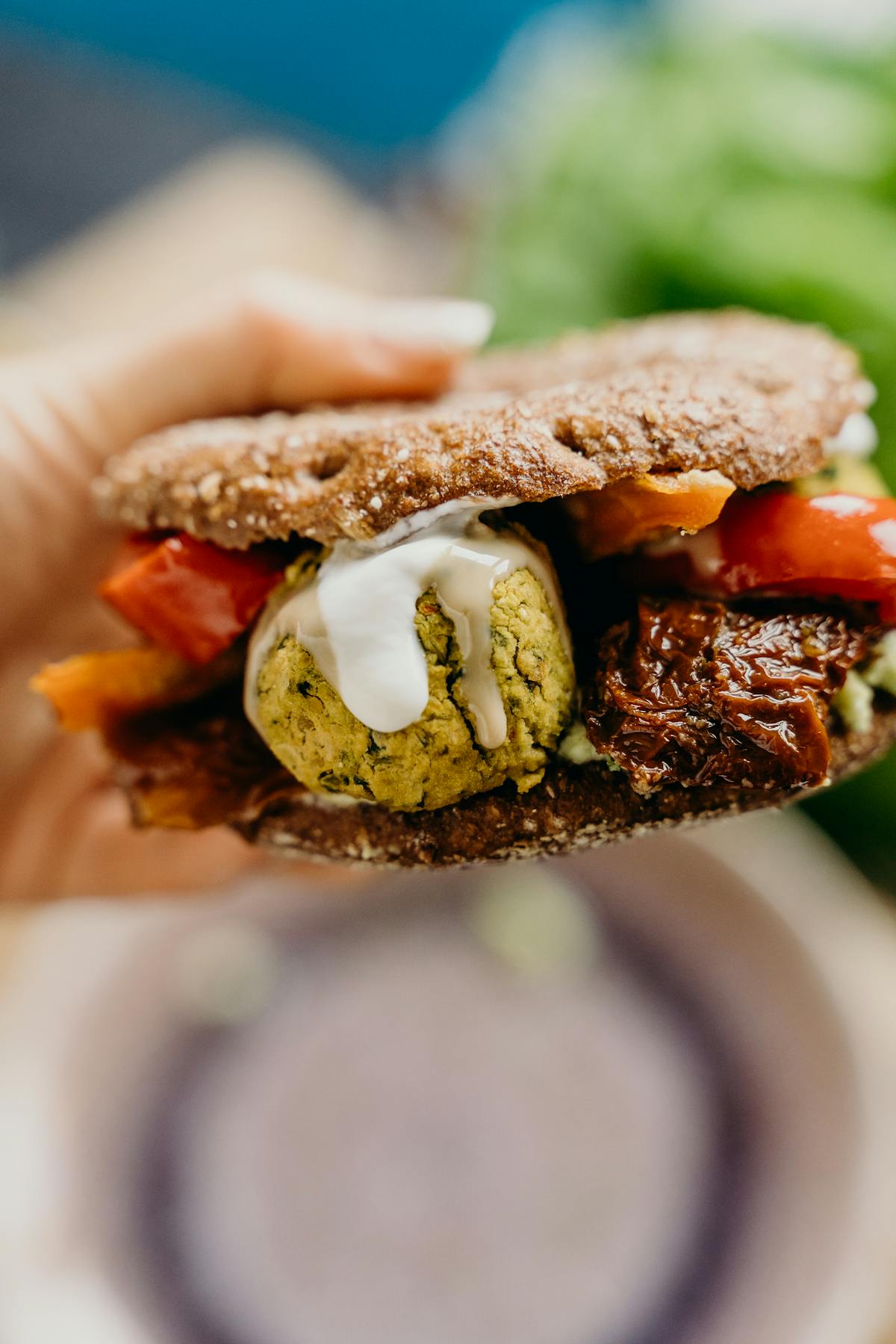
Over time, these kinds of meals can help gently nudge your microbiome toward more diversity—without demanding perfection or an all-or-nothing mindset.
Evidence-Based Takeaways from the Gut-Health Hype
With so many celebrity gut-health routines competing for your attention, it helps to zoom out and focus on what most experts agree on. The good news: the core message is simple, delicious, and achievable in an ordinary kitchen.
- Focus on patterns, not perfection. What you eat most of the time matters more than any single food or “reset.”
- Eat more plants in more colors. Fruits, vegetables, whole grains, beans, nuts, and seeds give your microbes the fiber and polyphenols they love.
- Enjoy a variety of fermented foods. Choose the ones that taste good to you—kimchi, yogurt, kefir, miso, and more—rather than forcing down something you dislike for “benefits.”
- Go gently with fiber increases. Slow and steady changes tend to be more comfortable than sudden, massive shifts.
- Watch for unnecessary restriction. If a plan makes you anxious around food, overly focused on “clean” eating, or socially isolated, it’s worth reevaluating and possibly seeking professional guidance.
- Personalization matters. Conditions like IBS, IBD, SIBO, or celiac disease require tailored advice from healthcare professionals; your ideal gut-friendly plate may look different from any influencer’s.
Let the celebrity trend be a spark of curiosity rather than a rigid rulebook. Use it as an invitation to rediscover traditional fermented foods, experiment with fiber-rich grains and vegetables, and savor the subtle ways your body feels when you nourish your gut over time.
Most of all, remember: gut-friendly eating can be deeply pleasurable. Every crunchy forkful of kimchi, every spoonful of tangy yogurt, every cozy, grainy bowl is a chance to care for both your microbes and yourself—with warmth, patience, and plenty of flavor.
