Mediterranean 2.0: How Blue Zones Turned Longevity Eating Into a Viral Wellness Movement
Mediterranean 2.0: The Viral Blue Zones & Longevity Diet Craze
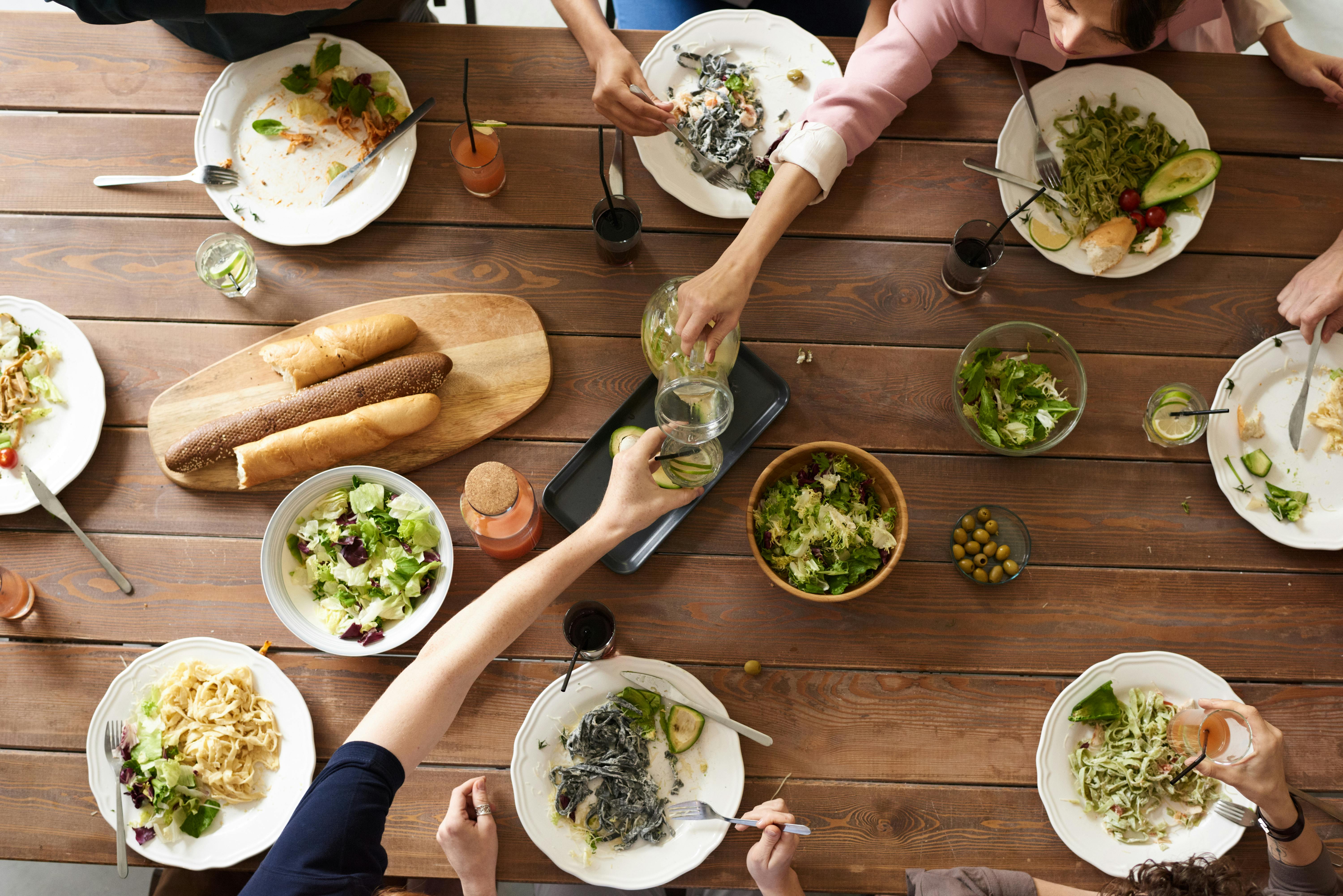
A fresh wave of interest in “living to 100” has brought the Mediterranean diet back into the spotlight—but with a modern twist. Thanks to Netflix’s Blue Zones documentaries and endlessly scrollable TikTok “longevity bowls,” a new Mediterranean 2.0 style of eating is trending: deeply plant-forward, drenched in good olive oil, and wrapped in a slower, more joyful way of living.
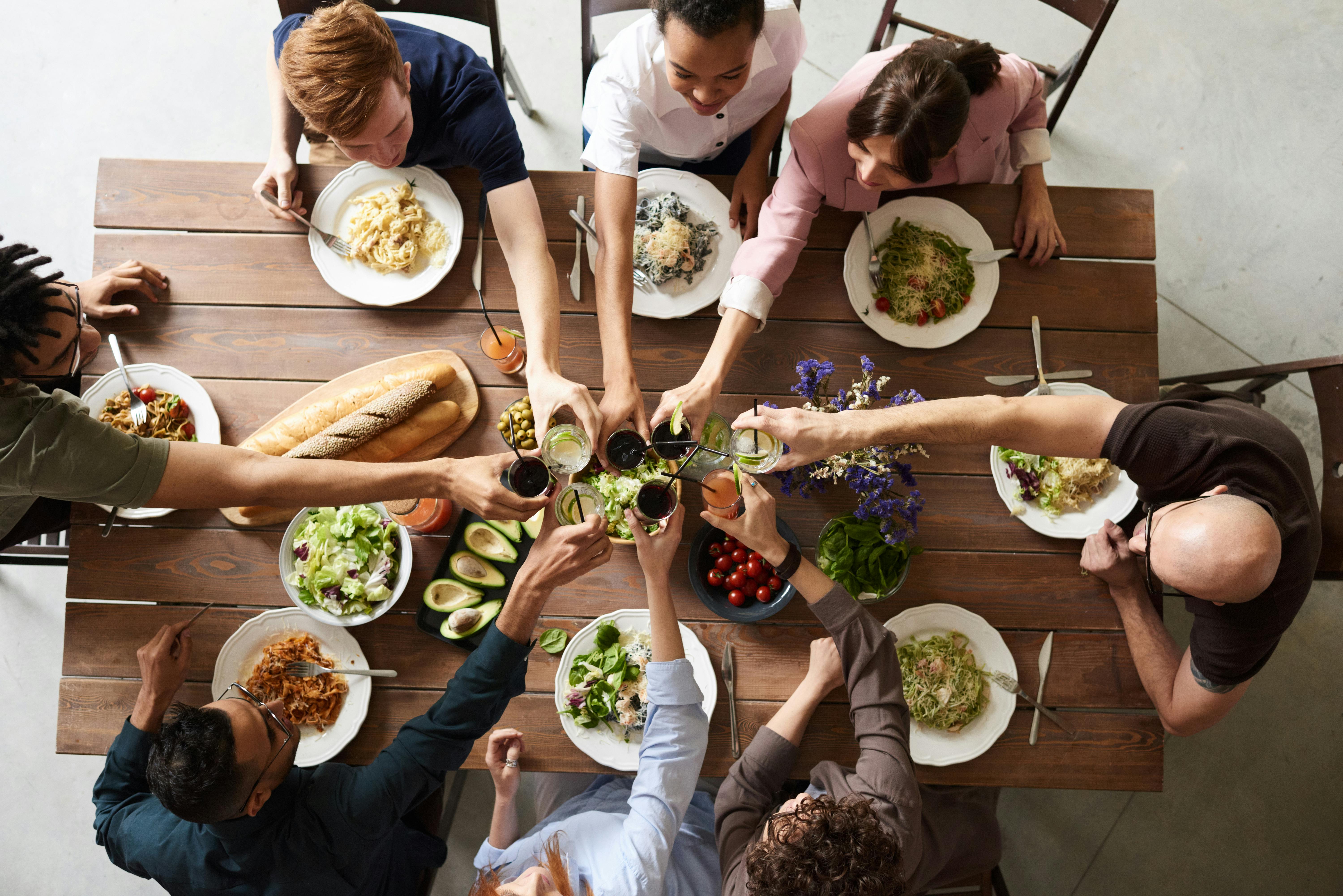
At its heart, this longevity-focused Mediterranean pattern is less about strict rules and more about vibrant, rustic food that you actually look forward to cooking: pots of beans simmered with herbs, vegetables glossed with fruity olive oil, and simple stews you can share around a busy table. Let’s unpack the Blue Zones craze—and then I’ll walk you through a comforting, one-bowl Blue Zone–inspired Mediterranean longevity bowl recipe you can make tonight.
What Are Blue Zones & Why Is Everyone Talking About Them?
Blue Zones are regions around the world where people routinely live into their 90s and beyond with surprisingly low rates of chronic disease. The most cited Blue Zones include:
- Sardinia, Italy
- Ikaria, Greece
- Okinawa, Japan
- Nicoya Peninsula, Costa Rica
- Loma Linda, California (USA)
When researchers looked at what these communities have in common, food was only one part of the picture—but it was a big one. Across cultures, meals tend to be:
- Plant-forward: vegetables, fruits, beans, lentils, chickpeas, and whole grains are the stars.
- Rich in healthy fats: especially extra-virgin olive oil and nuts.
- Light on meat: small portions of fish and occasional meat, rarely processed.
- Low in ultra-processed foods: very limited sugary drinks and packaged snacks.
On social media, this has evolved into a “longevity lifestyle” trend: creators share Blue Zone-inspired breakfasts, “eat like a centenarian” vlogs, and day-in-the-life clips featuring slow, communal meals and gentle daily movement like walking and gardening.
Mediterranean Diet 2.0: The Longevity Spin
The classic Mediterranean diet has been studied for decades and is consistently associated with a lower risk of heart disease, type 2 diabetes, some cancers, and cognitive decline. Mediterranean 2.0—the version making waves in Netflix specials and TikTok feeds—keeps those evidence-based foundations but adds eye-catching, modern flair.
Core Mediterranean 2.0 Longevity Principles
- Beans and legumes daily – think chickpeas, lentils, cannellini beans, and black beans.
- Whole grains as a base – like farro, barley, brown rice, quinoa, or whole-grain sourdough.
- Olive oil as the primary fat – often drizzled generously and used instead of butter.
- Colorful vegetables at every meal – especially leafy greens and seasonal produce.
- Nuts and seeds – a handful a day for crunch and sustained energy.
- Modest animal products – fish and fermented dairy in small portions, red meat rarely.
Today’s “Mediterranean 2.0” recipes often show up as:
- Blue Zone bowls layered with grains, beans, greens, and olive oil.
- Longevity breakfast jars with oats, nuts, seeds, fruit, and a drizzle of olive oil.
- Snack boards featuring hummus, olives, raw veggies, and whole-grain bread.
What the Trend Gets Right—and What It Misses
Nutrition experts are generally thrilled to see plant-forward Mediterranean eating back in the spotlight. It’s one of the rare “viral diets” that’s actually backed by a strong body of research. Still, there are a few caveats.
The Good News
- It promotes whole, minimally processed foods over quick-fix products.
- It encourages pleasure and satisfaction instead of rigid calorie counting.
- It’s naturally flexible and adaptable for vegetarians, pescatarians, and omnivores.
Where It Can Go Wrong
- Cherry-picking ingredients – eating a single “superfood” won’t recreate the full Blue Zones effect without the broader lifestyle.
- Overcomplicating things – viral recipes can look intimidating, but traditional longevity meals are often extremely simple and rustic.
- Ignoring culture and access – not everyone has Mediterranean produce or expensive olive oils; the spirit matters more than perfect replication.
Longevity isn’t built from a single salad or smoothie—it’s the quiet magic of small, satisfying choices repeated for years.
Recipe: Mediterranean Blue Zone Longevity Bowl
This warm, plant-forward Mediterranean longevity bowl layers garlicky chickpeas, lemony greens, and nutty whole grains under a silky olive oil and herb drizzle. It’s inspired by Blue Zones habits—simple ingredients, mostly plants, and plenty of good fat—while still being weeknight-friendly and endlessly customizable.
Prep time:
Cook time:
Total time:
Servings: 4 bowls
Difficulty: Easy–moderate
Ingredients
For the grain base
- 1 cup (185 g) dry farro or brown rice, rinsed
- 2 ¼ cups (530 ml) water or low-sodium vegetable broth
- ¼ teaspoon fine sea salt
For the garlicky chickpeas
- 2 cans (15 oz / 425 g each) chickpeas, drained and rinsed
- 2 tablespoons extra-virgin olive oil
- 3 cloves garlic, thinly sliced
- 1 teaspoon ground smoked paprika (or sweet paprika)
- ½ teaspoon ground cumin
- ¼ teaspoon crushed red pepper flakes (optional, for heat)
- ½ teaspoon fine sea salt, plus more to taste
- Freshly ground black pepper, to taste
For the lemony greens & vegetables
- 1 tablespoon extra-virgin olive oil
- 1 small red onion, thinly sliced
- 3 cups (about 90 g) chopped leafy greens (kale, chard, or spinach)
- 1 medium zucchini, halved lengthwise and sliced
- 1 cup cherry tomatoes, halved
- 1 large lemon, zested and juiced (about 3 tbsp juice)
- ¼ teaspoon salt, plus more to taste
For the olive oil herb drizzle
- ¼ cup (60 ml) extra-virgin olive oil (good quality, fruity)
- 2 tablespoons chopped fresh parsley
- 1 tablespoon chopped fresh basil or mint
- 1 small clove garlic, very finely minced or grated
- ½ teaspoon Dijon mustard
- 1 tablespoon red wine vinegar or additional lemon juice
- ½ teaspoon salt, or to taste
For serving & crunch
- ¼ cup (35 g) toasted walnuts or almonds, roughly chopped
- 2 tablespoons pumpkin seeds or sunflower seeds
- ¼ cup (40 g) crumbled feta or a dairy-free alternative (optional)
- Fresh herbs (parsley, basil, or dill) for garnish
Step-by-Step Instructions
- Cook the grains.
In a medium saucepan, combine the farro (or brown rice), water or broth, and ¼ teaspoon salt. Bring to a boil over medium-high heat, then reduce to a gentle simmer, cover, and cook until the grains are tender and chewy (about 25–30 minutes for farro, 35–40 minutes for brown rice). Drain any excess liquid if needed, then fluff with a fork and keep warm. - Prepare the olive oil herb drizzle.
While the grains cook, whisk together the olive oil, parsley, basil or mint, minced garlic, Dijon mustard, red wine vinegar or lemon juice, and ½ teaspoon salt in a small bowl. Taste and adjust seasoning—you're aiming for a bright, tangy, herby sauce. Set aside to let the flavors meld. - Sauté the aromatics for the chickpeas.
Heat 2 tablespoons olive oil in a large skillet over medium heat. Add the sliced garlic and cook, stirring often, until fragrant and just beginning to turn golden at the edges, about 1 minute. Keep the heat gentle so it doesn’t burn—the aroma should be nutty and sweet, not bitter. - Season and warm the chickpeas.
Add the chickpeas to the skillet along with smoked paprika, cumin, red pepper flakes (if using), ½ teaspoon salt, and black pepper. Stir to coat the chickpeas in the spiced oil. Cook for 5–7 minutes, stirring occasionally, until the chickpeas are hot, slightly crisped in spots, and coated in a brick-red sheen of spices. Turn off the heat and set aside. - Cook the vegetables.
In a separate skillet (or wipe out the same one), heat 1 tablespoon olive oil over medium heat. Add the sliced red onion and cook for 3–4 minutes until softened and translucent. Add the zucchini and a pinch of salt, and cook another 4–5 minutes until tender with light golden edges. Toss in the cherry tomatoes and chopped greens; cook just until the greens are wilted but still bright and the tomatoes begin to slump and release juices, about 2–3 minutes. - Brighten with lemon.
Turn off the heat under the vegetables. Stir in the lemon zest and juice, taste, and add a little more salt or lemon if you’d like it punchier. The mix should smell fresh and citrusy, with the tomatoes and onions adding sweetness. - Toast the nuts and seeds.
In a dry skillet over medium-low heat, toast the walnuts (or almonds) and pumpkin seeds for 3–4 minutes, shaking the pan often, until fragrant and lightly golden. Remove from the heat immediately so they don’t burn. This quick step adds an irresistible crunch. - Assemble the longevity bowls.
Divide the warm grains among 4 bowls. Spoon the garlicky chickpeas over one side and the lemony vegetables over the other. Drizzle each bowl generously with the olive oil herb sauce. Finish with toasted nuts and seeds, a sprinkle of feta or dairy-free cheese if using, and fresh herbs. - Eat mindfully.
Sit down, take a breath, and enjoy your bowl slowly if you can—this is very much in the spirit of Blue Zones eating. Stop when you feel pleasantly satisfied, not stuffed.
Ingredient Swaps & Dietary Adaptations
One of the best parts of Mediterranean 2.0 eating is its flexibility. Use what you have, lean on your pantry, and adapt to your needs.
- Grains: Try barley, bulgur, or a mix of quinoa and lentils.
- Beans: White beans, lentils, or black beans all work beautifully.
- Vegetables: Swap in roasted carrots, eggplant, bell peppers, or whatever’s in season.
- Herbs: Dill, cilantro, or oregano bring different regional twists.
- Olive oil: Extra-virgin is ideal for flavor and health benefits, but you can use a neutral oil for sautéing if needed and save EVOO for the drizzle.
Storage, Meal Prep & Reheating Tips
This Mediterranean longevity bowl is made for batch cooking—it actually tastes even better after a day as the flavors mingle.
- Fridge: Store grains, chickpeas, and vegetables in separate airtight containers for up to 4 days. Keep the herb drizzle and toppings in their own containers.
- Freezer: Cooked grains and chickpeas freeze well for up to 2–3 months. Freeze in individual portions for quick lunches. The fresh vegetables and herb drizzle are best made fresh.
- Reheating: Warm grains and chickpeas gently on the stovetop with a splash of water or in the microwave until steaming. Add the lemony vegetables at the end, just to warm through, and drizzle with fresh olive oil sauce right before serving.
- Grab-and-go lunches: Layer grains, then chickpeas, then vegetables in meal prep containers. Pack the drizzle, nuts, and herbs separately and add just before eating to keep textures vibrant.
Serving Ideas & Complementary Dishes
To make this feel like a true Blue Zone–inspired experience, think simple, abundant, and communal. Here are a few ways to expand this into a full Mediterranean-style meal:
- With soup: Serve alongside a rustic minestrone or lentil soup for a cozy, bean-rich spread.
- With bread: Add a slice of whole-grain or sourdough bread, ideally lightly toasted and rubbed with garlic, then brushed with olive oil.
- With a simple salad: Toss seasonal greens with lemon, olive oil, and a pinch of sea salt. That’s it.
- With fermented dairy: Offer a small bowl of plain yogurt or kefir on the side, drizzled with olive oil and sprinkled with herbs.
- With fruit: Finish with seasonal fruit—figs, oranges, berries, or melon—for a light, sweet, and fiber-rich dessert.
Bringing Blue Zone Habits Into Your Everyday Life
Food is the most delicious entry point into the Blue Zones philosophy, but its true power shows up when it’s woven into how you live, not just what you cook once in a while. You don’t need to move to a seaside village or live off heirloom olives to benefit.
- Choose one plant-forward meal—like this bowl—and make it a weekly ritual.
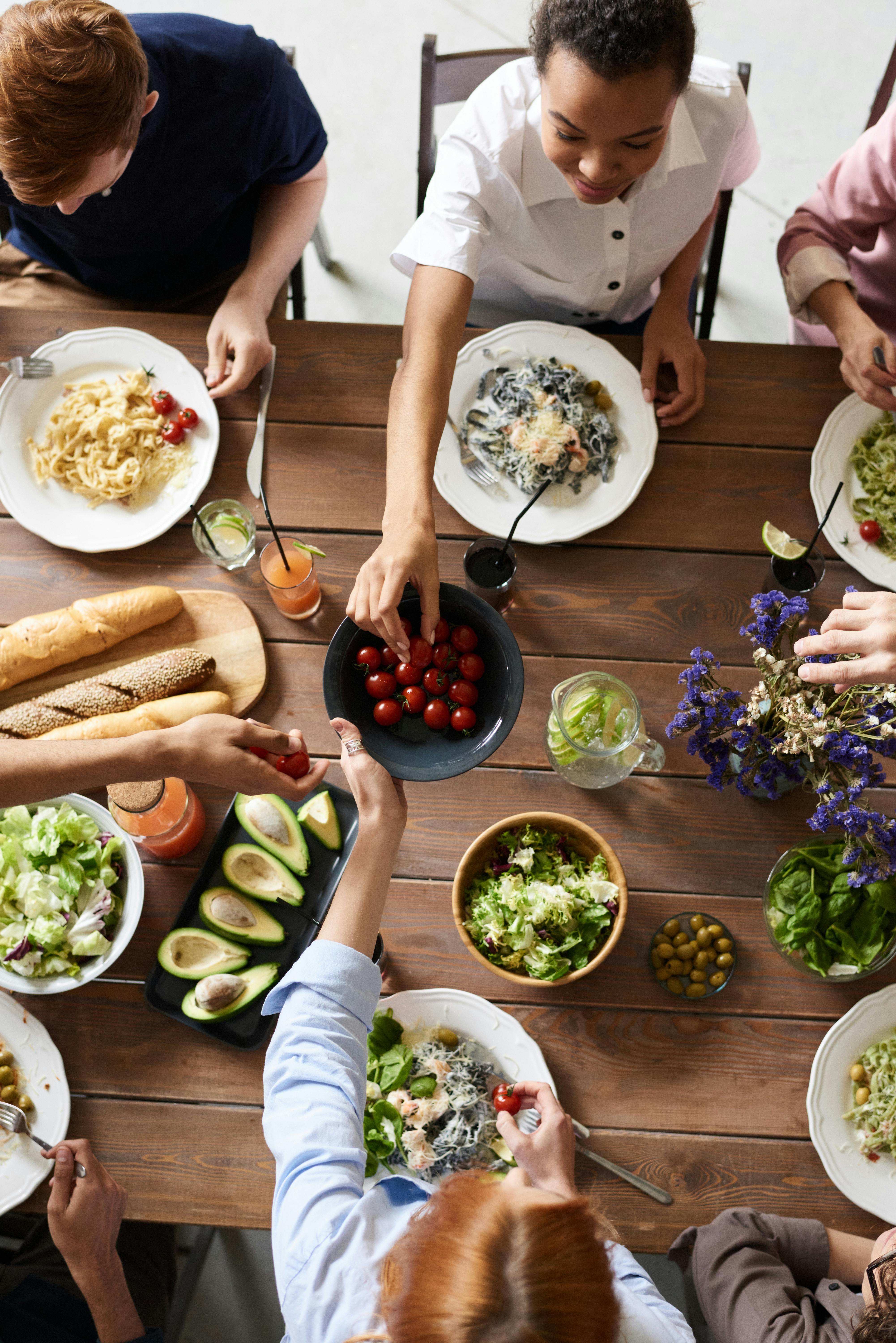
- Eat with someone when you can, even virtually, instead of scrolling through dinner alone.
- Add movement around your meals: take a short walk before or after eating.
- Practice “80% full” eating: pause mid-meal, check in with your body, and stop at satisfied.
Over time, these small, savory rituals—stirring a pot of beans, washing greens, tearing herbs with your hands—become a rhythm that’s as good for your mind as it is for your body. That’s the quiet heart of Mediterranean 2.0 and the Blue Zones way of eating: not perfection, just delicious, mostly-plants meals enjoyed often and enjoyed well.