
High-Protein, High-Fiber Satiety Diet: The Delicious Way to Feel Full and Lose Weight
High‑Protein, High‑Fiber Satiety Diets: A Delicious, Food‑First Approach to Appetite Control
High‑protein, high‑fiber “satiety diets” are rising fast as a non‑drug, food‑first way to manage appetite and support sustainable weight loss. Inspired partly by conversations around GLP‑1 medications and a growing backlash against ultra‑processed foods, more people are choosing meals that keep them full for hours instead of chasing strict calorie limits or fad rules.
At the heart of this approach is a simple, very comforting promise: you can feel pleasantly satisfied, enjoy deeply flavorful food, and still move toward your health and body‑composition goals. The secret lies in smart use of protein, fiber, and low‑energy‑density ingredients—think juicy roasted vegetables, creamy Greek yogurt, tender beans, and hearty whole grains—paired with a lighter touch on ultra‑processed snacks that tend to rev up appetite instead of calming it.
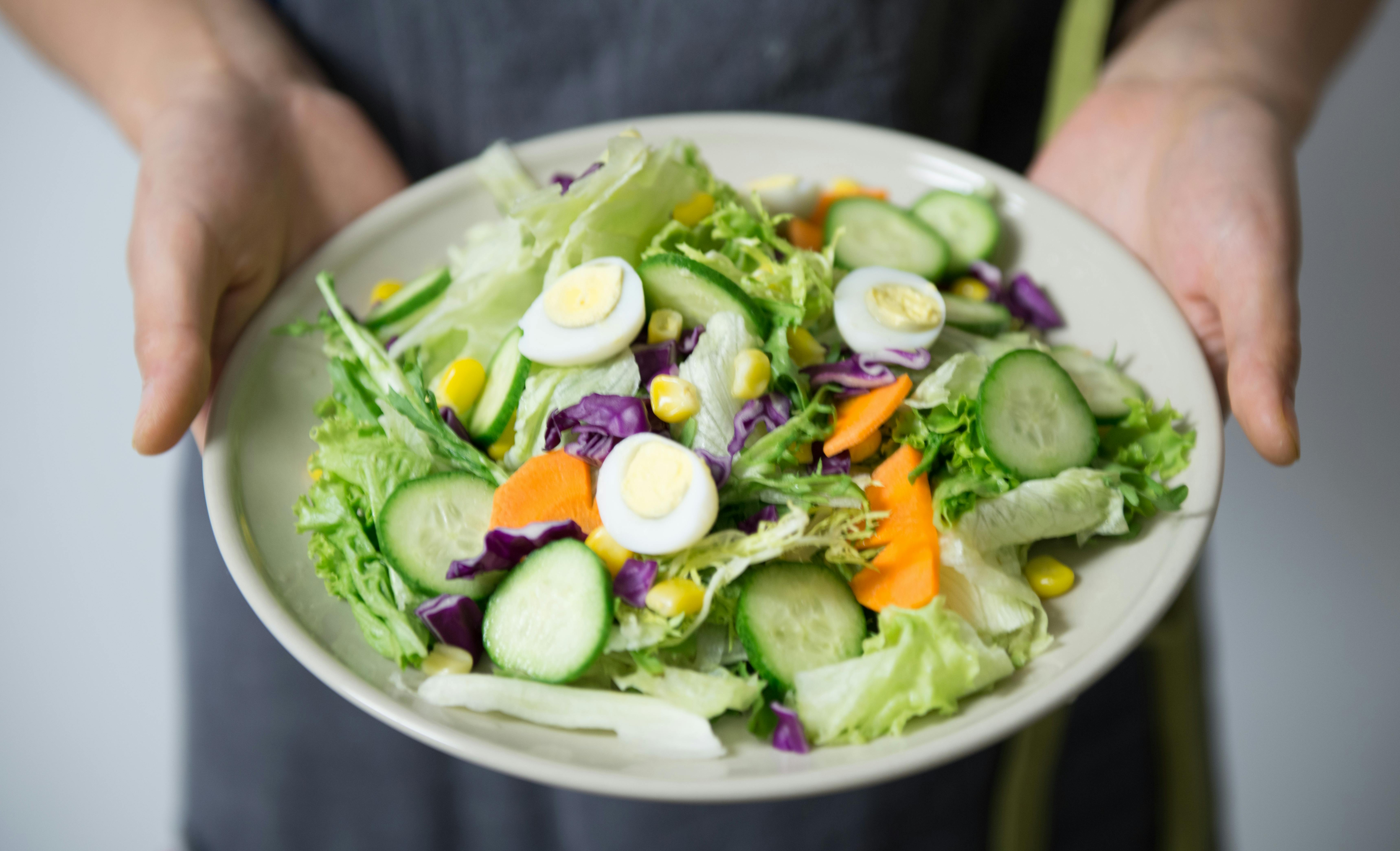
Why Satiety Diets Are Trending Right Now
Across TikTok, Instagram, and search engines, interest in high‑protein, high‑fiber satiety diets has surged. “What I Eat in a Day” videos now routinely highlight grams of protein and fiber per meal instead of only calories. Hashtags like #highproteindiet, #highfiber, #satietydiet, and #proteinrecipes climb week after week, reflecting a shift toward how food feels in your body, not just what it tallies on a tracker.
Two big forces are driving this:
- GLP‑1 conversations: As more people learn how GLP‑1 medications reduce appetite, many are asking, “Can I mimic some of these effects with food?” Clinicians frequently answer by emphasizing higher protein, higher fiber, and lower ultra‑processed intake.
- Ultra‑processed fatigue: There’s growing frustration with foods that are engineered to be irresistibly tasty but not very filling—chips, sweets, pastries, and some fast foods. People are noticing they feel better, and stay fuller, when they pivot to whole or minimally processed meals.
Eat foods that work with your biology, not against it. When your plate is rich in protein and fiber, your hunger signals tend to calm down naturally.
The Three Pillars of a Satiety‑Focused Eating Pattern
1. High Protein Intake for Staying Power
Protein is the star of satiety‑focused diets. It takes more energy for your body to digest (the “thermic effect”), helps stabilize blood sugar, and signals your brain that you’ve eaten something substantial. That’s why a protein‑rich breakfast—say, eggs and vegetables with Greek yogurt on the side—tends to keep you going much longer than toast and jam alone.
For many active adults, a practical target is 1.6–2.2 g of protein per kilogram of body weight per day, or at least 25–35 g of protein per main meal. Your personal needs may differ, so consider these as ballparks rather than rigid rules.
- Animal‑based: Eggs, Greek yogurt, cottage cheese, kefir, chicken breast, turkey, lean beef, pork tenderloin, fish, shellfish.
- Plant‑based: Lentils, chickpeas, beans, tofu, tempeh, edamame, seitan, high‑protein whole grains like quinoa and farro.

2. High Fiber & Low Energy Density for Volume
Fiber is the quiet hero of satiety. It adds volume and texture to meals, slows digestion, and helps keep blood sugar steadier. When your plate is loaded with colorful vegetables, fruit, legumes, and whole grains, you can enjoy big, satisfying portions that are surprisingly moderate in calories.
This is the essence of “volumetrics” style eating: build meals around low‑energy‑density foods—brothy soups, large salads, vegetable‑heavy stir‑fries—then layer in lean protein and healthy fats for flavor and staying power.
- Fiber all‑stars: Lentils, black beans, chickpeas, split peas, oats, barley, chia seeds, flaxseed, berries, apples, pears, leafy greens, cruciferous veggies, carrots.
- Texture bonus: Chewy whole grains and crunchy veggies naturally slow eating and enhance satisfaction.
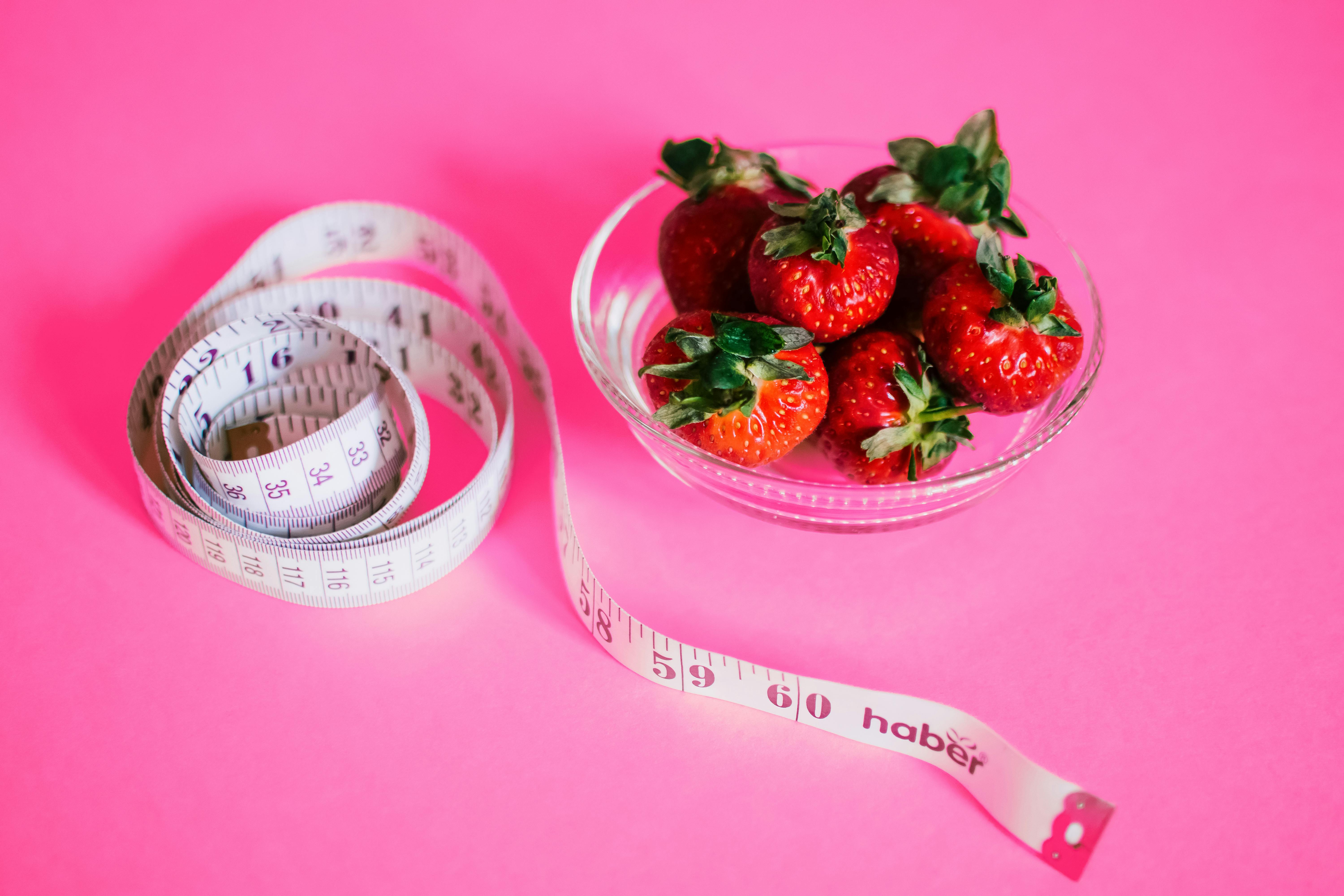
3. Minimizing Ultra‑Processed Foods
Many ultra‑processed foods—chips, sweets, pastries, certain ready‑to‑eat meals—are designed to be incredibly tasty yet low in satiety per bite. They’re often high in refined starches, added sugars, and industrial fats, but relatively low in protein and fiber. People frequently describe these foods as hijacking
their hunger signals.
Satiety‑focused eaters aim to reduce (not necessarily eliminate) these items and emphasize:
- Whole or minimally processed ingredients (e.g., whole fruits, vegetables, grains, beans, nuts, plain dairy).
- Simple snacks like fruit with yogurt, nuts with edamame, or hummus and crunchy veggies instead of cookies or chips.
- Thoughtful use of processed items—like high‑quality canned beans or plain frozen vegetables—that support convenience without sacrificing nutrition.
The Science Behind Satiety: Why Protein and Fiber Help With Weight Management
Satiety‑focused diets are rooted in decades of nutrition research. While individual responses always vary, higher protein and fiber intakes are consistently linked with:
- Better appetite control: Meals rich in protein and fiber slow gastric emptying and boost fullness hormones, which often leads to naturally lower calorie intake.
- Preserved lean mass: During weight loss, adequate protein helps maintain muscle, which in turn supports metabolic health and functional strength.
- Improved metabolic markers: Higher fiber diets are associated with better blood lipids, improved insulin sensitivity, and more stable blood glucose.
- More satisfaction, less white‑knuckling: Feeling genuinely full makes it easier to sustain an eating pattern without constant mental battles over hunger.
Importantly, satiety diets are not about perfection. They’re about stacking the deck in your favor: building meals so satisfying that overeating and random snacking naturally become less tempting.
A Signature Satiety Recipe: High‑Protein, High‑Fiber Mediterranean Lentil Power Bowl
To bring this way of eating to life, let’s build a bowl that checks all the satiety boxes: tender lentils, crisp vegetables, creamy Greek yogurt, and aromatic olive oil and herbs. It’s inspired by Mediterranean flavors, naturally high in protein and fiber, and flexible enough for plant‑based or omnivore variations.
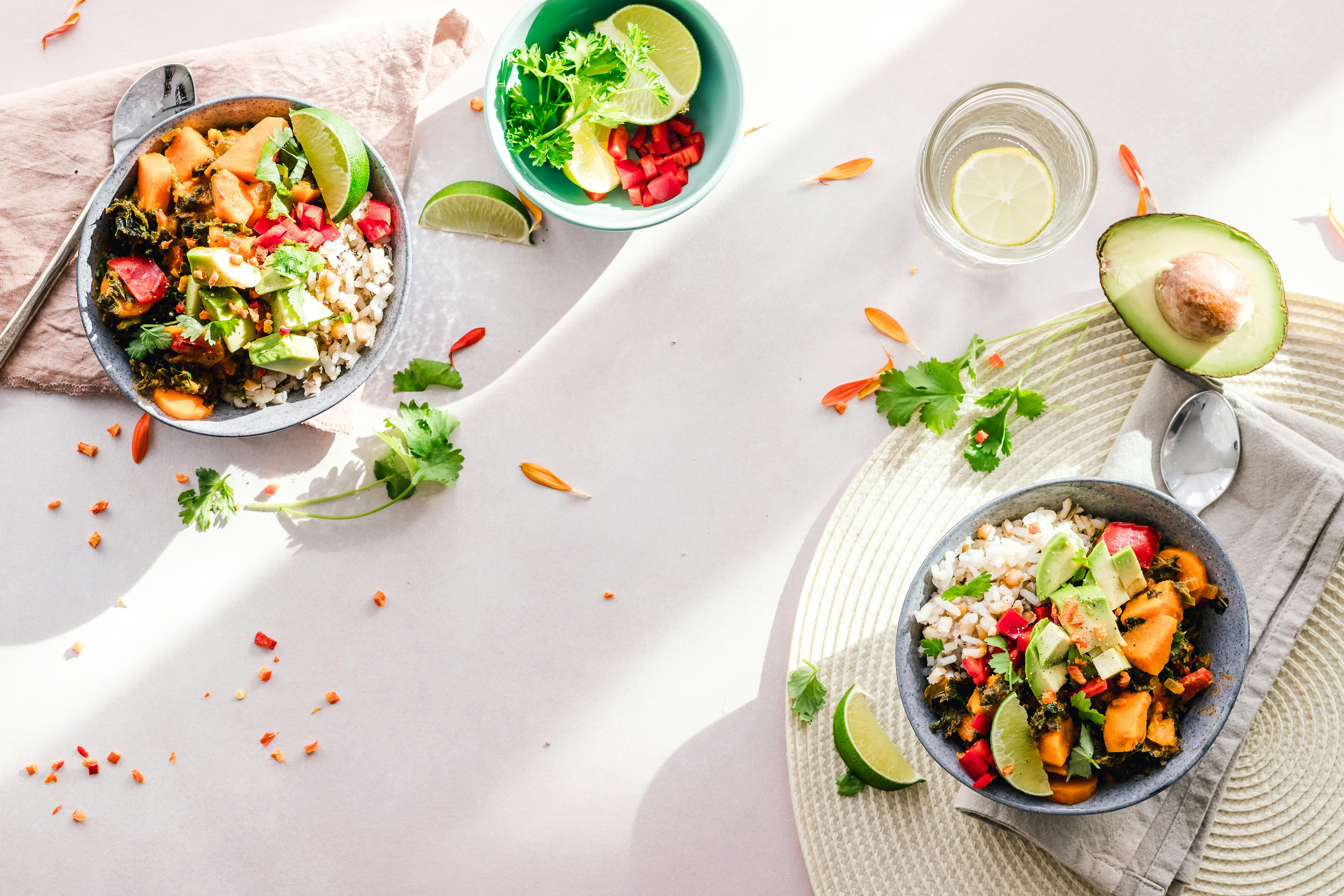
High‑Protein, High‑Fiber Mediterranean Lentil Power Bowl
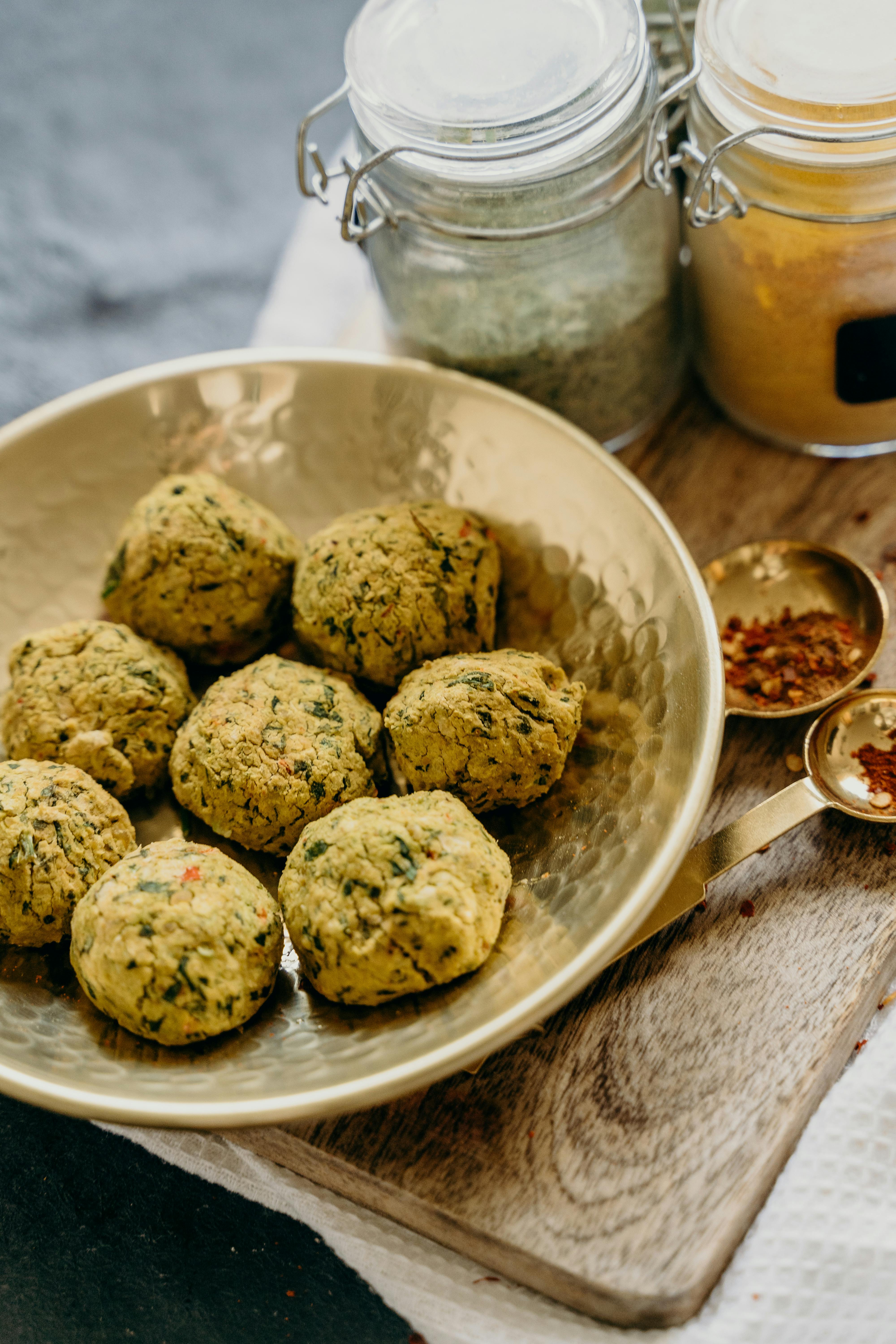

Equipment
- Medium saucepan with lid
- Large skillet or sauté pan
- Cutting board and sharp knife
- Fine‑mesh strainer
- Mixing bowl for dressing
- Serving bowls
Ingredients
For the lentils
- 1 cup (200 g) dry green or brown lentils, rinsed
- 3 cups (720 ml) low‑sodium vegetable or chicken broth (or water)
- 1 bay leaf
- 1 small garlic clove, lightly crushed
- 1/2 tsp fine sea salt (or to taste)
For the vegetable medley
- 1 tbsp extra‑virgin olive oil
- 1 small red onion, finely diced
- 1 red bell pepper, chopped
- 1 medium zucchini, chopped
- 1 cup (150 g) cherry tomatoes, halved
- 2 cups (about 60 g) baby spinach or chopped kale
- 2 cloves garlic, minced
- 1 tsp ground cumin
- 1 tsp smoked or sweet paprika
- 1/2 tsp dried oregano
- Salt and freshly ground black pepper, to taste
For the lemon‑herb yogurt sauce
- 1 cup (240 g) plain Greek yogurt (2% or 0%)
- 2 tbsp fresh lemon juice
- 1 tsp finely grated lemon zest
- 1 small garlic clove, grated or minced
- 2 tbsp chopped fresh parsley, cilantro, or dill (or a mix)
- 1 tbsp extra‑virgin olive oil
- 1/4 tsp fine sea salt
For serving and topping
- 1 cup (160 g) cooked whole grains (quinoa, farro, or brown rice) – optional but great for extra fiber
- 1/3 cup (50 g) crumbled feta cheese, optional
- 1/4 cup (30 g) toasted nuts or seeds (e.g., pumpkin seeds, almonds, walnuts)
- Fresh herbs and lemon wedges, for garnish
Instructions
- Cook the lentils.
In a medium saucepan, combine the rinsed lentils, broth (or water), bay leaf, crushed garlic clove, and salt. Bring to a gentle boil over medium‑high heat, then reduce to a simmer. Cook uncovered for 20–25 minutes, stirring occasionally, until the lentils are tender but not mushy. Drain any excess liquid, discard the bay leaf and garlic, and set aside.
- Sauté the aromatics.
While the lentils cook, heat the olive oil in a large skillet over medium heat. Add the diced red onion with a pinch of salt and cook for 3–4 minutes, stirring now and then, until it softens and starts to smell sweet.
- Add the vegetables and spices.
Stir in the bell pepper and zucchini. Cook for 5–7 minutes until just tender but still bright. Add the cherry tomatoes, minced garlic, cumin, paprika, oregano, and a few grinds of black pepper. Cook for another 2–3 minutes, letting the spices bloom and the tomatoes slump slightly.
- Wilt the greens.
Add the spinach or kale to the skillet. Toss gently until the greens just wilt, 1–2 minutes. Taste and adjust seasoning with more salt, pepper, or a squeeze of lemon if you like extra brightness.
- Make the lemon‑herb yogurt sauce.
In a small bowl, whisk together the Greek yogurt, lemon juice, lemon zest, grated garlic, chopped herbs, olive oil, and salt. The sauce should be creamy, tangy, and fragrant. If you prefer a thinner drizzle, whisk in 1–2 tablespoons of water.
- Warm or prepare the grains (if using).
If you’re including whole grains, warm them gently in a small pot or microwave with a splash of water, fluffing with a fork. This adds extra fiber and chew, but you can absolutely enjoy the bowl grain‑free for a lower‑carb satiety option.
- Assemble the satiety bowls.
Divide the cooked grains (if using) among 4 bowls. Top each with a generous scoop of lentils and a portion of the vegetable mixture. Add a hearty dollop or swirl of lemon‑herb yogurt sauce on each bowl.
- Finish with toppings and serve.
Sprinkle with crumbled feta (if using), toasted nuts or seeds, and extra fresh herbs. Serve with lemon wedges on the side for squeezing over the top. Enjoy warm or at room temperature, savoring the contrast of creamy yogurt, tender lentils, juicy vegetables, and crunchy toppings.
Satiety‑Friendly Variations & Dietary Adaptations
- Vegan / dairy‑free: Swap Greek yogurt for a thick unsweetened plant‑based yogurt (soy or pea for higher protein). Skip the feta or use a dairy‑free option. Add extra toasted nuts or seeds for both crunch and protein.
- Gluten‑free: Use gluten‑free grains such as quinoa, brown rice, or buckwheat, or omit grains entirely and add more lentils and vegetables.
- Higher protein boost: Stir in extra cooked lentils or add grilled chicken, shrimp, or baked tofu on top. A sprinkle of hemp seeds can also raise protein content.
- Lower‑carb focus: Skip the grains and increase non‑starchy vegetables and lentils. You can also replace part of the lentils with grilled chicken or fish for a lower‑carb, high‑protein version.
- Different flavor profiles: Swap Mediterranean spices for curry powder and cilantro, or use chili powder, lime, and avocado for a more Tex‑Mex‑inspired satiety bowl.
Storage & Reheating Tips
This recipe is ideal for meal prep and busy weeks, and it holds up beautifully in the fridge.
- Lentils & vegetables: Store together in an airtight container in the refrigerator for up to 4 days.
- Yogurt sauce: Keep in a separate sealed container for 3–4 days. Stir before using; thin with a splash of water or lemon juice if needed.
- Reheating: Warm the lentils and vegetables gently on the stovetop over low heat or in the microwave until just heated through. Add the yogurt sauce and crunchy toppings after reheating to preserve texture and freshness.
- Freezing: The lentils freeze well for up to 2 months in a freezer‑safe container. The fresh vegetables and yogurt sauce are best made fresh.
Serving Ideas and Complementary Satiety Dishes
This lentil power bowl can stand alone as a complete high‑protein, high‑fiber meal, but it also pairs wonderfully with other satiety‑friendly recipes for a full day of satisfying eating.
- Breakfast: High‑protein overnight oats made with Greek yogurt, chia seeds, and berries; or a veggie‑packed omelet with a side of fruit.
- Snack: Cottage cheese with sliced cucumber and cherry tomatoes; apple slices with peanut butter; roasted chickpeas seasoned with smoked paprika.
- Soup starter: A brothy vegetable and bean soup with herbs makes a light, filling first course before your lentil bowl.
- Fresh side salad: Leafy greens with lemon, olive oil, and pumpkin seeds add extra crunch, fiber, and healthy fats.
Practical Tips for Building Your Own Satiety Diet
You don’t need a perfectly structured meal plan to benefit from satiety‑focused eating. A few guiding principles can take you a long way.
- Anchor each meal with protein. Aim for roughly 25–35 g of protein at breakfast, lunch, and dinner. Think in food terms: a palm‑sized piece of chicken or tofu, a hearty scoop of beans, or a bowl of Greek yogurt with seeds and nuts.
- Fill half your plate with vegetables. Raw, roasted, steamed, or stir‑fried—volume and variety matter more than perfection. The color and crunch add to the pleasure and fullness of the meal.
- Choose fiber‑rich carbs most of the time. Whole grains, beans, lentils, and fruit offer a slow, steady release of energy that pairs beautifully with protein.
- Use fats strategically for satisfaction. A drizzle of olive oil, a handful of nuts, or some avocado can turn a good dish into a deeply satisfying one without overdoing calories.
- Make ultra‑processed foods the exception. Enjoy them mindfully when they truly add joy, not by default at every snack break. Keep your everyday choices built around whole or gently processed options.
