
How to Eat on Ozempic: GLP‑1 Friendly Recipes and the New Ozempic Diet Explained
Ozempic, GLP‑1 Drugs, and a Comforting High‑Protein “Ozempic‑Friendly” Chicken Soup
Ozempic, Wegovy, and other GLP‑1 weight‑loss drugs have completely reshaped the conversation about food, appetite, and long‑term health. When your hunger drops and you fill up after just a few bites, every mouthful suddenly matters. The goal isn’t just losing weight; it’s learning how to nourish your body deeply on less food, manage side effects gracefully, and build habits that last even if you stop the medication.
In this guide, you’ll discover how these GLP‑1 medications interact with what you eat, get practical nutrition strategies from current 2025–2026 guidance, and learn a cozy, high‑protein, low‑grease recipe: a GLP‑1 Friendly Lemon Chicken & Orzo Soup. It’s gentle on the stomach, rich in lean protein, and packed with fiber‑forward veggies—perfect for those “small appetite but need big nutrition” days.
Recipe at a Glance: GLP‑1 Friendly Lemon Chicken & Orzo Soup
Prep Time: 20 minutes
Cook Time: 30 minutes
Total Time: 50 minutes
Servings: 6 small bowls (GLP‑1 appropriate portions)
Difficulty: Easy
Best For: Ozempic / Wegovy / Mounjaro users, high‑protein light meal
This soup is designed for slower gastric emptying and reduced appetite: it’s soft, not greasy, high in lean protein, and has gentle acidity from lemon to keep flavors bright without overwhelming a sensitive stomach.
Understanding Ozempic & GLP‑1 Drugs: Why What You Eat Feels So Different
GLP‑1 receptor agonists like Ozempic and Wegovy (semaglutide), and Mounjaro/Zepbound (tirzepatide), imitate a natural hormone called GLP‑1. Current clinical guidance (updated through 2025–2026) outlines three big effects:
- Slower gastric emptying: Food leaves your stomach more slowly, so you feel full on less and for longer.
- Lower appetite and cravings: Your brain’s “I’m hungry” and “that looks irresistible” signals are dialed down.
- Improved blood sugar control: Helpful in type 2 diabetes and often part of why these meds were created in the first place.
All of this is powerful—but it also means many people on GLP‑1 drugs naturally eat much less. Without a plan, this can lead to:
- Not enough protein (risking muscle loss and “Ozempic face”).
- Low fiber and fluids, which can worsen constipation.
- Inconsistent vitamin and mineral intake if most meals are skipped.
A thoughtful “Ozempic‑friendly” way of eating focuses on getting the most nutrition per bite, with textures and flavors that sit comfortably in a slower, more sensitive stomach.
Key Principles of an Ozempic‑Friendly Diet in 2025–2026
Dietitians and obesity‑medicine clinicians now tend to emphasize the same core principles for GLP‑1 users:
- Prioritize lean protein at every eating opportunity.
Think: eggs, Greek yogurt, tofu, chicken, turkey, fish, lentils, or protein‑fortified dairy alternatives. Even a few ounces can make a big difference for muscle preservation. - Use low‑fat, low‑grease cooking methods.
High‑fat, fried foods often feel heavy and can worsen nausea, reflux, or bloating when gastric emptying is slowed. Grilling, baking, poaching, pressure‑cooking, or air‑frying lightly are friendlier options. - Favor soft, simple, low‑odor foods—especially during dose increases.
Soups, stews, smoothies, mashed potatoes, oatmeal, and bananas are classics because they’re easy to digest and less likely to trigger queasiness. - Increase fiber slowly and steadily.
Vegetables, berries, oats, chia, and flax are fantastic, but ramp up gradually with plenty of water to avoid gas and cramping. - Hydrate like it’s your job.
When you’re not eating much, you’re also not getting much fluid from food. Sip water, herbal tea, or broth through the day. - Be mindful with alcohol.
With smaller food intake, alcohol can hit harder and faster. Many people on GLP‑1s find they tolerate much less than before.
The New “Ozempic Diet” Conversation: Culture, Social Media, and Reality
By 2025–2026, searches for phrases like “Ozempic diet,” “Wegovy meal plan,” and “GLP‑1 friendly foods” have exploded. Celebrities, influencers, and everyday users share “What I Eat in a Day on Ozempic” videos, while others raise concerns about access, cost, and body‑image pressures.
One common thread from long‑term users: “The medication turned down the volume on my cravings—but I still had to decide what to put on the plate.”
Early follow‑up studies suggest that many people regain weight after stopping GLP‑1 drugs if they slip back into old patterns. That’s why building sustainable habits while on the medication—like learning portion awareness, planning protein‑rich meals, and practicing mindful eating—is now a major focus in clinical practice and online communities alike.

A GLP‑1 Friendly Recipe: Lemon Chicken & Orzo Soup
This recipe is inspired by Mediterranean avgolemono soups and classic chicken noodle—light yet deeply comforting. It’s:
- High in lean protein from chicken and optional Greek yogurt.
- Low in added fat, with no cream or frying.
- Soft and gentle in texture, ideal when your stomach feels delicate.
- Bright in flavor thanks to lemon and herbs, so a few spoonfuls still feel satisfying.
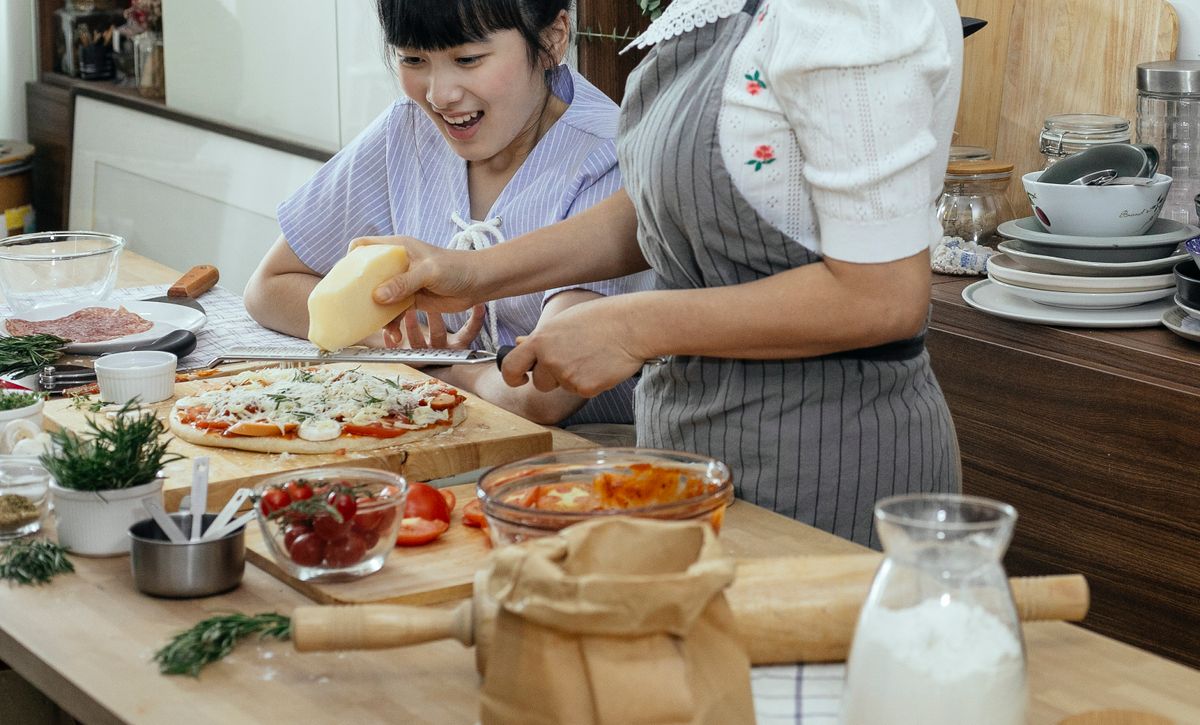
Ingredients for Lemon Chicken & Orzo Soup
Serves 6 small GLP‑1‑sized portions
For a more standard portion, consider this as 4 servings.
Protein & Base
- 1 tbsp olive oil (or neutral oil of choice)
- 1 medium yellow onion, finely diced
- 2 medium carrots, peeled and diced small
- 2 celery stalks, diced small
- 3 cloves garlic, minced (reduce if sensitive)
- 450 g (1 lb) boneless skinless chicken breast or thighs, trimmed of visible fat
- 1.5 L (about 6 cups) low‑sodium chicken broth or stock
- 240 ml (1 cup) water, plus more as needed
Grains & Flavor
- 120 g (2/3 cup) dry whole‑wheat or regular orzo (or small pasta like ditalini)
- 1 large lemon, zest finely grated and juice squeezed (about 60 ml / 1/4 cup)
- 1 bay leaf
- 1 tsp dried oregano or thyme
- 1/2 tsp ground turmeric (optional, for color and warmth)
- Salt and freshly ground black pepper, to taste
Protein Boost & Finish (Optional but Recommended)
- 120 g (1/2 cup) plain 2%–5% Greek yogurt or skyr (or lactose‑free version)
- 2 tbsp fresh dill or parsley, finely chopped
Equipment & Tools Needed
- Large soup pot or Dutch oven (at least 4.5 L / 4–5 quarts)
- Cutting board and sharp chef’s knife
- Wooden spoon or heat‑safe spatula
- Measuring cups and spoons
- Fine grater or microplane for lemon zest
- Ladle for serving
- Small bowl and whisk (if tempering in yogurt)
Step‑by‑Step Instructions
- Sauté the aromatics.
Heat the olive oil in your soup pot over medium heat. Add the onion, carrots, and celery with a small pinch of salt. Cook, stirring occasionally, for 5–7 minutes until the vegetables are softened and the onion is translucent, not browned.

Gently sautéed aromatics create flavor without heavy fats—perfect for slower digestion on GLP‑1 medications. - Add garlic and spices.
Stir in the minced garlic, dried oregano or thyme, and turmeric (if using). Cook for 30–60 seconds until fragrant, stirring constantly so the garlic doesn’t brown.
- Add broth and chicken.
Pour in the chicken broth and water. Add the bay leaf and the whole chicken breasts or thighs. Bring to a gentle boil over medium‑high heat, then reduce to a simmer.
- Simmer until the chicken is tender.
Cover partially and simmer for 15–18 minutes, or until the chicken is cooked through (internal temperature at least 75°C / 165°F). Remove the chicken to a cutting board and let it cool slightly.
- Cook the orzo.
Add the orzo to the simmering broth and cook according to package directions (usually 7–10 minutes), stirring occasionally to prevent sticking. If the soup seems too thick, add a splash more water or broth.
- Shred the chicken.
While the orzo cooks, shred the chicken using two forks into bite‑sized, soft pieces. For very sensitive digestion, you can chop it finely.
- Season and add lemon.
Return the shredded chicken to the pot. Add the lemon zest and about half of the lemon juice to start. Season with salt and pepper to taste. Simmer for 2–3 more minutes, then taste and add more lemon juice if you enjoy a brighter flavor.
- Optional: Temper in the Greek yogurt for extra protein.
In a small bowl, whisk the Greek yogurt until smooth. Ladle in a small amount of hot soup (about 60–80 ml / 1/4–1/3 cup) while whisking continuously to warm the yogurt gently. Then slowly stir this mixture back into the pot off the heat. This keeps the yogurt from curdling and creates a silky, creamy texture without heavy cream.
- Finish with herbs and adjust consistency.
Stir in the fresh dill or parsley. If the soup has thickened too much (the orzo will continue to absorb liquid), thin with additional hot water or broth until it reaches your desired consistency—remember, slightly thinner can be easier to tolerate on a GLP‑1 drug.
- Serve in small bowls and enjoy mindfully.
Ladle into small bowls, about 1 cup per serving, and let it cool slightly before eating. Savor slowly; your fullness cues may appear faster than you’re used to.

Serve in modest portions with extra broth for hydration—a smart strategy when appetite is reduced on GLP‑1 medications.
Ingredient Substitutions & Dietary Adaptations
High‑Protein & Lower‑Carb Modifications
- Lower carb: Swap orzo for cauliflower rice or chopped zucchini added in the last 5–7 minutes of cooking.
- Extra protein: Add an additional 225 g (1/2 lb) of chicken or stir in a scoop of unflavored collagen or whey isolate once the soup is off the heat.
Gluten‑Free Version
- Use gluten‑free pasta, brown rice, or quinoa instead of orzo.
- Confirm that your broth is labeled gluten‑free.
Dairy‑Free or Lactose‑Free
- Skip the Greek yogurt or replace it with a plain, high‑protein plant yogurt or lactose‑free Greek yogurt if tolerated.
- You can simply finish with olive oil and herbs instead of yogurt for a clean, dairy‑free version.
Plant‑Forward / Vegetarian
- Swap chicken for firm tofu cubes or canned chickpeas (add in the last 10 minutes of cooking).
- Use vegetable broth and increase veggies like spinach or chopped green beans.
Storage, Meal Prep, and Reheating Tips for GLP‑1 Users
Refrigeration
- Cool the soup to room temperature, then store in airtight containers.
- Refrigerate for up to 4 days.
- Because orzo absorbs liquid, you may need to add a splash of water or broth before reheating.
Freezing
- For best texture, freeze without the orzo. Cook the broth and chicken, freeze, then cook orzo fresh when reheating.
- Freeze in single‑serve portions for up to 3 months.
Reheating
- Stovetop: Warm gently over low–medium heat until steaming, not boiling, stirring occasionally.
- Microwave: Reheat in 30–45 second bursts, stirring between rounds, until hot.
Serving Suggestions & Complementary Dishes
To create a satisfying, GLP‑1 friendly meal, pair this soup with:
- Half a slice of whole‑grain toast with a thin smear of avocado or light cream cheese, if tolerated.
- A small side of steamed or roasted vegetables (e.g., green beans, zucchini, carrots) dressed with lemon and a drizzle of olive oil.
- A high‑protein snack later in the day—like Greek yogurt, cottage cheese, tofu cubes, or a protein shake—to help hit your daily protein target.

Listen closely to your body: if one day you only manage half a bowl, that’s okay. The beauty of this recipe is that even a modest portion still delivers protein, fluid, and micronutrients.
Long‑Term Maintenance: Eating Well with and After GLP‑1 Medications
Weight maintenance after Ozempic, Wegovy, or Mounjaro is a major research and real‑world focus heading into 2026. Early data show that without supportive nutrition and lifestyle habits, weight regain is common once medications are stopped or doses are reduced.
To stack the odds in your favor:
- Anchor each meal with lean protein and some fiber.
- Practice mindful eating—notice flavors, textures, and fullness instead of rushing through meals.
- Incorporate regular strength training to help preserve muscle mass during weight loss.
- Experiment with a Mediterranean‑style, high‑protein, or plant‑forward pattern that you can imagine keeping for years.
Think of recipes like this soup as practice for the long run: they’re not “diet food,” they’re everyday food that just happens to work beautifully with the physiology of GLP‑1 medications.
Recipe Structured Data (For Search Engines)
The following JSON‑LD describes the Lemon Chicken & Orzo Soup recipe in a machine‑readable format to help search engines understand and feature this GLP‑1 friendly dish:
