
Gut Health 2.0 Comfort Bowl: Microbiome-Friendly Kimchi, Tempeh & Polyphenol Power
Gut Health 2.0 Rainbow Kimchi & Tempeh Bowl (Microbiome-Friendly)
This microbiome-friendly rice bowl brings the “Gut Health 2.0” trend straight to your kitchen: fermented kimchi and miso, fiber-diverse whole grains and beans, and a confetti of polyphenol-rich herbs, veggies, and extra-virgin olive oil. It’s tangy, savory, gently spicy, and deeply comforting—more like a cozy, colorful rice party than a “healthy” chore.
Inspired by Korean kimchi bowls, modern grain bowls, and the social-media push for “30 plants a week,” this recipe is all about diversity over perfection. You’ll be layering flavors and textures—crisp, warm, cool, soft, juicy—into a bowl that loves your gut as much as your taste buds. If you’re new to fermented foods or higher fiber, don’t worry; I’ll walk you through gentle options, swaps, and step-by-step photos.

Gut Health 2.0 in a Bowl: Ferments, Fiber & Polyphenols
The latest gut health wave isn’t about a single probiotic pill; it’s about feeding a diverse microbiome with everyday food. This bowl is designed to hit the three big Gut Health 2.0 pillars:
- Fermented foods (probiotic): kimchi, miso, optional kefir in the dressing.
- Prebiotic fibers: whole grains, beans, onions/garlic, and crunchy veggies.
- Polyphenol-rich plants: colorful veggies, herbs, sesame, and extra-virgin olive oil.
Instead of obsessing over one “superfood,” each ingredient here adds another note to your gut’s microbial symphony. And because slow, gentle increases in fiber are kinder to your digestion, I’ll also show you how to scale the fiber and ferments up or down depending on your comfort level.
Ingredients for Rainbow Kimchi & Tempeh Gut Health Bowl
Exact amounts are for 4 generous bowls. The recipe is naturally vegan and can easily be made gluten-free.
Base (Whole Grains & Beans)
- 1 cup (200 g) dry brown rice or mixed whole grains (e.g., brown rice & barley blend)
- 2 cups (480 ml) water or low-sodium vegetable broth
- 1 cup (165 g) cooked black beans or other legumes, rinsed and drained if canned
- 1 small bay leaf (optional, for aroma)
- 1/4 tsp sea salt, or to taste
Crispy Tempeh & Aromatics
- 8 oz (225 g) tempeh, cut into bite-size cubes or thin strips
- 1 tbsp tamari or low-sodium soy sauce (use tamari for gluten-free)
- 1 tbsp extra-virgin olive oil (plus more for the pan if needed)
- 1 tsp maple syrup or honey (if not strictly vegan)
- 1 tsp rice vinegar or apple cider vinegar
- 1 small garlic clove, minced
- 1/2 tsp ground ginger or 1 tsp freshly grated ginger
- Freshly ground black pepper, to taste
Fermented & Fresh Toppings
- 1–1 1/2 cups (about 200–250 g) kimchi (use vegan kimchi if needed)
- 1 medium carrot, shredded or cut into matchsticks
- 1 small cucumber, thinly sliced
- 1/2 small red cabbage, finely shredded
- 2 green onions, thinly sliced (white and green parts)
- 1/4 cup (30 g) fresh herbs like cilantro, parsley, or shiso, roughly chopped
- 1 tbsp toasted sesame seeds or crushed roasted nuts (such as almonds or peanuts)
Miso-Polyphenol Dressing
- 2 tbsp white or yellow miso paste
- 2 tbsp extra-virgin olive oil
- 2–3 tbsp warm water, to thin
- 1 tbsp rice vinegar or lemon juice
- 1 tsp maple syrup (optional, for balance)
- 1 tsp toasted sesame oil (optional, for fragrance)
- Freshly ground black pepper & a pinch of chili flakes, to taste
Equipment & Tools You’ll Need
- Medium saucepan with lid (for grains)
- Non-stick or cast-iron skillet (for tempeh)
- Cutting board and sharp knife
- Mixing bowl (for dressing and marinating tempeh)
- Measuring cups and spoons
- Grater or mandoline (optional, for carrots and cabbage)
- 4 serving bowls
Step-by-Step Photos: Building Your Gut-Friendly Bowl


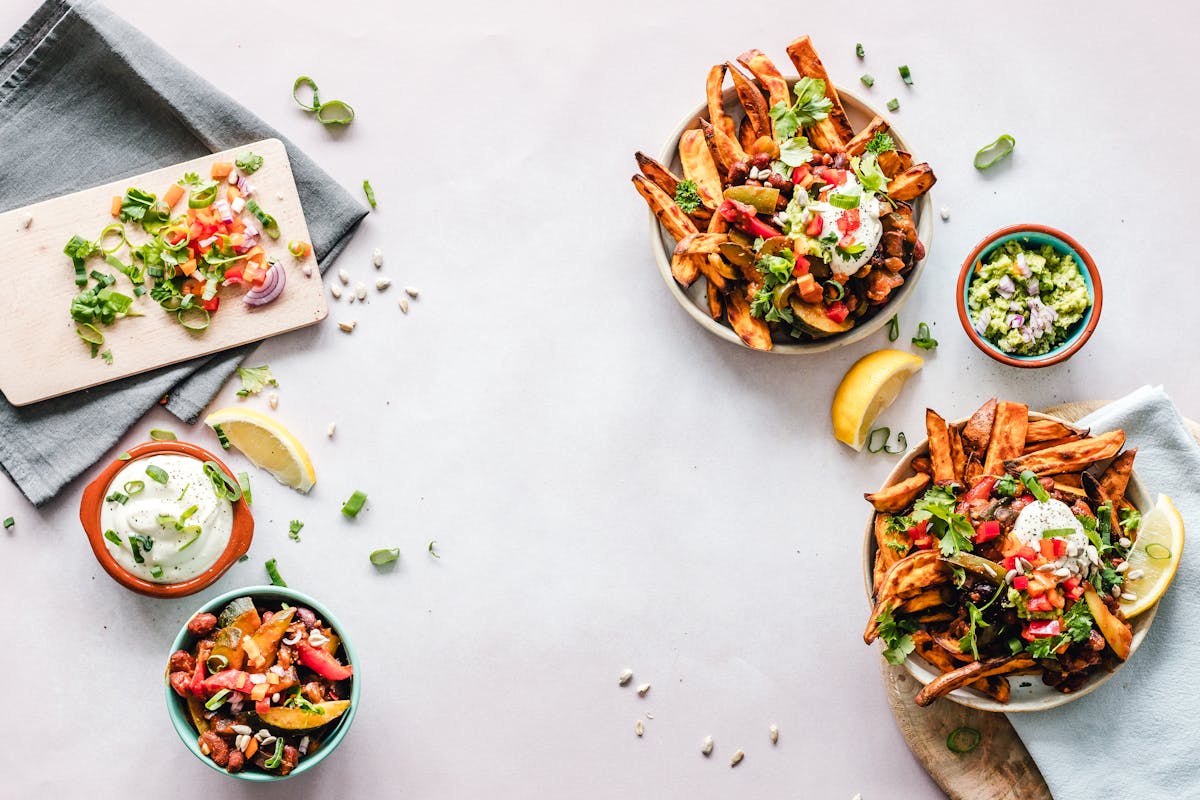
How to Make the Gut Health 2.0 Rainbow Kimchi & Tempeh Bowl
- Cook the whole grains.
Rinse the brown rice (or chosen grains) under cool water until the water runs mostly clear. In a medium saucepan, combine the grains, water or broth, bay leaf, and salt. Bring to a boil over medium-high heat, then reduce to low, cover, and simmer for 25–30 minutes, or until tender and the liquid is absorbed. Turn off the heat, remove the bay leaf, and let stand, covered, for 5–10 minutes to steam. - Warm the beans.
When the grains are nearly done, gently warm the black beans in a small saucepan over low heat with a splash of water or broth and a pinch of salt. You just want them warm and soft, not mushy. This keeps the bowl cozy and easier on sensitive stomachs. - Marinate the tempeh.
While the grains cook, in a mixing bowl whisk together tamari, olive oil, maple syrup, vinegar, garlic, ginger, and black pepper. Add the tempeh pieces and toss to coat well. Let them marinate for at least 10 minutes (up to 30) so they soak up the flavors. - Crisp the tempeh.
Heat a non-stick or cast-iron skillet over medium heat. Add the marinated tempeh along with any remaining marinade. Cook for 6–8 minutes, turning occasionally, until the edges are golden-brown and slightly caramelized. If the pan looks dry, drizzle in a bit more olive oil. Remove from heat and set aside. - Prep the veggies and kimchi.
While the tempeh cooks, shred the carrot and cabbage, slice the cucumber and green onions, and chop your herbs. Drain any excess brine from the kimchi if it’s very wet, but don’t rinse it—you want those flavorful, probiotic-rich juices. - Whisk the miso-polyphenol dressing.
In a small bowl, whisk the miso paste with warm water until smooth. Add olive oil, vinegar or lemon juice, maple syrup (if using), sesame oil, black pepper, and chili flakes. Adjust thickness with a bit more water if needed; it should be pourable but not watery. Taste and tweak the balance of salty, tangy, and sweet. - Assemble the bowls.
Divide the warm grains among 4 bowls. Spoon warm black beans onto each. Arrange crispy tempeh, kimchi, shredded carrots, cabbage, and cucumber in separate “piles” over the grains so the colors pop. Sprinkle with green onions, herbs, and toasted sesame seeds or nuts. - Dress & serve.
Drizzle each bowl generously with the miso dressing right before serving. Taste and adjust with an extra splash of tamari, a squeeze of lemon, or more chili if you like things spicier. Enjoy warm, mixing everything together in your bowl so the grains soak up the tangy, savory dressing and kimchi juices.
Ingredient Swaps, Dietary Adaptations & Variations
Make It Gluten-Free
- Use brown rice, quinoa, or certified gluten-free oats as the grain base.
- Choose tamari instead of regular soy sauce.
- Check that your miso and kimchi are labeled gluten-free.
Protein & Fiber Tweaks
- Swap tempeh for firm tofu, seared chickpeas, or leftover roasted chicken (if not vegan).
- If beans are tough on your digestion, start with a smaller portion (2–3 tablespoons) or use lentils, which some people find gentler.
Different Ferments & Polyphenol Boosters
- Swap kimchi for sauerkraut or a spoonful of fermented hot sauce.
- Drizzle with tahini mixed with lemon and garlic for a Mediterranean twist.
- Add berries or pomegranate seeds for an extra polyphenol punch and juicy sweetness.
- Serve with a side of green tea for more catechin-rich goodness.
“Think of your plate like a garden—different shapes, colors, and flavors mean different fibers and phytochemicals for your gut microbes to feast on.”
Storage, Meal Prep & Reheating Tips
This bowl is fantastic for meal prep; just keep the fresh and fermented components separate until serving.
- Cooked grains & beans: Store together in an airtight container in the fridge for up to 4 days. Reheat gently in the microwave or on the stovetop with a splash of water.
- Crispy tempeh: Keeps in the fridge for 3–4 days. Reheat in a dry skillet over medium heat for a few minutes to re-crisp, or warm in the oven or air fryer at 350°F (175°C) for 5–7 minutes.
- Fresh veggies & herbs: Store separately in containers or zip bags with a paper towel to catch moisture; use within 3 days for best crunch.
- Kimchi: Lives happily in the fridge; it stays safe for weeks and often tastes better as it matures, though it will get tangier over time.
- Dressing: Store in a jar in the fridge for up to 5 days. It may thicken—just add a splash of water and shake.
Serving Ideas & Complementary Gut-Friendly Dishes
Turn this bowl into a complete Gut Health 2.0 meal experience with simple, microbiome-loving additions.
- Breakfast-to-dinner theme: Start the day with yogurt, oats, and berries or a kefir smoothie, then enjoy this kimchi bowl later for a synbiotic (probiotic + prebiotic) one-two punch.
- On the side: Serve with miso soup, a small salad of mixed leafy greens and herbs, or roasted vegetables like Brussels sprouts or broccoli.
- For dessert: Offer a square of dark chocolate (70%+) with fresh berries for a polyphenol-rich, satisfying finish.
- Drink pairing: Try unsweetened green tea, lightly sweetened kombucha, or sparkling water with lemon and mint.

Why This Bowl Loves Your Microbiome
Nutrition research through 2025–2026 keeps pointing toward the same theme: people with more diverse gut microbes tend to have better metabolic health, more resilient immune systems, and sometimes even calmer moods and clearer skin. This bowl nudges you in that direction by:
- Feeding microbes with fiber: Brown rice, beans, and crunchy vegetables deliver different types of fiber that bacteria can ferment into short-chain fatty acids, which support gut lining health.
- Adding live cultures: Kimchi and miso bring lactic acid bacteria and other friendly microbes to the party.
- Layering polyphenols: Herbs, colorful vegetables, sesame, and olive oil contribute antioxidant compounds that many gut microbes love to metabolize.
- Emphasizing balance over restriction: Instead of cutting entire food groups or following extreme elimination diets, this bowl showcases how pleasure and gut support can live in the same spoonful.
As always, if you have specific digestive conditions (like IBD, celiac disease, or are following a medically supervised low-FODMAP plan), work with a dietitian or clinician to adapt recipes like this to your needs. Gut health is personal—your bowl should be, too.
Recipe Metadata
Main Course • Fusion / Korean-inspired • Vegan Diet
