
Euphoria’s ‘Blessing in Disguise’ Turns Rue’s Hustle Into a Horror Show
Euphoria Recap: “Blessing in Disguise” Turns Hustle Into Horror
In “Blessing in Disguise,” Vulture’s recap of the latest Euphoria episode, Rue’s side gig as an underground drug runner curdles into a full‑blown nightmare, while Maddie accidentally becomes Cassie’s fairy godmother of fame. It’s an hour that doubles down on the show’s favorite themes—addiction, image, control—and reminds us why Sam Levinson’s HBO fever dream keeps fueling think pieces, stan wars, and subscriber‑only newsletters like Euphoria Club.
Where We Are in Euphoria Season Three
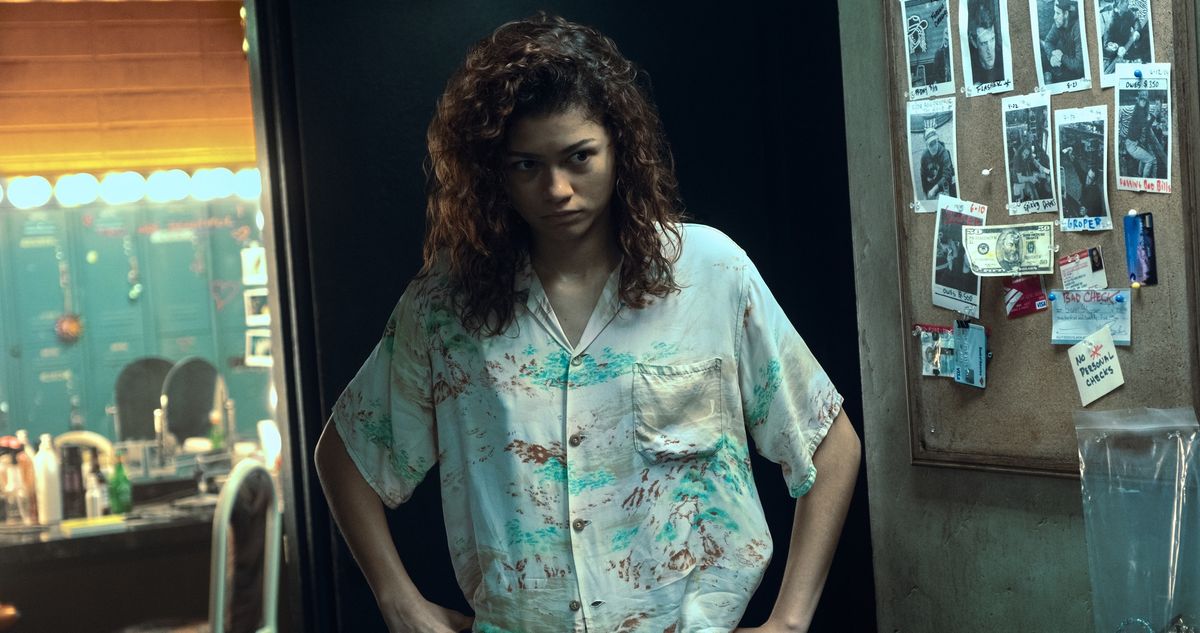
By season three, Euphoria has evolved from moody teen drama to full‑scale cultural Rorschach test. Rue is no longer just a high school student with a drug problem; she’s become a key player in a local distribution chain—a dangerous escalation that turns her relapse into a business decision. Meanwhile, characters like Maddie and Cassie are playing out a different kind of American dream, one built on virality, casting calls, and curated aesthetics.
Vulture’s recap, “Blessing in Disguise,” taps into this split identity. Rue’s storyline plays like a crime thriller where every bad choice comes with compound interest, while Maddie and Cassie’s Hollywood plotline flirts with satire about the entertainment industry’s obsession with youth, chaos, and camera‑ready trauma.
Rue’s Underground Hustle Becomes a Cautionary Tale
The recap underscores how Rue’s “career” as an underground runner stops feeling like a risky side plot and starts reading as a slow‑motion disaster. Her hustle is framed less as glamorous criminality and more as gig‑economy desperation: a teenager trying to monetize her addiction in a world that already monetizes her pain.
Vulture’s description of her nightmarish turn leans into the claustrophobia that has always surrounded Rue. The errands get more dangerous, the people less forgiving, and the physical toll more explicit—right down to injuries that refuse to be shrugged off. The sewn‑up toe detail the recap mentions is a blunt reminder that in Euphoria, the body always keeps the receipts.
Looking at his sewn-up toe in tonight’s Euphoria, Nate Jacobs tells us more about the cost of pretending everything is fine than any monologue ever could.
This is where the show’s relationship with realism gets interesting. The logistics of Rue’s operation don’t always add up, but emotionally, it checks out. Addiction is work—exhausting, repetitive, and increasingly high‑stake. The recap is attuned to that, treating her criminal arc not as “edgy TV” but as an extension of her core problem: she still believes she can outsmart consequences.
Maddie, Cassie, and the Hollywood Fever Dream
On the other side of town—emotionally, if not geographically—Maddie becomes the unlikely architect of Cassie’s Hollywood dream. According to the recap, Maddie “helps Cassie realize her Hollywood dream,” which sounds aspirational until you remember this is still Euphoria, where dreams are usually just prettier nightmares.
The irony is hard to miss. Maddie has been the show’s avatar of curated self‑presentation since day one: the girl who understands that in 2020s America, performance is currency. Cassie, by contrast, is all raw nerve and desperation, forever auditioning for love she never quite gets. Hollywood simply gives her a literal stage for what she’s been doing in every relationship.
- Maddie reads as savvy, almost managerial—she knows where the cameras are and how to play to them.
- Cassie brings the chaos the industry quietly craves: volatility that looks incredible in close‑up.
- Hollywood becomes an extension of East Highland: same dynamics, just better lighting and worse contracts.
Vulture’s recap frames this as a “blessing in disguise,” but the disguise is thin. Yes, there are doors opening and opportunities knocking, but the industry Levinson sketches is one that happily feeds on young women whose boundaries are already blurred.

Nate Jacobs, the Sewn-Up Toe, and the Performance of Masculinity
Even in a recap that focuses on Rue’s criminal spiral and Cassie’s ascent, Nate Jacobs refuses to fade into the background. The image of Nate staring at his sewn‑up toe is pure Euphoria: gruesome but symbolic, a literalized version of what the show keeps doing to him—patching over damage that clearly needs surgery.
Vulture pulls on that thread to suggest that Nate’s body is a visual record of his emotional repression. The toe isn’t just a gross‑out detail; it’s a metaphor for his entire deal: hurt yourself, tape it up, pretend it’s fine. He’s the poster child for the kind of masculinity that can never admit it’s limping.
In a way, Nate’s quiet scenes often carry more charge than his most explosive outbursts. Watching him regard his own injury feels like a mini‑essay on what the show thinks about inherited violence—something that can be cleaned, stitched, and still left to fester.

Sam Levinson’s Visual Language: Fever Dream With a Thesis
The recap nods to Euphoria as an “HBO fever dream,” a phrase that’s basically become shorthand for the show’s maximalist style: hyper‑saturated color, floating camera, and needle drops so on‑the‑nose they feel like a second script. In “Blessing in Disguise,” that style isn’t just aesthetic frosting; it’s how the episode argues with itself.
Rue’s criminal errands are shot like neon‑tinted noir, while Cassie’s Hollywood arc glows with aspirational lighting straight out of an influencer’s mood board. Vulture’s analysis understands that clash as the point: the same visual language that makes addiction look operatic also makes fame look attainable. The viewer is left to sort out which fantasy is more dangerous.
Critics have long argued over whether Euphoria glamorizes its subject matter. Recaps like this one occupy the middle ground, acknowledging the seduction of the show’s images while repeatedly pointing to the wreckage they leave behind.

Cultural Context: Euphoria, Influencer Culture, and the Teen-TV Arms Race
Part of why recaps like Vulture’s land so hard is that Euphoria no longer lives just on HBO. It lives on TikTok edits, Instagram makeup tutorials, and endless discourse about whether any of this represents “real” teen life. “Blessing in Disguise” leans into that ecosystem by making Hollywood an explicit part of the story: the show about being watched becomes a show about trying to be seen professionally.
This episode also slots neatly into the ongoing arms race in teen TV, where authenticity is measured in how far a series is willing to go. Drugs, exploitation, and emotional breakdowns have become genre staples, but Euphoria stands out because it understands that being looked at is now the point for many of its characters. The recap catches that double bind: Rue wants to disappear; Cassie wants to be discovered; both are treated as marketable states.
Strengths, Weaknesses, and the Limits of the “Fever Dream”
Vulture’s recap is clear about what works in “Blessing in Disguise”: the tightening noose around Rue’s choices, the sharp irony of Cassie’s Hollywood break, and the way small physical details (like Nate’s toe) carry heavy thematic weight. It treats the episode as a careful escalation rather than just another hour of stylized suffering.
At the same time, the usual criticisms still apply. The show can feel fascinated by its own despair, lingering so long on beautiful wreckage that it risks numbing its audience. Plot logistics—especially around Rue’s burgeoning “career”—sometimes strain credibility, and the balance between shock value and insight is not always even.
What the recap does well is walk that tightrope: it neither hand‑waves the show’s excesses nor dismisses its ambition. Instead, it reads “Blessing in Disguise” as what Euphoria has become best at: a messy, visually intoxicating fable about how hard it is, in this culture, to know whether you’re being saved or simply rebranded.

Where to Watch and Read More
Euphoria is available on HBO and Max. For cast and episode details, you can visit the official HBO series page or the Euphoria IMDb listing.
The full “Blessing in Disguise” recap, along with previous breakdowns and the subscriber‑only Euphoria Club newsletter, can be found at Vulture’s Euphoria hub.
Final Thoughts: A Blessing, Barely in Disguise
Taken as a whole, Vulture’s “Blessing in Disguise” recap does what the best TV criticism should: it translates a chaotic, visually overwhelming episode of Euphoria into something legible without sanding off its rough edges. Rue’s descent into the logistics of underground dealing, Maddie’s unwitting role in Cassie’s Hollywood pivot, and Nate’s quiet agony all emerge as part of the same argument about what it costs to live your life as content.
As season three barrels ahead, the recap suggests we’re watching a show more self‑aware than it sometimes gets credit for—one that knows its audience is binging, clipping, and overanalyzing every frame. If this episode is any indication, Euphoria is still most interesting when it leans into that tension: a blessing for cultural critics, in a disguise that’s getting thinner by the week.
