
Omarosa’s Reality Check: The Apprentice Reboot Trump World Didn’t Ask For
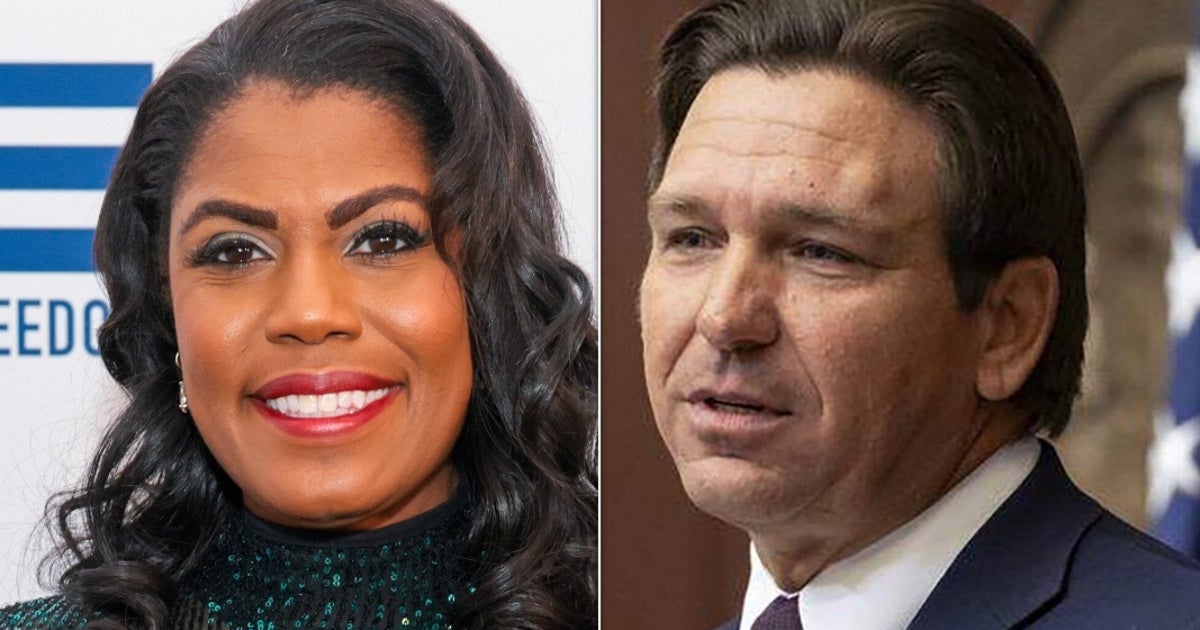
Omarosa Manigault Newman is back in the pop‑culture conversation, and this time she’s mixing political gossip with reality TV nostalgia. In a recent HuffPost-covered appearance, the former The Apprentice contestant and Trump White House adviser dropped a “little-known fact” about Ron DeSantis’ brush with the show and threw shade at the idea of Donald Trump Jr. hosting a potential reboot—while suggesting a different Trump might actually have the chops for it.
The result is a very 2020s moment: a crossover event where legacy reality TV, MAGA politics, and reboot culture all collide. Whether or not The Apprentice ever returns, Omarosa’s comments offer a sharp reminder of how deeply Donald Trump’s original NBC series reshaped the relationship between politics, celebrity, and television.
How The Apprentice Became Trump’s Launchpad
Before Donald Trump became a U.S. president, he was a reality TV boss. NBC’s The Apprentice, which debuted in 2004, framed him as the ultimate dealmaker, perched in a Manhattan boardroom and punctuating episodes with the now-infamous catchphrase: “You’re fired.” The show polished Trump’s public persona, turning decades of tabloid familiarity into a mainstream, almost aspirational brand.
Omarosa, cast as a hyper-competitive villain, was central to that mythmaking. She went from contestant to recurring figure in Trump’s orbit, ultimately joining his 2016 presidential campaign and his administration before becoming one of its harshest critics. Her vantage point—a rare blend of reality TV insider and West Wing staffer—makes her commentary on any future Apprentice reboot unusually loaded.
The modern fascination with a reboot isn’t just about television; it’s about whether that old formula—boardroom drama, alpha branding, and celebrity apprentices—could still work in a landscape now dominated by streaming, TikTok, and political fatigue.
The Ron DeSantis Connection: A “Little-Known Fact”
One of the most eyebrow-raising bits from Omarosa’s recent remarks was her claim about Florida Governor Ron DeSantis and The Apprentice. According to her, DeSantis brushed against Trump’s TV universe in a way most viewers never knew—a tidbit that neatly illustrates how deeply reality TV has seeped into U.S. political culture.
“People don’t realize how many politicians tried to get close to that show. It wasn’t just about TV—it was about proximity to Trump’s brand.”
Whether DeSantis seriously courted an Apprentice cameo or merely circled the orbit, Omarosa’s framing suggests that, in the mid-2000s and early 2010s, Trump’s NBC platform was a kind of pre-MAGA audition stage. Appearing on or near the show signaled a desire to tap into Trump’s audience long before he launched a presidential campaign.

In cultural terms, that “little-known fact” matters less as a gotcha and more as evidence of a trend: politicians treating entertainment platforms as soft power vehicles. DeSantis, like others, understood that reality TV wasn’t trivial—it was an arena where narratives and identities were shaped in front of millions.
Who Should Host a Reboot? Omarosa Says Not Don Jr.
The juiciest part of Omarosa’s take concerns who might helm a hypothetical Apprentice reboot. Donald Trump Jr. has long been floated in MAGA circles as the natural heir to his father’s TV legacy. Omarosa, blunt as ever, isn’t buying it.
“Being the boss on television is not just about the name on the building. It’s about presence, timing, and knowing how to control the room. Not everyone in that family has it.”
Without leaning into personal attacks, her skepticism implies that Trump Jr. lacks the particular on‑camera authority that defined the original series. The elder Trump’s persona—equal parts showman and disciplinarian—was the engine of The Apprentice. Remove that, and the show risks becoming generic boardroom cosplay.
More intriguing is Omarosa’s suggestion that another Trump family member might actually fit the role better. While she avoids turning it into a full-on casting session, it’s easy to read between the lines: she’s pointing toward someone with a more controlled media image and boardroom-adjacent brand, not just political notoriety.
From an industry perspective, any reboot would face a hard question: Is the “Trump” brand an asset or a liability in 2026? Some viewers might tune in out of curiosity; others might stay away on principle. A non-political Trump family member, or even a non-Trump celebrity CEO, might be a calmer bet for mainstream advertisers.
When Reality TV and Politics Collide
Omarosa’s commentary lands at a time when the line between political coverage and celebrity culture is paper-thin. From cable news panels to viral clips on X and TikTok, former aides and insiders are now part of an ongoing, serialized post-Trump narrative. Her stories about DeSantis and the Trump family function less as isolated scoops and more as episodes in a long-running meta‑series about “How We Got Here.”
The Apprentice also helped pioneer a specific type of aspirational capitalism on TV: contestants fought for proximity to a brand rather than for a standalone prize. In retrospect, that setup feels like a preview of the influencer economy and modern political branding, where visibility is often the real win.

Omarosa, by moving from contestant to staffer to commentator, embodies that crossover. She is both a product of the reality TV era and a critic of the political machinery it helped energize. Her latest remarks aren’t just gossip; they’re a reminder of how deeply the Trump TV universe still shadows U.S. politics.
Would a 2026 Apprentice Reboot Even Work?
Setting aside the politics, how viable is an Apprentice reboot in 2026? The entertainment landscape has changed radically since the mid‑2000s, but the core ingredients—competition, charisma, and conflict—are still very much in demand.
- Strengths: Nostalgia, a built‑in brand, and a clear format that many viewers still remember.
- Weaknesses: Heavy political baggage, shifting viewer habits (binge culture, short-form video), and a more skeptical audience toward “billionaire boss” fantasies.
From a production standpoint, any network or streamer considering the property would have to navigate advertiser concerns and brand safety. You can’t simply dust off the old opening credits and call it a day. The show would likely need:
- A host who can project authority without alienating large chunks of the audience.
- Updated tasks that reflect today’s economy—startups, creators, sustainability, tech platforms—rather than just old-school real estate deals.
- A narrative that acknowledges, but doesn’t drown in, the Trump legacy.

Omarosa’s skepticism about Trump Jr. as host hints at a broader industry truth: recognizable names aren’t enough anymore. In an oversaturated market, audiences expect authenticity, self-awareness, and at least a nod to how much the world has changed since 2004.
How Critics and Viewers Are Reading Omarosa’s Comments
Reaction to Omarosa’s latest round of revelations has been predictably split along familiar lines. Trump critics tend to embrace her as a belated truth-teller; Trump loyalists often dismiss her as opportunistic. Culturally, though, it’s hard to ignore how consistently she has remained part of the Trump-adjacent conversation.
A television critic quoted in coverage of her comments put it this way: “Omarosa understands that, for better or worse, Trump-era politics is being remembered as television. She’s giving commentary on the reruns while we’re still in syndication.”
That framing feels accurate. Her remarks about DeSantis, Trump Jr., and a possible reboot function as DVD extras to a show that never really ended; it just moved from NBC’s lineup to cable news, podcasts, and social feeds.
From an objectivity standpoint, it’s worth noting that Omarosa is also a brand. Books, interviews, and commentary are part of her post‑White House career. That doesn’t invalidate her insights, but it does situate them: she’s narrating a world she helped create—and profited from—while also critiquing it.
Beyond the Boardroom: Why This Still Matters
Omarosa’s latest “little-known fact” about Ron DeSantis and her side‑eye at Donald Trump Jr. as a potential Apprentice host aren’t just stray reality TV anecdotes. They’re part of a longer story about how entertainment logic reshaped American politics—and how that transformation is still rippling through our culture in 2026.
Whether a reboot ever happens, the very idea of one forces some awkward but necessary questions: Who gets to tell the story of the Trump years? Can a franchise so closely tied to a polarizing figure be successfully rebranded? And what does it say about us if we’re eager to return to that boardroom, even as we’re still living with its real‑world consequences?
For now, Omarosa remains one of the few people who can plausibly connect the dots between NBC soundstage drama and Oval Office decisions. As long as there’s an appetite for that crossover—part political autopsy, part reality recap—her voice, and the specter of The Apprentice, won’t be leaving the cultural conversation anytime soon.
