
Why Streaming Feels Broken: Bundles, Ads, and the Rise of Creator-First Platforms
The streaming boom that defined the 2010s has given way to a more complex, fragmented reality. Subscribers are juggling half a dozen video and audio apps, prices are rising, and the original promise of “all the content you love, ad‑free” is quietly disappearing. At the same time, creator-driven platforms like YouTube, TikTok, and Spotify are siphoning attention away from traditional studios and networks, giving individual creators leverage that would have been unthinkable in the cable era.
This piece unpacks the emerging “fragmented future” of streaming: why bundles are back, how ad-supported tiers are becoming the default, and why creator-led content is increasingly the centerpiece of competition. Drawing on recent coverage from TechCrunch, The Verge, Wired, and other tech and media outlets up to early 2026, we’ll explore the business models, technologies, and power dynamics behind this noisy realignment.
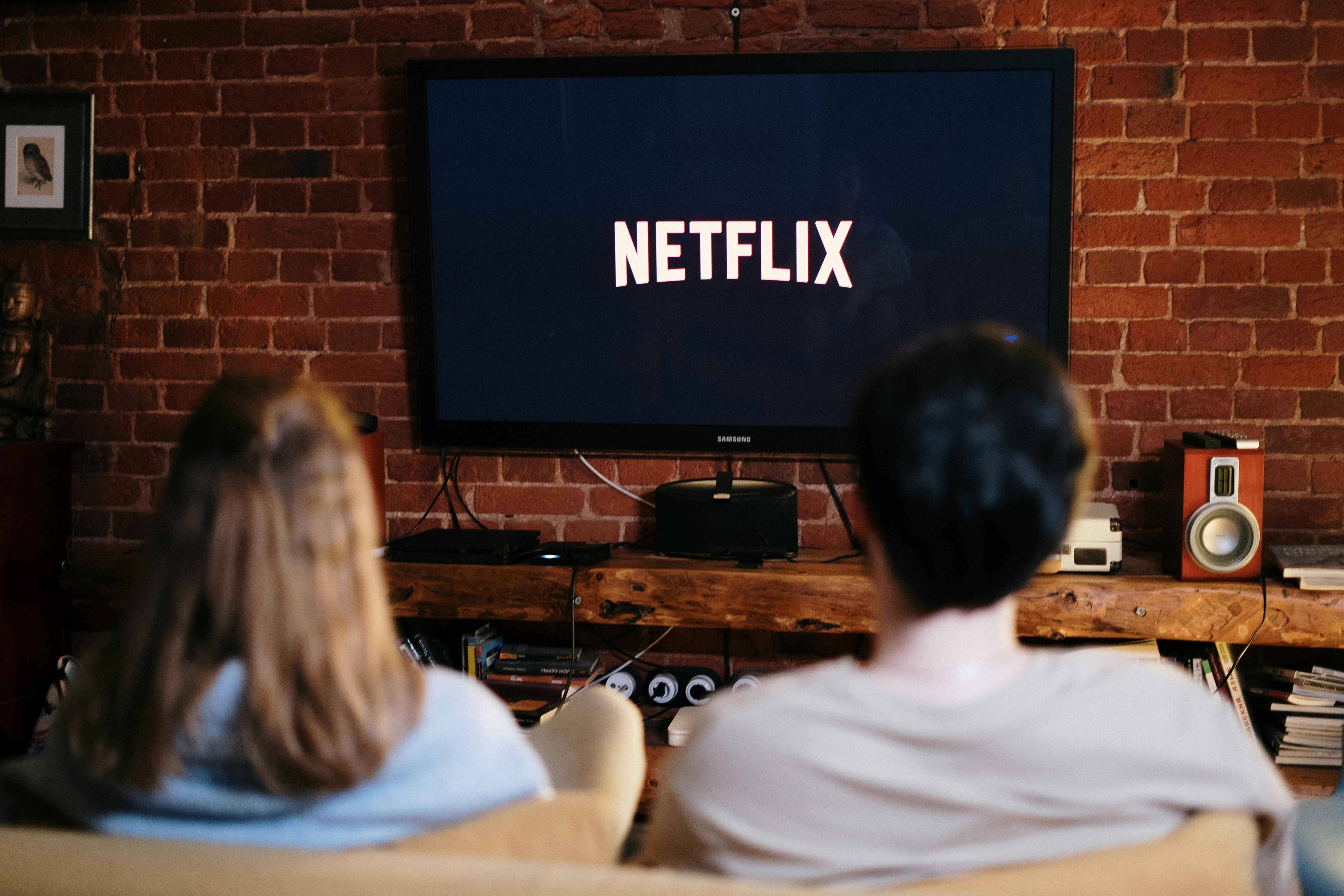
Mission Overview: From Streaming Wars to Streaming Realignment
Over the last decade, the “streaming wars” were framed as a land‑grab: whoever amassed the most subscribers and exclusive content would win. By 2024–2026, that narrative has shifted. Growth is slowing in mature markets, content costs have exploded, and investors expect profits, not just scale. Platforms are now optimizing for revenue per user, time spent, and cross‑ecosystem lock‑in rather than raw subscriber counts.
The new mission for major players is threefold:
- Stabilize revenues with bundles, price hikes, and ad-supported plans.
- Maximize engagement via recommendation systems, exclusive drops, and multi-format content (video, audio, live, interactive).
- Control the creator funnel by owning tools, analytics, and monetization rails that keep talent on-platform.
“The race is no longer just about who has the best shows; it’s about who can build the most durable ecosystem around those shows.” — Media analyst quoted in The Verge
Subscription Fatigue and the Return of Bundles
Subscription fatigue is one of the defining consumer stories in streaming. Surveys across 2024–2025 show households routinely subscribing to 4–7 paid services, with many reporting “subscription regret” and active churn between platforms depending on marquee shows or sports rights.
How Fragmentation Broke the Streaming Promise
The unbundling of cable initially felt liberating: pay only for what you want. But as every major studio launched its own service—Disney+, Max, Peacock, Paramount+, and others—the viewing experience became fragmented:
- Hit shows rotate between platforms due to expiring licensing deals.
- Regional rights mean some titles are unavailable or split across providers.
- Recommendation data is siloed, so each app “forgets” what you’ve watched elsewhere.
This fragmentation has pushed many viewers back toward a simple question: “Why can’t this all just be in one place?”
The New Bundling: Telecoms, Hardware, and Cross‑Service Deals
To reduce churn and boost perceived value, companies are assembling modern bundles that resemble cable, but with a tech spin:
- Telecom and ISP bundles – Mobile carriers and broadband providers increasingly include streaming packages (e.g., a mix of video and music services) in premium plans.
- Hardware ecosystem bundles – Smart TV makers, console platforms, and device ecosystems use free months or discounted stacks (e.g., multiple apps pre‑bundled) to keep users tied to their hardware and app stores.
- Cross‑service partnerships – Platforms experiment with joint tiers (e.g., discounting if you subscribe to both a video and music service together) and shared ad‑selling to improve margins.
“We spent a decade unbundling cable just to rebuild it in app form.” — Commentary highlighted by Recode
The irony is clear: the industry is slowly recreating cable-like bundles, but this time the gatekeepers are tech platforms, telecoms, and device ecosystems rather than traditional pay-TV operators.
Technology and Economics of Ad-Supported Tiers
As subscriber growth slows, ad-supported tiers have become central to streaming economics. Instead of a binary “paid vs free,” we now see a spectrum:
- Premium, ad‑free (highest price per month).
- Standard with light to moderate ads.
- Free or near‑free, heavily ad‑supported, often with content limits or lower resolution.
Why Platforms Love Ads Again
From the platform perspective, hybrid and ad-supported plans:
- Unlock price-sensitive segments that might otherwise churn.
- Boost lifetime value via both subscription and advertising revenue.
- Offer predictable, recurring income for investors accustomed to SaaS-like metrics.
Wired, TechRadar, and others have detailed the privacy and UX trade-offs that accompany this shift, especially as platforms ramp up personalization and cross-device tracking to maximize ad yield.
Ad Tech Under the Hood
Modern streaming ad systems rely on:
- Dynamic ad insertion (DAI) – Ads are stitched into streams in real time based on viewer profile, location, and campaign constraints.
- Identity graphs and clean rooms – Privacy-conscious ways for advertisers and platforms to match audiences without sharing raw user data.
- Attention and completion metrics – Beyond impressions, platforms optimize for whether an ad was fully watched, muted, or skipped.
“The more streaming TV looks like the open web, the more it inherits the web’s surveillance advertising problems.” — Analysis in Wired
Viewers increasingly voice concerns on X/Twitter and Reddit about rising ad loads, repetitive spots, and the erosion of the “ad-free escape” that once differentiated streaming from broadcast TV.
Creator-Driven Platforms: YouTube, TikTok, and Spotify
While subscription services wrestle with economics, creator-led platforms are capturing cultural momentum. In practice, a growing share of daily screen time is spent not on big-budget dramas but on mid-tier creators, podcasts, niche experts, and entertainment personalities across YouTube, TikTok, and Spotify.

YouTube: The Default Video Platform
YouTube now straddles almost every format: long‑form videos, Shorts, live streams, podcasts, and even TV-like experiences via YouTube TV. It is simultaneously:
- A search engine for “how‑to” content.
- A social network via comments, Community posts, and live chat.
- A streaming TV replacement for many cord‑cutters.
Its recommendation engine and massive back catalog mean creators can build durable audiences, with ad revenue sharing, channel memberships, Super Chats, and sponsor integrations all contributing to income.
TikTok: Short-Form Roots, Long-Form Ambitions
TikTok’s initial advantage was its ultra‑short, algorithmically curated clips. By 2025, the platform is aggressively pushing:
- Longer videos (up to several minutes and beyond).
- Live shopping and commerce integrations.
- Series‑style content and episodic storytelling.
For creators, TikTok’s virality is unmatched, but monetization has lagged behind YouTube. As a result, many successful creators use TikTok primarily as a discovery funnel, driving fans to YouTube, Patreon, Substack, or their own shops.
Spotify: At the Crossroads of Audio, Video, and Social
Spotify’s evolution from music-only to a broader “audio platform” has been extensively covered by TechCrunch and The Verge. It now spans:
- Music streaming with personalized playlists like Discover Weekly and Release Radar.
- Podcasts, including both licensed hits and independent shows.
- Audiobooks, often bundled in with subscription tiers.
- Video podcasts and short-form clips to aid discovery.
Musicians and podcasters regularly debate royalty structures and discovery algorithms on X/Twitter and TikTok. The central tension: Spotify gives unprecedented distribution but keeps creators deeply dependent on its opaque recommendation systems.
“Ownership of the audience is the new master right. Platforms that mediate every relationship between creator and fan also mediate every dollar.” — Commentator in TechCrunch
Monetization Models: How Mid-Tier Creators Build Businesses
A crucial shift in this fragmented future is the rise of the sustainable mid‑tier creator—people who may never become global celebrities but can earn a solid living from a portfolio of income streams.
Diversified Revenue Stacks
Modern creator businesses typically combine:
- Ad revenue sharing from YouTube, Spotify podcasts, or TikTok’s evolving monetization programs.
- Sponsored integrations with brands that align with their niche.
- Memberships and subscriptions via Patreon, channel memberships, or proprietary platforms.
- Affiliate links to products, courses, and tools.
- Direct product sales such as merch, digital downloads, or paid communities.
For creators serious about audio and video quality, hardware investments pay off. For instance, the Shure MV7 podcast microphone is a popular choice among U.S.-based streamers and podcasters thanks to its USB/XLR flexibility and broadcast-grade sound.
Similarly, many creators pair a reliable mirrorless camera with a capture card. Gear like the Sony a6400 mirrorless camera has become a go‑to for YouTube setups for its fast autofocus and compact form factor.
Multi-Platform Strategies
Because algorithmic feeds are unpredictable, resilient creators avoid putting all their eggs in one basket. A common approach:
- Use TikTok, Reels, and Shorts for discovery.
- Drive deeper engagement on YouTube or a podcast feed.
- Capture email addresses or community sign‑ups for direct communication.
- Monetize through a mix of platform tools and off‑platform products.
“Followers on a platform are borrowed attention. An email list or your own site is owned attention.” — Advice frequently echoed by creator educators on YouTube and LinkedIn
Technical Foundations: CDNs, Algorithms, and Infrastructure
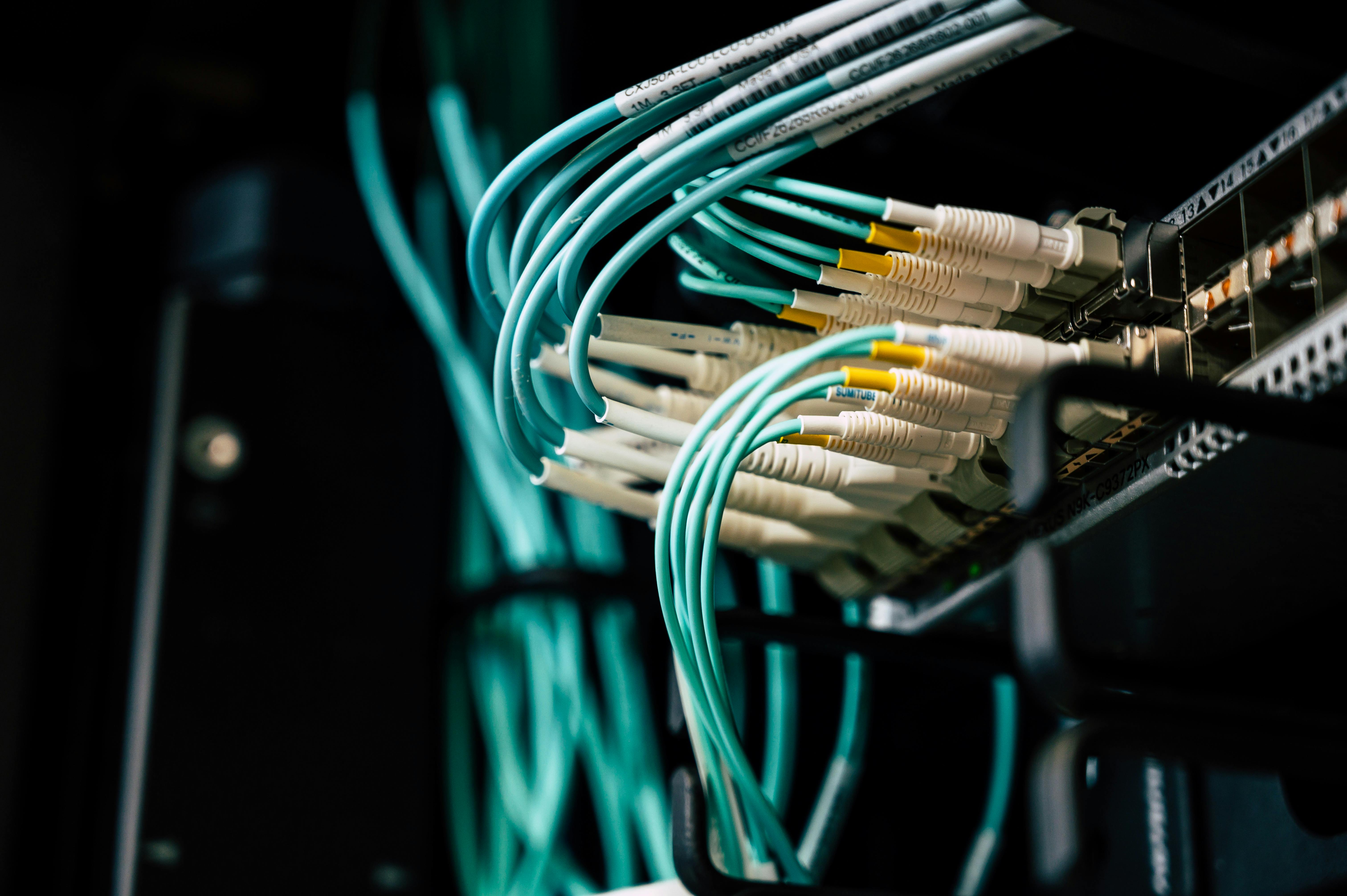
Beneath the shiny interfaces, the streaming realignment is powered by formidable infrastructure: global content delivery networks (CDNs), ranking algorithms, data pipelines, and encoding stacks. Discussions on Hacker News and engineering blogs often focus less on shows and more on the scaling challenges behind them.
CDNs and Cost Structures
Streaming video is bandwidth‑intensive. Major services rely heavily on CDNs to deliver content close to users. Key considerations include:
- Bitrate and codec choices (e.g., AV1, HEVC) to balance quality and data usage.
- Edge caching strategies for popular shows and live events.
- Peering agreements with ISPs to minimize latency and costs.
Small changes in compression efficiency can save millions in bandwidth for large platforms, which helps explain the aggressive industry push toward newer codecs and adaptive bitrate streaming.
Recommendation Systems and Winner-Take-Most Dynamics
Algorithmic feeds on YouTube, TikTok, and Spotify drive a “winner‑take‑most” dynamic. A small percentage of content captures a disproportionate share of attention, while the long tail competes for scraps. Technical ingredients include:
- Collaborative filtering based on user behavior similarities.
- Representation learning of content and user embeddings.
- Multi‑objective optimization balancing watch time, satisfaction surveys, and diversity of recommendations.
“Recommenders don’t just reflect what we like—they actively shape what we think is worth liking.” — Comment frequently echoed in Hacker News discussions
These systems are optimized primarily for engagement and retention, not necessarily for creator equity or user well‑being, which has sparked calls for greater transparency and user control over algorithmic feeds.
Open Protocols, Decentralized Dreams, and Real Constraints
Periodically, the streaming discourse turns to whether open protocols or decentralized platforms could challenge the dominance of closed ecosystems. Proposals range from ActivityPub‑style federated video (e.g., PeerTube) to decentralized storage using IPFS or similar technologies.
Why Decentralized Streaming Is Hard
Hacker News and technical forums often highlight several obstacles:
- Economics – Covering CDN-scale traffic and storage for high‑bitrate video is expensive, and business models for decentralized hosting remain immature.
- Network effects – Creators and audiences gravitate to where everyone else already is, reinforcing incumbents.
- Rights management – Handling copyright, takedowns, and regional licensing across decentralized networks is legally complex.
While open protocols are making inroads in text‑based social (e.g., Mastodon, Bluesky), video and premium audio remain dominated by platforms with deep pockets and strong content deals.
Where Openness Might Still Win
Nonetheless, there are niches where openness matters:
- Educational and public domain content distributed via university or library networks.
- Independent documentary and news projects that prioritize resilience over scale.
- Developer communities experimenting with interoperable metadata, open analytics, and shared recommendation models.
Initiatives like the W3C Media and Entertainment Interest Group continue to explore standards that could make it easier for smaller players to interoperate with larger ecosystems.
Scientific and Societal Significance of the Streaming Shift
Beyond business strategy, the streaming realignment has meaningful social and scientific implications. Streaming platforms are effectively large-scale social experiments in attention allocation, recommendation design, and human–computer interaction.
Attention as a Quantified Resource
Researchers in cognitive science and behavioral economics study how binge‑friendly interfaces and autoplay features affect:
- Time perception and sleep patterns.
- Impulse control and reward-seeking behavior.
- Information diets and polarization.
Longitudinal work cited by media scholars and reported in outlets like Wired suggests that “lean-back” interfaces can lead to significantly more default engagement than explicit play‑by‑choice designs.
Global Cultural Exchange and Fragmentation
Streaming has accelerated cross-border flows of culture—think Korean dramas, Spanish‑language hits, or niche podcasts gaining global followings. Yet algorithmic segmentation can also isolate audiences into hyper‑specific content bubbles.
“We have more access to global culture than ever, but recommendation engines often shrink our world to what they already know we’ll like.” — Media scholar quoted in Wired
Understanding and improving these systems is now a multidisciplinary effort spanning machine learning, human‑computer interaction, psychology, and media studies.
Milestones in the Fragmented Streaming Era
Between 2023 and early 2026, several milestones mark the transition from pure subscription growth to complex hybrid models:
- Most major video streamers introduce or expand lower‑priced ad tiers, with adoption growing particularly in cost-sensitive markets.
- YouTube formalizes podcast support and continues to push Shorts, closing the gap with TikTok in short‑form attention while remaining dominant in long‑form video.
- TikTok tests and scales various revenue-sharing schemes for longer videos and live commerce, especially in regions like Southeast Asia.
- Spotify doubles down on podcasts and audiobooks, experimenting with bundling and “freemium” models that mix ad-supported and premium content.
- Telecom‑streaming bundles proliferate, offering combined mobile data, cloud storage, and multiple streaming apps at a packaged discount.
Each of these milestones points toward a more layered ecosystem where content, distribution, and monetization are intertwined across multiple services and modalities.
Challenges: Fragmentation, Privacy, and Platform Dependence
The realignment brings opportunities but also non‑trivial challenges for users, creators, and regulators.
User Challenges
- Content discovery overload – With so many apps and feeds, simply figuring out “what to watch or listen to” becomes a daily chore.
- Rising total cost – Even with cheaper ad tiers, the cumulative cost of multiple subscriptions and in‑app purchases can exceed legacy cable bills.
- Privacy concerns – More pervasive tracking, cross‑device targeting, and data sharing for ad optimization raise understandable concerns.
Creator Challenges
- Algorithm volatility – Small tweaks to recommendation systems can dramatically change traffic and income overnight.
- Revenue unpredictability – Ad markets are cyclical, and sponsorship budgets can be cut quickly during downturns.
- Platform lock‑in – Building on a single platform can be risky if policies, payouts, or ranking rules change.
Regulatory and Market Risks
Governments and regulators are increasingly scrutinizing:
- Market concentration and potential anticompetitive bundling.
- Children’s exposure to targeted ads and addictive design patterns.
- Transparency around algorithmic amplification of harmful or misleading content.
These pressures are likely to shape future product decisions, especially around privacy controls, ad disclosures, and parental tools.
Practical Navigation Tips for Viewers, Listeners, and Creators
For everyday users and aspiring creators, understanding the new streaming landscape can translate into better choices and less frustration.
For Consumers
- Audit your subscriptions quarterly – Cancel services you haven’t used in the last month; you can always re‑subscribe for a specific show.
- Use watchlists and unified search – Tools like JustWatch or built‑in smart TV aggregators can reduce friction.
- Balance ad‑free and ad‑supported – Reserve ad-free tiers for apps you use daily; accept ads on lower‑priority services.
- Harden privacy settings – Opt out of personalized ads when possible, and review cross‑app tracking permissions on your devices.
For Creators
- Start simple, then scale – A solid USB mic and basic lighting beat an over‑engineered setup you don’t know how to use.
- Repurpose content smartly – Turn a long-form YouTube video into Shorts, TikToks, and podcast clips rather than reinventing the wheel for each platform.
- Own at least one channel – Maintain a website, newsletter, or community space that you control, separate from any single platform.
- Track metrics that matter – Focus on retention, returning viewers, and audience feedback, not just raw views or follower counts.
For creators ready to step up production value, tools such as the Elgato Stream Deck can streamline live switching, scene changes, and audience interactions during streams.
Conclusion: An Unsettled, Fragmented, and Surprisingly Open Future
The future of streaming is not a neat end state where “one platform wins.” Instead, it looks like a constantly shifting mosaic of subscription bundles, ad‑funded tiers, and creator‑first ecosystems. Viewers will continue to mix premium shows with user‑generated content; creators will continue to arbitrage attention across platforms; and companies will keep experimenting with price, packaging, and personalization.
If there is a single constant, it is that control over distribution—and over the relationship between creator and audience—remains the primary source of power. Whether open standards or regulatory pressure can rebalance that power away from a handful of gatekeepers remains an open question.

In the meantime, educated non‑specialists can benefit by understanding the incentives driving bundles, ads, and algorithms—and by making deliberate choices about what to subscribe to, what to tolerate, and whom to support directly.
Additional Resources and Further Reading
To dive deeper into the evolving streaming landscape, consider exploring:
- The Verge’s Streaming Coverage Hub for ongoing news on video and audio platforms.
- TechCrunch’s Streaming and Creator Economy Articles for business and startup perspectives.
- Wired’s Streaming and Media Features for longer-form analysis of cultural and technical impacts.
- YouTube Creators Learning Center for official guidance on building sustainable video channels.
- Spotify for Podcasters for analytics and monetization tools tailored to audio creators.
For a more academic treatment, media and communication journals regularly publish work on algorithmic curation, streaming economics, and the creator economy, often with open‑access preprints available on repositories like arXiv or institutional archives.
References / Sources
- TechCrunch – Streaming and creator economy coverage: https://techcrunch.com/tag/streaming/
- The Verge – Streaming section: https://www.theverge.com/streaming
- Wired – Streaming and media analysis: https://www.wired.com/tag/streaming/
- Hacker News – Discussions on streaming infrastructure and algorithms: https://news.ycombinator.com
- W3C Media and Entertainment Interest Group: https://www.w3.org/TR/media-and-entertainment-reqs/
- YouTube Creators – Official resources: https://youtubecreators.google/learn/
- Spotify for Podcasters – Official tools: https://podcasters.spotify.com/
