
Why Right-to-Repair Is Reshaping Tech, From iPhones to Tractors
Right-to-repair has rapidly become one of the most important technology policy debates of the 2020s. Once a niche concern for electronics hobbyists and independent technicians, it now shapes legislation in multiple U.S. states and the European Union, drives headline coverage in outlets like Wired and Ars Technica, and influences product design decisions at some of the world’s largest hardware manufacturers.
At its core, the movement argues that if you buy a device, you should have the practical ability to fix it or choose who fixes it—whether it’s a smartphone, laptop, dishwasher, ventilator, or combine harvester. That means access to spare parts, repair manuals, diagnostic tools, and software updates for a reasonable number of years, at reasonable prices.
Mission Overview: What Is Right-to-Repair and Why Now?
Right-to-repair brings together several intertwined goals:
- Consumer autonomy – letting owners decide when, where, and how their devices are fixed.
- Environmental sustainability – extending product lifespans to reduce e‑waste and resource consumption.
- Fair competition – opening markets for independent repairers and refurbishers.
- Digital ownership – clarifying whether buyers truly “own” devices governed by proprietary software.
“If you can’t fix it, you don’t really own it.”
The New Landscape: From Fringe Issue to Mainstream Policy
Over the last few years, right‑to‑repair has shifted from community forums and DIY blogs into mainstream news and public policy. Coverage from The Verge, TechCrunch, and Engadget mirrors a surge in legislative proposals and high‑profile corporate programs.
Three forces pushed the topic into the mainstream:
- Legislative momentum – U.S. states and the EU introducing binding repairability rules.
- Corporate repositioning – large manufacturers launching self‑service repair and independent repair programs.
- Viral repair culture – social media and communities like Hacker News celebrating dramatic “device resurrection” stories.
These trends intersect with broader concerns about supply chain resilience (especially after COVID‑19), inflationary pressure on replacement devices, and growing public awareness of climate and e‑waste challenges.
Visualizing the Repair Movement

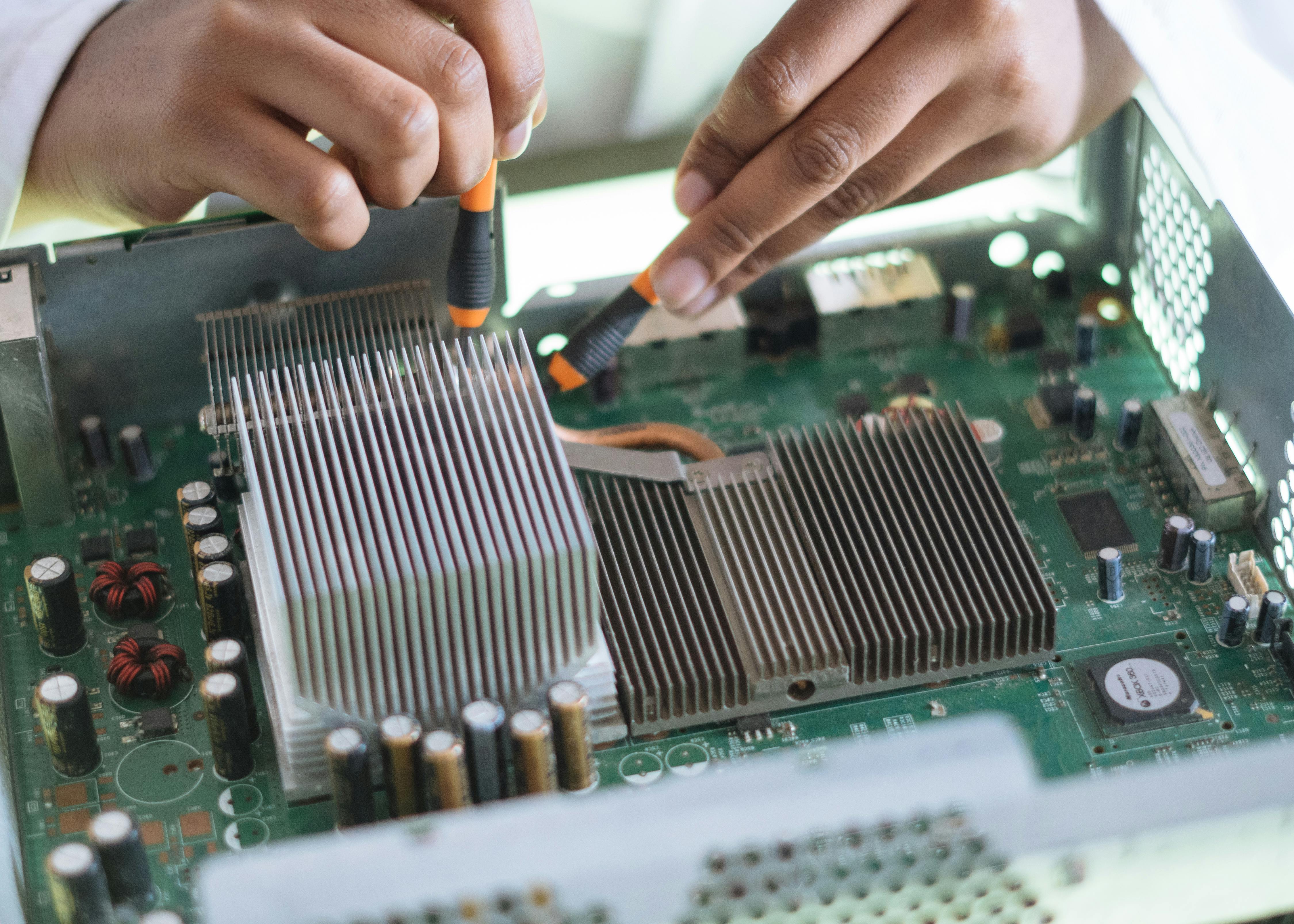
Images like this have become emblematic of the right‑to‑repair era: complex but fixable hardware, and the skilled labor that keeps it in service longer.
Technology & Law: How Regulation Is Forcing Design Changes
Modern devices combine mechanical components, complex electronics, and tightly controlled software. Right‑to‑repair laws are reshaping this stack by mandating access to the information and parts needed to service these systems.
Key U.S. Legislative Developments
Several U.S. states have enacted or advanced right‑to‑repair laws targeting different sectors:
- New York Digital Fair Repair Act – One of the first comprehensive state‑level laws aimed at consumer electronics, requiring manufacturers to provide parts, tools, and documentation for certain devices sold in the state.
- Minnesota’s 2024 Right‑to‑Repair law – Widely described by analysts as one of the broadest U.S. statutes, covering a wide range of electronics while carving out safety‑critical sectors like medical and defense equipment.
- Agricultural repair agreements – Following political pressure and lawsuits, major tractor manufacturers have signed memoranda of understanding with U.S. farm groups to expand access to diagnostic tools—though critics say these fall short of full statutory rights.
At the federal level, the U.S. Federal Trade Commission published a landmark report, “Nixing the Fix”, concluding that many repair restrictions lack strong safety or security justification and may harm competition.
EU Ecodesign & Right‑to‑Repair Rules
The European Union has gone further by embedding repairability and durability directly into product regulations:
- Ecodesign and Energy Labelling – Rules requiring certain appliances and electronics to provide spare parts for up to 7–10 years, and to be disassemblable with commonly available tools.
- Repairability scoring – France and other EU countries have introduced “repairability indices” on product labels, helping consumers compare how easy devices are to fix at purchase time.
- Planned EU “Right to Repair” Directive – Aims to make repair the default option for some products within warranty and to strengthen obligations for spare‑parts availability and access to manuals.
“Designing products to last longer and be repaired, reused, or upgraded is essential to our circular economy and climate goals.”
Corporate Responses: Self‑Service Repair and Design Shifts
Manufacturers have adopted a spectrum of strategies—from proactive embrace of repairability to minimalist compliance and, in some cases, resistance. Tech press coverage scrutinizes whether these initiatives genuinely empower users or merely pre‑empt stricter laws.
Self‑Service Repair Programs
Several major vendors now offer official repair programs that provide tools, parts, and manuals directly to consumers or independent shops. These programs often include:
- Online stores for genuine parts and assemblies (screens, batteries, ports, cameras).
- Rental kits for specialized tools such as heat presses or calibration rigs.
- Step‑by‑step service manuals and safety guidance.
Critics note practical frictions: high parts pricing, limited model coverage, and software pairing procedures that make do‑it‑yourself repairs technically or economically unattractive. Reviewers at outlets like The Verge have documented real‑world experiences where these programs are more complex than third‑party repair alternatives.
Designing for Repairability and Longevity
Right‑to‑repair pressure has also catalyzed tangible hardware design shifts:
- Modular components such as separately replaceable USB‑C ports, cameras, and speakers.
- Reduced adhesive use in favor of screws, clips, and gaskets, particularly around batteries.
- Standardized fasteners (Phillips or Torx instead of proprietary screws) to increase tool compatibility.
- Firmware and OS support commitments, extending device life by ensuring security updates for longer periods.
Companies that position repairability as a selling point—like Fairphone with its modular smartphones—illustrate how longevity can become part of brand identity, not just a regulatory obligation.
Beyond Phones: Tractors, Hospitals, and Critical Infrastructure
Some of the most intense right‑to‑repair battles play out far from consumer gadgets, in agriculture and healthcare—sectors where downtime can be existentially costly.
Farmers and Agricultural Machinery
Modern tractors and combines are effectively rolling computers. Proprietary engine control units, GPS‑guided steering, and yield‑monitoring systems are locked down with software and encryption. Many farmers report being unable to:
- Access diagnostic trouble codes without manufacturer software.
- Replace or retrofit components without dealer intervention.
- Perform firmware updates or configuration changes on their own equipment.
“If my combine throws a software fault in the middle of harvest, I can’t wait for a dealer laptop. That delay can cost me an entire field.”
Legal and policy efforts in the U.S., EU, and Australia aim to expand farmers’ access to diagnostic tools while addressing manufacturers’ concerns about emissions tampering and safety.
Hospitals, Medical Devices, and Uptime
Hospitals rely on complex devices—MRI scanners, ventilators, infusion pumps—that must remain operational and safe. Restrictive service contracts and software locks can:
- Increase downtime if only the manufacturer can respond to failures.
- Raise maintenance costs, diverting resources from patient care.
- Limit the ability of in‑house biomedical engineers to perform routine repairs.
Professional organizations of clinical engineers have advocated for nuanced right‑to‑repair frameworks in healthcare, arguing that qualified in‑house teams can safely maintain equipment when provided with documentation and parts.
Scientific Significance: E‑Waste, Climate, and Circular Economy
From a science and sustainability perspective, device longevity is one of the simplest and most effective levers to reduce environmental impact across the electronics lifecycle.
Why Keeping Devices Longer Matters
Life‑cycle assessments repeatedly show that a large portion of a device’s carbon footprint arises during manufacturing, not use. Extending a smartphone’s life from three to five years, for example, amortizes that embodied carbon over a longer period.
Key environmental benefits of right‑to‑repair include:
- Reduced e‑waste volumes – fewer devices discarded for fixable faults like dead batteries or cracked screens.
- Lower raw material demand – less mining for rare earths, cobalt, and other critical minerals.
- Energy savings – reduced manufacturing energy use and associated emissions.
“E‑waste is the world’s fastest‑growing domestic waste stream, yet the majority of discarded devices could be repaired or repurposed.”
Local Economies and Skills
Beyond environmental metrics, repair ecosystems support skilled local work:
- Independent repair shops and refurbishers generate community‑level jobs.
- Maker spaces and repair cafes foster technical literacy and hands‑on skills.
- Secondary markets for refurbished devices increase access to technology in lower‑income regions.
Milestones: Viral Stories, Community Innovation, and Tools
Media platforms like Hacker News, Reddit’s r/RightToRepair, and YouTube have elevated individual repair wins into movement‑wide milestones.
Viral Repair Stories
Recurring story types that resonate with readers include:
- Battery replacements transforming “obsolete” phones or laptops into usable daily drivers.
- Storage and RAM upgrades extending the life of older PCs instead of replacing them.
- Connector and port fixes restoring functionality to devices written off as irreparable.
These narratives challenge the idea that yearly or biennial replacement cycles are inevitable, and they often highlight the creativity of individual tinkerers.
Tools, Guides, and Measurement Frameworks
Community and commercial initiatives have created the infrastructure needed for everyday repair:
- Step‑by‑step repair guides and teardown analyses from sites like iFixit.
- Standardized repairability scores used by journalists and buyers to compare devices.
- Open‑source diagnostic utilities and firmware projects that reduce dependence on proprietary tools.
Technology & Methodology: What Makes a Device Repairable?
From an engineering standpoint, repairability is not an abstract concept; it can be decomposed into concrete design and software choices.
Hardware Design Principles
Key hardware factors that influence repairability include:
- Component modularity – Can major failure‑prone parts (battery, display, ports, storage) be replaced individually?
- Fastener strategy – Are standard screws used, or are components glued, welded, or riveted?
- Physical access – Is safe disassembly possible without destroying enclosures or gaskets?
- Parts availability – Will compatible components be stocked for years, and are they identifiable with part numbers?
Software and Firmware Dimensions
Software increasingly determines whether hardware repairs “take.” Important aspects include:
- Parts pairing – Does the device cryptographically lock components to the motherboard?
- Diagnostic access – Are fault codes and logs readable without proprietary tools?
- Bootloader and firmware policies – Do they allow legitimate third‑party servicing without bypassing security?
- Update commitments – Are security and compatibility updates provided for a realistic product lifetime?
Balancing these design decisions with robustness, water resistance, performance, and cost is a complex engineering optimization problem—but not an impossible one. Several manufacturers demonstrate that robust, slim, and repairable hardware can coexist.
Challenges: Safety, Cybersecurity, and Intellectual Property
Opponents of expansive right‑to‑repair rules raise several recurring concerns. Understanding them is essential for crafting balanced policy.
Safety and Liability
Manufacturers argue that unqualified repairs can cause:
- Battery fires or electrical hazards from improper handling.
- Compromised medical devices that mis‑deliver therapy.
- Vehicle malfunctions that increase accident risk.
Supporters respond that:
- Safety standards and technician certifications can mitigate these risks.
- Opaque repair ecosystems can also be unsafe if they encourage gray‑market fixes without documentation.
- Transparent documentation often improves, rather than degrades, safety outcomes.
Cybersecurity and Tampering
Security researchers and policy makers recognize legitimate concerns about:
- Firmware modification that bypasses emissions or safety controls.
- Counterfeit parts embedding malicious components.
- Reverse‑engineering of secure elements or DRM schemes.
However, experts in the security community increasingly argue that:
- Security through obscurity is brittle; open scrutiny can reveal and fix vulnerabilities faster.
- Strong cryptographic signatures and attestation can distinguish legitimate parts and firmware from malicious ones.
- Regulated access to sensitive diagnostic capabilities can coexist with robust right‑to‑repair frameworks.
Intellectual Property and Business Models
Some manufacturers claim that sharing service manuals or schematics risks leaking trade secrets. Policy debates focus on:
- How to share enough information for effective repair without enabling cloning.
- Protecting brand reputation when third‑party repairs fail.
- Transitioning from “razor‑and‑blades” models—where profit is tied to proprietary service—to more durable, serviceable products.
Practical Guidance: Extending the Life of Your Devices
For individual users, right‑to‑repair and longevity are not only policy questions—they’re daily decisions about how to buy, maintain, and, when necessary, fix hardware.
What to Look for When Buying
When evaluating a new device, consider:
- Repairability scores from independent testers where available.
- Battery replacement policies and availability of official or third‑party services.
- Software support windows – how many years of updates are promised.
- Modularity – upgradable RAM and storage in laptops; replaceable bands and batteries in wearables.
Tools and Resources for DIY or Assisted Repair
Even if you don’t plan to do complex repairs yourself, basic maintenance can dramatically extend device life. Consider:
- High‑quality screwdriver kits that include precision bits for electronics.
- Anti‑static mats and wrist straps to protect sensitive components.
- Reputable guides and videos from platforms like iFixit and specialized YouTube channels.
Example Tools (Affiliate Recommendations)
For readers in the U.S. building a starter repair toolkit, two widely used options include:
- iFixit Mako Precision Bit Set – A 64‑bit driver kit popular with electronics technicians and hobbyists.
- Kaisi 126‑in‑1 Precision Screwdriver Set – A comprehensive screwdriver and opening‑tool kit suited for phones, laptops, and game consoles.
Field Repair in Practice

In agriculture, repair rights are not just about cost—they’re about timing and autonomy. Being able to clear an error code or replace a sensor in‑field can decide whether a harvest window is met.
The Road Ahead: Standardization, Global Spillovers, and Design Culture
Looking forward, several trajectories are likely to define the evolution of right‑to‑repair and device longevity.
Global Regulatory Convergence
The EU’s combination of ecodesign rules and right‑to‑repair legislation is effectively setting a high bar for global manufacturers, who rarely design separate product lines for each jurisdiction. As more regions adopt similar frameworks, repairability could become a de facto international standard.
Standardized Repair Interfaces and Data
We can expect more work on:
- Common diagnostic protocols across brands within sectors.
- Standardized error codes that independent tools can interpret.
- Secure APIs for provisioning replacement parts and logging repairs to maintain safety records.
Shifting Design Culture and Education
Industrial and hardware designers are increasingly being trained to consider lifecycle and circular‑economy principles, not just aesthetics and cost:
- Design schools incorporate repairability and modularity into curricula.
- Corporate design teams adopt internal “design for disassembly” guidelines.
- Investors evaluate longevity and repair strategies as ESG (environmental, social, governance) factors.

Conclusion: From Ownership Debates to Everyday Practice
Right‑to‑repair and device longevity are no longer abstract ideals; they are rapidly becoming concrete expectations baked into law, product design, and consumer behavior. The core questions are evolving from “Should users have the right to repair?” to “How do we implement that right safely, securely, and fairly?”
For consumers and professionals alike, three practical takeaways stand out:
- Vote with your wallet by favoring devices with clear repairability, long‑term software support, and transparent service options.
- Support local repair ecosystems—they provide resilience, skills, and economic diversity that centralized service models cannot match.
- Stay informed through reputable coverage and expert communities, as rules and corporate policies will continue to evolve.
“The most sustainable device is the one you already own—especially if you can repair and upgrade it.”
Additional Resources and Further Reading
To explore right‑to‑repair and device longevity in more depth, consider the following resources:
- iFixit – Right to Repair Hub (campaigns, guides, and news).
- Electronic Frontier Foundation – Right to Repair (policy analysis and legal updates).
- European Right to Repair Campaign (EU legislative tracking and advocacy).
- YouTube: Right‑to‑Repair Playlists (talks, teardowns, and tutorials).
- LinkedIn discussions on “right to repair” (professional perspectives and case studies).
References / Sources
Selected sources for deeper technical and policy context:
