
The Battle for the Living Room: How Streaming and Smart TVs Are Rewiring Home Entertainment
The home TV used to be a passive screen for cable or broadcast. Today it is a contested digital gateway where streaming giants, smart‑TV operating systems, console platforms, and ad‑tech intermediaries all compete for attention, data, and recurring revenue. This “battle for the living room” is reshaping not only what we watch, but who gets paid, how our data is used, and how discoverable content is in an increasingly fragmented ecosystem.
Tech and media outlets such as The Verge, TechRadar, Engadget, and Wired now cover TV operating systems, content licensing, and advertising technology with the same intensity once reserved for smartphones. Their reporting highlights an industry in rapid flux, where alliances shift quickly and the home screen has become one of the most valuable surfaces in consumer technology.
The New Living Room Landscape
The modern living room is a layered stack of hardware, software, and services. Understanding the power dynamics requires mapping out these layers and how they interact.
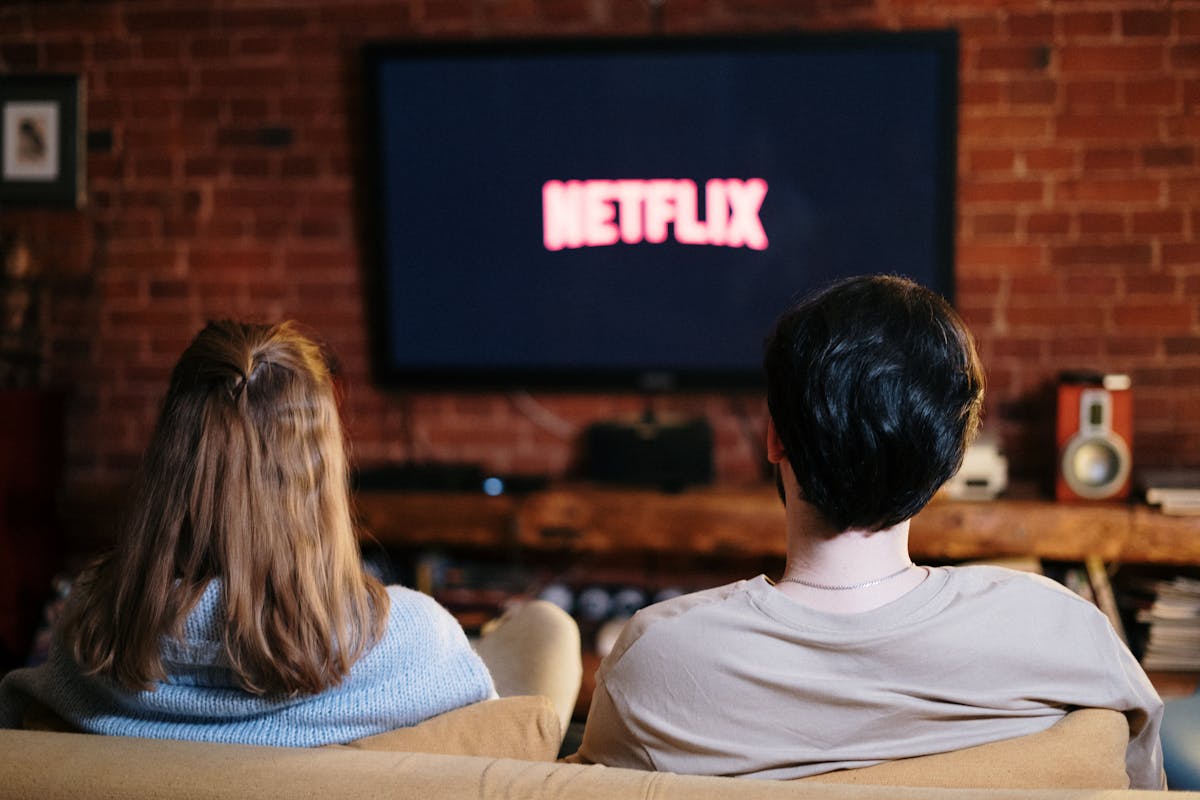
The key layers include:
- Hardware: Smart TVs, streaming sticks, set‑top boxes, gaming consoles, soundbars, and home hubs.
- Operating systems: Platforms such as Roku OS, Amazon Fire TV, Google TV / Android TV, Samsung Tizen, and LG webOS.
- Apps and services: Video streamers (Netflix, Disney+, Max, Prime Video), music (Spotify, Apple Music), fitness, gaming, and niche services.
- Ad‑tech and data: Measurement providers, demand‑side platforms, and data brokers that monetize viewing behavior across devices.
Control at any one layer—especially the operating system and home screen—provides leverage over the others. That is why TV manufacturers, console makers, and streaming platforms are all trying to expand vertically across hardware, software, and services.
Mission Overview: Controlling the Home Screen
The strategic mission for every player in this ecosystem is simple: own the primary experience when a viewer turns on the TV. Whoever controls that initial interface can:
- Steer users toward certain apps, shows, and subscription offers.
- Monetize high‑value advertising slots on the home screen and within recommendations.
- Collect rich behavioral data on what people watch, when, and for how long.
- Shape the default choices for search, voice assistants, and billing.
“In digital markets, the most valuable real estate is the default. Whoever owns the default entry point can dictate terms to everyone else in the stack.”
— Ben Thompson, technology analyst at Stratechery
In practice, this mission manifests in negotiations over app placement, revenue sharing, and data access. Disagreements have repeatedly led to high‑profile standoffs where major apps temporarily disappear from certain platforms, reinforcing just how valuable that home screen real estate has become.
Technology & Business Model Shifts: The Era of Subscription Fatigue
Over the past decade, streaming promised liberation from cable bundles. Instead, consumers now juggle a complex mix of subscriptions for video, music, gaming, and fitness. Prices have risen sharply since 2022, and reports from outlets like Recode and Wired describe households “churn‑cycling” through services—subscribing for specific shows or sports seasons, then canceling.
Hybrid monetization models
To manage churn and expand their addressable audience, platforms are converging on hybrid models:
- Ad‑supported tiers: Lower‑priced or “free with ads” plans from providers like Netflix, Disney+, and Peacock.
- Premium ad‑free options: Higher tiers that reduce or eliminate advertising interruptions.
- Bundles and cross‑product offers: Packages that combine video, music, gaming, or news—echoing the cable bundle, but with more data‑driven personalization.
This shift is reshaping user interfaces. Subscription upsell prompts, ad‑tier upgrade offers, and time‑limited deals are now woven deeply into app design and TV OS surfaces, making the living room a continuous funnel for recurring revenue.
Tools for managing subscription complexity
Power users increasingly rely on digital tools to keep subscriptions under control. For instance:
- Banking apps with subscription-tracking features.
- Spreadsheets or calendar reminders aligned to season premieres or sports schedules.
- Multi‑service discovery apps that unify watchlists across platforms.
For those who prefer a high‑quality cinematic experience at home, a hardware upgrade can help justify cutting some subscriptions. Devices such as the LG C3 Series 55-Inch OLED 4K Smart TV offer exceptional picture quality, gaming features, and built‑in streaming apps, potentially reducing the need for extra set‑top boxes and simplifying the overall setup.
Smart‑TV Operating Systems as Gatekeepers
Smart‑TV operating systems have emerged as the central gatekeepers of the living room. Platforms like Roku OS, Amazon Fire TV, Google TV / Android TV, Samsung’s Tizen, and LG’s webOS now host app stores, advertising networks, and advanced personalization engines.

Home screen control
A typical smart‑TV home screen now features:
- Rows of recommended shows and movies from multiple services.
- Prominent tiles for “featured” apps—often supported by paid placement deals.
- Dedicated slots for live TV, sports, or news depending on regional partnerships.
- Advertising units that occupy visually dominant positions on the screen.
Coverage in The Verge and TechRadar has highlighted a series of disputes over:
- Revenue sharing: How subscription and ad revenue are split between app providers and TV OS owners.
- Data access: Which party can collect and exploit viewing data for targeted advertising or recommendations.
- App placement: Whether certain apps must receive “above‑the‑fold” placement as part of carriage deals.
Search, voice, and default bias
Smart‑TV OS providers also control voice assistants and global search. When a user says “Play The Last of Us,” the system must decide whether to open the show in Max, a transactional store, or a competing app where it may also be available. Default rules here can subtly favor the platform’s own content or preferred partners.
Gaming Consoles, Set‑Top Boxes, and the Cloud
Gaming consoles and dedicated streaming devices add another competitive layer. Xbox, PlayStation, Nintendo Switch, Apple TV, and premium streaming boxes like NVIDIA Shield serve as powerful hubs that aggregate both games and streaming video apps.
Consoles as all‑in‑one entertainment hubs
Microsoft and Sony in particular have pursued an “all‑in‑one” vision:
- Xbox Series X|S: Deep integration of Xbox Game Pass, cloud gaming, and major streaming apps.
- PlayStation 5: Focus on premium gaming experiences plus curated streaming apps and media features.
For households that already own a console, investing in a high‑performance display like the LG C3 mentioned above or a dedicated streaming device such as the Amazon Fire TV Stick 4K Max can make a noticeable difference in app responsiveness, Wi‑Fi performance, and HDR playback quality.
The rise of cloud gaming on TVs
As cloud gaming matures, Engadget and Ars Technica have examined whether dedicated gaming hardware will remain central. Smart‑TV app integrations from services like Xbox Cloud Gaming, NVIDIA GeForce NOW, and Amazon Luna now allow:
- Instant play without a console, using only a Bluetooth controller and a solid internet connection.
- Save‑state syncing between TV, PC, and mobile devices.
- Subscription‑based access to large libraries instead of individual game purchases.
This trend echoes what happened in video streaming: the intelligence moves from hardware to the cloud and software layer, potentially diminishing the role of dedicated consoles for mainstream audiences while high‑end enthusiasts continue to favor local hardware for latency‑sensitive, competitive gaming.
Advertising Technology and Data: The CTV Gold Rush
Behind the scenes, connected TV (CTV) advertising has become one of the fastest‑growing segments in digital media. As more viewing time shifts from traditional TV to streaming, advertisers are following audiences to the big screen with sophisticated programmatic buying tools.

Programmatic CTV basics
Programmatic CTV advertising typically involves:
- Audience targeting: Using demographic and behavioral data to serve ads to specific households.
- Real‑time bidding (RTB): Automated auctions that decide which ad to show each time an ad slot loads.
- Cross‑device identity: Linking viewing behavior on the TV to phones, tablets, and laptops.
- Attribution: Measuring whether an ad exposure leads to a website visit, app install, or purchase.
Privacy and regulation
Wired and The Verge have raised concerns about how TV manufacturers and OS providers use technologies such as Automatic Content Recognition (ACR) to fingerprint what appears on the screen—even content delivered via HDMI or over-the-air antennas. This data can be sent to third parties for ad targeting unless users explicitly opt out.
“Consumers still think of the TV as a passive appliance, but it’s increasingly one of the most active data collectors in the home.”
— Privacy researcher quoted in coverage by The Verge
Regulatory frameworks such as the EU’s GDPR, California’s CCPA/CPRA, and emerging rules from other jurisdictions are beginning to constrain how this data can be used. However, controls are often buried in opaque settings menus or presented through confusing consent dialogs. WCAG‑aligned design practices—which emphasize clarity, accessibility, and user control—are still not consistently applied to privacy interfaces on TVs.
Content Exclusivity, Sports Rights, and Platform Lock‑In
While technology determines how we navigate the living room, content still shapes where we end up. Exclusive licensing deals and release windows determine which app—and sometimes which device—a viewer must use.
Prestige series and franchise universes
Franchises like the Marvel Cinematic Universe, Star Wars, and premium dramas drive sign‑ups for individual services. “Tentpole” releases and limited windows create micro‑spikes of subscription demand, encouraging strategic bingeing followed by cancellations.
Sports as the ultimate lever
Sports rights are the most powerful driver of lock‑in. Tech companies and streamers are increasingly bidding for:
- Exclusive regular‑season and playoff packages for major leagues.
- Regional sports networks and local team rights.
- International football, cricket, and Olympic coverage in specific territories.
When a major league signs an exclusive deal with a specific app or platform, fans may have little choice but to follow—sometimes requiring them to buy new hardware if the app is missing or poorly supported on older TVs.
As a result, reviewers at Engadget, TechRadar, and others increasingly evaluate streaming devices not just on technical specs but on sports app availability, latency, HDR performance, and support for advanced features such as variable refresh rate (VRR) that are important for both gaming and live sports.
Scientific & Societal Significance of the Living Room Battle
Beneath its commercial veneer, the living room battle intersects with core questions in human‑computer interaction, behavioral economics, and media studies. Researchers are examining how interface design and recommendation algorithms shape our leisure time, attention, and social habits.
Human‑computer interaction (HCI) and attention
Key research themes include:
- Choice overload: How endless carousels of content can paradoxically make it harder to choose what to watch.
- Personalization vs. serendipity: Whether algorithmic feeds narrow or expand cultural exposure.
- Social viewing: How watch parties, shared profiles, and real‑time chat reshape co‑viewing experiences.
Academic work published in venues like the ACM Transactions on Interactive Intelligent Systems and media‑studies journals explores these phenomena, providing empirical grounding for debates often framed purely in business terms.
Economic and regulatory implications
On the policy side, antitrust regulators are scrutinizing:
- Vertical integration between content studios, distribution platforms, and hardware manufacturers.
- Self‑preferencing within smart‑TV and console ecosystems.
- Data concentration among a small number of ad‑tech intermediaries.
The outcomes of ongoing antitrust cases in the U.S. and EU will influence how tightly integrated future entertainment ecosystems can become—and how much leverage a single company can exert over the living room.
Milestones, Fragmentation, and the State of User Experience
Over roughly fifteen years, the living room has gone through several clear phases:
- 2010–2015: The rise of streaming apps on smart TVs and early dongles like Chromecast and Roku.
- 2015–2020: Proliferation of services, original content arms races, and global expansion.
- 2020–2023: Pandemic‑driven streaming boom, surge in cord‑cutting, and intensified platform competition.
- 2023–present: Subscription fatigue, consolidation talks, ad‑tier expansion, and escalating sports bidding.
The fragmented living room
The net effect for users is often frustrating:
- Multiple remotes—one for the TV, one for the sound system, one for a streaming stick or console.
- Inconsistent interfaces across apps and devices, each with its own design language.
- Scattered watchlists and algorithmic recommendations that do not transfer across services.
- Opaque pricing as services introduce fees for features like 4K, multiple profiles, or ad‑free experiences.

Tech reviewers have repeatedly called for:
- Cross‑service search that reliably tells you where a title is available.
- Unified watchlists that aggregate across platforms.
- Transparent, comparable pricing for ad‑supported and ad‑free tiers.
While some aggregation apps and TV OS features move in this direction, they often run into business resistance from services that prefer to keep users within their own apps and data silos.
Key Challenges in the Battle for the Living Room
As competition intensifies, several technical and ethical challenges are becoming more acute.
1. Balancing monetization and user trust
Platforms are under pressure to increase average revenue per user (ARPU) through:
- More frequent ad breaks and higher ad loads.
- Personalized promotions and micro‑transactions.
- Upsells to higher tiers or related services.
Over‑monetization risks alienating users, especially when combined with poor communication around price increases or data use.
2. Ensuring accessibility and inclusivity
WCAG 2.2 guidelines and similar standards emphasize:
- High‑contrast interfaces and readable typography.
- Keyboard and remote navigability without reliance on fine motor control.
- Clear focus indicators and predictable navigation flows.
- Captions, audio descriptions, and support for screen readers where applicable.
While many major platforms have improved accessibility, fragmentation means that the experience can vary widely between apps and devices, even within the same household.
3. Interoperability and standards
The lack of strong interoperability standards leads to:
- Redundant logins across apps and devices.
- Inconsistent support for features like Dolby Vision, Atmos, or low‑latency modes.
- Limited portability of watch history and preferences when users switch services.
Efforts by alliances and standards bodies to harmonize device capabilities and app requirements have made some progress, but competitive incentives still favor proprietary advantages.
Navigating the Fragmented Future as a Viewer
While industry dynamics can feel abstract, there are concrete steps viewers can take to regain control of their living room experience.
Optimize your hardware stack
- Favor platforms with robust app ecosystems and good update histories.
- Consider a single high‑quality device (smart TV or box) as your primary OS to reduce remote clutter.
- Use HDMI‑CEC and universal remotes where possible to simplify control.
High‑quality streaming devices like the Fire TV Stick 4K Max mentioned earlier or a premium console combined with a good 4K HDR TV can deliver excellent performance for years, reducing the need for frequent hardware upgrades.
Be intentional about subscriptions
- Align subscriptions with specific content goals (e.g., “sports season,” “award‑season films,” “kids’ content”).
- Batch viewing—subscribe, watch the key shows, then cancel until the next cycle.
- Take advantage of ad‑supported tiers for casual viewing while reserving ad‑free plans for your most‑used services.
Strengthen your privacy posture
- During setup, read consent prompts carefully and opt out of optional data collection where possible.
- Regularly review privacy and ACR settings on your TV and streaming devices.
- Separate profiles or accounts when sharing devices to reduce cross‑profiling.
Conclusion: Toward a More User‑Centric Living Room
The battle for the living room is ultimately a battle over defaults, data, and time. Streaming platforms, smart‑TV operating systems, console ecosystems, and ad‑tech providers all bring genuine innovation—but their incentives do not always align with a simple, user‑friendly experience.
Over the next few years, several forces will shape outcomes:
- Regulation: Antitrust and privacy rules may limit the most aggressive forms of lock‑in and tracking.
- Consolidation: Mergers, joint ventures, and bundles could reduce the raw number of services—but risk new monopolies.
- Standards and accessibility: Wider adoption of interoperability and accessibility standards can make fragmented systems feel more coherent and inclusive.
- User pushback: Subscription fatigue, ad intolerance, and privacy concerns will pressure companies to offer clearer value.
For now, the fragmented future of entertainment is here to stay. The most successful platforms will likely be those that reconcile business imperatives with genuine respect for user time, attention, and autonomy—turning the living room back into a place for relaxation and connection rather than a battleground of competing agendas.
Further Reading, Resources, and References
For readers who want to dive deeper into the technical and business dynamics of the living room, the following resources provide ongoing analysis and reporting:
- The Verge – TV & Streaming Coverage
- TechRadar – Streaming and Smart TV News
- Engadget – Streaming Tag
- Wired – Streaming Coverage
- Recode – Media & Tech Business Analysis
- Ars Technica – Gaming & Cloud Gaming Analysis
- Linus Tech Tips on YouTube – Home Theater & Streaming Hardware Guides
Academic and policy references
- ACM Digital Library – Human–Computer Interaction and Media Interfaces
- U.S. FTC – Advertising & Marketing Guidance
- European Commission – Competition Policy in Media and Digital
Keeping up with these sources can help viewers, developers, and policymakers better understand how the living‑room ecosystem is evolving—and how to shape it toward a more open, accessible, and user‑respecting future.
