
Why More Young Adults Are Facing Colon Cancer—and How UCSF’s New Clinic Is Changing the Story
More people in their 20s and 30s are being diagnosed with colorectal cancer, forcing them to juggle treatment alongside careers, parenting and student loans. This article explains why early-onset colon cancer is rising, how UCSF’s new young adult colorectal cancer clinic is responding, and what steps you can take today to understand your risk, recognize symptoms early and advocate for timely, compassionate care.
A “nightmare” at 29: when colon cancer hits far too early
Being told you have Stage 4 colon cancer at 29 is the kind of sentence most people assume they’ll never hear. For many, their biggest worries are childcare schedules, job deadlines, or a stubborn student loan balance—not chemotherapy plans.
Yet stories like that of 29-year-old patient Megan McNair, whose “nightmare” diagnosis was recently highlighted in the San Francisco Chronicle, are becoming more common. Her experience reflects a trend that’s reshaping how leading centers like UCSF care for younger adults with colorectal cancer.
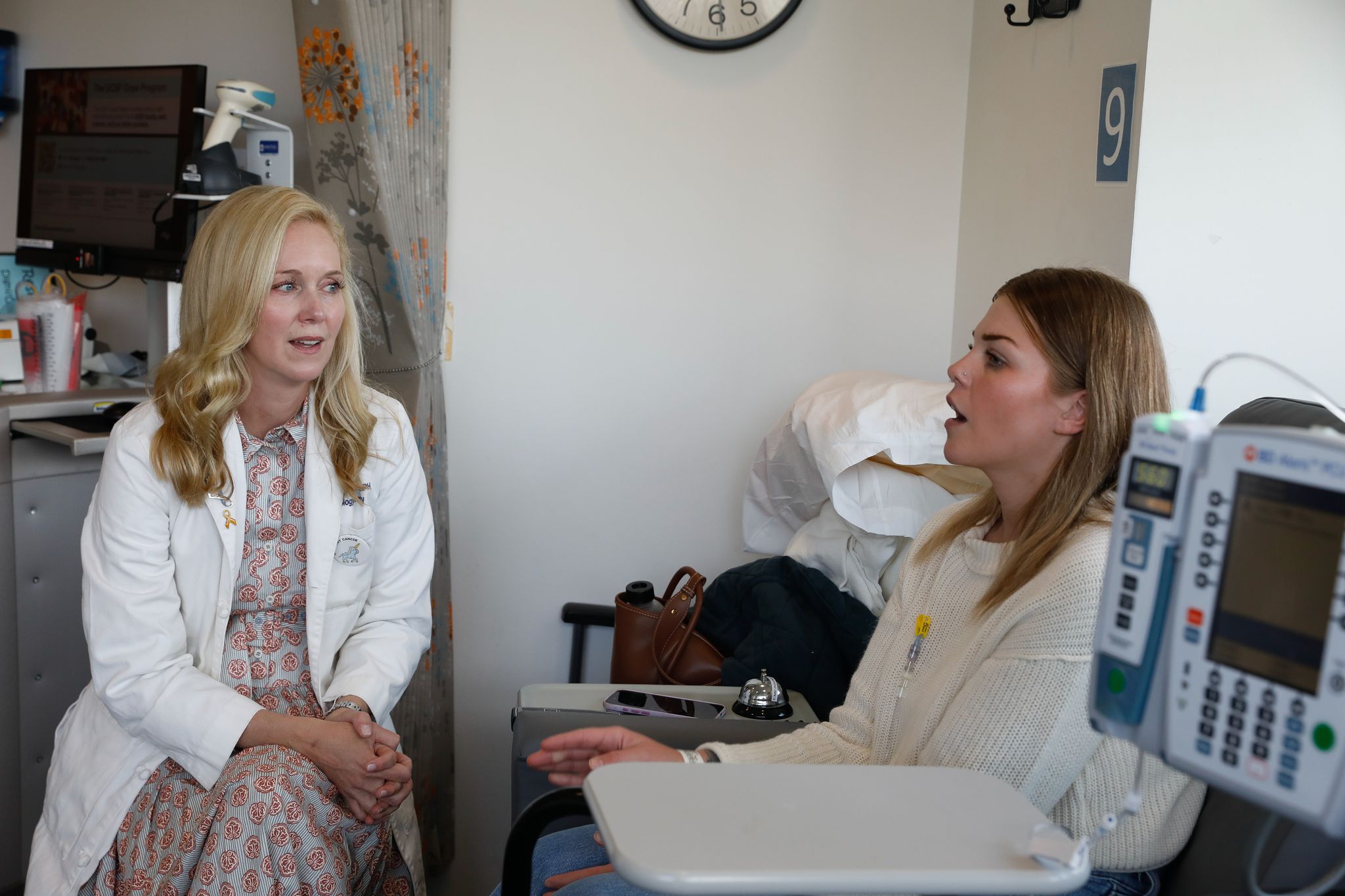
If you’re a young adult wondering what this means for you—or supporting someone who is—this guide walks through the data, the new UCSF clinic built specifically for younger patients, and the practical steps you can take right now.
The rise of early-onset colorectal cancer: what the numbers show
Colorectal cancer has long been considered a disease of older adults. But over the past two decades, research from organizations like the American Cancer Society (ACS) and the National Cancer Institute (NCI) has shown a clear, unsettling pattern: more people under 50 are being diagnosed.
- The ACS reported that in the mid‑1990s, about 1 in 10 colorectal cancers occurred in people under 55; by the early 2020s, that number had risen to roughly 1 in 5.
- Incidence is rising particularly in people in their 20s, 30s and early 40s, even as rates in older adults have declined with better screening.
- Younger adults are more likely to be diagnosed at a later stage (Stage 3 or 4), in part because symptoms get dismissed as “hemorrhoids,” “IBS,” or “stress.”
“We’re seeing patients who are in the middle of building their careers, raising small children, or just starting to think about a family. Their needs look very different from someone diagnosed in their 70s.”
— Dr. Katherine Van Loon, Medical Oncologist, UCSF
Researchers are still piecing together exactly why this is happening. It likely involves a mix of factors rather than a single cause.
Inside UCSF’s new young adult colorectal cancer clinic
In response to this surge, UCSF has launched a clinic tailored specifically to younger adults facing colorectal cancer. It’s not just about delivering chemotherapy; it’s about wrapping care around the realities of being diagnosed in your 20s, 30s, or 40s.
While details evolve over time, clinics like this at major centers typically focus on:
- Age‑aware oncology care
Younger patients may tolerate treatments differently and often have longer projected survivorship. Doctors tailor treatment with an eye toward effectiveness now and long‑term health later (heart health, fertility, nerve damage, secondary cancers). - Fertility and family planning support
Many patients haven’t completed—or even started—building their families. Fertility counseling, sperm/egg preservation options, and clear communication about treatment risks are integrated early. - Psychosocial and mental health care
Psychologists, social workers, and peer support programs help patients process fear, uncertainty about careers, dating, parenting, and identity shifts that come with cancer “too soon.” - Work, school, and financial navigation
Patients often ask: “Can I keep working?” “How do I handle my health insurance?” “Can I take leave without losing my job?” The clinic helps navigate disability forms, FMLA, and academic adjustments. - Genetic and family risk assessment
Because early‑onset cancers are more likely to be linked to inherited syndromes, genetic counseling and testing are often part of the first workup, with guidance for family members.

“The question isn’t just ‘How do we treat the tumor?’ It’s ‘How do we protect this person’s future—fertility, career, relationships—while we treat the tumor?’”
— Hypothetical perspective based on young adult oncology best practices
Early-onset colon cancer symptoms young adults often overlook
One of the toughest parts of early‑onset colorectal cancer is that symptoms can seem minor—or easily explained away. Many young patients describe months (or years) of being told they were “too young for cancer.”
Common warning signs include:
- Blood in the stool (bright red or very dark/black stools)
- Unexplained changes in bowel habits lasting more than a few weeks (constipation, diarrhea, or narrowing of stools)
- Persistent abdominal pain, cramping, or gas that doesn’t settle
- Unintentional weight loss
- Ongoing fatigue or weakness, sometimes from hidden blood loss
- The feeling that your bowels don’t fully empty
Most people with these symptoms do not have cancer—but they still deserve to be taken seriously and properly evaluated.
Screening and prevention: what younger adults should know
The strongest tool for reducing colon cancer deaths is still early detection through screening. Because of the rising rates in younger adults, major guidelines have shifted.
When to start screening
- The U.S. Preventive Services Task Force (USPSTF) and American Cancer Society now recommend routine colorectal cancer screening starting at age 45 for average‑risk adults.
- If you have higher risk—such as a strong family history, certain genetic conditions (like Lynch syndrome), or long‑standing inflammatory bowel disease—your doctor may recommend starting earlier.
Common screening options
- Colonoscopy (every 10 years in average‑risk adults, more often if polyps are found or risk is higher)
- Stool-based tests (like FIT or multi‑target stool DNA tests) that look for hidden blood or abnormal DNA
- Flexible sigmoidoscopy (less common in the U.S., examines only part of the colon)

Case example: balancing Crohn’s disease, work, and Stage 4 colon cancer
In the Chronicle’s profile, Megan McNair—who already lived with Crohn’s disease—found herself in a situation many younger adults dread: trying to distinguish between “just my usual GI issues” and something more ominous.
Her experience highlights three key realities for young patients:
- Chronic conditions can mask new problems
When you already live with Crohn’s, ulcerative colitis, or IBS, new symptoms can be easy to brush off. Megan’s case underscores why persistent changes should prompt a fresh evaluation, not automatic self‑reassurance. - The emotional load is heavy—and valid
Being told “you have Stage 4 cancer” as a young adult can feel like the floor dropping out from under you. Fear for children, partners, careers, and future plans can be just as crushing as the physical illness. - Specialized clinics can help you carry more than the medical side
Megan’s care at UCSF connects her not only to oncologists, but to a network of professionals who understand that she’s also a partner, possibly a parent, a worker, and a young person with hopes that stretch far beyond the hospital.
Common obstacles young adults face—and how to push through them
Knowing the risks and symptoms is one thing; acting on them is another. Young adults often run into specific barriers when seeking care.
1. “I feel silly asking for a colonoscopy at my age.”
Many people worry about being dramatic or wasting the doctor’s time.
- What helps: Write down your symptoms, how long they’ve lasted, and any “red flags” (blood, weight loss, family history). Bring this list to your appointment.
- Use clear, confident language: “I’m concerned about colorectal cancer and would like to talk about whether I need further testing.”
2. Being dismissed because “you’re too young”
Unfortunately, some patients hear this exact phrase before finally getting diagnosed.
- What helps: If you feel your concerns are not being taken seriously, it is acceptable—and sometimes necessary—to seek a second opinion.
- Ask directly: “Given my symptoms and the rise in colon cancer among younger adults, can you explain why you don’t think I need a colonoscopy or further imaging yet?”
3. Worrying about time off work, school, or parenting duties
Colonoscopies and follow‑up appointments take time and often involve sedation, which can complicate childcare and work schedules.
- Ask your clinic about early‑morning or late‑day appointments.
- Involve one trusted person (a friend, partner, or family member) who can help with transportation and logistics.
- Talk with HR or student services early about medical leave options; many protections exist, but they require paperwork.

What experts and research say about early-onset colon cancer
Scientists don’t yet have all the answers, but several consistent findings have emerged across large studies and expert guidelines:
- Stage at diagnosis matters more than age alone. Younger patients often do well when cancer is caught early, underscoring the importance of symptom awareness and screening.
- Biology may differ in some early‑onset cases. Certain tumors in younger adults show different genetic or molecular patterns, which may guide future precision therapies.
- Inherited factors play a role, but not the whole story. A portion of early‑onset cases are linked to hereditary syndromes, but many occur without a strong family history.
“We’re likely looking at a combination of lifestyle, environmental, and biological factors that interact over time. The trend is real, and it’s reshaping how we think about ‘who’ gets colon cancer.”
— Summary of current perspectives from major cancer centers
Practical steps you can take today
Whether you’re reading this from a place of concern, curiosity, or lived experience, there are grounded, realistic steps you can take—without slipping into fear or denial.
If you have symptoms right now
- Schedule a visit with a primary care provider or gastroenterologist.
- Bring a written log of your symptoms (what, how often, how long, and any changes).
- Ask directly: “Given my symptoms, do you think I need a colonoscopy or other tests? If not, what changes would prompt you to order them?”
- Seek a second opinion if you feel dismissed or uncomfortable with the plan.
If you’re at or approaching screening age
- If you’re 45 or older, talk with your doctor about starting colorectal cancer screening.
- Ask your family about any history of colon or rectal cancer, polyps, or related conditions.
- If you have IBD or a known hereditary syndrome, ask what screening schedule applies to you.
Looking ahead with clear eyes—and real hope
The rise in early‑onset colorectal cancer is concerning, and stories like Megan’s are deeply sobering. But they also shine a light on what’s possible when we respond thoughtfully: earlier screening, symptom awareness at any age, and specialized clinics like UCSF’s that treat the whole person—not just the tumor.
You don’t need to live in fear or become an overnight expert in oncology. A few grounded actions—listening to your body, speaking up about changes, and seeking care from teams attuned to young adults—can tip the odds toward earlier detection and more options.
If this topic hits close to home, your next step can be small but meaningful: book that appointment, start a symptom journal, or share this article with someone who might need it. Early‑onset colon cancer is a growing reality, but so is the community of clinicians, researchers, and patients determined to face it together.
