
Is Beer Actually Good for You? What the New ‘Surprising Health Benefit’ Study Really Shows
A new study highlighted by the BBC and covered by outlets like ScienceAlert has sparked a hopeful question: could beer actually have a “surprising health benefit,” especially for your gut? For many beer lovers, that sounds almost too good to be true—and in some ways, it is. The science is genuinely interesting, but the headlines can be a little louder than the data.
In this guide, we’ll walk through what the new research really says about beer and health, how beer might interact with your gut microbiome, and where the line is between a modest benefit and real health risk. You’ll also find practical tips on how to enjoy beer—if you choose to drink it—without sabotaging your long‑term wellbeing.
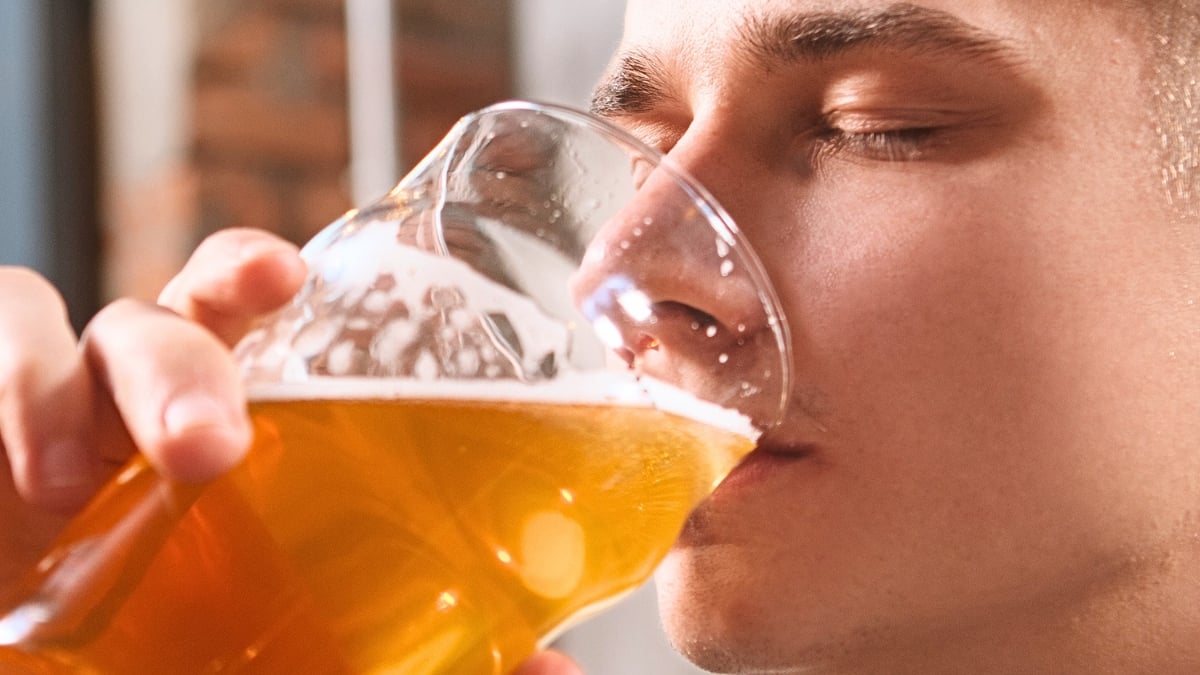
What Did the BBC and ScienceAlert Actually Report?
The BBC report, echoed by ScienceAlert, centered on new research exploring how beer consumption may affect the gut microbiome—the trillion‑plus microbes living in your digestive tract that play a role in digestion, immune function, inflammation, and even mood.
Broadly, the study found that:
- Beer—especially certain types—contains polyphenols (plant compounds from barley and hops) and fermentation byproducts that can interact with gut bacteria.
- In controlled settings, modest beer intake was associated with changes in gut microbiota composition, sometimes interpreted as a shift toward greater diversity, which can be a marker of gut health.
- The observed effects were generally seen with moderate amounts and over a relatively short period.
“The microbiome findings are intriguing, but they don’t override decades of data on alcohol‑related harms. Any potential benefit has to be weighed carefully against known risks.”
— Gastroenterologist commenting on recent alcohol–microbiome research
How Could Beer Affect Your Gut Health?
To understand the “surprising health benefit” claim, it helps to look at what’s in beer and how it might interact with your body, especially your gut.
- Polyphenols from barley and hops
Beer contains polyphenols—plant compounds that can act as antioxidants and may influence gut bacteria.- Some gut microbes use these compounds as fuel.
- Metabolites from polyphenols may have anti‑inflammatory effects in lab settings.
- Fermentation products and residual nutrients
During brewing, yeast ferments sugars into alcohol and other compounds.- Trace amounts of B vitamins and other nutrients may remain.
- Certain non‑alcoholic components may act as prebiotics (food for beneficial bacteria).
- Alcohol’s double‑edged sword
Alcohol itself is where things get complicated:- Low doses may have mild, short‑term effects on blood flow and relaxation.
- But alcohol is also toxic to cells, can irritate the gut lining, and in higher amounts is associated with leaky gut and inflammation.
The recent microbiome study is essentially asking: Can the non‑alcohol components of beer do something helpful, even while the alcohol itself poses risks? Early answers suggest “maybe, in very specific and modest circumstances”—but that’s far from a green light to drink for health.
What the New Beer–Microbiome Study Actually Found
While different outlets may be covering slightly different but related studies, the recent work highlighted by the BBC and ScienceAlert tends to share several features:
- Small sample sizes: Many alcohol–microbiome trials include dozens, not thousands, of participants. That limits how widely we can generalize.
- Short duration: Participants might drink a controlled amount of beer daily for a few weeks—not months or years.
- Carefully controlled doses: Usually around one beer per day or less, not heavy weekend drinking or binge patterns.
- Measured outcomes: Changes in specific bacterial species, overall diversity, or markers of gut barrier function and inflammation.
In some of these studies, moderate intake of beer (including non‑alcoholic beer in a few experiments) has been associated with:
- A small increase in microbial diversity, often viewed as a positive sign.
- Shifts toward higher levels of certain bacteria linked in other research to better metabolic or inflammatory profiles.
- Occasionally, modest changes in blood markers (like some inflammatory cytokines), though findings are not always consistent.
How Does This Fit with What We Already Know About Alcohol and Health?
The beer–microbiome findings don’t exist in a vacuum. They sit alongside decades of research on alcohol and long‑term health. Major health organizations—including the World Health Organization and many national cancer societies—have increasingly emphasized that:
- No level of alcohol has been proven completely “safe.” Even low levels are associated with small increases in certain cancer risks.
- Heavy and binge drinking clearly raise the risk of liver disease, heart problems, mental health issues, injuries, and dependence.
- Some earlier claims about alcohol’s heart benefits appear weaker when we better control for confounding lifestyle factors.
“From a public health perspective, we cannot recommend drinking alcohol for health benefits. If you don’t drink, there is no reason to start.”
— Position echoed by many national health agencies based on current evidence
That doesn’t mean you must quit beer forever if you choose to drink. It does mean that any potential gut‑related upside has to be viewed through the lens of these very real, well‑documented risks.
So… Is Beer Good for You or Not?
When readers see “surprising health benefit,” it’s natural to wonder if beer secretly belongs in the “health food” category. Based on current science:
- Beer is not a health food.
- Any potential microbiome benefits are modest and preliminary.
- Known harms of alcohol increase as intake rises and can outweigh small, short‑term benefits.
A more accurate, science‑based summary is:
- If you don’t currently drink, there is no compelling health reason to start drinking beer.
- If you do drink beer, moderate, mindful consumption may not be incompatible with a healthy lifestyle for many adults, particularly when other habits (diet, sleep, exercise) are solid.
- For some people—those pregnant, with certain medical or mental health conditions, or with a history of addiction—the safest amount of beer remains none.
If You Choose to Drink Beer: 7 Evidence‑Aligned, Practical Guidelines
If you enjoy beer and want to align with the best available evidence, these strategies can help you protect your long‑term health while still taking pleasure in a drink.
- Stay within low‑risk drinking limits
Many guidelines suggest:- For most healthy adults: up to one standard drink per day for women and up to two for men, on days you drink—though some newer guidance is moving toward even lower limits.
- A “standard drink” of beer is typically around 350 ml (12 oz) of ~5% ABV beer.
- Build in alcohol‑free days
Have several days each week with no alcohol at all. This helps prevent creeping increases in intake and gives your body time to recover. - Consider non‑alcoholic or low‑alcohol beers
Some microbiome‑focused studies have actually used non‑alcoholic beer and still observed beneficial gut changes, suggesting that the helpful parts may not require alcohol itself. - Never binge
Having several beers in a short time (“saving them up” for the weekend) is far more harmful than spreading small amounts out or skipping altogether. - Protect your gut with fiber‑rich foods
Think of beer as a tiny variable in a much larger system. A diet rich in:- Vegetables and fruits
- Whole grains
- Legumes (beans, lentils)
- Fermented foods like yogurt, kefir, or sauerkraut
- Watch for early warning signs
Trouble cutting back, needing more to feel relaxed, or drinking to cope with stress are all red flags that deserve attention and support. - Align with your personal risk profile
If you have liver disease, certain heart conditions, a strong family history of addiction, or you’re pregnant or trying to conceive, talk with a clinician—your safest personal guideline may be different.
A Real‑World Example: Turning “Health Halo” Headlines into Balance
Consider “Mark,” a 38‑year‑old who enjoys craft beers. After seeing headlines about beer and gut health, he felt pleasantly justified in his habit of 2–3 pints most nights.
When he dug into the details (with his doctor and a dietitian), he realized:
- The studies involved one small beer a day or less, not multiple pints.
- His blood pressure was edging up, and his sleep quality was poor—both likely affected by his drinking pattern.
- He could get microbiome benefits more reliably from changing his diet than from relying on beer.
Over a few months, Mark:
- Cut down to a maximum of one beer on a few evenings per week.
- Experimented with non‑alcoholic craft beers when he wanted the taste without the buzz.
- Focused on eating more fiber, fermented foods, and colorful plants.
He still enjoys beer, but no longer treats it as a “health booster.” Instead, it’s an occasional pleasure he fits into a broader, health‑conscious lifestyle.
Smarter Ways to Support Your Gut Than Relying on Beer
If your main interest is gut health—not beer itself—there are far more powerful, better‑studied tools than alcohol.
- Eat diverse plant foods
Aim for at least 20–30 different plant foods per week (fruits, vegetables, whole grains, legumes, nuts, seeds, herbs, spices). - Include fermented foods
Options like live‑culture yogurt, kefir, kimchi, sauerkraut, miso, and tempeh introduce beneficial bacteria or their byproducts. - Sleep and stress management
Poor sleep and chronic stress can disrupt gut–brain communication and alter your microbiome over time. - Movement
Regular physical activity is linked with more favorable microbiome profiles and better metabolic health overall.

Before & After: How Small Tweaks to Beer Habits Change the Health Picture
To put this into perspective, here’s a simplified “before and after” scenario that many readers find relatable.
Before
- 2–3 regular beers most evenings.
- Frequently skipping dinner or relying on ultra‑processed snacks.
- Sleeping poorly and waking up groggy.
- Thinking, “At least beer is good for my gut, right?”
After
- Most nights are alcohol‑free; 0–1 beer on social evenings.
- Dinner includes veggies, whole grains, and a fermented food several times per week.
- More consistent, deeper sleep and better morning energy.
- Beer is treated as an occasional pleasure, not a health strategy.

Common Obstacles: Social Pressure, Stress, and Mixed Messages
Cutting back on beer or drinking more mindfully is often less about willpower and more about navigating real‑world pressures.
- Social pressure
It can feel awkward to decline another round. Having a script—“I’m pacing myself tonight” or “I’m trying to sleep better”—can ease the moment. - Using beer to de‑stress
Alcohol can temporarily blunt stress, but it doesn’t resolve it and can worsen sleep and mood over time. Experiment with alternatives like a walk, stretching, or a non‑alcoholic drink ritual. - Confusing media headlines
Health news often oversimplifies. When you see claims about a “surprising benefit,” ask:- Was this a small, short‑term study?
- Does it conflict with larger, long‑term data?
- Would I still do this if there were no health benefit at all?
Key Takeaways: What the Science Really Says About Beer and Health
Pulling the evidence together, here’s the bottom line on whether beer has a “surprising health benefit”:
- Beer contains compounds that may influence the gut microbiome, and some small studies show potentially favorable changes with modest intake.
- These microbiome‑related findings are early, modest, and not a license to drink for health.
- Alcohol itself is linked with increased risks (especially at higher intakes) for cancer, liver disease, cardiovascular problems, and more.
- If you don’t drink, there’s no solid reason to start for health reasons.
- If you do drink, keeping your intake low, infrequent, and mindful is the most evidence‑aligned strategy.
If you’re curious about your own drinking, a simple next step is to track your beer intake for a week or two—no judgment, just data. Then, decide:
- Does this pattern match what you want for your health, sleep, mood, and relationships?
- Would scaling back by even one beer a day, or adding more alcohol‑free days, feel like a meaningful improvement?
Science can help clarify the trade‑offs, but the decision is ultimately personal. You don’t need to be perfect to make progress. Even small, steady shifts in how often and how much you drink can add up to a real difference over the years.

If you’d like to go deeper, consider discussing your alcohol use and gut health with your healthcare provider. Bring your questions—and even the headlines you’ve seen. An informed, honest conversation is one of the most powerful “health benefits” you can give yourself.
