
Why I Chose a Nose Job in My 30s (and What I Learned About Aging, Confidence, and Cosmetic Surgery)
In my mid-30s, after countless hours on Zoom and watching my face soften and shift with age, I quietly decided to get a nose job. Not because I hated my nose—it was fine, even “cute” by most standards—but because I felt strangely disconnected from the face looking back at me. This is the story behind that decision, what really changes after rhinoplasty (and what absolutely doesn’t), and how you can think through cosmetic surgery in a clear, compassionate, and evidence-based way.
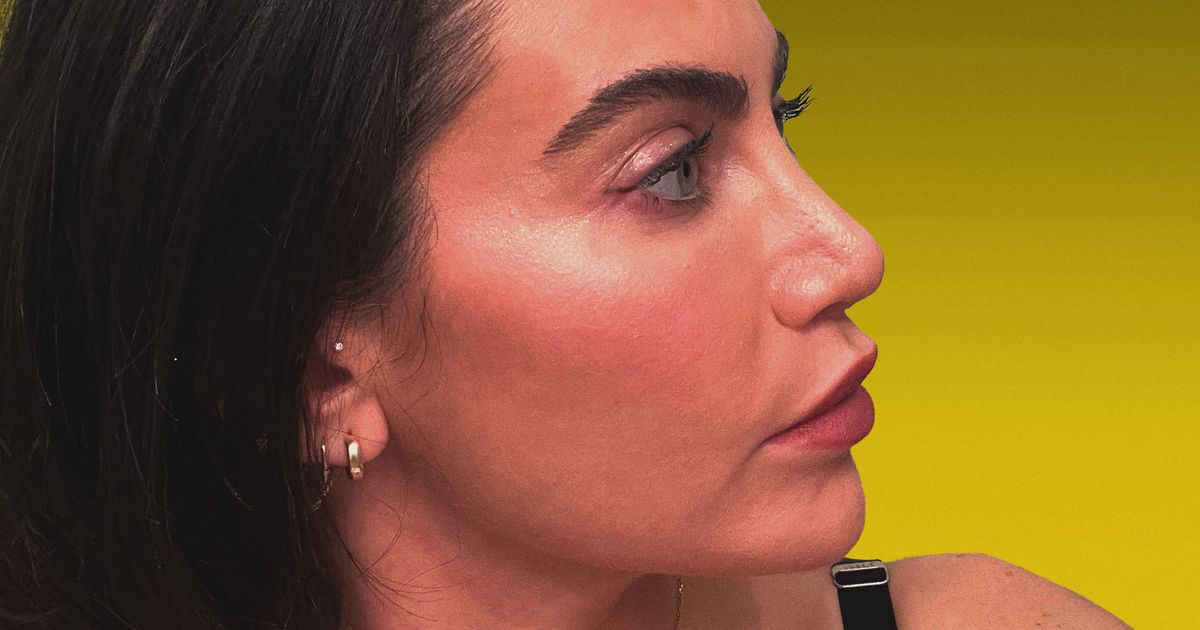
If you’ve ever wondered whether a “small” cosmetic change could make you feel more like yourself—or worried that even considering surgery makes you vain—you’re not alone. I’ll walk you through the emotional side, the science, and the practical steps so you can make an informed, self-respecting choice for your own face and body.
Why a Nose Job in My Mid-30s (and Not as a Teen)?
I wasn’t the teen begging my parents for rhinoplasty. My nose was “nondescript”: average size, slightly bulbous tip, a barely noticeable bump. It simply wasn’t the main character of my face.
What changed was time—and technology. Hours of back-to-back video meetings turned my face into a constantly analyzed object. Unlike a passing glimpse in a mirror, Zoom freezes you under harsh lighting and awkward angles. I began noticing:
- The subtle bump on my bridge that looked sharper on camera than in real life.
- A tip that seemed heavier and droopier when I smiled.
- How my nose dominated my profile in screenshots, even though no one else commented on it.
None of this was a crisis. I still recognized myself. But there was a growing mismatch between how vibrant I felt inside and how I interpreted my aging face on a 13-inch screen.
“Cosmetic surgery in adulthood is less about chasing perfection and more about resolving an ongoing friction with a specific feature,” says Dr. Esther Ahn, a board-certified facial plastic surgeon. “The healthiest decisions come from curiosity and acceptance, not panic.”
The Real Problem I Was Trying to Solve
On the surface, this was about a nose. Underneath, it was about three overlapping things:
- Aging in real time: The gentle downward drift of the nasal tip and subtle volume changes around my midface made my nose look different than it had in my 20s.
- Chronic self-scrutiny: Regular video calls can amplify minor features and trigger what psychologists call “appearance-focused attention.”
- A quiet, persistent irritation: I didn’t dislike my nose; I just felt slightly “off” every time I saw my profile on screen.
Research on social media, selfies, and video calls suggests that constant exposure to one’s own image can increase dissatisfaction with facial features—even when observers rate those same faces as attractive. For example, a 2021 review in plastic surgery and dermatology literature noted a rise in people seeking procedures specifically after noticing perceived flaws on video.
My goal wasn’t to look like someone else. It was to soften a feature that suddenly felt louder than the rest of my face, and to stop thinking about it every time I turned my head.
What Rhinoplasty Can (and Cannot) Do
Rhinoplasty—often called a “nose job”—is surgery that changes the shape, size, or structure of the nose. It can be cosmetic, functional (to improve breathing), or both.
What it can realistically do
- Refine a bulbous or drooping tip.
- Smooth or reduce a hump on the bridge.
- Subtly narrow a wide bridge or nostrils.
- Improve breathing issues caused by a deviated septum or internal valve collapse.
- Bring your nose into better proportion with other facial features.
What it cannot do
- Fix low self-worth, trauma, or deep-seated body image issues.
- Guarantee happiness, confidence, or relationship changes.
- Turn you into the filtered selfie you’re used to seeing.
- Completely erase your ethnic or familial features without trade-offs.
“The best rhinoplasties are almost unnoticeable,” explains Dr. Maya Rodriguez, facial plastic surgeon. “People should think, ‘You look great—did you change your hair?’ rather than ‘You got a nose job.’”
I went into my consultation wanting a “micro-adjustment,” not an entirely new identity. That intention shaped every decision that followed.
How I Decided: Questions I Forced Myself to Answer
Before I booked anything, I gave myself a simple rule: If I couldn’t clearly articulate why I wanted this and what I expected to change, I wouldn’t do it.
Here are the exact questions I wrote down, which you can use as a self-check:
- How long have I been thinking about this?
For me: More than two years of low-level, consistent thought, not a sudden post-breakup urge. - Am I okay if nobody notices?
My answer: Yes. I wanted relief from my own hyper-focus, not attention. - Am I otherwise generally content with myself?
I didn’t love everything about my appearance, but this was one specific feature, not a pattern of dissatisfaction. - Can I afford this without financial harm?
I saved specifically for this and treated it like any major elective expense. - Will I be okay if results are “very good” but not perfect?
No surgeon can promise perfection. I had to accept “better” instead of “flawless.”
How to Choose a Surgeon (and Spot Red Flags)
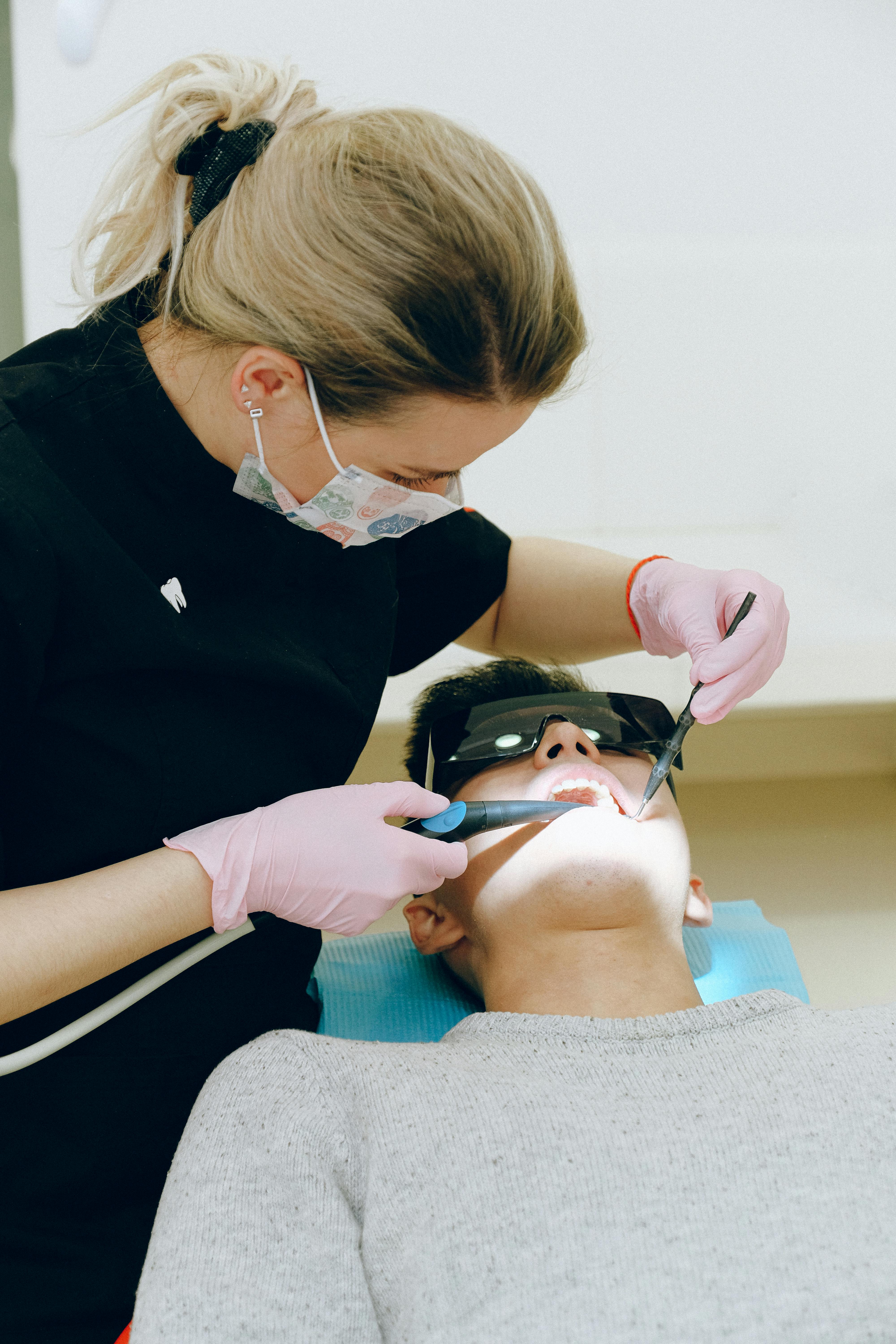
The biggest predictor of satisfaction after rhinoplasty isn’t your exact nose shape—it’s the skill and honesty of your surgeon, plus how aligned you are on goals.
What I looked for
- Board certification in facial plastic surgery or plastic surgery.
- High-volume rhinoplasty practice with years of experience.
- Before/after photos of people with similar noses and similar age / ethnic background.
- Balanced results where people still look like themselves.
- Clear discussion of risks and realistic expectations.
Questions to bring to your consultation
- How many rhinoplasties do you perform per year?
- What percentage are revision (fixing previous surgeries)?
- What changes would you recommend for my nose, and why?
- How do you manage complications or dissatisfaction with results?
- Can I see before/after photos of patients with noses like mine?
“A good surgeon spends as much time editing your expectations as they do editing your nose,” notes Dr. Samir Luthra, a facial plastic surgeon who specializes in revision cases.
What the Research Says About Cosmetic Surgery and Well‑Being
Decades of research on cosmetic surgery shows mixed but nuanced outcomes.
- Many patients report improvements in self-esteem and body image after surgery, especially when they had a long-standing concern about a specific feature.
- Psychological benefits are more likely when expectations are realistic, motivations are internal (for yourself, not others), and there’s no underlying body dysmorphic disorder.
- Some people experience postoperative regret, depression, or anxiety, particularly if results don’t match idealized mental images or if they were promised “life-changing” outcomes.
A large prospective study published in Clinical Psychological Science (2015) found that people who underwent cosmetic surgery generally reported modest improvements in body image and self-esteem compared with those who wanted surgery but didn’t get it. However, the changes were not dramatic transformations of overall happiness or life satisfaction.
This aligns with my experience: my nose changed; my life did not. But my daily friction with my reflection eased significantly—and that was enough.
Before vs. After: What Actually Changed for Me
My surgeon and I agreed on a conservative plan: slightly refine the tip, soften the bump, and support the nasal structure so aging changes would be less dramatic going forward.


The most noticeable changes weren’t on my face, but in my behavior:
- I stopped fixing my Zoom camera angle obsessively before every call.
- I took more candid photos with friends instead of insisting on front-facing only.
- I spent far less mental energy thinking about my profile.
Some things didn’t change:
- I still had insecure days about other features—skin texture, under-eye circles, you name it.
- Major life stressors didn’t shrink just because my nose did.
- The people who loved me before surgery loved me exactly the same afterward.
Recovery: The Part Instagram Rarely Shows
Recovery was not glamorous. It also wasn’t unbearable—but I’m glad I went in with realistic expectations.
My first two weeks looked roughly like this
- Days 1–3: Swollen, congested, pressure-heavy. Mild pain controlled with prescribed meds. Lots of sleep, zero meetings.
- Days 4–7: Still swollen and bruised (especially under the eyes), but discomfort tapered. I worked from home off-camera.
- Days 8–14: Splint off, tape on. Nose looked bigger than my “old” nose for a bit due to swelling. I reminded myself daily this was temporary.
Evidence-based recovery tips my surgeon and nurse emphasized:
- Don’t smoke or vape—nicotine can impair healing and increase risk of complications.
- Sleep elevated for the first couple of weeks to reduce swelling.
- Avoid heavy exercise and anything that might bump your nose for several weeks (timing varies by surgeon).
- Protect from sun with a hat and SPF; new skin and scars are especially sensitive.
- Follow your surgeon’s aftercare instructions meticulously; they matter more than any TikTok tip.
Emotional Obstacles: Guilt, Stigma, and “But You Don’t Need It”
The hardest part wasn’t the physical recovery. It was navigating the emotional and social layers:
- Guilt: I worried that wanting surgery meant I’d “failed” at body positivity.
- Stigma: I debated whether to tell friends, fearing judgment or whispered “She got work done” commentary.
- Minimization: The few people I told responded with “But your nose is fine!” which felt both kind and invalidating.
Eventually, I reframed it: I can support body neutrality and still choose a considered, elective change for myself. Both can be true.
“Autonomy over your body includes the right to change it and the right to opt out of beauty pressures,” says Dr. Laila Thompson, a psychologist specializing in body image. “What matters most is that your choice feels aligned with your values, not someone else’s.”
Is a Nose Job in Your 30s (or Beyond) Right for You?
There’s no universal answer—but there are healthier and less-healthy reasons to proceed.
Signs you may be a good candidate
- You’re over 18 with a fully grown nose.
- You’ve had a specific, stable concern about your nose for years, not weeks.
- You understand the risks, limitations, and realistic outcomes.
- You’re emotionally stable, with or without the surgery.
- You can afford it without jeopardizing essentials like housing or healthcare.
Signs to pause and seek support
- You believe surgery will fix your life, save a relationship, or erase deeper pain.
- You spend hours daily checking or comparing your appearance.
- You’ve had multiple cosmetic procedures and still feel deeply dissatisfied.
- Friends or clinicians have raised concerns about body dysmorphia.
Practical Steps If You’re Seriously Considering Rhinoplasty
If you’re past the “curious” stage and into “I might actually do this,” here’s a grounded, step-by-step approach:
- Journal for 2–4 weeks.
Write down why you want surgery, what you hope will change, and what won’t. Note how often you think about your nose and in what situations. - Talk with a neutral professional.
A therapist or counselor can help separate external pressures (partners, social media, cultural ideals) from your own internal desires. - Research surgeons methodically.
Check board certification, hospital privileges, and patient reviews from credible sources—not just social media. - Schedule at least 2 consultations.
Compare how each surgeon listens, what they recommend, and how you feel in their care. - Revisit your expectations.
Could you live with a 20–30% improvement instead of a 100% “fix”? If not, surgery may not bring the relief you’re seeking. - Plan recovery honestly.
Arrange time off work, help with childcare or pets, and a budget for meds, follow-ups, and any unplanned costs.
What I Ultimately Learned About My Face—and Myself
My nose job in my mid-30s didn’t rewrite my life story. It did something quieter and, for me, meaningful: it turned down the volume on a feature that had started to feel louder than the rest of me.
I don’t believe everyone needs—or should want—cosmetic surgery. I do believe we deserve honest information, room for nuance, and the freedom to make thoughtful choices about our own bodies without shame.

If you’re in that in-between place—curious, conflicted, maybe a little scared—know this: wanting change doesn’t mean you’ve failed at self-acceptance, and choosing not to change doesn’t mean you’ve given up on caring about your appearance. Either path can be valid, as long as it’s chosen with your well-being at the center.
Your next step: instead of asking, “Do I deserve this nose job?” try asking, “What choice will help me live more peacefully in my own skin, long term?” Then give yourself the time, information, and support you need to answer honestly.
