
The Psychedelic Brain Fingerprint: How Five Drugs Reveal One Shared Neural Pattern
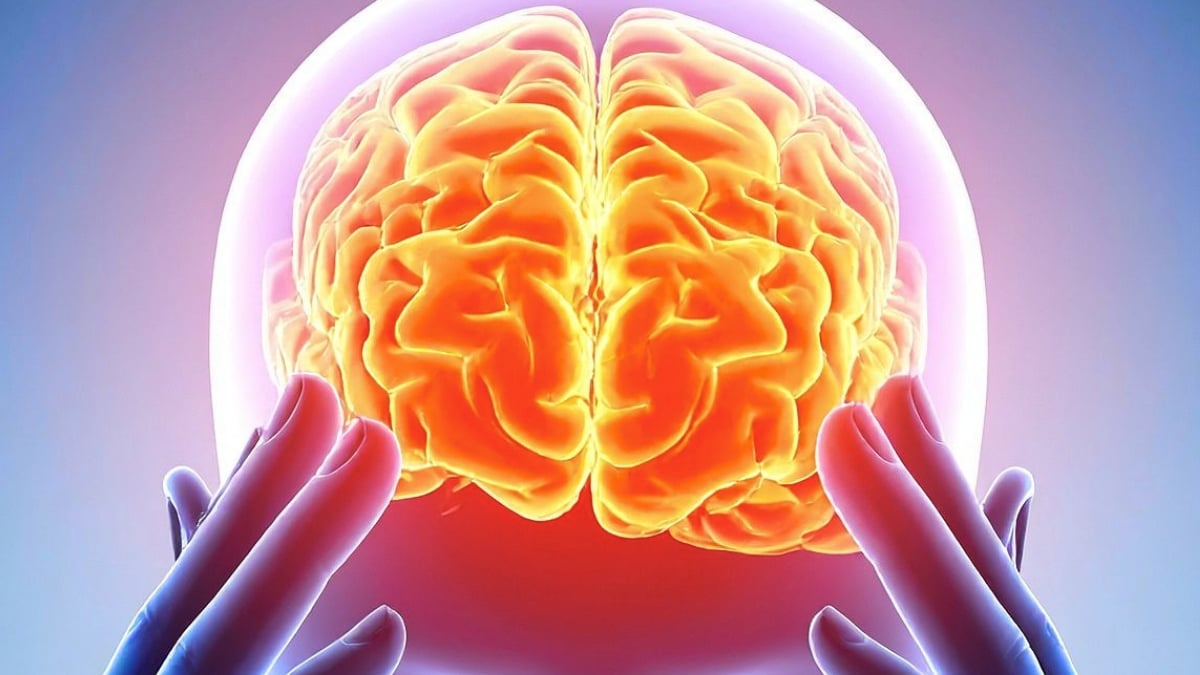
Imagine being able to spot, in real time, the moment a brain shifts into a psychedelic state—no trip reports, no guesswork, just a clear neural “signature” on a screen. That’s essentially what researchers have started to uncover: a common brain “fingerprint” that appears across five different psychedelic drugs, hinting at a shared mechanism behind these dramatically altered states of consciousness.
This discovery doesn’t mean we’ve cracked the code of consciousness or found a magic cure for depression. But it does give scientists a powerful new window into how psychedelics reshape brain activity, and why they might help some people whose mental health hasn’t improved with existing treatments.
Why Scientists Are So Interested in Psychedelic Brain Patterns
Over the last decade, carefully controlled studies have suggested that psychedelics like psilocybin (from “magic mushrooms”) and LSD can, in some people, relieve symptoms of major depression, PTSD, and addiction when combined with structured psychotherapy. Yet, one big question has lingered:
What, exactly, are these drugs doing to the brain that traditional medications don’t?
The latest research, reported by ScienceAlert in April 2026, tackles this by comparing how different psychedelic substances alter brain activity patterns. Instead of focusing on just one drug, scientists looked across five well-known psychedelics and searched for a shared “neural fingerprint” that shows up reliably whenever the brain is in a psychedelic state.
- The goal: Identify a common brain pattern that links different psychedelics.
- The hope: Use that pattern to better understand, measure, and eventually refine psychedelic-based treatments.
- The challenge: Different drugs, different doses, different people—yet one unifying signature.
“Finding a shared neural fingerprint across multiple psychedelics suggests there may be a common biological gateway into altered states of consciousness,” said one of the study authors, as reported by ScienceAlert.
What Is a Psychedelic Brain “Fingerprint,” Exactly?
In neuroscience, a “fingerprint” isn’t a single spot lighting up in the brain. It’s a recognizable pattern—a way different brain regions talk to each other, and how those conversations change over time.
The new study pulled together brain-imaging data (like fMRI and EEG) from people given five different psychedelics. While each substance has its own flavor of effects, the researchers kept seeing a recurring pattern when participants were under the influence:
- Increased global connectivity: Brain networks that usually stay in their own lanes started “cross-talking” more. This can correlate with experiences like synesthesia, novel insights, or a sense of expanded awareness.
- Disrupted default mode network (DMN): The DMN—often linked to self-talk and our sense of “me”—became less dominant and more fragmented, which may relate to feelings of ego-dissolution or reduced rigid self-focus.
- More unpredictable (entropic) activity: Brain signals became less predictable and more diverse, a state some researchers call “increased entropy,” thought to underlie the rich, fluid quality of psychedelic experiences.
Together, these changes made up the psychedelic “fingerprint” that showed up across all five drugs. In simple terms: the brain becomes more connected, less stuck in its usual ruts, and more flexible—at least temporarily.
The Five Psychedelics That Shared This Fingerprint
The study focused on five classic or widely researched psychedelic compounds. Exact details vary by dataset, but commonly investigated drugs include:
- Psilocybin – the active ingredient in many “magic mushrooms.”
- LSD (lysergic acid diethylamide) – a long-acting synthetic psychedelic.
- DMT (N,N-dimethyltryptamine) – a powerful, short-acting psychedelic, also found in some traditional brews.
- Mescaline – a naturally occurring psychedelic from certain cacti.
- Another serotonergic psychedelic – such as ayahuasca’s DMT-containing brew or related compounds, depending on the dataset.
Despite differences in chemistry, potency, and subjective feel, the brain data pointed toward the same style of network reconfiguration. That convergence is what makes this result so intriguing.

Why This Matters for Depression and Other Mental Health Conditions
Many mental health disorders, especially long-standing depression, appear to involve rigid patterns of brain activity that mirror rigid patterns of thought—like persistent self-criticism, hopelessness, or rumination.
The psychedelic neural fingerprint suggests that, for a brief window, the brain may enter a more flexible, globally connected state. In that state, long-held mental “loops” might be easier to revisit, reframe, or release—especially in a supportive therapeutic environment.
“Psychedelics may temporarily relax the brain’s usual patterns, allowing new connections and perspectives to emerge. The challenge is turning that brief window into lasting change,” notes a clinical psychiatrist not involved in the study, commenting on similar research.
It’s important to be clear: a shared brain fingerprint does not prove cures. But it:
- Helps explain why different psychedelics can produce overlapping therapeutic effects.
- Provides an objective marker researchers can track in real time during treatment.
- May guide the development of safer, more targeted treatments that harness some benefits without full-blown psychedelic experiences.
A Before-and-After Look at the Psychedelic Brain
While each person’s brain is unique, the “before and after” picture from this and related research often looks something like this:


Researchers describe this shift as moving from a “rigid” to a more “entropic” or flexible brain state. The art and challenge of psychedelic therapy is using that temporary flexibility to support healthier, more adaptive patterns once the drug has worn off.
Common Concerns, Misconceptions, and Real-World Obstacles
If you’re reading about this research while struggling with your own mental health—or supporting someone who is—it’s natural to wonder whether psychedelics could be an answer. It’s equally natural to feel cautious or skeptical.
1. “Does this mean psychedelics are a guaranteed cure?”
No. Even in clinical trials with careful screening, preparation, and follow-up therapy:
- Some participants see dramatic improvements.
- Some see moderate or temporary benefit.
- Some do not improve, and a minority may feel worse for a time.
2. “Is it safe to self-medicate if the brain science looks promising?”
Unsupervised use carries real risks—psychological distress, dangerous environments, harmful interactions with medications, and legal consequences in many places. The brain fingerprint doesn’t erase those issues.
3. “What about people with a history of psychosis?”
Most clinical trials exclude people with personal or strong family histories of psychotic disorders, because psychedelics can potentially trigger or worsen these conditions. If that’s part of your history, medical guidance is especially critical.
How This Neural Fingerprint Could Shape Future Therapies
The discovery of a shared psychedelic brain fingerprint is a scientific milestone, but its most important impacts may be yet to come. Researchers are already exploring ways this knowledge could guide safer, more precise interventions.
- Tracking treatment in real time:
Brain imaging or EEG could confirm whether a person’s brain has actually entered the targeted psychedelic-like state during therapy, rather than relying only on subjective reports. - Designing next-generation drugs:
Understanding the fingerprint may help chemists develop medicines that mimic specific aspects of the psychedelic state—like increased flexibility—without the full intensity of hallucinations. - Personalizing care:
One day, clinicians might compare an individual’s baseline brain activity to the desired “therapeutic fingerprint” and tailor dose, setting, and follow-up based on how their brain responds.
None of this will happen overnight. It requires large, rigorous trials; long-term follow-up; and thoughtful regulation. But the shared fingerprint gives the field a much clearer target to aim at.
What You Can Take Away from This Research Today
Even if you never plan to use psychedelics, this work tells us something hopeful about the brain: it’s more flexible and capable of change than it often feels—especially when supported in the right ways.
If you’re curious, but cautious
- Follow developments from reputable sources such as peer-reviewed journals and established science outlets.
- Be skeptical of headlines promising miracle cures or guaranteed breakthroughs.
- Look for studies that include control groups, long-term follow-up, and clear reporting of side effects.
If you’re struggling with depression or another condition
- Talk with a licensed mental health professional about all your evidence-based options, both medication and non-medication.
- If you’re interested in psychedelic research specifically, ask about legal clinical trials or approved treatment centers in your region.
- If you ever feel at risk of self-harm, seek urgent help from local emergency services or crisis hotlines.
A More Flexible Brain—and a More Nuanced Conversation
The discovery of a common psychedelic brain fingerprint across five different drugs is a powerful reminder that our brains are dynamic, not fixed. Under the right conditions, even deeply ingrained patterns can loosen, making space for new connections and possibilities.
At the same time, the science is still evolving. Psychedelics are not a shortcut, a substitute for ongoing support, or a one-size-fits-all solution. They are tools—promising, potent, and requiring real respect.
If this research resonates with you, a thoughtful next step might be:
- Reading one peer-reviewed study on psychedelic therapy and discussing it with a health professional you trust.
- Exploring non-drug ways to support brain flexibility—such as therapy, meditation, exercise, or learning new skills.
- Staying informed as new, carefully conducted trials shed more light on who is most likely to benefit, and how to keep them safe.
Your brain is capable of change. The emerging science of psychedelics is one more lens showing us how—but the story of your healing will always be bigger than any single substance or study.
Further Reading and Trusted Resources
To dig deeper into the science behind psychedelic neural fingerprints and mental health, consider these types of sources:
- Peer-reviewed journals such as:
- Nature, Nature Neuroscience
- JAMA Psychiatry
- NeuroImage
- Research institutions and consortia that focus on psychedelic science and publish plain-language summaries of their trials.
- National health agencies (such as the NIH or your country’s health authority) for updates on approved clinical uses and safety guidance.
When reading about psychedelics online, look for clear references, cautious language, and transparency about risks—not just the benefits.
