
Why Flea-Borne Typhus Is Surging in California (And Simple Steps to Protect Your Family)
Flea-borne typhus cases have hit record levels in Southern California, worrying many families who are suddenly hearing about a disease “as old as the plague.” In this guide, we’ll unpack what’s really happening, how serious flea-borne typhus is, and the practical, science-backed steps you can take to protect yourself, your kids, and your pets without living in fear.
Hearing “typhus” and “record high” in the same sentence is unsettling. You might be wondering if it’s safe to let your kids play outside, how worried you should be about your pets, or if this is the start of “the next big outbreak.”
Let’s walk through the facts, not the fear. Flea-borne typhus is serious but preventable, and when it’s recognized early it’s very treatable. Understanding how it spreads and what simple habits lower your risk makes a big difference.
What’s Happening in California? Record Flea-Borne Typhus Cases Explained
Recent reports from Southern California, including coverage by SFGATE, describe a record number of flea-borne typhus cases. Local health departments have issued alerts urging residents to:
- Keep pets up to date on flea prevention medications
- Reduce exposure to fleas and flea-carrying animals like rats, opossums, and stray cats
- Seek medical care promptly if they develop unexplained fever, headache, and rash
While exact yearly counts vary by county, the trend over the last several years in parts of Southern California has been upward. Urban development, homelessness, warmer weather, and closer contact between people, pets, and wild animals all likely contribute.
“Flea-borne typhus remains an uncommon disease, but we are seeing more cases than in past decades in certain regions. Most infections can be effectively treated when recognized early, so community awareness is crucial.”
— Infectious disease specialist, summary of public health guidance
Put simply: this isn’t a statewide emergency, but it is a meaningful local increase that deserves attention—especially if you live in, work in, or travel to affected areas.
What Is Flea-Borne Typhus (Murine Typhus)?
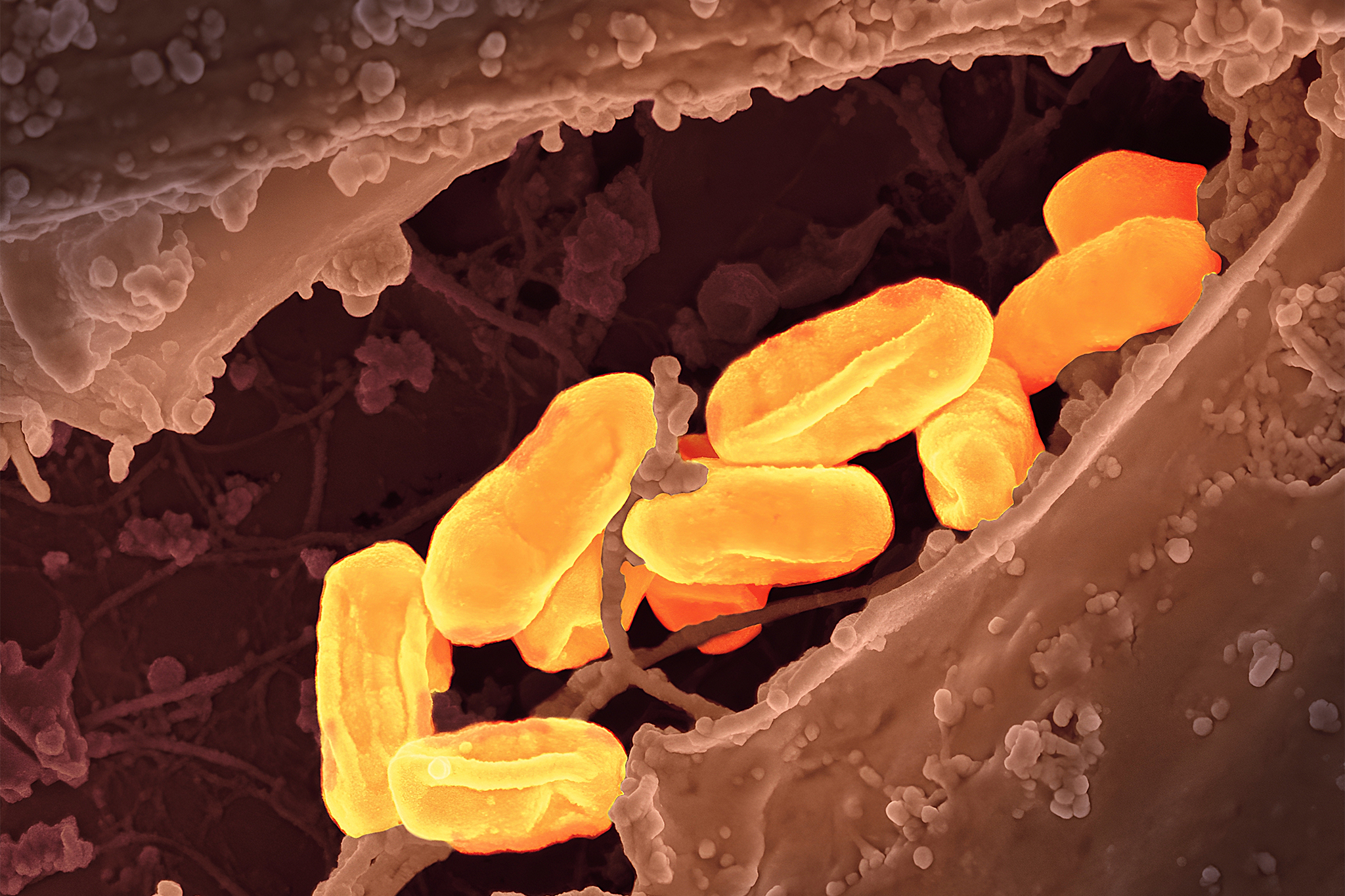
Flea-borne typhus, also called murine typhus, is an infection caused by the bacteria Rickettsia typhi. It has been documented for over a century and is sometimes described as “as old as the plague” because it’s carried by fleas, similar to how plague historically spread via fleas on rodents. But they are different diseases:
- Flea-borne typhus – caused by Rickettsia typhi, usually mild to moderate but can become severe if untreated.
- Plague – caused by Yersinia pestis, a different bacterium with its own patterns and treatments.
In the U.S., flea-borne typhus is most often reported in:
- Southern California (especially some urban and suburban areas)
- Parts of Texas and the Gulf Coast
- Occasionally other warm, flea-friendly regions
How Do You Get Flea-Borne Typhus?
One of the most important clarifications: you usually don’t get typhus from a flea bite alone. Instead, the bacteria live in the feces of infected fleas.
- Fleas feed on infected animals (like rats, opossums, stray cats).
- The infected fleas leave bacteria-containing droppings (flea dirt) on skin or fur.
- When a person scratches a flea bite or rubs the area, the bacteria can enter through tiny breaks in the skin or sometimes through the eyes when we touch our face.
Typical sources of infected fleas include:
- Rats and other rodents
- Opossums
- Stray or outdoor cats and dogs without flea control

Symptoms of Flea-Borne Typhus: What to Watch For
Symptoms usually start 7–14 days after exposure to infected fleas. They can be nonspecific at first, which is why awareness matters.
Common Early Symptoms
- Sudden fever, often high
- Strong headache
- Chills and feeling very tired or “wiped out”
- Muscle and body aches
Later or Additional Symptoms
- Rash on the body (may not always be present)
- Nausea, vomiting, or stomach pain
- Cough or chest discomfort in some cases
Without treatment, some people—especially older adults or those with other health problems—can develop more serious complications affecting the lungs, liver, kidneys, or brain.
“Anyone who lives in or has visited an area where flea-borne typhus is occurring and develops an unexplained fever and headache should let their healthcare provider know about the possible exposure. Early treatment saves lives.”
— Summary of public health guidance
Diagnosis and Treatment: Why Early Care Matters
There’s no single “instant” test that always confirms flea-borne typhus right away, so doctors often diagnose it based on:
- Symptoms (fever, headache, rash, etc.)
- Recent exposure to fleas, pets, or areas with known cases
- Blood tests that support the diagnosis over time
Standard Treatment
The usual treatment is an antibiotic called doxycycline, which is highly effective when started early. Most people feel noticeably better within a few days of starting antibiotics.
Delays in recognizing and treating flea-borne typhus increase the risk of hospitalization and complications. If you live in an affected area and are unsure, it’s better to ask your doctor than to “wait and see” for many days with a persistent high fever.
Protecting Your Home and Family: Practical Prevention Steps
Prevention focuses on breaking the flea–animal–human chain. You don’t have to do everything perfectly; consistent small steps go a long way.

1. Keep Pets on Reliable Flea Control
- Use vet-recommended flea prevention for dogs and cats year-round in affected areas.
- Set reminders for monthly or quarterly treatments so doses aren’t missed.
- Avoid off-label combinations without veterinary guidance—some can be unsafe, especially for cats.
2. Reduce Rodents and Wild Animals Around Your Home
- Secure trash in lidded containers.
- Remove dense brush, woodpiles, and clutter that attract rodents and opossums.
- Seal holes and gaps where rats or mice can enter structures.
- Avoid leaving pet food outside overnight.
3. Make Your Indoor Space Less “Flea-Friendly”
- Vacuum carpets, rugs, and pet bedding regularly, then empty vacuums outside when possible.
- Wash pet bedding and blankets in hot water periodically.
- If you’ve had a flea problem, talk with a pest-control professional familiar with flea-borne disease risks.
4. Smart Personal Protection Habits
- Wear long pants and sleeves when working in areas with known flea or rodent activity.
- Use EPA-registered insect repellents as directed on exposed skin when needed.
- Wash hands after handling outdoor animals, bedding, or yard waste.
Community-Level Actions: How Neighborhoods Can Lower Risk
Because flea-borne typhus involves animals, fleas, and the broader environment, individual action is important—but community efforts are powerful too.
- Report rodent infestations in public spaces to city or county services.
- Support humane stray animal control to reduce free-roaming, unprotected animals.
- Participate in neighborhood clean-ups to reduce trash and clutter.
- Share credible information from health departments, not rumors or social media panic.
Local public health teams use data on reported cases to target rodent control, environmental cleanup, and outreach. Reporting suspected cases and maintaining communication with health departments helps them respond more effectively.
A Real-World Scenario: From Scare to Simple Routine
Consider a typical family in Los Angeles County: two working parents, two kids, and an outdoor cat. After hearing about rising flea-borne typhus cases, they were tempted to keep the kids inside and the cat permanently indoors. Instead, they talked with their pediatrician and veterinarian and focused on a few key changes:
- Putting their cat and dog on consistent, year-round flea prevention.
- Storing trash in sealed bins and cleaning up fruit that dropped from backyard trees.
- Vacuuming weekly and washing pet bedding more regularly.
- Reminding the kids to wash hands after outdoor play and avoid touching stray animals.
They didn’t have to overhaul their entire lifestyle. Instead, they built a small set of habits into their routine—enough to meaningfully lower risk while still enjoying their yard, walks, and neighborhood.
When Should You See a Doctor or Vet?
For People
Contact a healthcare provider promptly if:
- You live in or have visited an area with known flea-borne typhus activity, and
- You develop fever, headache, and/or rash without a clear explanation, especially if you’ve had flea exposure or contact with rodents or stray animals.
For Pets
See your veterinarian if:
- Your pet has a visible flea infestation or is scratching excessively.
- Your dog or cat seems unusually tired, eats less, or has persistent fever-like signs (panting, warm to the touch, etc.).
- You’re unsure which flea prevention product is safe and appropriate.
Myths vs. Facts About Flea-Borne Typhus
- Myth: “Typhus spreads from person to person like the flu.”
Fact: Flea-borne typhus is spread by infected fleas and their droppings, not by routine contact with other people. - Myth: “If my pet has fleas, we’re guaranteed to get typhus.”
Fact: Most flea exposures do not lead to typhus. Risk is higher when fleas come from infected wild animals and when infestations go unchecked. - Myth: “There’s nothing I can do; it’s just bad luck.”
Fact: Simple steps—flea control, managing rodents, and quick medical care if sick—dramatically reduce risk. - Myth: “Typhus is a medieval disease that always ends badly.”
Fact: With modern antibiotics and early treatment, most people recover fully.
Where to Find Reliable, Up-to-Date Information
For the latest local updates and prevention advice, check:
- Your county or city public health department website (e.g., Los Angeles County Department of Public Health).
- The U.S. Centers for Disease Control and Prevention (CDC) murine typhus page for national guidance.
- Information from your personal healthcare provider and veterinarian, tailored to your specific area and situation.
Because disease patterns can change over time, checking these sources periodically—especially during warm months—can help you stay informed without becoming overwhelmed.
Moving Forward With Calm, Informed Confidence

Flea-borne typhus may be “as old as the plague,” but your response doesn’t have to be based on fear from another era. The rise in cases in Southern California is a reminder—not that we should stay indoors—but that our connection with animals and the environment requires a bit of thoughtful care.
Here’s a simple, realistic action plan you can start today if you live in or visit an affected area:
- Talk with your vet about year-round flea prevention for pets.
- Walk around your home and yard to identify and reduce rodent attractants.
- Build quick “after outdoor play” routines—handwashing, quick tick/flea checks on pets.
- Save your local health department’s website and phone number for easy access.
- If you develop an unexplained fever and headache, especially after flea exposure, tell your doctor about the possibility of flea-borne typhus.
You don’t need to aim for perfection. Consistent, evidence-based steps—and knowing when to seek care—are enough to keep your risk low and your peace of mind high.
If this information feels relevant to someone you care about in California or other warm regions, share it with them—and consider making a quick “flea and rodent risk check” part of your household’s seasonal health routine.
