
Did Neanderthals Invent the First Antibacterial Ointment? What Ancient ‘Gloop’ Reveals About Early Medicine
Neanderthals Used Ancient “Gloop” as Antibacterial Medicine, Study Suggests
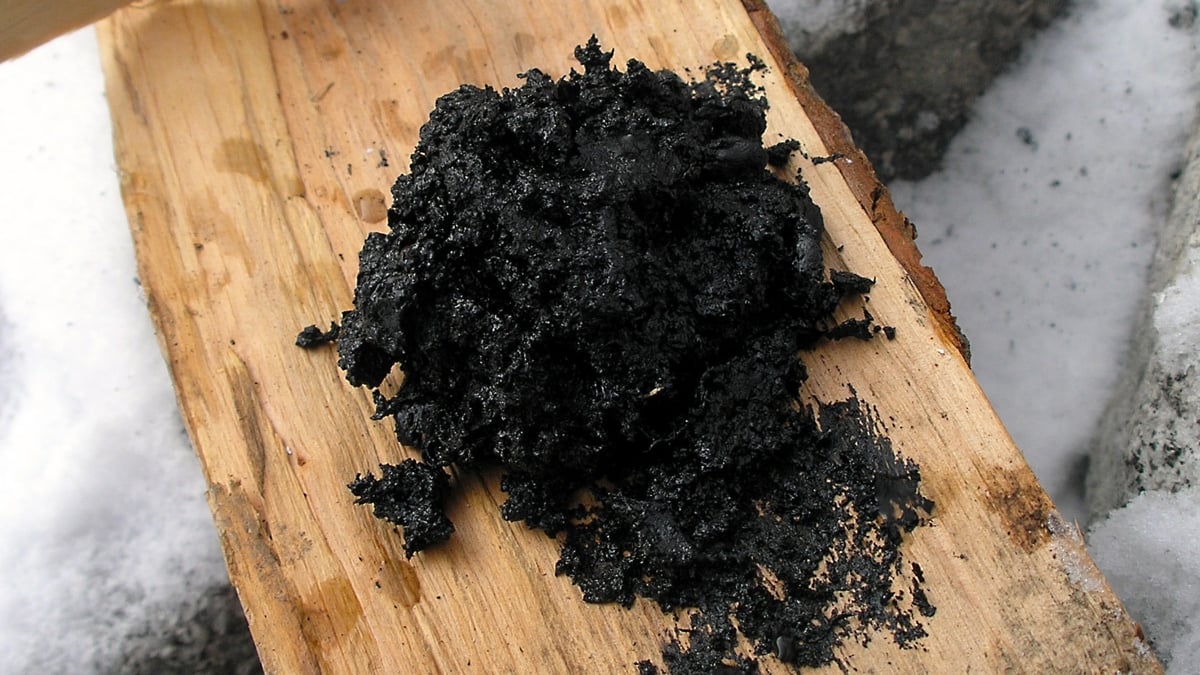
Imagine patching up a cut not with a tube of antibiotic cream, but with a dark, sticky “gloop” you cooked over a fire. According to new research, Neanderthals may have done exactly that—using a substance called birch tar both as a powerful glue and as an antibacterial salve, possibly anticipating aspects of modern medicine by as much as 200,000 years.
In this article, we’ll unpack what scientists have found, how they tested this ancient material, and what it reveals about Neanderthal intelligence, creativity, and health care—without overstating what the evidence can actually prove.
What Did the Study Actually Find?
The new work, summarized by ScienceAlert in early 2026, builds on earlier discoveries of birch tar on Neanderthal sites across Europe. Birch tar is a dark, resinous substance made by heating birch bark. Archaeologists already knew Neanderthals used it as a glue to attach stone points to wooden handles.
In the latest study, researchers:
- Recreated Neanderthal-style birch tar in the lab using simple heating techniques over fire-like conditions.
- Tested how well this tar worked as an adhesive on stone tools and wooden shafts.
- Examined its potential antibacterial and wound-healing properties using modern microbiological tests.
Their results suggest the tar wasn’t just sticky—it could also slow the growth of certain bacteria, making it a plausible wound treatment as well as a tool-making aid.
“We can’t claim Neanderthals understood bacteria,” the authors note, “but our experiments show that the substances they produced had clear antibacterial effects that could help keep wounds cleaner.”
What Is Birch Tar and How Did Neanderthals Make It?
Birch tar is formed when birch bark is heated in low-oxygen conditions—a process called dry distillation. Instead of burning to ash, the bark releases thick, dark, sticky compounds that cool into tar.
Archaeologists have proposed several simple methods Neanderthals may have used:
- Pit method: Birch bark placed in a small pit, covered with stones and earth, with a fire built on top. Tar collects at the bottom.
- Roll or wrap method: Rolled birch bark heated near (but not directly in) a fire, letting tar drip down onto a stone or into a container.
- Above-ground kiln variants: Slightly more complex arrangements that control air flow more effectively.
Recreating these methods in the lab, researchers showed that even very simple setups could produce enough tar for practical use, indicating a good understanding of fire and materials.

How Could This Ancient “Gloop” Work as an Antibacterial Medicine?
Modern birch-derived products are already known to have antimicrobial and anti-inflammatory properties. In dermatology, birch tar–like substances have been used (with caution) in treating certain skin conditions.
In the new study, scientists:
- Exposed several common bacteria to recreated birch tar in controlled lab conditions.
- Measured how effectively the tar inhibited bacterial growth on agar plates.
- Compared the effects to untreated controls.
Results showed that the tar:
- Slowed or stopped the growth of some bacteria known to infect wounds.
- Created a physical barrier, sealing surfaces and potentially helping keep dirt and microbes out.
“Birch tar combines mechanical protection—a sealant over the wound—with chemical properties that are hostile to certain microbes,” one researcher explained. “That dual action is reminiscent of how some modern ointments work, even if the chemistry is different.”
Importantly, the study stops short of claiming Neanderthals definitely used birch tar for medicine. Instead, it shows that:
- The material could have helped reduce infections if applied to wounds.
- Neanderthals had ready access to it because they already used it as an adhesive.
Archaeological Evidence: Tools, Residues, and Context
The birch tar story doesn’t stand alone. It’s part of a broader pattern of evidence that Neanderthals were innovators, not the stereotypes of “brutish cavemen.”
Archaeologists have found:
- Stone tools from Neanderthal sites with clear birch tar residues on the hafted ends.
- Layers of blackened, tar-like material at hearth sites, consistent with repeated heating of birch bark.
- Evidence of complex behaviors like the use of pigments, personal ornaments, and intentional burial in other contexts.
Chemical analysis—using techniques like GC‑MS—helps confirm that these residues really are birch-derived, not just random soot or soil contamination.
What Does This Tell Us About Neanderthal Intelligence and Care?
The idea that Neanderthals may have used an antibacterial “gloop” challenges older views that saw them as less capable than Homo sapiens. Instead, we see a group that:
- Experimented with fire and chemistry.
- Developed multi-use materials (glue, sealant, possible medicine).
- Likely shared knowledge within social groups, as techniques were passed down.
Other research has already shown evidence of:
- Healed fractures and signs of individuals living with disabilities, suggesting community care.
- Intentional positioning of bodies in burials, hinting at rituals or at least respect for the dead.
- Use of plant-based substances, possibly for flavor, medicine, or both, found in dental calculus (hardened plaque).
“Every new piece of evidence pushes back against the myth of Neanderthals as simple or inferior,” notes one paleoanthropologist. “They were doing chemistry, engineering tools, and perhaps improvising medical care long before our own species arrived in Europe.”
What the Study Does Not Prove: Limits and Open Questions
As exciting as the findings are, the authors—and responsible science communicators—emphasize several important caveats:
- No direct “smoking gun” for medical use: We don’t have a fossilized bandage with birch tar on a wound. The medical use is inferred from what the tar can do and how available it was.
- Unclear intentionality: Neanderthals might have noticed that tar “helped wounds,” or they might simply have used it to seal cracks and cuts for practical reasons, with health benefits as a side effect.
- Modern lab vs. ancient life: Lab tests use isolated bacteria and controlled conditions; real-world infections in the Pleistocene would have been more complex.
In other words, the study supports the idea that Neanderthals could have used birch tar medicinally, and that such use would plausibly have been helpful, but it cannot definitively prove that they thought of it the way we think of “medicine” today.
From Neanderthal Gloop to Modern Medicine: Why This Matters Today
You might wonder how a 200,000‑year‑old tar recipe is relevant to life now. It matters for at least three reasons:
- Rewriting our family story: Understanding Neanderthals as thoughtful, experimental, and caring changes how we see human evolution as a whole.
- Inspiration for new drugs: Natural substances used historically often point scientists toward promising new antimicrobial compounds, especially as antibiotic resistance grows.
- Humility about “modern” knowledge: Our ancestors, and our close evolutionary cousins, were already manipulating chemistry and biology in surprisingly sophisticated ways.

In a sense, the study connects three milestones:
- Neanderthals experimenting over fire with birch bark.
- Traditional uses of tar and resins in many human cultures for wounds and skin problems.
- Contemporary microbiology, which can finally measure what those substances do to microbes.
A Researcher’s Perspective: Recreating Neanderthal Birch Tar
In interviews about similar experiments, experimental archaeologists often describe the emotional impact of the work. One researcher recounted spending hours tending a small fire, adjusting bark and airflow, trying to get the tar just right:
“When the first drops of tar finally appeared on the stone, it felt like I was shaking hands across time. Someone 150,000 years ago had gone through this same trial and error and solved the same problem.”
That sense of connection—of shared problem‑solving across vast stretches of time—helps make the science feel less abstract. It isn’t just about molecules and timelines; it’s about real individuals trying to keep tools together and bodies intact in a challenging world.
How to Read Headlines About Ancient “Medicines” Critically
Stories like this tend to generate eye‑catching headlines. Here are some practical tips for evaluating them without getting misled:
- Look for words like “may,” “might,” and “suggests”: These indicate that researchers are proposing interpretations, not certainties.
- Check for details on methods: Did scientists actually test the substance (like birch tar) in the lab, or are they speculating based on tradition alone?
- Notice what the authors say they can’t conclude: Good papers are clear about limitations and alternative explanations.
- Separate “could have helped” from “definitely cured”: Especially with ancient medicine, effects are rarely as strong or specific as modern drugs.
Applying these habits helps keep the story grounded—and highlights just how impressive Neanderthal achievements are, even without exaggeration.
Looking Back 200,000 Years: A New Respect for Neanderthals
The emerging picture from this and related research is clear: Neanderthals were innovators. Whether or not they thought of birch tar as “medicine,” they knew how to transform raw bark into a versatile substance that could hold tools together and likely protect wounds.
As we continue to learn more about our ancient relatives, we’re also learning something about ourselves. Curiosity, problem‑solving, and the desire to keep one another safe aren’t just modern traits—they’re deep roots of the human story.
Next time you reach for a tube of antibacterial ointment, it’s worth pausing to imagine a firelit cave, a careful hand stirring bark over embers, and a dark gloop that helped our cousins survive a harsh world long before pharmacies and prescriptions existed.
