
Why Are So Many Viruses Hitting San Francisco Right Now? Doctors Explain What You Can Do
If it feels like “everyone in San Francisco is sick right now,” you’re not imagining it. Over the past several weeks, clinics and ERs across the city have reported an unusual mix of gastrointestinal and respiratory viruses hitting at the same time. Rotavirus in particular—a gut infection that can cause severe, even fatal, diarrhea in small children—is much more common in 2026 than it was in 2025, and doctors aren’t entirely sure why.
This page gathers what’s known so far, what experts suspect, and—most importantly—what you can realistically do to lower your risk without living in constant fear.

What’s Actually Happening in San Francisco Right Now?
Local hospitals and pediatric practices are seeing:
- Higher-than-usual cases of rotavirus in young children compared with 2025
- A “stacking” of gastrointestinal viruses (vomiting, diarrhea) alongside respiratory viruses (cough, congestion, fever)
- More families where multiple members are sick in waves over several weeks
Public health officials emphasize that this is not a single “mystery superbug” but rather several familiar viruses circulating at once, sometimes hitting people back-to-back.
“What we’re seeing is a convergence of common viruses rather than one new, catastrophic pathogen. That can still be very disruptive for families and workplaces, but the tools to protect ourselves are mostly the same.”
Why Are Multiple Viruses Surging at Once?
Experts are honest about one thing: there isn’t a single, proven explanation yet. But several evidence-based factors likely contribute. Think of this as a “stack” of influences rather than one cause.
- Shifting immunity after the COVID-19 pandemic
Years of masking, distancing, and school closures dramatically reduced exposure to routine viruses. That helped in the short term but left some children—especially those born during the pandemic—with less natural immunity to infections like RSV, flu, and rotavirus. - Changes in vaccination and routine care
Many areas saw dips or delays in childhood vaccination schedules during the pandemic period. Rotavirus vaccines, which usually protect infants from the most severe disease, must be given on a specific timeline. Even small disruptions can leave more kids vulnerable. - More mixing, more travel, more crowding
As offices, schools, and events came back in full force, San Francisco once again became a densely packed, highly mobile city—perfect conditions for viruses that spread through droplets, hands, and surfaces. - Seasonal and weather shifts
Viral patterns often follow seasons, but in recent years many regions have seen “off-season” peaks—likely tied to both behavioral changes and climate variability. Unusual timing doesn’t always mean a new virus; sometimes it’s familiar pathogens taking advantage of new opportunities. - Better detection and more testing
Clinics now use rapid PCR panels that test for multiple viruses in one swab. That means we detect more of what used to go unseen, including co-infections.
What You Need to Know About Rotavirus Right Now
Rotavirus is a contagious virus that causes vomiting and watery diarrhea, mostly in babies and young children. Before vaccines, nearly every child was infected by age 5, and severe dehydration could be fatal, especially without prompt care.
- How it spreads: Primarily fecal–oral route—tiny traces of stool on hands, toys, bathroom surfaces, and food.
- Key symptoms: Vomiting, profuse watery diarrhea, fever, stomach cramps, lethargy.
- Biggest danger: Dehydration—dry mouth, no tears when crying, fewer wet diapers, sunken eyes, unusual sleepiness.
- Age at highest risk: Infants and toddlers; adults can get sick but usually with milder disease.
The rise in rotavirus cases in 2026 compared with 2025 doesn’t mean the vaccine has stopped working. Instead, it likely reflects:
- A larger group of partially or unvaccinated infants
- More intense exposure as daycares and preschools are fully back
- Natural year-to-year variation layered on top of post-pandemic catch-up dynamics
A Real-World Snapshot: One Family’s “Never-Ending” Illness Cycle
A San Francisco pediatric nurse recently described a family she saw in clinic:
The family’s 2-year-old started with vomiting and diarrhea—likely rotavirus. Just as she began to recover, her 5-year-old brother developed a harsh cough and fever from a respiratory virus picked up at school. Both parents then fell ill in quick succession, juggling work and caregiving while barely sleeping.
None of the illnesses alone were unusual, but the stacking effect felt overwhelming. They described it as “three weeks of our house being a virus relay race.” With good hydration, a few urgent-care visits, and careful cleaning, everyone recovered—but the emotional and logistical toll was real.
“Families aren’t just dealing with one bug; they’re dealing with waves. Our goal isn’t to promise you’ll avoid every virus—it’s to help you turn a potential hospital stay into a rough week at home that you get through safely.”
Practical Ways to Protect Yourself and Your Family
You can’t eliminate risk, especially in a busy city. But you can meaningfully lower the odds of severe illness and constant reinfection. Think in terms of layers of protection.
1. Update Vaccinations (Especially for Kids)
- Confirm infants and toddlers are up to date on their rotavirus vaccine (timing matters; talk to your pediatrician about catch-up options).
- Make sure everyone is current on flu and COVID-19 vaccines, which can prevent or lessen respiratory infections that strain hospitals.
- Ask your provider if your child is eligible for RSV preventive products (such as monoclonal antibodies) in the current season.
2. Focus on Hand and Surface Hygiene
For gut viruses like rotavirus and norovirus, hand hygiene beats masks.
- Wash hands with soap and water for at least 20 seconds:
- After changing diapers or helping a child in the bathroom
- Before eating, preparing food, or handling baby bottles
- After cleaning up vomit or diarrhea
- Use soap and water rather than alcohol gel for suspected stomach viruses; they’re more resistant to some hand sanitizers.
- Disinfect high-touch surfaces (bathroom handles, light switches, phones) when anyone in the house is sick.
3. Use Targeted Masking for Respiratory Waves
While masks won’t stop rotavirus, they can cut down on respiratory infections that add to the burden.
- Consider wearing a well-fitted mask (e.g., KN95) in crowded indoor settings during surges—public transit, packed events, busy clinics.
- Mask if you have respiratory symptoms and must be around others, to reduce spread.
- Ventilate indoor spaces (open windows, use HEPA filters if possible) during gatherings.
4. Prepare a “Sick Day” Kit
When a virus hits, you won’t want to run to the pharmacy with a feverish child.
- Oral rehydration solution (ORS) or electrolyte drinks suitable for children
- Age-appropriate fever reducers (acetaminophen, ibuprofen; confirm dosing with your clinician)
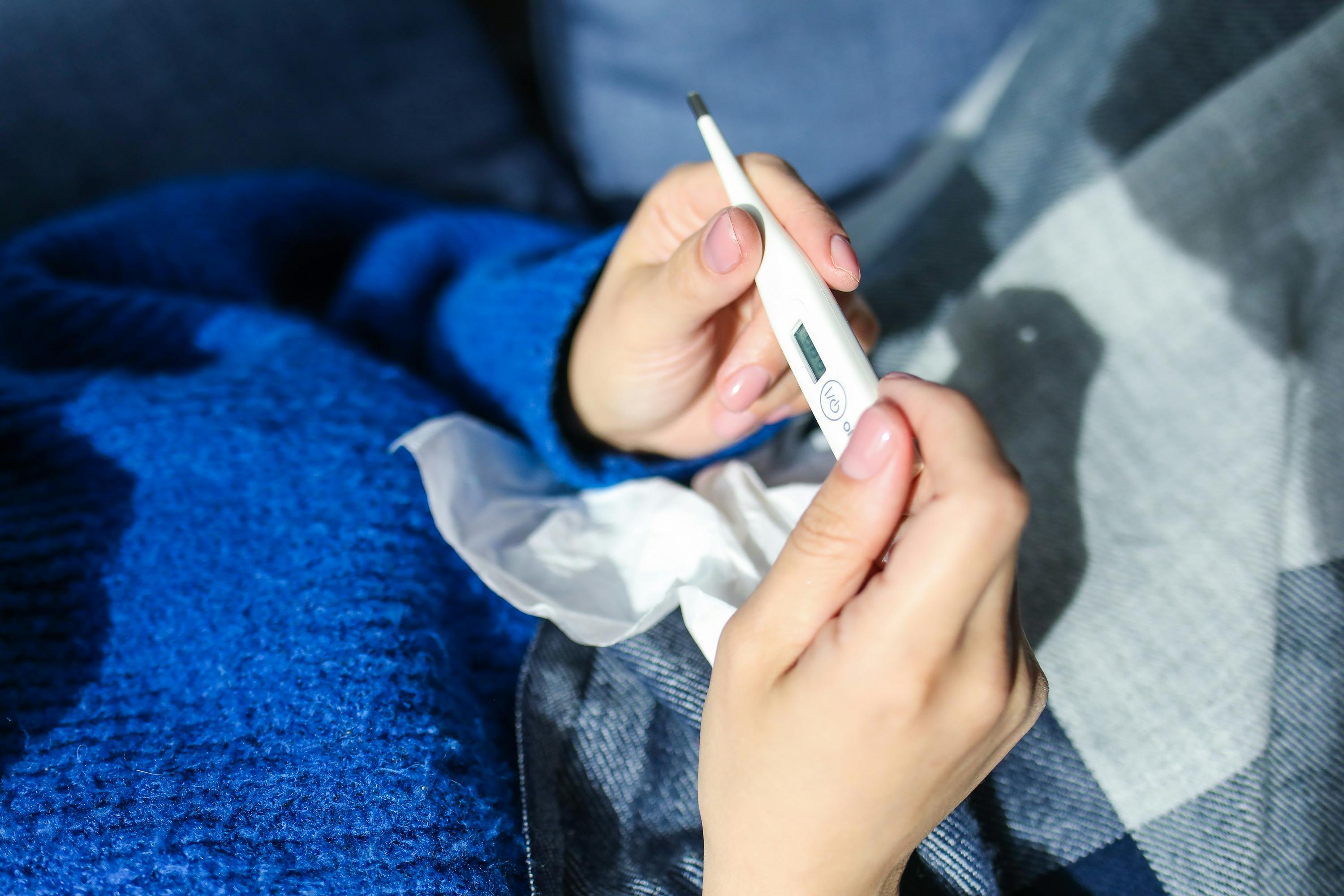
- Digital thermometer and backup batteries
- Disinfectant wipes, soap, tissues, disposable gloves for cleanup
- Spare linens and towels stored separately for quick changes
Common Obstacles (And How to Work Around Them)
Many San Franciscans face real barriers to following “ideal” public health advice. Here are a few common ones and realistic workarounds.
“I can’t afford to miss work whenever I’m sick.”
- Ask your employer about paid sick leave or remote-work flexibility; many companies expanded policies during and after COVID.
- Use masks and distancing if staying home truly isn’t possible, to reduce the risk to coworkers.
- If you work in food service or caregiving, seek guidance from your supervisor or union; regulations may require you to stay home with vomiting or diarrhea.
“Our apartment is small and crowded.”
- Designate a “sick corner” with its own trash bag, tissues, and wipes if possible.
- Open windows for short bursts several times a day to refresh air.
- Rotate shared tasks (like diaper changes and cleaning) among adults while emphasizing handwashing right afterward.
“My child hates washing their hands.”
- Use songs, timers, or sticker charts to make a game out of 20-second handwashing.
- Let them choose a fun soap scent or foaming dispenser.
- Focus on key moments: after bathroom use, before eating, and after daycare or playground.
Before and After: What a Few Changes Can Look Like
No single habit is magic. But modest changes can shift a household from “constantly sick” to “occasional, milder illnesses.”


This doesn’t guarantee you’ll avoid getting sick, but it can reduce how often illness spreads through every member of the household and how severe it becomes—an important, realistic win.
What Science (and Scientists) Are Watching Next
Researchers and public health experts are tracking several questions about San Francisco’s current viral mix:
- Are there genetic changes in circulating rotavirus or other viruses that affect how contagious or severe they are?
- How much do vaccination gaps versus behavioral changes explain the surge?
- Are specific neighborhoods or settings (daycares, shelters, large events) acting as key amplifiers?
- How do viral patterns in San Francisco compare with other major urban centers in 2026?
Findings from these efforts will shape future recommendations, but you don’t have to wait for perfect answers to start using the tools we already know help.
Moving Forward Without Panic: Your Next Small Step
The wave of gastrointestinal and respiratory viruses in San Francisco this year is frustrating, draining, and—for some families—frightening. It’s also understandable given how much our city’s routines, immunity, and environments have shifted since 2020.
You don’t need to overhaul your life to make a difference. Instead, choose one or two actions to start this week:
- Schedule a quick check of your family’s vaccination status.
- Set up a simple sick-day kit in a labeled bag or box.
- Pick one new handwashing “rule” (for example, always after school and before dinner).
These are modest steps, but over time they add up—to fewer emergency visits, shorter illness chains at home, and more days where you can simply enjoy the city rather than worry about its germs.
If you’re unsure about symptoms or vaccines, reach out to your primary-care clinician or a pediatric provider. They can help you tailor these general principles to your family’s specific health needs.
