
Inside the Bat Feast: What Animal Videos from an African Cave Reveal About Deadly Virus Spread
In a remote cave in Uganda, a hidden camera recently captured a scene that looks almost cinematic: a leopard slipping silently into the darkness, then leaping to snatch live bats from the air. Around the same cave, pythons, porcupines, genets, and birds of prey all take their turn at what scientists are calling a “bat feast.” At the same time, hundreds of people visit the area, some entering the cave itself.
This cave is a known hotspot for Marburg virus, a close relative of Ebola that can cause deadly hemorrhagic fever in humans. The new research, published in Nature, uses animal videos from this “bat buffet” to piece together how viruses might move from bats to other animals—and ultimately to us. It’s a stark, real-world look at spillover risk, but it also offers practical lessons for how we can reduce the chances of future outbreaks without resorting to panic or blame.
What the “Bat Feast” Study Found in Uganda’s Marburg Hotspot
The study focused on a cave system in Uganda already known to harbor Marburg virus in Egyptian fruit bats. Researchers installed motion-triggered cameras around the cave and monitored both wildlife and human activity over time.
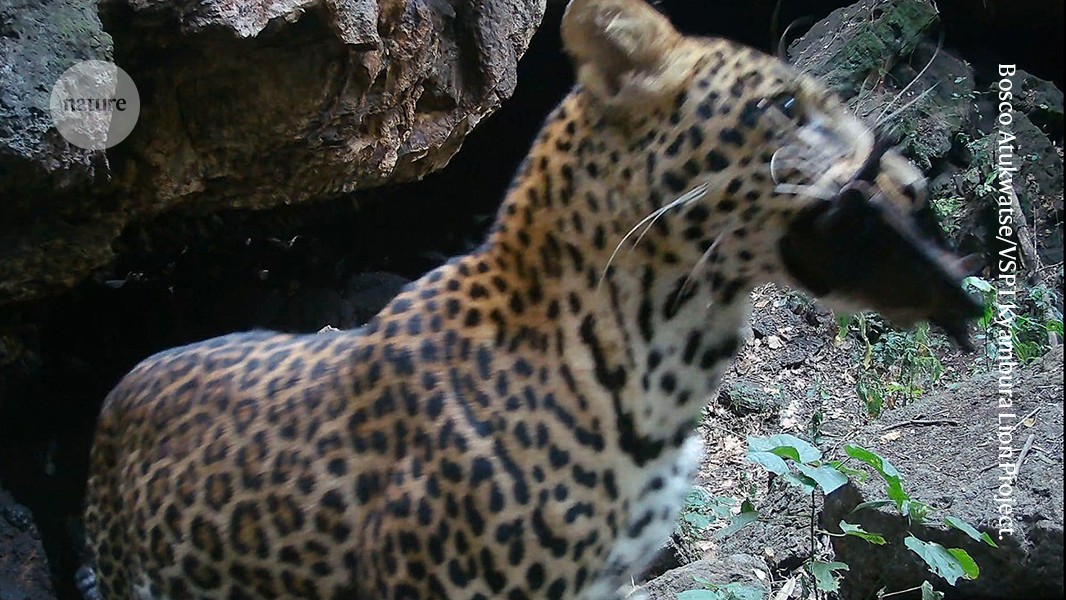
According to the researchers, at least ten species were filmed eating or scavenging bats, including:
- Leopards (likely first direct evidence of them preying on live bats)
- Large snakes, including pythons
- Small carnivores such as genets and civets
- Birds of prey and scavenging birds
- Other mammals visiting to feed on dead or weakened bats
The cameras also captured hundreds of people visiting the area—some as tourists, some as locals collecting resources or passing through. Taken together, these observations map out a dense web of contact between bats, predators, scavengers, and humans around a known viral reservoir.
“What we see around this cave is essentially a natural experiment in spillover risk: multiple species interacting with infected bats at very close range. Understanding that network is crucial if we want to prevent the next Marburg event.” – Field epidemiologist involved in bat-borne virus research
How Deadly Viruses Spread from Bats: The Spillover Pathway
Bats are natural reservoirs for several viruses, including Marburg, some coronaviruses, and other emerging pathogens. Most of the time, those viruses stay in bats and never reach us. Spillover happens when a virus crosses from its usual host into a new species and manages to keep spreading.
The “bat feast” observations illustrate several classic spillover routes:
- Predation and scavenging: Carnivores and scavengers that eat infected bats are directly exposed to blood, saliva, and tissues that may contain high levels of virus.
- Environmental contamination: Bat guano, urine, and saliva can contaminate cave surfaces, nearby vegetation, and soil, potentially exposing animals and humans who touch or inhale particles.
- Human presence in roosting sites: People entering caves, handling bats, or collecting guano are in close proximity to a concentrated reservoir of virus.
- Intermediate hosts: In some cases, the virus may first establish itself in a non-bat animal (for example, a primate or another mammal that preys on bats) before being transmitted to humans.
Importantly, this study does not show that every animal or person visiting the cave becomes infected. Instead, it maps out all the plausible pathways that might, under the right conditions, allow Marburg virus to jump species.
A Closer Look: The Leopard, the Cave, and a Real-World Spillover Risk
One of the most striking pieces of footage from the study showed an African leopard repeatedly visiting the cave entrance to catch bats on the wing. This appears to be the first visual confirmation of a leopard actively hunting live bats in a known Marburg hotspot.
Why does this matter? Large predators can:
- Travel long distances, potentially spreading pathogens geographically
- Prey on multiple species, linking different parts of the ecosystem
- Leave partially eaten carcasses that attract other scavengers (including domestic animals)
In a hypothetical chain, an infected bat could expose a leopard, which might then interact with scavengers, domestic dogs, or even people who share space with those animals. While we do not yet have proof that Marburg has moved through this exact chain, the video evidence highlights how many steps exist between a single bat and a human case.
Case insight: When I consulted on a regional zoonotic-disease training a few years ago, one challenge was helping local teams visualize these invisible chains of transmission. Footage like the leopard–bat interaction can make those hidden links real, making it easier to design practical, culturally appropriate prevention strategies.
Human Footprints in a Viral Hotspot: Tourism, Work, and Daily Life
The cameras didn’t just record wildlife. They also documented steady human traffic: tourists, local residents, and workers all moving in and around the cave area. For communities living nearby, the cave is part of the landscape—some people may visit for curiosity, spiritual reasons, or practical needs such as collecting resources.
From a public-health perspective, this matters because:
- People may enter the cave without protective gear, increasing exposure to bat droppings or aerosolized particles.
- Tourism infrastructure can bring visitors from farther away, who then travel back to cities or other countries.
- Economic pressures can make it hard to simply “avoid” risky areas, especially when caves are tied to livelihoods.

Why This Research Matters for Future Outbreak Prevention
Marburg virus outbreaks are rare but can be severe, with reported case fatality rates in past events ranging roughly from 24% to 90%, depending on the setting and available care. Unlike speculative lab scenarios, the “bat feast” study offers hard, field-based data about real interactions that shape risk.
The findings support several broader lessons:
- Zoonotic risk is ecological, not just medical.
Who eats whom, where animals roost, and how people use landscapes all influence whether a virus ever has a chance to reach us. - Protecting nature can protect health.
When habitats are disturbed, animals (including bats) may be forced into closer contact with humans and domestic animals, sometimes increasing spillover opportunities. - Early-warning “hotspots” are possible.
Mapping high-risk caves and monitoring them can help detect and respond to potential spillover events before they spread widely.
This aligns with the World Health Organization’s One Health approach, which emphasizes the links between human health, animal health, and the environment.
Practical Implications: From Field Research to Real-World Protection
Although this study is highly specialized, its lessons filter down to practical, everyday decisions for governments, health systems, and communities. Based on current evidence (including WHO and CDC guidance on Marburg and similar diseases), several strategies stand out.
1. Smarter cave and bat-roost management
- Post clear, multilingual warning signs at known Marburg-positive caves.
- Limit unprotected tourism or require basic safety measures for cave tours.
- Work with local leaders to designate safe zones and no-go areas.
2. Community-centered education
- Share information about Marburg and bat-borne viruses in accessible, non-alarmist language.
- Offer alternatives or safer methods if people rely on bats or caves for livelihood (for example, alternative income programs, safer guano collection methods).
- Engage trusted community figures—teachers, religious leaders, local health workers—to co-create messages.
3. Strengthened surveillance and rapid response
- Monitor wildlife health around known hotspots, including bats and key predators.
- Train local clinics to recognize early signs of Marburg and other hemorrhagic fevers.
- Establish clear referral and isolation procedures for suspected cases, aligned with CDC guidance on Marburg virus disease.

Common Obstacles: Fear, Stigma, and Economic Realities
Turning research like this into real-world protection isn’t simple. Several barriers come up repeatedly in outbreak-prone regions:
- Fear-driven responses: When people hear “deadly virus” and “bats,” the first instinct may be to kill bats or destroy caves. This can actually worsen risk by scattering animals and increasing contact with humans elsewhere.
- Livelihood constraints: If a cave is a key source of income or cultural identity, simple “do not enter” messages are unlikely to work without offering alternatives.
- Mistrust of outside experts: Communities may be wary of external researchers or health agencies, especially if previous interactions felt extractive or disrespectful.
“In one training, a village elder told us: ‘You come, you take your samples, and you leave. We are the ones who stay with the bats.’ That reminder pushed the team to build longer-term partnerships instead of quick visits.”
Addressing these obstacles requires patient, long-term engagement—something that goes beyond any single study, but which research like the “bat feast” project can help inform by clarifying where the real risks lie.
What This Research Does Not Mean: Avoiding Misinterpretation
It’s easy for vivid footage—like a leopard eating bats in a Marburg cave—to fuel dramatic headlines. To stay grounded, it helps to be clear about what the current evidence does not show:
- This study does not prove that every species filmed is actively transmitting Marburg virus.
- It does not show that casual proximity to bats always leads to infection.
- It does not justify culling bats or predators, which play essential roles in ecosystems.
- It does not suggest that people living near caves are “to blame” for outbreaks.
Instead, the research strengthens our understanding of possibilities—where viruses might travel if given the chance. That knowledge is a tool for designing targeted, humane, and proportional prevention strategies.
Visual Summary: From Bat Cave to Human Case (Conceptual Infographic)
Imagine an infographic with the cave at the center and arrows radiating outward:
- Bat colony in cave (natural reservoir of Marburg virus).
- Predators and scavengers (leopards, snakes, small carnivores, birds) feeding on bats.
- Environmental contamination (guano, saliva, and urine on cave surfaces and nearby vegetation).
- Humans (tourists, locals, workers) entering or approaching the cave.
- Health system (clinics and surveillance) detecting and managing any resulting infections.

Each arrow represents a point where interventions—like education, protective equipment, or habitat management—can reduce spillover risk without dismantling the ecosystem itself.
How You Can Use These Insights: For Readers, Professionals, and Policymakers
If you live near bat habitats or caves:
- Avoid entering bat-heavy caves without guidance from local health or wildlife authorities.
- Use basic protection (such as masks and gloves) if you must enter for work or research, following official recommendations.
- Report unusual clusters of severe illness to local health services early.
If you’re a health or wildlife professional:
- Incorporate ecological data—like the presence of predator–bat interactions—into risk assessments.
- Collaborate across disciplines (veterinary, human medicine, ecology, social science) in a One Health framework.
- Use concrete visuals from studies like this to improve training materials and community discussions.
If you influence policy or funding:
- Support long-term, field-based surveillance in known hotspots, not just emergency response after outbreaks begin.
- Invest in community-led programs that align conservation, economic resilience, and health protection.
- Ensure that tourism policies around caves and wildlife areas consider zoonotic-disease evidence.
Moving Forward: Learning from the Bat Feast Without Living in Fear
The cameras in that Ugandan cave did more than capture dramatic wildlife footage—they revealed a complex, living web that connects bats, predators, scavengers, and humans in a shared space where a deadly virus circulates. That knowledge is sobering, but it’s also empowering. It shows us the specific places and behaviors where risk concentrates, and therefore where thoughtfully designed interventions can make the most difference.
Instead of framing bats or caves as enemies, the emerging science invites a more nuanced view: by understanding and respecting these ecosystems, we gain tools to protect both human health and wildlife. As research continues, the challenge will be turning insights from studies like this “bat feast” into practical, locally grounded actions that help prevent the next outbreak before it starts.

If you work in health, wildlife, or policy—or if you simply care about preventing the next pandemic—now is a good time to follow this area of research, support One Health initiatives, and advocate for solutions that honor both people and the ecosystems we share.
Article Metadata (SEO & Structured Data)
How “Bat Feast” Animal Videos from an African Cave Reveal New Clues About Marburg Virus Spread
Researchers filming wildlife at a Marburg-virus hotspot cave in Uganda captured leopards, snakes, and other species eating bats—plus hundreds of human visitors. These videos map out real-world spillover pathways and offer practical insights for preventing future outbreaks through One Health approaches, community engagement, and smarter cave management.
Editorial Science Writer
Marburg virus, bat-borne viruses, zoonotic spillover, African cave, bat feast, wildlife predation, One Health, emerging infectious diseases
