Maryland Measles Case: What It Means For You And How To Stay Protected
A recent confirmed case of measles in a Baltimore-area Maryland resident who had traveled internationally has many families feeling anxious and a bit confused. If you’re wondering whether you should be worried, how measles spreads, and what you can do right now to protect your household, you’re not alone. Let’s walk through the facts calmly and clearly so you can make confident, science-based decisions.
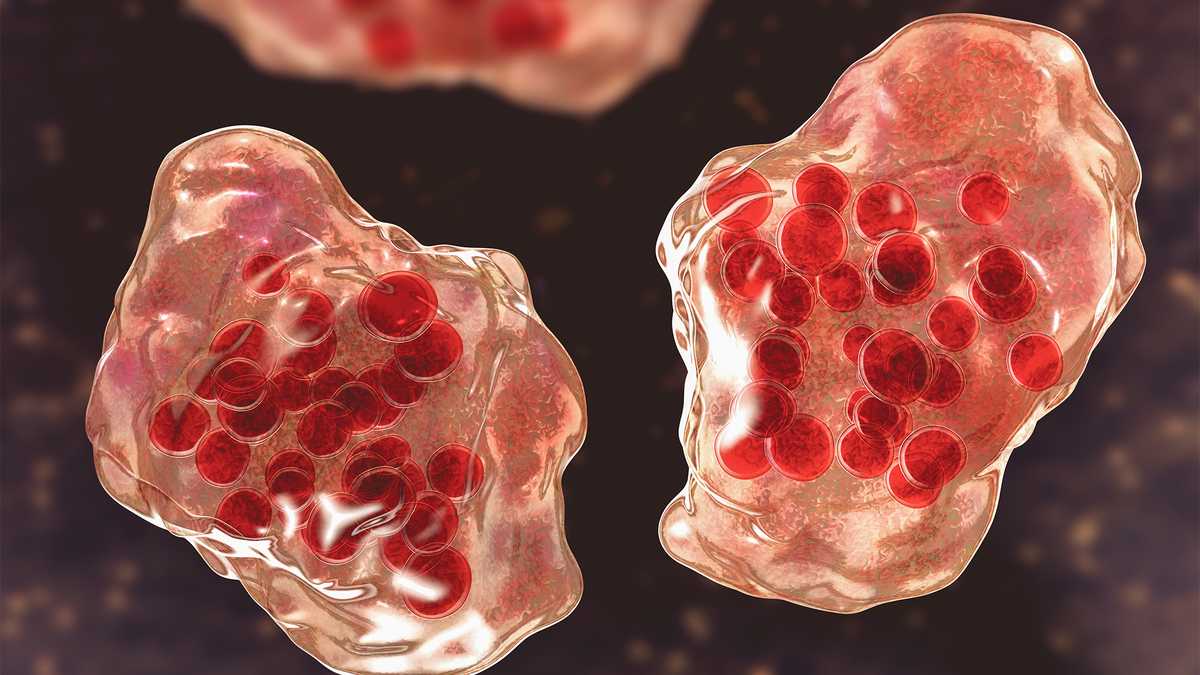
In this guide, we’ll break down what this Maryland measles case means for you, how to recognize symptoms, when to call your doctor, and the most effective ways—backed by decades of research—to prevent measles outbreaks.
Why This Maryland Measles Case Matters
Measles was declared eliminated from the United States in 2000, which means it was no longer constantly spreading here. But “eliminated” is not the same as “gone forever.” Because measles is still common in many parts of the world, travelers can bring the virus back to the U.S.—exactly what appears to have happened in this confirmed Maryland case.
The main concern is that measles is one of the most contagious diseases we know. If an infected person is in a room, the virus can linger in the air for up to two hours after they leave. Up to 9 out of 10 unvaccinated people who are exposed may become infected, according to the U.S. Centers for Disease Control and Prevention (CDC).
What Is Measles and How Does It Spread?
Measles is a viral infection that starts in the respiratory system and then spreads throughout the body. It often begins like a bad cold but can quickly become serious, especially in young children, pregnant people, and those with weakened immune systems.
Common measles symptoms
- High fever, often 101°F–104°F (38.3°C–40°C)
- Cough, runny nose, and red or watery eyes
- Tiny white spots inside the mouth (called Koplik spots)
- Red, blotchy rash that usually starts on the face and spreads downward
- Feeling extremely tired or unwell
Most people develop symptoms about 7–14 days after being exposed. The tricky part is that people with measles can spread the virus to others about four days before the rash appears and up to four days after.
“Measles is so contagious that if one person has it, up to 90% of the people close to that person who are not immune will also become infected.”
— U.S. Centers for Disease Control and Prevention (CDC)
The Maryland Measles Case: What We Know So Far
According to Maryland state health officials, a Baltimore-area resident who recently traveled internationally has been diagnosed with measles. Health authorities are:
- Investigating where and when the person may have been contagious in public settings
- Identifying and notifying close contacts who might have been exposed
- Reviewing vaccination records and recommending post-exposure measures where appropriate
This is a standard, evidence-based public health response that aims to contain any potential spread quickly. If you were in a location and time window considered high risk, health officials or your healthcare provider may contact you with specific instructions.
Should You Be Worried? Understanding Your Risk
Understandably, the word “measles” can bring up fear, especially for parents of young children. The real level of concern depends largely on your immunity status and whether you were in locations linked to the confirmed case.
Generally, your risk is low if:
- You received two doses of the measles-mumps-rubella (MMR) vaccine
- You were born before 1957 (many people in this age group are presumed immune due to past exposure)
- You have a blood test showing immunity to measles
Your risk may be higher if:
- You are unvaccinated or only received one dose of MMR
- You have certain conditions that weaken your immune system
- You are an infant who is too young to receive the full vaccine series
- You recently traveled internationally to areas with ongoing measles outbreaks
Even if your overall risk is low, this Maryland case is a timely reminder to confirm that your measles protection is up to date—especially if you or your children may be around infants, pregnant people, or anyone with a weakened immune system.
How the MMR Vaccine Protects You (and Your Community)
The MMR vaccine (measles, mumps, and rubella) is the most effective tool we have against measles. It has been used for over 50 years and studied in millions of people worldwide.
What the evidence shows
- One dose of MMR is about 93% effective against measles.
- Two doses are about 97% effective, according to the CDC.
- Widespread vaccination is the reason measles became rare in the U.S.

“MMR vaccination is safe and highly effective. Maintaining high coverage is essential to preventing measles outbreaks.”
— World Health Organization (WHO)
Step-by-Step: How to Check Your Measles Immunization Status
If you’re not sure whether you or your child are fully protected, you’re in very common company—many adults don’t have their old records handy. Here’s a practical way to sort it out:
- Look for old records. Check your patient portal, childhood vaccination card, school or college health records, or documents from previous employers (especially healthcare or childcare employers).
- Call your doctor or pediatrician. They may have records in their electronic system, even if you don’t have paper copies.
- Ask about a blood test if needed. A measles IgG antibody test can show if you’re immune, but it’s not always necessary.
- When in doubt, revaccination is often reasonable. For most people, getting MMR again is safe even if you were previously vaccinated. Your healthcare provider can advise what makes sense in your specific case.
For children, the routine schedule in the U.S. is:
- First MMR dose at 12–15 months of age
- Second MMR dose at 4–6 years of age
What to Do If You Think You Were Exposed to Measles
Exposure can feel scary, especially if you live near where a case was reported or you know you’re not fully vaccinated. Taking clear, prompt steps can make a real difference.
If you may have been exposed:
- Do not rush to the ER or clinic without calling first. This helps avoid exposing others in waiting rooms.
- Call your healthcare provider or local health department. Explain when, where, and how you might have been exposed and your vaccination status.
- Follow their guidance on testing or post-exposure protection. In some cases, getting MMR vaccine or immune globulin soon after exposure can reduce the risk of illness or complications. Timing is critical, especially for infants, pregnant people, and those with weakened immunity.
- Monitor for symptoms. Watch for fever, cough, red eyes, or rash for at least 21 days after the possible exposure.
Traveling Soon? How to Protect Yourself from Measles
The Maryland case involved international travel, which is a common way measles re-enters the U.S. If you have upcoming trips—especially abroad—this is a smart moment to review your protection.
Travel checklist:
- Confirm that all travelers have had two doses of MMR, if eligible.
- For infants 6–11 months, ask your doctor about an early MMR dose before international travel.
- Review the CDC’s travel health notices for your destination.
- Keep a digital or paper copy of your immunization records while traveling.

Common Obstacles (and How Real Families Work Through Them)
Knowing what to do is one thing; actually getting it done in a busy, complicated life is another. Many families run into practical or emotional barriers around vaccination and follow-up care.
1. “I can’t find my records.”
This is extremely common. One Baltimore parent shared that when the measles news hit, she realized she had moved three times since her kids’ early shots and couldn’t find their old cards. Her pediatrician’s office was able to print a complete history from their electronic record within minutes. If your clinic has changed systems, they may still be able to request archived records.
2. “I’m nervous about side effects.”
The MMR vaccine can cause mild side effects like temporary soreness at the injection site or a low-grade fever. Serious side effects are rare and are continuously monitored by safety systems in the U.S. and globally. If you have specific concerns or a personal or family history of allergic reactions, have an open conversation with your healthcare provider—they can walk through your risks and benefits in detail.
3. “Taking time off work is hard.”
Many clinics now offer extended hours, weekend appointments, or community vaccination events. Some pharmacies can provide MMR to adults. When measles activity is in the news, it can help to mention this to your employer; many workplaces will support a brief visit if it reduces the risk of sick leave later.
Everyday Prevention: Beyond the Vaccine
Vaccination is the cornerstone of measles prevention, but there are additional steps that support overall infection control—especially during times of increased respiratory illness.
- Stay home when you’re sick with fever and rash until cleared by a healthcare provider.
- Practice good hand hygiene with soap and water or alcohol-based hand sanitizer.
- Cover coughs and sneezes with a tissue or your elbow.
- Improve ventilation in shared spaces when possible (open windows, use well-maintained HVAC systems).

Trusted Resources for Up-to-Date Information
Because measles situations can evolve quickly, it’s important to rely on current, authoritative sources rather than social media rumors.
- Maryland Department of Health – Local updates, exposure notices, and guidance.
- CDC Measles Information – Symptoms, vaccination, and travel advice.
- World Health Organization: Measles – Global perspective and outbreak data.
Moving Forward: Calm, Informed, and Protected
A measles case in the community can feel unsettling, especially if you’re caring for children or vulnerable family members. But it can also be a powerful prompt to take a few concrete steps that genuinely reduce risk—without panic.
If you do just three things after reading this:
- Check your own and your family’s MMR vaccination status.
- Reach out to your healthcare provider if you’re unsure or need to catch up.
- Stay tuned to official health department updates rather than rumors.
You don’t have to solve everything today, and you certainly don’t have to do it alone. Your primary care provider, pediatrician, and local health department are there to help you sort through questions and make a clear plan that fits your situation.
Your next step: set a reminder—today—to verify immunization records for yourself and your household. A 10-minute phone call now can go a long way toward protecting your family and your community.