
Why Are More Young Adults Getting Colon Cancer? The Hidden Role of Education and Income
Younger Adult Colon Cancer Deaths: Why Education and Income Matter More Than We Thought
Over the past few years, you may have heard unsettling news: more people under 50 are being diagnosed with colorectal (colon and rectal) cancer, and more are dying from it. A new analysis reported by the Associated Press adds an important—and painful—detail: these rising deaths are concentrated among younger adults with less education, pointing to powerful socioeconomic forces behind the trend.
If you or someone you love is a younger adult juggling work, bills, and family responsibilities, it can feel unfair that something like education level could influence cancer risk. This article walks through what the new study suggests, how factors like income, access to care, and daily stress play into colon cancer risk, and—most importantly—what realistic steps you can take to protect yourself, even if you don’t have perfect insurance, flexible work hours, or a medical degree.
The Problem: Colon Cancer Is Rising in Younger Adults—Unevenly
Colorectal cancer has long been considered a disease of older adults, but over the last three decades, doctors have seen a steady rise in diagnoses and deaths among people in their 20s, 30s, and 40s. The new study summarized by AP News looked closely at who is most affected and found a striking pattern:
- Deaths from colorectal cancer in younger adults have risen overall in the last 30 years.
- The sharpest increases occurred in people with less formal education (for example, those without a college degree).
- This pattern suggests that socioeconomic factors—like income, job type, and neighborhood resources—are strongly linked to the risk of dying from colon cancer at a younger age.
“We’re not just seeing more colon cancer in young people—we’re seeing it hit hardest in communities with fewer educational and economic opportunities. That tells us biology is only part of the story.”
While researchers are still untangling all the causes, the pattern is clear: where you live, what you earn, and what education you had access to can shape your colon cancer risk—even when you’re relatively young.
Why Education Level Is Linked to Colon Cancer Risk
Education itself doesn’t “cause” or “prevent” cancer. Instead, it often reflects a web of life circumstances that can either protect or endanger your health. People with less formal education are, on average, more likely to experience:
- Lower income and less stable jobs
Irregular hours, multiple jobs, and lack of paid time off make it harder to:- Schedule colonoscopies or stool tests
- See a doctor when new symptoms appear
- Afford co-pays, transportation, or child care for appointments
- Limited access to regular primary care
Without a consistent primary care clinician, it’s less likely that:- Anyone reminds you when it’s time for screening
- “Embarrassing” symptoms like rectal bleeding get thoroughly checked
- Higher exposure to health risks
Neighborhoods with fewer resources often have:- Limited access to fresh, affordable foods
- Fewer safe places to walk or exercise
- Higher rates of smoking and heavy alcohol use
- Chronic stress
Financial strain, job insecurity, and discrimination can lead to:- Long-term inflammation and hormonal changes linked to cancer risk
- Less bandwidth to prioritize screening or lifestyle changes
What the New Study Found About Young Adult Colon Cancer Deaths
The AP report describes a large analysis of colorectal cancer deaths over roughly the last 30 years. While the exact numbers can vary by region and demographic group, the overarching findings were:
- Among adults under 55, death rates from colorectal cancer increased over time.
- The increase was not evenly distributed: people with lower education levels saw bigger jumps in death rates.
- This gap persisted even after accounting for age, sex, and some racial and regional differences.
These findings fit with other research showing that colorectal cancer is increasingly being diagnosed in younger adults, and that Black, Indigenous, and some other minority communities—who often face structural barriers to education and healthcare—carry a disproportionate burden.
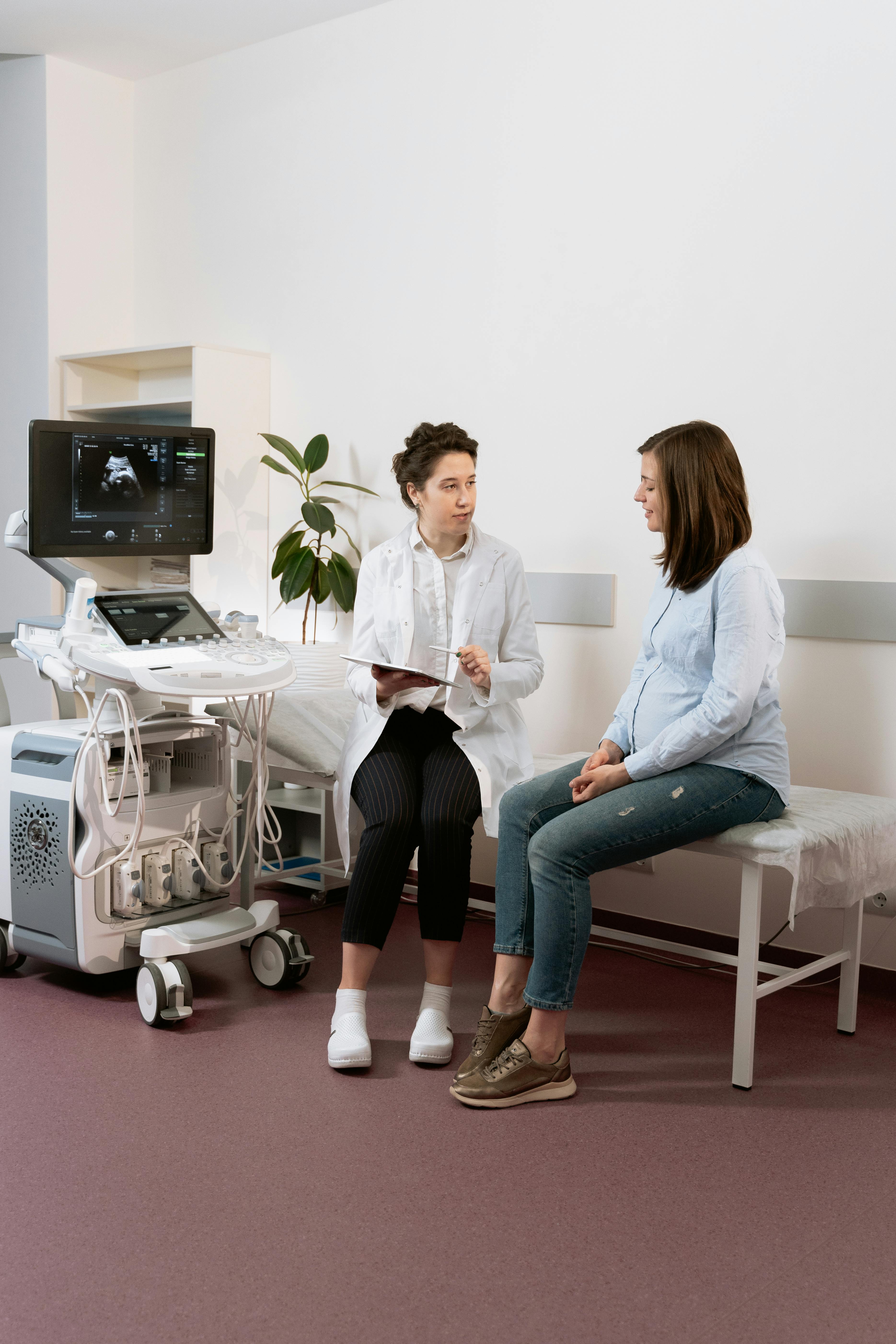
It’s important to emphasize that this kind of study can’t prove cause and effect. But the consistent association between lower education and higher risk of dying from colon cancer at a younger age is a strong signal that social and economic conditions are deeply involved.
Known Risk Factors for Colorectal Cancer in Younger Adults
While scientists are still uncovering why colorectal cancer is rising in younger adults, several risk factors are reasonably well established:
- Family history of colon or rectal cancer, or certain polyps
- Inherited conditions like Lynch syndrome or familial adenomatous polyposis (FAP)
- Inflammatory bowel disease (ulcerative colitis or Crohn’s disease)
- Obesity and sedentary lifestyle
- Diets high in processed meats and low in fiber-rich foods
- Smoking and heavy alcohol use
Many of these factors overlap with the realities of life in lower-income settings—less access to nutritious foods, fewer safe places to be active, higher smoking rates, and more day-to-day stress.
Practical Ways to Lower Your Colon Cancer Risk—Even With Limited Resources
You can’t change your childhood, your genetics, or the education you had access to. But there are steps—both medical and lifestyle—that can meaningfully reduce your risk or catch problems early. Here are realistic, evidence-informed strategies:
1. Know Your Personal and Family History
- Ask relatives if anyone has had colon, rectal, or other digestive cancers, or lots of colon polyps.
- Share this history with your clinician; it may qualify you for earlier or more frequent screening.
2. Don’t Ignore “Embarrassing” Symptoms
Seek medical advice if you notice:
- Rectal bleeding or blood in your stool
- Unexplained weight loss
- Ongoing changes in bowel habits (diarrhea, constipation, or narrower stools)
- Persistent abdominal pain or cramps
- Feeling like you still need to “go” after a bowel movement
3. Use the Screening Tools That Fit Your Situation
Screening options include:
- Colonoscopy (every 10 years when normal; can find and remove polyps)
- Fecal immunochemical tests (FIT) or stool DNA tests (usually yearly or every 3 years, depending on the test)
If taking time off for a colonoscopy feels impossible, ask if a home stool test (like FIT) is an option. It’s better to have some screening than none at all.
4. Make “Small But Steady” Lifestyle Tweaks
Radical life overhauls aren’t realistic for most people. Instead, consider:
- Move more in ways that fit your life—walking on breaks, taking stairs, simple home exercises.
- Add fiber where you can—beans, lentils, oats, fruits, and frozen veggies are often affordable.
- Cut back slowly on processed and red meats—start with one or two meatless days per week.
- Reduce smoking and heavy drinking—even partial reductions can improve overall health.

5. Look for Community and Low-Cost Resources
- Ask clinics about sliding-scale fees, financial assistance, or free screening days.
- Check with local health departments, community centers, or advocacy groups about colon cancer screening programs.
- If you have insurance, call the number on your card and ask what colorectal screening is covered at no cost.
Common Obstacles—and How People Are Overcoming Them
Knowing what to do and being able to do it are very different things. Here are some of the most common barriers younger adults report, along with strategies that have helped others:
- “I can’t take time off work.”
Some people:- Schedule procedures first thing in the morning or late in the day.
- Use home stool tests that don’t require time off.
- “I’m scared or embarrassed about the test.”
Many find it easier when:- A clinician walks them through exactly what will happen.
- They hear from others who have had the test and recovered quickly.
- “I don’t trust the healthcare system.”
This is understandable for many communities. Helpful steps can include:- Seeking clinicians from your community or recommended by trusted friends or family.
- Bringing a support person to appointments if allowed.
- Preparing questions in advance and asking for plain-language explanations.
- “I don’t have insurance or I’m underinsured.”
People in this situation often:- Use community health centers or public hospitals that offer reduced-cost care.
- Apply for patient assistance programs or charity care.
- Start with lower-cost options like FIT tests when colonoscopy isn’t immediately possible.
“I put off talking about my bleeding for almost a year because I felt silly and overdramatic. When I finally got a colonoscopy, they found a large polyp that could have turned into cancer. I was 39. I’m so glad I pushed past the embarrassment.”
The Bigger Picture: Policy, Equity, and System-Level Change
No amount of individual willpower can fully offset structural problems like underfunded neighborhoods, low wages, and patchy insurance coverage. The new research on education and young adult colon cancer deaths is a reminder that policy changes are just as important as personal habits.
Efforts that may help reduce these disparities include:
- Expanding no-cost access to colorectal screening starting at age 45 (or earlier for high-risk groups).
- Investing in public health campaigns that specifically reach communities with lower education levels.
- Supporting paid sick leave so people can attend appointments without losing income.
- Improving nutrition, housing, and environmental conditions in under-resourced neighborhoods.

What Experts and Research Say About Young-Onset Colon Cancer
Recent scientific publications and expert groups have consistently highlighted:
- Growing incidence in younger adults: Large registries have documented increasing colorectal cancer cases among people under 50 over the last few decades.
- Importance of early detection: When found at an early stage, colorectal cancer is often highly treatable, with significantly better survival rates.
- Role of social determinants of health: Factors like education, income, race, and neighborhood conditions strongly influence who gets screened and how early cancer is found.
While different studies sometimes report slightly different numbers, the direction is consistent: younger-onset colorectal cancer is a real and growing concern, and it is deeply intertwined with inequality.
A “Before and After” View: The Power of Early Screening
To understand why screening and timely symptom checks matter so much, it helps to imagine two typical scenarios.

- Before: No screening, delayed evaluation
A 42-year-old with rectal bleeding assumes it’s hemorrhoids and is busy with work and kids. They delay seeing a doctor, then are misdiagnosed once or twice. By the time a colonoscopy is done, the cancer is advanced, requiring aggressive treatment and carrying a higher risk of death. - After: Early screening and follow-up
A similar 42-year-old completes a stool test offered at a community clinic or gets a colonoscopy after persistent symptoms. A precancerous polyp or early-stage tumor is found and removed. Treatment is simpler, and long-term survival chances are much higher.
These scenarios illustrate why experts emphasize both access to screening and timely evaluation of symptoms, especially in communities facing educational and economic barriers.
Moving Forward: What You Can Do Today
The rise in colorectal cancer deaths among younger adults—especially those with less education—is not just a medical issue; it’s a justice issue. You didn’t choose your starting line in life, and you shouldn’t have to carry a higher cancer risk because of it.
While we push for fairer systems, here are meaningful actions you can consider in the near term:
- Know your age and risk level, and ask a clinician when you should begin screening.
- Listen to your body—especially if you notice bleeding, changes in bowel habits, or persistent abdominal discomfort.
- Take one small, realistic step toward a healthier routine this week, whether that’s a 10-minute walk, a fiber-rich meal, or cutting back on smoking or alcohol.
- Share what you learn with friends, coworkers, or family—especially those who may have had fewer opportunities to hear this information.
You don’t need a medical degree or a perfect lifestyle to take meaningful steps toward protecting your colon health. Start with what’s possible for you today, and if you feel overwhelmed, remember: asking one question, making one appointment, or having one honest conversation is already a powerful move in the right direction.
If you are 45 or older—or younger with worrying symptoms—consider contacting a healthcare provider or community clinic this month to talk specifically about colorectal cancer screening. Your future self may be profoundly grateful.
