
Celebrity Longevity Breakfasts vs Real-Life Healthy Morning Routines
Celebrity “Longevity Diets” & Biohacking Breakfasts: What Actually Belongs on Your Plate?
Intermittent fasting windows, mushroom coffee, green powders, and meticulously “optimized” longevity breakfasts are everywhere—from celebrity podcasts to CEO morning routine videos. The promise is irresistible: drink this, skip that, and you might just slow aging, boost focus, and extend your lifespan. But behind the glossy rituals and supplement stacks, the fundamentals of nourishing, longevity-supportive eating are far simpler—and a lot more delicious—than most of these biohacking scripts suggest.
Think of this guide as a friendly breakfast table conversation. We’ll walk through what celebrities are actually doing, what the science says, and then translate the hype into realistic, satisfying morning ideas you can cook in your own kitchen—no private chef, no IV drips, just good food that loves you back.
How Celebrity Longevity Diets Took Over Breakfast
Scroll through social media and you’ll notice a pattern: high‑profile celebrities, founders, and wellness influencers walk you through their morning down to the milliliter. Instead of a simple bowl of oats, you’ll hear about:
- Exact fasting windows (“I eat between 12–8 p.m. only”).
- Stacked functional drinks—mushroom coffee, matcha with collagen, adaptogenic elixirs.
- “Longevity” superfood breakfasts centered on greens powders and low‑sugar smoothies.
- Highly tailored data‑driven tweaks using continuous glucose monitors and at‑home lab tests.
These routines are framed as anti‑aging, high performance, and almost medical—yet they’re often built atop the same core idea: eat fewer ultra‑processed foods, more plants, and avoid random snacking. The challenge is separating the truly useful patterns from the expensive noise.
Core Themes in Celebrity Longevity Diets
1. Intermittent Fasting & Time‑Restricted Eating
Many public figures swear by eating in 8‑hour (or shorter) windows—often noon to 8 p.m.—replacing traditional breakfast with coffee, tea, or electrolyte drinks. The idea is to give the body longer breaks from digesting food, potentially improving blood sugar control and weight management for some people.
Research suggests that when calories and overall quality are similar, time‑restricted eating can be one helpful option, not necessarily a magic upgrade over consistent, balanced meals. For some, especially those with a history of disordered eating, certain medical conditions, or pregnancy, strict fasting windows can be harmful or destabilizing.
2. Mushroom Coffee, Matcha, & Other Functional Beverages
From lion’s mane lattes to chaga cold brew, “functional” drinks are a hallmark of longevity breakfasts. They’re often marketed for enhanced focus, stress resilience, gut health, or glowing skin.
- Mushroom coffee blends medicinal mushrooms with coffee to theoretically smooth out jitters and support cognition.
- Matcha lattes offer a slow, sustained caffeine release with antioxidant‑rich green tea.
- Greens powders are pitched as a one‑scoop vegetable replacement and gut support.
- Collagen drinks aim at joint and skin health, though results vary person to person.
While some ingredients show promise in small studies, these products rarely outperform a foundation of real vegetables, fruits, whole grains, and adequate protein. They’re best viewed as optional extras, not daily necessities.
3. Plant‑Heavy, Mediterranean‑Inspired Plates
Many longevity narratives circle back to a familiar pattern: vibrant vegetables, legumes, whole grains, nuts, seeds, olive oil, and modest amounts of fish or fermented dairy. This echoes the evidence‑backed Mediterranean diet and the eating styles observed in Blue Zones—regions with unusually high rates of healthy aging.
In breakfast terms, that might look like:
- Overnight oats with berries, nuts, and seeds.
- Whole‑grain toast topped with hummus, olive oil, tomatoes, and herbs.
- Yogurt or plant yogurt with fruit, walnuts, and a drizzle of honey.
- Leftover beans and greens folded into a veggie‑packed egg or tofu scramble.
4. Ultra‑Personalization with Tech & Testing
Wearables, continuous glucose monitors (CGMs), DNA kits, and elaborate bloodwork panels are starring in “biohacked breakfast” content. The message: you can only optimize your first meal if you track every spike, dip, and molecule.
While data can help people with conditions like diabetes or specific nutrient deficiencies, there’s no requirement for high‑tech tools to eat well for longevity. Most people can get very far simply by:
- Centering meals on plants and adequate protein.
- Limiting ultra‑processed, sugar‑heavy breakfasts.
- Noticing how different foods affect their energy and digestion.
Longevity Nutrition: What the Science Actually Supports
When you strip away the branding and buzzwords, longevity nutrition rests on fairly down‑to‑earth pillars. Across large studies and decades of research, the patterns that consistently show up include:
- More plants and fiber: Vegetables, fruits, legumes, whole grains, nuts, and seeds support heart, gut, and metabolic health.
- Steady, adequate protein: From fish, beans, tofu, yogurt, eggs, or other sources to maintain muscle and satiety.
- Limited ultra‑processed foods: Especially refined snacks, fast food, sugary drinks, and heavy alcohol intake.
- Regular movement, good sleep, stress care, and social connection alongside nutrition.
You don’t need a celebrity’s budget to eat for longevity—you need consistency with simple, satisfying habits you can maintain on an ordinary Tuesday.
Fasting, mushroom coffee, and greens powders may play a role for some people, but they cannot replace the basics. In fact, chasing perfection with extreme routines can backfire if it leads to under‑eating, anxiety around food, or ignoring cues from your own body.
Why These Longevity Breakfasts Trend So Hard
Part of the magic of these routines is storytelling. When a charismatic figure says, “This is my exact smoothie for glowing skin,” it feels like a shortcut: drink what they drink, wake up like they do. Several forces amplify that:
- Parasocial pull: Fans feel close to celebrities and want to mirror their rituals.
- Simple scripts: “I drink this, I eat that” is easier than parsing guidelines or research.
- Fear of aging: Anti‑aging marketing preys on worry about appearance and performance.
- Productization: There’s always a powder, pill, or kit to buy alongside the story.
Behind the scenes, many celebrities also have chefs, dietitians, trainers, and medical teams designing and adjusting these routines—layers of support most people simply don’t have. Your breakfast doesn’t need to look Instagram‑ready to support your long‑term health.
How Dietitians & Experts Are Responding
Registered dietitians and physicians are increasingly active on TikTok, Instagram, and podcasts, offering grounded takes on celebrity longevity diets. You’ll often hear themes like:
- Context matters: A strict fasting plan that suits a supervised, well‑resourced celebrity might be totally inappropriate for a busy parent or shift worker.
- Sustainability over extremes: A good breakfast is one you enjoy and can repeat, not a 20‑step ritual you abandon in a week.
- Food first, supplements second: Most people benefit more from whole‑food habits than from supplements or powders.
- Whole‑person health: Sleep, movement, and stress management are as crucial as nutrients.
A Realistic “Longevity Breakfast Bowl” You Can Actually Make
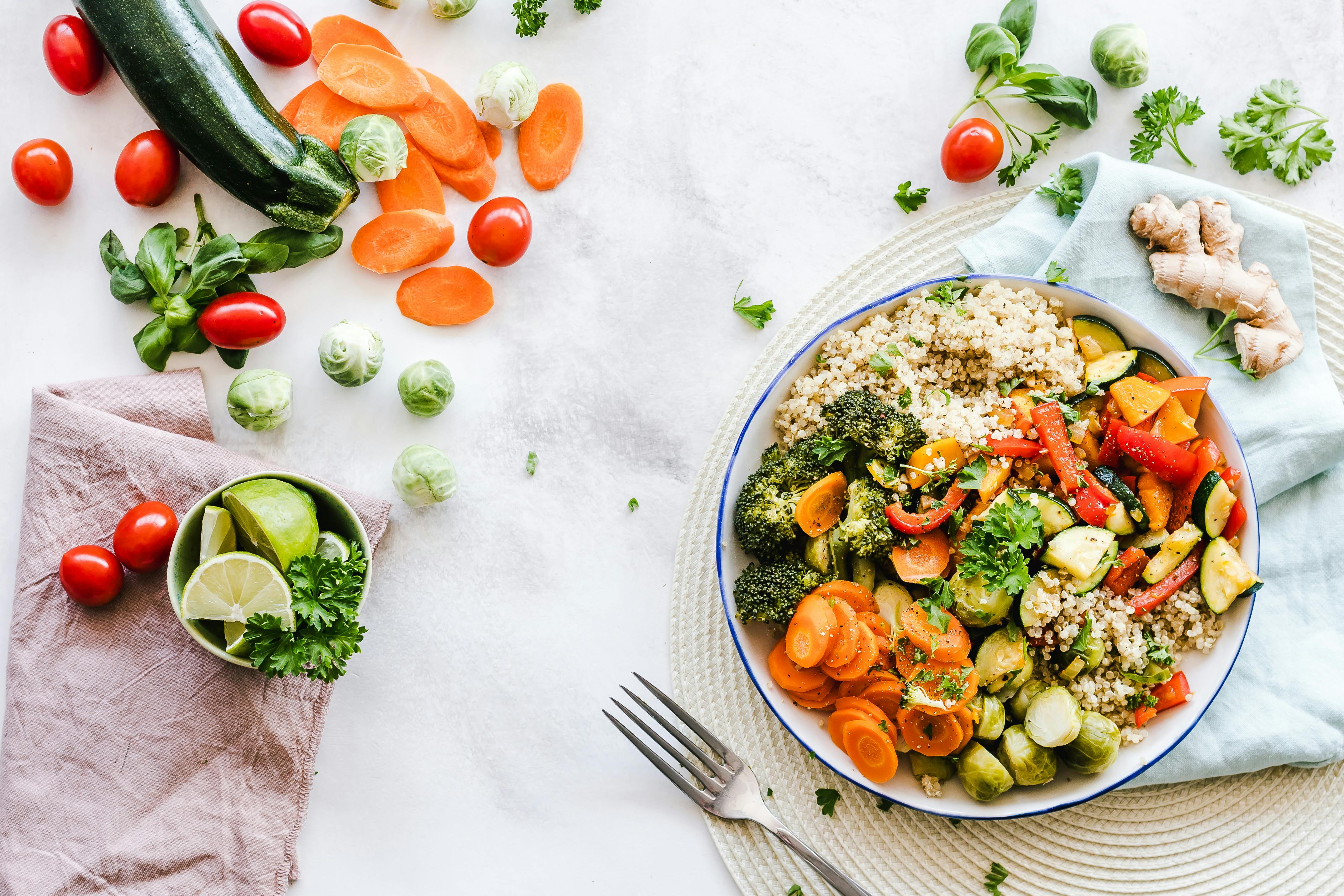
To bring all this to life, let’s cook something together: a warm, Mediterranean‑inspired Longevity Breakfast Bowl with whole grains, beans, greens, and a silky lemon‑tahini drizzle. It’s comforting and savory, full of fiber and healthy fats, and endlessly adaptable—very on‑trend for anti‑aging nutrition, but without the overwhelm.
Recipe Snapshot
Prep time: 10 minutes
Cook time: 10 minutes
Total time: 20 minutes
Servings: 2 bowls
Difficulty: Easy
Diet: Vegetarian, easily vegan & gluten‑free
Ingredients
For the bowl
- 1 cup (about 150 g) cooked whole grains, such as quinoa, farro, or brown rice (warm or room temperature)
- 1 cup (about 160 g) cooked chickpeas or white beans, rinsed and drained
- 2 cups loosely packed leafy greens (spinach, kale, or arugula), roughly chopped
- 1 small ripe tomato, diced, or 6–8 cherry tomatoes, halved
- 1 small cucumber, diced
- 2 tablespoons extra‑virgin olive oil, divided
- 2 tablespoons toasted nuts or seeds (such as walnuts, pumpkin seeds, or sunflower seeds)
- Sea salt and freshly ground black pepper, to taste
- Optional: 2 eggs (soft‑boiled or fried) or 1/2 cup firm tofu, cubed, for extra protein
For the lemon‑tahini drizzle
- 3 tablespoons tahini (sesame seed paste)
- 2–3 tablespoons warm water, plus more as needed to thin
- 2 tablespoons fresh lemon juice
- 1 small garlic clove, very finely minced or grated
- 1/4 teaspoon ground cumin (optional but lovely)
- 1/4 teaspoon sea salt, or to taste
Equipment You’ll Need
- Cutting board and sharp knife
- Small skillet or sauté pan
- Small mixing bowl and whisk or fork (for the dressing)
- Measuring cups and spoons
- Two serving bowls
Step‑by‑Step Instructions
- Prep your vegetables and greens.
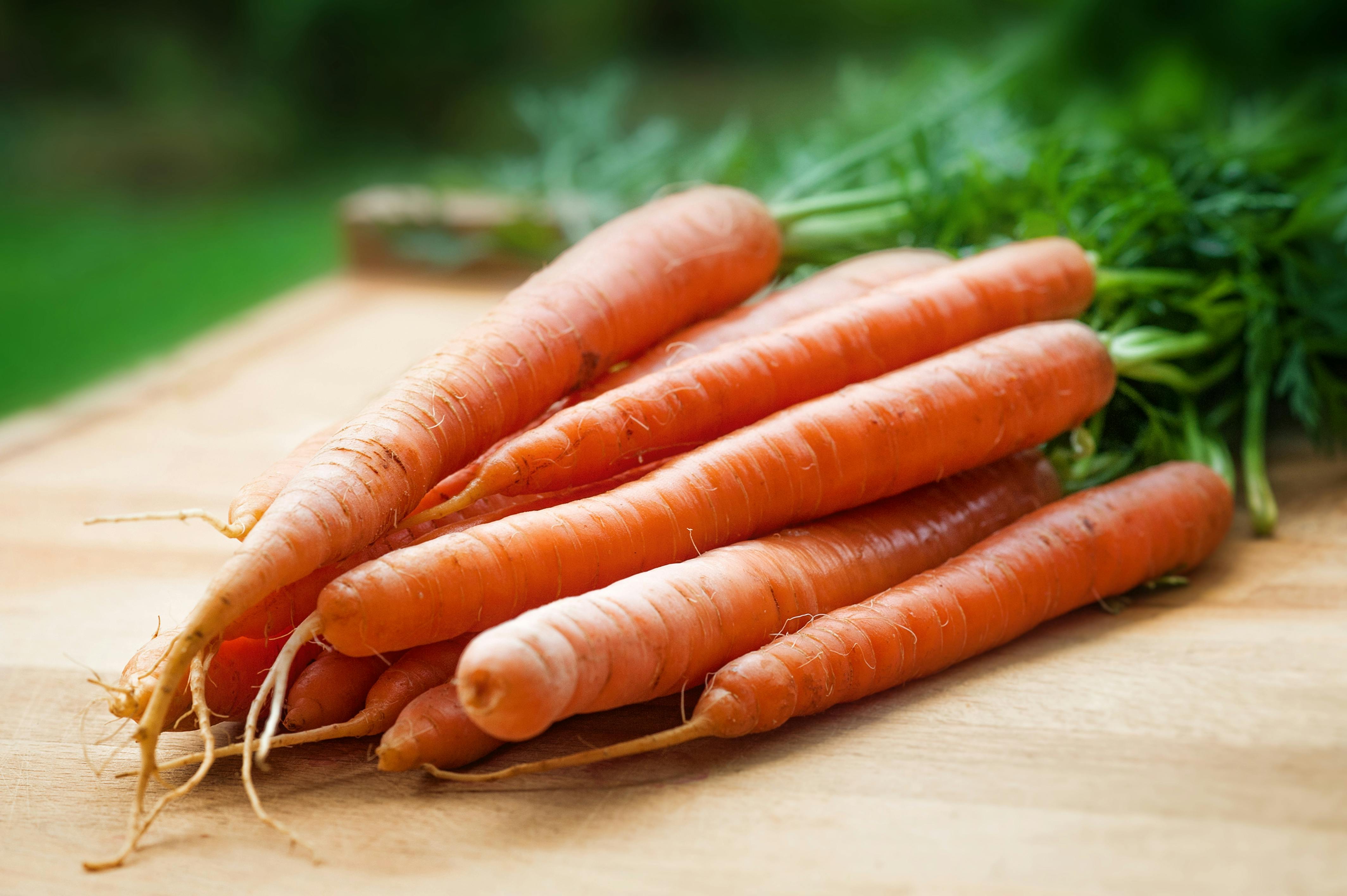
Dice the tomato and cucumber. Roughly chop the leafy greens, removing any tough stems. If using kale, slice it thinly so it softens quickly in the pan. - Warm the beans and greens.
Heat 1 tablespoon of olive oil in a skillet over medium heat. Add the greens with a pinch of salt and cook for 1–2 minutes, until just wilted and bright. Stir in the beans and cook another 1–2 minutes until warmed through. Turn off the heat and set aside. - Make the lemon‑tahini drizzle.
In a small bowl, whisk together tahini, lemon juice, garlic, cumin (if using), and salt. Slowly add 2–3 tablespoons warm water, whisking until smooth and pourable. Adjust with more water, lemon, or salt to taste. It should be creamy but drizzle easily off a spoon. - Optional: Cook the eggs or tofu.
If adding eggs, soft‑boil, poach, or pan‑fry them in a dab of olive oil. If using tofu, lightly pan‑sear the cubes in a teaspoon of oil with a pinch of salt until golden on the edges. - Assemble the bowls.
Divide the warm grains between two bowls. Top each with the sautéed greens and beans, then scatter over the tomatoes, cucumber, and toasted nuts or seeds. Add your egg or tofu, if using. - Finish with good fats and drizzle.
Spoon the lemon‑tahini sauce generously over each bowl. Finish with the remaining tablespoon of olive oil, a sprinkle of salt, and freshly cracked pepper. Taste and adjust—more lemon for brightness, more seeds for crunch, more sauce for richness.
Variations, Substitutions & Dietary Notes
Storage & Reheating Tips
This bowl is wonderfully meal‑prep friendly—ideal if you like your mornings calm and mostly pre‑assembled.
- Refrigeration: Store the cooked grains, beans/greens mixture, chopped veggies, and tahini sauce in separate airtight containers in the fridge for up to 3–4 days.
- Reheating: Warm the grains and beans/greens gently in a skillet or microwave with a splash of water. Add fresh veggies and sauce just before serving.
- Make‑ahead sauce: The lemon‑tahini drizzle often thickens in the fridge; thin with a spoonful of water and whisk before using.
Serving Suggestions & Pairings
To build a full, longevity‑minded morning without copying any celebrity’s exact script, pair this bowl with:
- A simple coffee or tea (regular or decaf), or matcha if you enjoy it.
- A small piece of seasonal fruit for extra color and antioxidants.
- A tall glass of water or herbal infusion to gently rehydrate after sleep.
Imagine the aroma of toasted seeds and warm grains meeting the lemony, nutty steam from your bowl, while sharp garlic and cumin hover just above the surface. The first bite is creamy and bright from the tahini, then satisfyingly chewy with grains and beans, anchored by the clean crunch of cucumber. It feels both hearty and light—exactly the kind of meal that keeps you focused through a long morning without the crash.
Building Your Own Longevity‑Friendly Morning Routine
You don’t need an 18‑step biohacking ritual to support long‑term health. Instead of asking, “What does my favorite celebrity eat?”, try questions like:
- What kind of breakfast helps me feel steady, alert, and satisfied for at least 3–4 hours?
- Can I include at least one plant protein, one whole grain, and one fruit or vegetable?
- Does this pattern feel flexible enough to enjoy with friends, family, or while traveling?
From there, you can decide if you actually like mushroom coffee or if ordinary drip and a deeply satisfying bowl, like the one above, serves you better. The most “longevity‑enhancing” breakfast is the one that fits your real life, respects your body’s signals, and leaves you nourished—not obsessed.
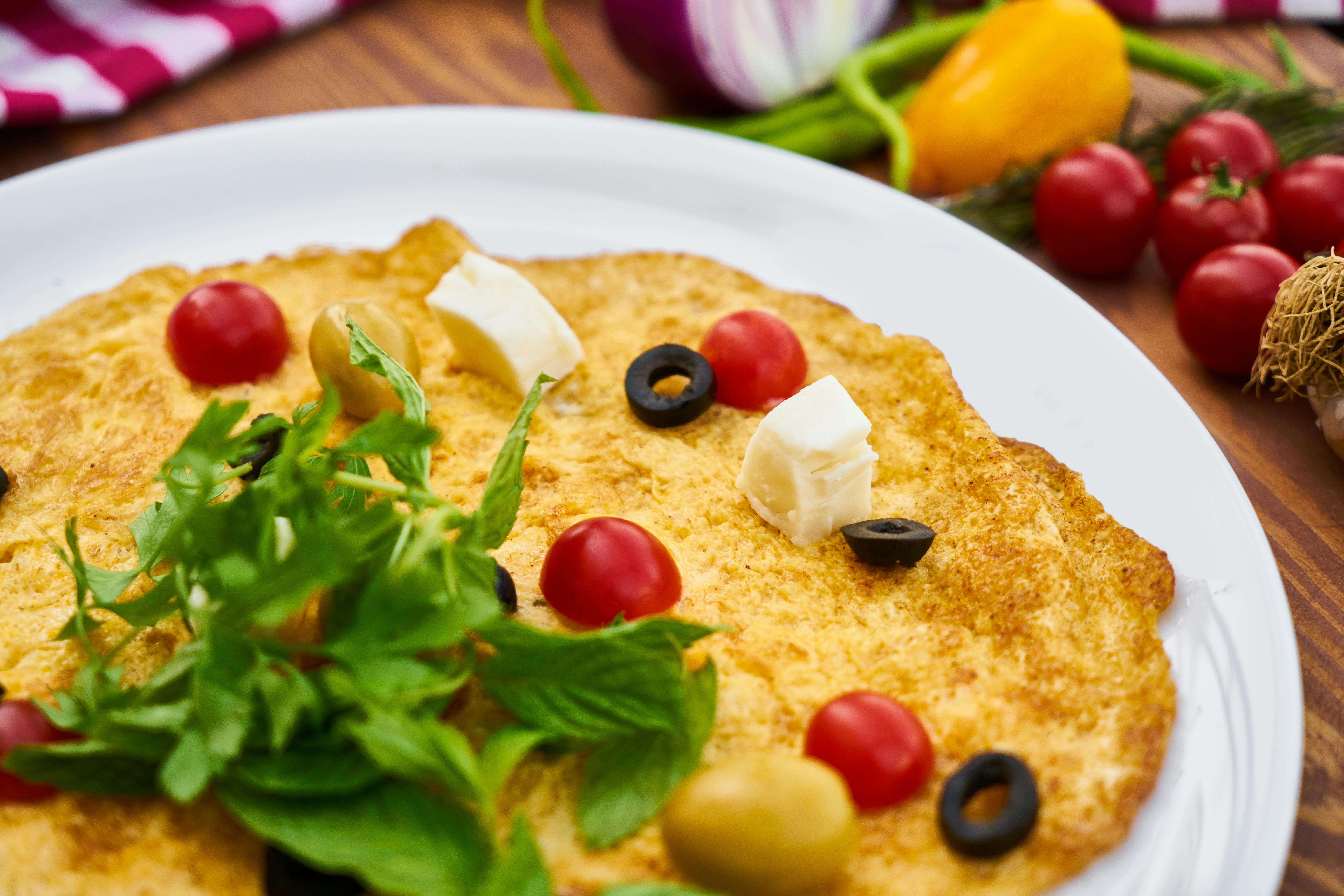
Wherever you’re starting from—granola bar in the car, elaborate smoothie, or nothing at all—you can shift gently toward more color, more fiber, and more satisfaction. That’s the kind of change that quietly supports you, not just this year, but for many breakfasts to come.
