
From Girl Dinner to Grown-Up Snack Plates: How a Viral Trend Became a Balanced, Beautiful Meal
The ‘Girl Dinner’ and Snack Plate Evolution: Viral, Aesthetic, and Nutrient-Rich (or Not?)
The ‘girl dinner’ trend—those minimalist, snack-style dinners built from whatever’s in the fridge—has grown from a tongue-in-cheek TikTok joke into a full-blown conversation about balanced snack plates, high-protein “adult lunchables,” and how much aesthetics should influence how we eat. At its best, this style of eating feels cozy, playful, and genuinely nourishing; at its worst, it can glamorize under-fueling. Let’s walk through the evolution and then build a delicious, nutrient-dense “balanced snack plate dinner” you can put together any night of the week.

Balanced Snack Plate “Girl Dinner” – Quick Summary
This recipe-style guide shows you how to build a beautiful, high-protein “girl dinner” snack plate that feels indulgent and low-effort, but still gives you staying power for the evening.
- Prep time: 10–15 minutes
- Cook time: 0–10 minutes (depending on protein choice)
- Total time: 10–25 minutes
- Servings: 1 hungry adult (easily scaled up)
- Difficulty: Easy / assembly-only
How ‘Girl Dinner’ Went Viral
“Girl dinner” started as a playful confession online: instead of cooking a full meal, people filmed their low-effort evening plates—crackers and cheese, pickles, a few slices of salami, some fruit, maybe popcorn—arranged on a cute plate. It was part snack board, part fridge clean-out, all vibes.
On TikTok and Instagram, this aesthetic exploded into millions of views and spawned spin-offs like “lazy girl dinners,” “hot girl lunch,” and high-protein snack plates. The through-line? A sense of freedom: choosing exactly what you want, in small bites, without worrying about traditional “plate rules.”
For many younger adults juggling work, school, or tight budgets, the concept was instantly relatable: some nights, a carefully seared steak just isn’t happening—but a pretty plate of nibbles absolutely is.
The heart of “girl dinner” is about autonomy, comfort, and ease—but it can also be an opportunity to gently layer in more nourishment.
Why ‘Girl Dinner’ Still Resonates
- Relatability: Not everyone has the time, energy, or desire to cook from scratch every night. Assembling a snack plate feels realistic, even cozy—like a solo tapas night.
- Aesthetic + autonomy: There’s real joy in building a plate of many small things—crunchy, creamy, salty, sweet—and arranging them into something beautiful.
- Low-effort creativity: It turns “what’s in my fridge?” into a game. Leftover roasted veggies, half an avocado, a boiled egg, and some crackers suddenly look intentional.
From Ultra-Light Plates to Balanced Snack Dinners
As the trend grew, dietitians and health professionals stepped in. They noticed a wide spectrum in “girl dinner” plates:
- Very light plates: Some videos showed dinners of only fruit, a handful of popcorn, or a few crackers with cheese. These can be fine as an occasional light meal or snack, but for active people, they may not provide enough energy or protein when framed as a nightly norm.
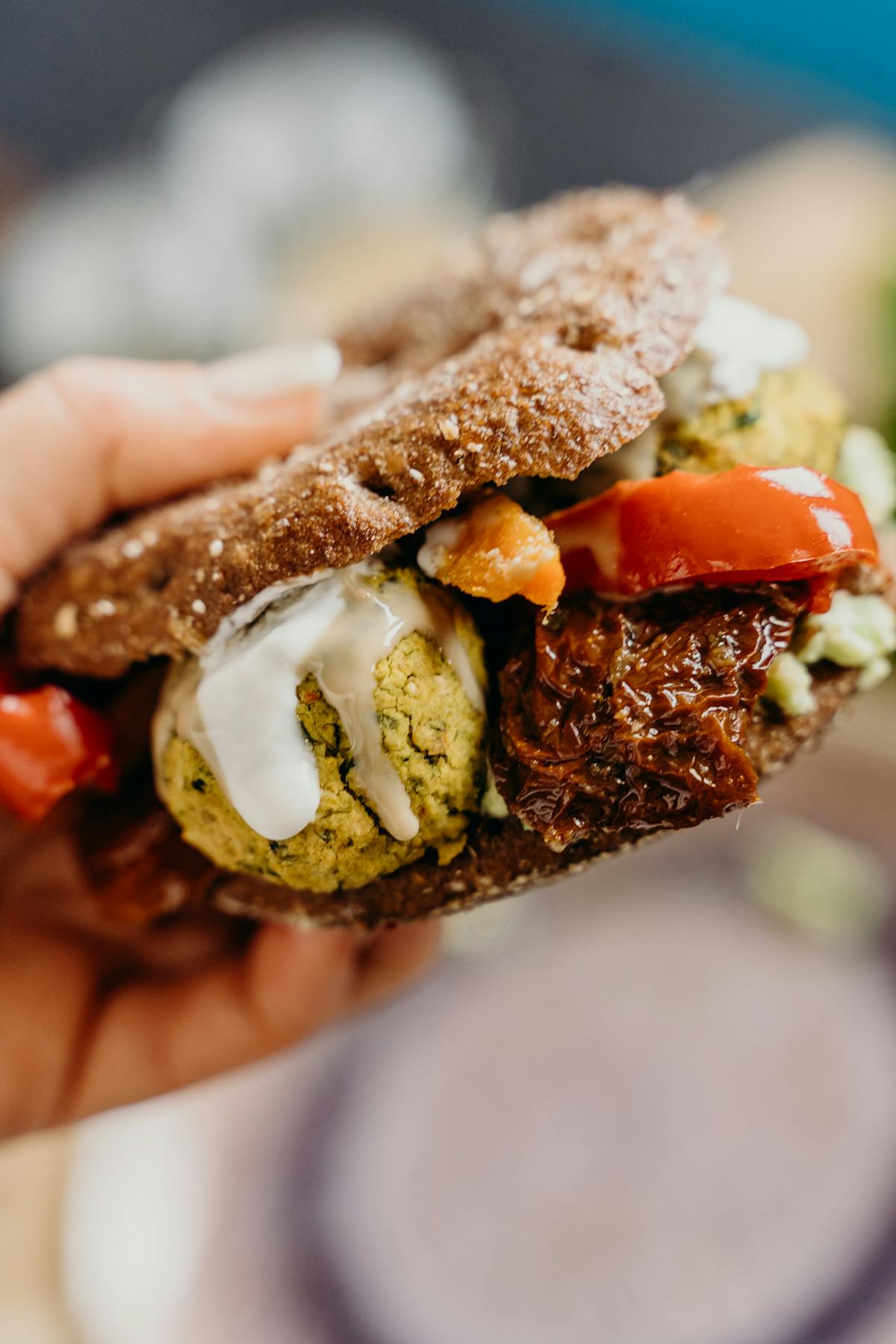
- Balanced snack plates: Others showcased more substantial compositions—boiled eggs or turkey slices, hummus, yogurt, tofu, cheese, alongside veggies, fruit, and whole-grain crackers, plus nuts or avocado for healthy fats.
Over time, the culture shifted toward more intentional versions: “adult lunchables” and “balanced snack plates” with explicit goals like:
- Hitting around 20–30 g of protein per plate.
- Including at least one fruit and one vegetable.
- Adding healthy fats (nuts, seeds, olive-oil-based dips, avocado) for satisfaction.
Critiques: When ‘Girl Dinner’ Isn’t So Cute
Like many food trends, “girl dinner” has a complicated side. Nutrition and mental health professionals have raised several concerns:
- Normalizing under-fueling: When very low-calorie plates are framed as aspirational or “what I eat in a day,” some viewers may internalize them as the standard, even if they don’t meet their energy needs.
- Hiding disordered patterns: A sparse plate under a pastel filter can mask restrictive eating. The cute aesthetic can make it harder to recognize when someone is struggling.
- Cultural narrowness: Many viral plates focus on Western snack foods. Traditional dinners from non-Western cultures—rich stews, rice dishes, flatbreads, legumes, and vegetables—are often absent from the “girl dinner” conversation.
This doesn’t mean the concept is inherently harmful; it means context matters. A snacky dinner can be cozy and nourishing, but it shouldn’t be the only way we allow ourselves to eat.
The Positive Evolution: Colorful, Diverse, and Nourishing
The optimistic side of the trend is genuinely helpful. Many creators now use “girl dinner” to:
- Show how to pull together a filling meal from fridge and pantry staples.
- Highlight protein, fiber, and healthy fats without strict dieting language.
- Normalize imperfection in cooking—dinners can be low-effort and still count.
You’ll see snack plates featuring beans or lentil dips, tofu, whole grains like quinoa or brown rice, and a rainbow of vegetables, sometimes with cultural twists—kimchi and rice balls, leftover curry with flatbread, bean salads with tortillas, and more.

Build-Your-Own Balanced Snack Plate (Recipe-Style Guide)
Think of this as a flexible recipe template rather than strict rules. Mix and match based on what you love and what’s already in your kitchen.
Core Ingredients (Per Person)
- Protein (choose 1–2, ~20–30 g total):
- 2 large hard-boiled eggs
- 85 g (3 oz) cooked chicken, turkey, tofu, tempeh, or baked salmon
- 120 g (1/2 cup) hummus or bean dip
- 170 g (3/4 cup) Greek-style yogurt (dairy or plant-based, unsweetened)
- Fiber-rich carbs:
- 6–8 whole-grain crackers (about 30 g / 1 oz)
- 1 slice hearty whole-grain bread or pita
- 1/2–1 cup cooked grains (quinoa, brown rice, farro, barley)
- Healthy fats (choose 1–2):
- 1 small handful nuts or seeds (about 20–30 g)
- 1/2 avocado, sliced
- 2–3 tablespoons olives
- 1–2 tablespoons olive oil drizzle over veggies or grains
- Vegetables (aim for at least 1 cup total):
- Cucumber rounds, carrot sticks, bell pepper strips, cherry tomatoes
- Leftover roasted vegetables (broccoli, sweet potato, zucchini)
- Fruit (choose 1):
- 1 small apple or pear, sliced
- 1 cup berries or grapes
- 1–2 slices melon or citrus segments
- Flavor extras (optional but fun):
- Pickles or kimchi
- Herby yogurt dip, salsa, pesto, or tzatziki
- 1–2 squares dark chocolate for dessert
Equipment Needed
- 1 medium plate, shallow bowl, or small board
- Small ramekins or bowls for dips (optional but great for the aesthetic)
- Sharp knife and cutting board
- Small pot (if boiling eggs) or skillet (if cooking protein)
Step-by-Step: Assembling a High-Protein Girl Dinner Snack Plate
- Pick your protein anchor.
Decide what sounds most appealing tonight: creamy hummus, jammy eggs, salty turkey, or marinated tofu. If you’re cooking from scratch, season simply with salt, pepper, and a drizzle of olive oil. - Prep your crunch and carbs.
Arrange whole-grain crackers or toast, or spoon some leftover grains into a small mound on the plate. This adds satisfying chew and energy. - Add healthy fats for staying power.
Scatter nuts or seeds, tuck in avocado slices, or add olives. These ingredients make the plate feel luxurious and help keep you full. - Slice your vegetables.
Cut vegetables into easy-to-grab shapes—sticks, rounds, or wedges—and fan them around your protein and dips. Aim for at least two colors if you can. - Add fruit and a “fun” extra.
Nestle fruit into an open space on the plate, then add something joyful: a pickle, a spoonful of kimchi, or a square of chocolate for after. - Season and style.
Finish with a sprinkle of salt, pepper, chili flakes, or herbs. If you enjoy the aesthetic side, group similar colors or textures—it’s your mini grazing board. - Pause and eat intentionally.
Even though this is “just” a snack plate, treat it like a real dinner: sit down, take a breath, and notice the mix of flavors and textures as you eat.
Tips, Variations, and Dietary Adaptations
High-Protein Ideas (20–30 g Protein)
- 2 hard-boiled eggs + 30 g cheese + 2 tablespoons hummus
- 85 g (3 oz) grilled chicken + small handful nuts
- 120 g (1/2 cup) hummus + 30 g seeds + whole-grain crackers
- 170 g (3/4 cup) Greek yogurt + nuts + fruit
Vegan Snack Plate Variation
- Swap eggs and dairy for: marinated tofu cubes, tempeh strips, or lentil patties.
- Use hummus, bean dips, or soy yogurt as creamy elements.
- Include nuts, seeds, avocado, and olive oil for richness.
Gluten-Free Variation
- Choose gluten-free crackers or rice cakes.
- Lean on potatoes, sweet potatoes, or gluten-free grains like quinoa or buckwheat.
Cultural Twists
- Mediterranean-inspired: Hummus, olives, cucumber, tomato, feta or plant-based feta, whole-grain pita or gluten-free flatbread.
- East Asian-inspired: Rice balls, edamame, kimchi, marinated tofu, seaweed snacks, sliced cucumber.
- Latin American-inspired: Beans or bean dip, avocado, salsa, corn tortillas or chips, grilled chicken or tofu, mango or pineapple.

Storage, Meal Prep, and Reheating
One of the joys of “adult lunchable” style dinners is how well they lend themselves to prep-ahead routines.
- Prep-ahead components: Boil eggs, roast a tray of vegetables, cook a batch of grains, and portion dips into small containers. Store in the refrigerator for 3–4 days.
- Storage tips:
- Keep wet items (dips, pickles, juicy fruits) separate from crackers or bread to preserve crunch.
- Store cut vegetables in airtight containers with a slightly damp paper towel to keep them crisp.
- Reheating:
- Most snack plate components are eaten cold or at room temperature.
- Warm grains or proteins gently in the microwave or on the stovetop if you prefer a temperature contrast.
- Food safety:
- Don’t leave perishable items (eggs, meat, dairy, dips) at room temperature for more than 2 hours.
Serving Ideas and Complementary Dishes
A balanced snack plate can absolutely stand alone as dinner, but you can also build around it depending on your hunger and mood.
- Light dinner: Enjoy the plate with sparkling water, herbal tea, or a small bowl of soup on the side.
- Heft it up: Add an extra scoop of grains or an additional protein portion if you’re especially hungry or very active.
- Entertaining: Scale the concept up into a larger board with multiple proteins, dips, and vegetables so everyone can build their own “girl dinner” plate.
- Seasonal twists:
- Summer: Fresh tomatoes, cucumbers, peaches, berries, lightly grilled veggies.
- Winter: Roasted root vegetables, citrus segments, warm grains, spiced nuts.
Bringing It All Together: Low-Effort, Not Low-Nutrition
The story of “girl dinner” captures something real about modern life: many of us are tired, busy, and craving both comfort and freedom around food. Snack plates can absolutely be part of a nourishing pattern, especially when we gently layer in protein, fiber, and healthy fats alongside the fun, aesthetic touches.
Instead of asking whether girl dinner is “good” or “bad,” it can be more helpful to ask:
- Does this plate feel satisfying—physically and emotionally?
- Does it give me enough energy for the rest of my day or evening?
- Does it reflect foods and traditions that feel like home to me?
When the answers lean toward yes, your low-effort dinner is doing its job beautifully—no elaborate recipe required. And on nights when you realize your plate is more “snack” than “meal,” you can always add a bit more: another egg, a handful of nuts, a slice of bread, or a cozy bowl of soup on the side.
