
Glow From Your Gut: Fermented Food Recipes for Radiant Skin and Happy Digestion
Gut-Loving Kimchi Veggie Grain Bowl (Fermented, Fiber-Rich, Skin-from-Within Recipe)
Gut health has entered a delicious new era, where tangy fermented foods, fiber-rich prebiotics, and plant-packed plates come together to nourish your microbiome, support glowing skin, and gently boost mood from the inside out. In this recipe, we’ll cook a vibrant gut-loving kimchi veggie grain bowl that showcases the best of “Gut Health 2.0”: fermented toppings, diverse plants, and simple techniques any home cook can master.
Think of this bowl as a weeknight-friendly “skin-from-within” meal: chewy whole grains, sweet-roasted veggies, crunchy seeds, creamy yogurt or a vegan sauce, and a bright kick of kimchi all layered into one comforting, deeply satisfying dish. It’s inspired by Korean bibimbap, modern wellness grain bowls, and the global trend of using food as a joyful way to care for your microbiome.

Quick Recipe Summary
Prep time: 20 minutes
Cook time: 25–30 minutes
Total time: 45–50 minutes
Servings: 4 bowls
Difficulty: Easy–Intermediate
Dietary: Easily made vegan and gluten-free
Why This Recipe Fits Gut Health 2.0
The latest gut health trend goes far beyond “take a probiotic.” Today’s focus is on everyday fermented foods, prebiotic fibers, and plant diversity—with a big spotlight on how your gut talks to your skin and your brain.
- Fermented foods: Kimchi adds live cultures, tang, and gentle heat.
- Prebiotic fibers: Onions, garlic, leeks, asparagus, and oats (if used) help “feed” beneficial gut bacteria.
- Plant diversity: This single bowl can easily include 8–12 different plant foods—handy when aiming for ~30 plants per week.
- Skin-from-within angle: Colorful vegetables, healthy fats, and polyphenol-rich toppings (like herbs, sesame, EVOO) support a calm gut and vibrant skin.
- Gut–brain axis: Stable blood sugar from whole grains, fiber, and protein helps support steadier energy and mood.
“Don’t just add bacteria—feed them.” This bowl does both, by pairing kimchi with lots of prebiotic, fiber-rich plants.
Recipe Structured Data (SEO & Accessibility)
This structured data helps search engines understand and feature your recipe, while clear instructions and ingredient details support accessibility for all home cooks.
Ingredients for Gut-Loving Kimchi Veggie Grain Bowl
Below is everything you’ll need for a balanced, microbiome-supportive dinner. Measurements are for 4 generous bowls.
Base: Whole Grains
- 1 cup (200 g) uncooked brown rice, quinoa, or buckwheat (gluten-free as needed)
- 2 cups (480 ml) water or low-sodium vegetable broth
Roasted & Sautéed Vegetables (Prebiotic-Rich)
- 2 cups (about 300 g) mixed chopped vegetables, such as:
- Carrots, broccoli, cauliflower, or sweet potato (choose 2–3 for diversity)
- 1 small red onion, sliced (prebiotic)
- 1 small leek or 2–3 spring onions, sliced (white and light green parts; prebiotic)
- 2 cloves garlic, minced (prebiotic)
- 1 tablespoon extra-virgin olive oil or avocado oil
- 1/2 teaspoon sea salt, plus more to taste
- Freshly ground black pepper, to taste
Fermented & Fresh Toppings
- 1 cup (about 150 g) kimchi, roughly chopped if needed (choose a brand with live cultures and no added sugar if possible)
- 1 cup (240 ml) plain yogurt or dairy-free yogurt (coconut, soy, or almond) OR 1/3 cup hummus or tahini for a vegan, dairy-free option
- 2 tablespoons toasted sesame seeds or mixed seeds (pumpkin, sunflower, flax)
- 1 ripe avocado, sliced (optional but fantastic for skin health and satiety)
- 1 small cucumber, thinly sliced
- 1 large handful fresh leafy greens: baby spinach, arugula, or mixed salad leaves
Gut-Friendly Dressing
- 2 tablespoons tamari or low-sodium soy sauce (gluten-free if needed)
- 1 tablespoon rice vinegar or apple cider vinegar
- 1 teaspoon toasted sesame oil
- 1–2 teaspoons honey or maple syrup (optional, for gentle sweetness)
- Chili flakes or gochugaru (Korean red pepper flakes), to taste
- Fresh herbs such as cilantro, parsley, or chives, chopped, for garnish
Equipment You’ll Need
- Medium saucepan with lid (for cooking grains)
- Large baking tray or roasting pan
- Mixing bowl
- Small bowl or jar for dressing
- Sharp knife and cutting board
- Measuring cups and spoons
- Spatula or tongs for tossing vegetables
- 4 serving bowls

Step-by-Step Cooking Instructions
Follow these steps in order; some happen at the same time so you can get dinner on the table smoothly. Sensory cues (smell, texture, appearance) will guide you just as much as the timer.
1. Cook the Whole Grain Base
- Rinse the grain. Place your chosen grain (brown rice, quinoa, or buckwheat) in a fine-mesh sieve and rinse under cool running water for 20–30 seconds. This removes dust and any bitterness.
- Simmer until tender. Add the grain and water or vegetable broth to a saucepan.
- Bring to a gentle boil over medium-high heat.
- Reduce heat to low, cover, and simmer:
- Quinoa: about 15 minutes
- Buckwheat: 15–20 minutes
- Brown rice: 30–35 minutes
- Fluff and rest. When the liquid is absorbed and the grains are tender, turn off heat. Let sit, covered, for 5 minutes, then fluff with a fork. Grains should be pleasantly chewy, not mushy.
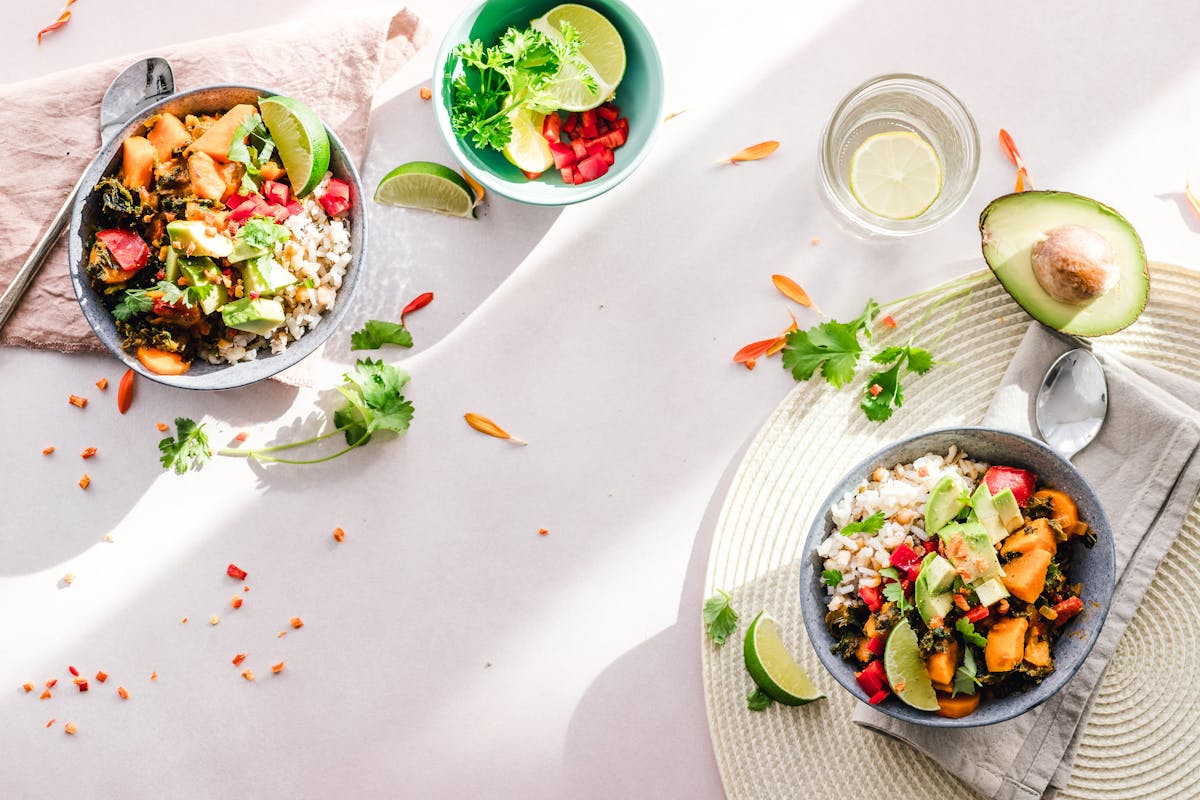
2. Prep and Roast the Vegetables
- Heat the oven. Preheat to 400°F (200°C). Line a baking tray with parchment for easier cleanup if you like.
- Chop the veggies. Cut carrots, broccoli, cauliflower, and/or sweet potato into bite-sized pieces. Slice red onion and leek/spring onions. Mince garlic.
- Toss with oil and seasonings. Add vegetables, onion, leek, and garlic to the tray. Drizzle with olive or avocado oil, sprinkle with salt and pepper, and toss with your hands or a spatula until everything is lightly coated.
- Roast until caramelized. Spread vegetables in a single layer and roast for 18–22 minutes, stirring once halfway.
- They’re done when edges are slightly browned, centers are tender, and your kitchen smells sweet and savory.
3. Prep the Fresh & Fermented Toppings
- Slice the cucumber and avocado. Aim for thin, bite-sized slices that add crunch and creaminess.
- Wash the greens. Rinse spinach, arugula, or mixed leaves and dry gently (a salad spinner is helpful).
- Chop the kimchi. If your kimchi pieces are large, roughly chop them so they’re easier to scoop into each bite.
- Toast the seeds. In a dry skillet over medium heat, toast sesame or mixed seeds for 2–3 minutes, stirring frequently. They should smell nutty and may pop slightly. Remove from heat to avoid burning.

4. Whisk the Gut-Friendly Dressing
- Combine ingredients. In a small bowl or jar, add tamari/soy sauce, vinegar, toasted sesame oil, and honey or maple syrup if using.
- Whisk or shake. Whisk until emulsified, or screw on a jar lid and shake vigorously. Taste:
- Add more vinegar for brightness.
- Add a splash of water if it feels too strong.
- Add honey/maple for extra balance.
- Add heat if you like. Stir in chili flakes or gochugaru for a gentle, warming kick that complements the kimchi.
5. Assemble the Bowls
- Start with grains. Divide the warm grains among 4 bowls, creating a soft, steamy bed.
- Add roasted vegetables. Spoon a generous portion of roasted vegetables over each bowl.
- Layer fresh greens and cucumber. Tuck greens and cucumber around the edges for color and crunch.
- Top with creaminess. Add a dollop of yogurt, dairy-free yogurt, hummus, or tahini.
- Add kimchi and avocado. Spoon chopped kimchi in a small mound, and fan avocado slices (if using) on top.
- Finish with dressing and seeds. Drizzle dressing over each bowl, then sprinkle with toasted seeds and chopped herbs.
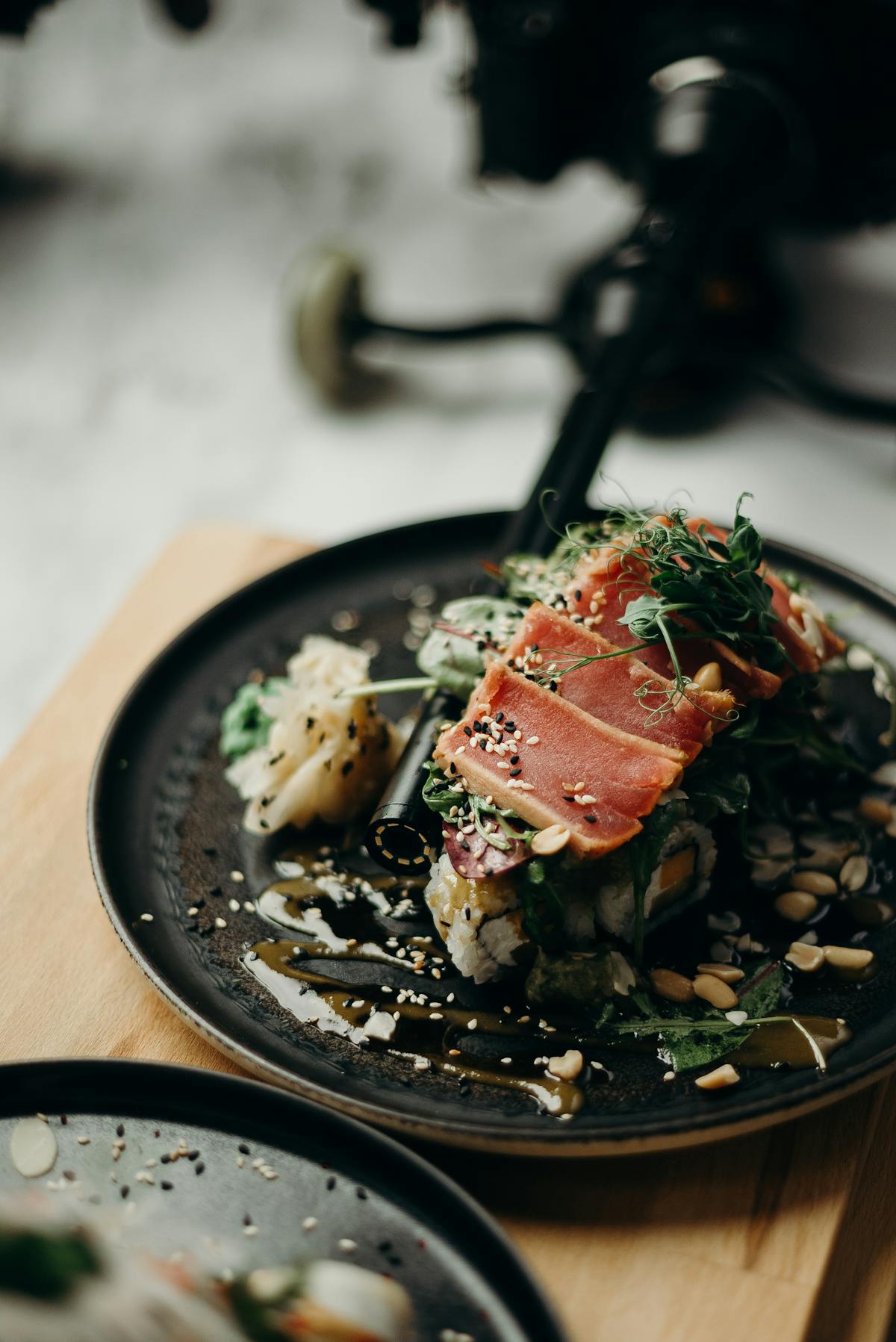
6. Serve, Mix, and Enjoy
- Invite mixing. Encourage everyone to stir their bowl from the bottom up. The yogurt or hummus mingles with kimchi juice and dressing, coating the grains in a savory, creamy, slightly spicy sauce.
- Notice the senses. As you eat, notice the mix of tangy, crunchy, chewy, and cooling textures—it’s one of the joys of eating for gut health instead of just swallowing a pill.
Ingredient Substitutions & Dietary Adaptations
Vegan & Dairy-Free
- Use coconut, soy, or almond yogurt instead of dairy yogurt.
- Or skip yogurt and add a swirl of tahini or a dollop of hummus for creaminess.
- Ensure your kimchi is vegan (some traditional kimchi contains fish sauce or shrimp paste).
Gluten-Free
- Choose quinoa, buckwheat, or certified gluten-free oats as your grain base.
- Use tamari instead of regular soy sauce.
- Double-check kimchi labels for hidden gluten in seasoning mixes.
Lower Heat, Gentler Digestion
- Choose a mild kimchi or rinse lightly under water to reduce heat and salt.
- Skip optional chili flakes or gochugaru in the dressing.
- If you’re sensitive to garlic/onion, reduce the amounts and add more low-FODMAP vegetables (e.g., zucchini, bell peppers) instead.
Extra Protein Options
- Add soft-boiled eggs or jammy eggs for a bibimbap-style twist (if you eat eggs).
- Top with grilled tofu, tempeh (another fermented superstar), or edamame for more plant protein.
- Use Greek-style yogurt for extra protein and creaminess.
Storage & Reheating Guidelines
This recipe is perfect for meal prep. Store the elements separately to keep textures and live cultures at their best.
Refrigeration
- Cooked grains: Store in an airtight container for up to 4 days.
- Roasted vegetables: Keep in a separate container for up to 4 days.
- Kimchi: Store in its original jar in the fridge; it can last for weeks and continues to ferment slowly.
- Dressing: Keeps well in a sealed jar for up to 5 days; shake before using.
- Fresh toppings (greens, cucumber, herbs): Best used within 2–3 days for crispness.
Reheating
- Grains & roasted vegetables: Reheat gently in a skillet over low-medium heat with a splash of water or broth, or microwave in short bursts, stirring once or twice.
- Kimchi & yogurt/hummus: Keep cold; add them after reheating other components so you don’t destroy beneficial bacteria or curdle the yogurt.
Freezing
- You can freeze cooked grains and roasted vegetables separately for up to 2 months. Thaw overnight in the fridge before reheating.
- Do not freeze kimchi, yogurt, salad greens, or cucumber; their textures will suffer and live cultures may be reduced.
Serving Suggestions & Complementary Dishes
Turn your gut-loving bowl into a full “skin-from-within” menu by pairing it with simple, microbiome-supportive sides and drinks.
- Starter: A small bowl of miso soup with tofu and seaweed (another fermented, umami-rich classic).
- Side salad: Shredded red cabbage, grated carrot, cilantro, and a splash of rice vinegar for extra color and crunch.
- Drink: A glass of unsweetened green tea or lightly fizzy kombucha (if tolerated), both rich in polyphenols.
- Dessert: A small bowl of berries with a spoonful of yogurt or coconut yogurt and a sprinkle of cacao nibs or dark chocolate shavings.
For a weekend brunch twist, serve the grain bowl topped with a soft egg, extra avocado, and a drizzle of chili oil, or make a “gut glow” platter by laying out all the components family-style so everyone can build their own bowl.
Gut Health 2.0: Enjoyment Over Perfection
As gut health content has become more sophisticated, experts are emphasizing balance: food should feel nourishing, not stressful. This recipe reflects that philosophy—no detox teas, no extreme cleanses, just vibrant, minimally processed food that happens to be great for your microbiome.
Remember, your gut ecosystem thrives on variety and consistency, not rigid rules. If tonight’s bowl uses quinoa instead of rice, or carrots instead of sweet potato, you’re still doing something kind for your body.
