
Why the Anti-Inflammatory Mediterranean‑Plus Diet Is the Internet’s New Forever Way of Eating
The “Anti‑Inflammatory” Mediterranean‑Plus Diet: A Delicious, Sustainable Trend
The anti‑inflammatory Mediterranean‑plus diet is a modern twist on the classic Mediterranean way of eating. It layers in gut‑health science, longevity research, and a focus on minimally processed foods—without the deprivation of extreme fad diets. Think generous drizzles of extra‑virgin olive oil, vibrant vegetables, hearty lentil stews, tangy yogurt, and the kind of meals you’d happily eat for life, not just for a 30‑day challenge.
In 2025–2026 this “Mediterranean‑plus” or “Blue Zone‑inspired” pattern has exploded on social media as creators share realistic, family‑friendly weekly meal preps, shopping lists, and “what I eat in a day” videos. Underneath the trendiness, though, is a very old idea: food that’s joyful, deeply flavorful, and quietly aligned with mainstream nutrition science.
Why the Mediterranean‑Plus Diet Is Trending Now
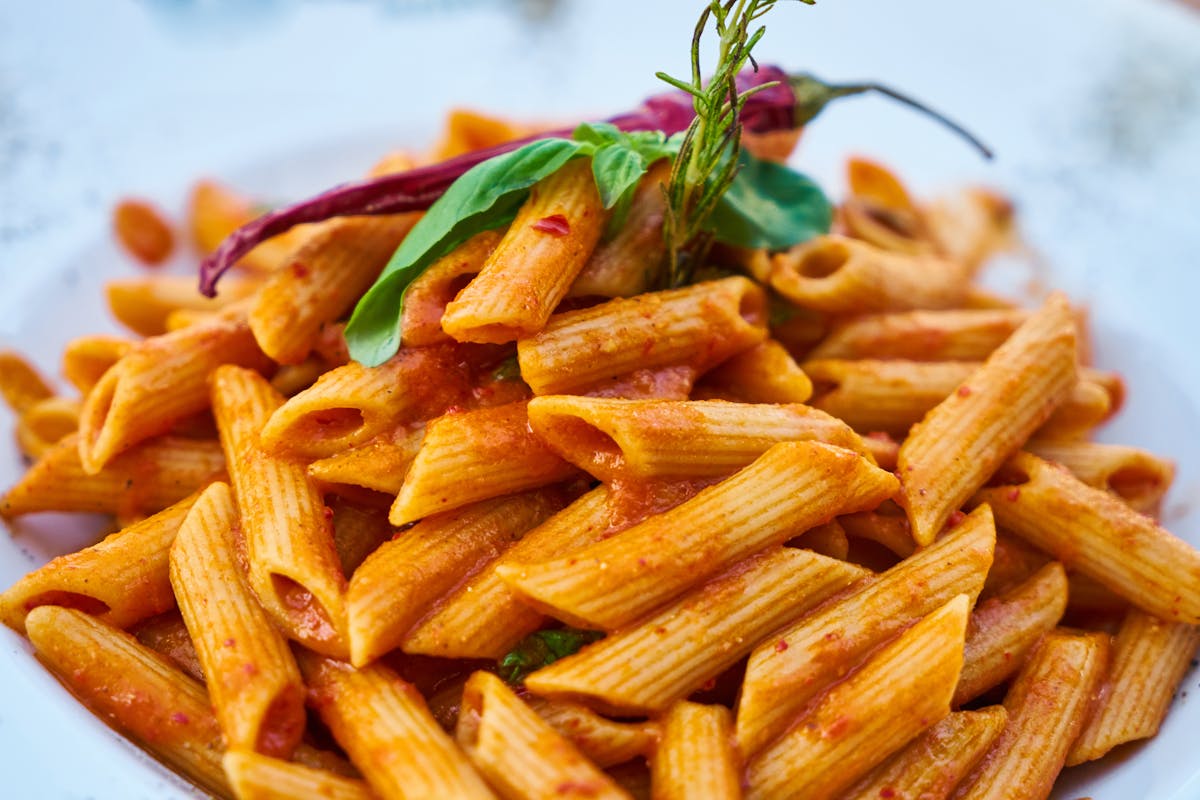
Scroll through health podcasts, longevity YouTube channels, or wellness TikTok, and you’ll see a clear pattern: people are tired of whiplash‑inducing diet trends. Instead of jumping from strict keto to extreme detox cleanses, many are gravitating toward something that feels gentler, more evidence‑based, and frankly, more delicious.
- Backlash against extremes: After years of carb‑phobia and “all meat” or “all juice” fads, the Mediterranean‑plus diet offers balance: pasta and lentils, fish and vegetables, flavor without fear.
- Longevity & brain‑health buzz: 2025–2026 has seen a wave of brain‑health and anti‑aging content. Many experts highlight Mediterranean‑style patterns for cardiovascular health, cognitive function, and overall longevity.
- “Anti‑inflammatory” storytelling: While inflammation is biologically complex, creators use the term to describe diets rich in colorful plants, omega‑3 fats, and minimally processed foods—exactly what this pattern focuses on.
What Is the “Anti‑Inflammatory” Mediterranean‑Plus Diet?
At its core, this is still a Mediterranean diet: meals centered around vegetables, fruits, whole grains, legumes, nuts, seeds, olive oil, and regular fish, with modest amounts of dairy and smaller portions of meat. The “plus” is where 2020s nutrition science and gut‑health enthusiasm come in.
The Mediterranean‑plus style we’re seeing in 2025–2026 adds:
- Extra focus on polyphenols (deeply colored plants, herbs, and spices).
- Gut‑friendly fermented foods like yogurt, kefir, kimchi, and sauerkraut.
- Prebiotic fibers from onions, garlic, leeks, asparagus, oats, and bananas.
- Thoughtful meal timing, often with 10–12 hour eating windows for gentle time‑restricted eating.
- Very limited ultra‑processed foods, sugary drinks, and processed meats.
Instead of “going on a diet,” Mediterranean‑plus eating feels like slipping into a long, leisurely lunch somewhere by the sea—where the food also happens to support your heart, brain, and microbiome.

Core Principles of Mediterranean‑Plus Eating
Think of Mediterranean‑plus as a gentle framework rather than strict rules. Here are the guiding pillars you’ll see repeated across recipes and “What I eat in a day” content:
- Extra‑virgin olive oil as the main fat: Often 2–4 tablespoons a day, used for cooking and finishing. The fruity aroma, peppery tickle at the back of your throat, and glossy sheen it gives roasted vegetables are a big part of the sensory pleasure—and it brings monounsaturated fats and polyphenols.
- Vegetable‑forward meals: Dark leafy greens, tomatoes, onions, garlic, eggplant, bell peppers, and cruciferous vegetables become the base of plates, not an afterthought. Dishes look like colorful mosaics in the bowl.
- Legumes and whole grains: Lentils, chickpeas, beans, farro, barley, oats, and whole‑wheat pasta replace ultra‑refined starches. They bring a tender bite, nutty aroma, and long‑lasting satiety.
- Regular fish and seafood: Especially salmon, sardines, anchovies, and mackerel—rich, silky, and full of omega‑3s—appear several times a week.
- Moderate fermented dairy: Plain yogurt, kefir, and traditional cheeses show up for creaminess, tang, probiotics, and calcium.
- Layered gut‑health focus: Fermented foods plus prebiotic fibers feed a diverse gut microbiome, a central selling point in today’s wellness content.
Featured Recipe: Mediterranean‑Plus Anti‑Inflammatory Chickpea & Salmon Bowl
To bring all these principles to life, here’s a bright, weeknight‑friendly Mediterranean‑plus bowl: crispy chickpeas and flaky salmon over garlicky greens and herbed quinoa, topped with a lemony yogurt sauce and a drizzle of extra‑virgin olive oil. It’s cozy yet fresh, satisfying but not heavy—a perfect example of how this pattern feels in a real home kitchen.
Quick Recipe Summary
- Prep time: 20 minutes
- Cook time: 25 minutes
- Total time: ~45 minutes
- Servings: 4 bowls
- Difficulty: Easy–Moderate (great for weeknights)
- Dietary: Mediterranean, high‑fiber, gluten‑free option included
Ingredients for Chickpea & Salmon Mediterranean‑Plus Bowls
For the Bowls
- 1 cup (185 g) quinoa, rinsed (or farro / brown rice for non‑GF)
- 2 cups (480 ml) low‑sodium vegetable or chicken broth (or water)
- 2 cans (15 oz / 425 g each) chickpeas, drained, rinsed, and patted dry
- 4 salmon fillets (about 4–5 oz / 115–140 g each), skin on or off
- 3 tablespoons extra‑virgin olive oil, plus more for drizzling
- 1 teaspoon ground cumin
- 1 teaspoon smoked paprika
- ½ teaspoon dried oregano
- ½ teaspoon sea salt, plus more to taste
- Freshly ground black pepper, to taste
- 4 cups (loosely packed) baby spinach or chopped kale
- 1 small red onion, thinly sliced
- 1 cup grape or cherry tomatoes, halved
- ½ large cucumber, chopped
- ¼ cup pitted olives (Kalamata or green), sliced
- ¼ cup chopped fresh parsley or cilantro
- 2 tablespoons toasted nuts or seeds (pumpkin seeds, almonds, or walnuts)
For the Lemony Yogurt Sauce
- ¾ cup (180 g) plain Greek yogurt or thick plain yogurt
- 1 tablespoon extra‑virgin olive oil
- 1 clove garlic, finely grated or minced
- Zest of 1 lemon
- 2–3 tablespoons fresh lemon juice
- Salt and pepper to taste
- Optional: 1 tablespoon finely chopped fresh dill or mint
Equipment You’ll Need
- Medium saucepan with lid (for quinoa or grains)
- Large baking sheet (for chickpeas and salmon)
- Parchment paper or a silicone baking mat
- Mixing bowls (at least 2)
- Small whisk or fork (for the sauce)
- Sharp knife and cutting board

Step‑by‑Step Instructions (With Sensory Cues)
These steps are written for home cooks of every level. Use your senses—look for color, listen for sizzles, and taste as you go.
- Cook the quinoa (or grains):
Rinse 1 cup quinoa under cool water. In a medium saucepan, combine quinoa with 2 cups broth (or water) and a pinch of salt. Bring to a boil, then reduce to a gentle simmer, cover, and cook for 15 minutes (or according to package if using other grains). Turn off heat and let sit, covered, for 5 more minutes, then fluff with a fork. It should smell nutty and taste tender with a slight pop. - Preheat & prep the pan:
Heat your oven to 400°F (200°C). Line a large baking sheet with parchment paper. Pat the salmon fillets dry with paper towels and place them on one half of the sheet. - Season the chickpeas:
In a bowl, toss the well‑dried chickpeas with 1½ tablespoons olive oil, cumin, smoked paprika, ¼ teaspoon salt, and a few grinds of black pepper. Spread them in a single layer on the other half of the baking sheet. They should glisten lightly with oil. - Season the salmon:
Drizzle salmon with 1½ tablespoons olive oil and sprinkle with ¼ teaspoon salt, pepper, and dried oregano. If you like, add a squeeze of lemon. The fillets should look lightly glossy and speckled with herbs. - Roast salmon and chickpeas:
Roast for 10–12 minutes, then check: the chickpeas should be turning golden and smell toasty; the salmon should be opaque at the edges and just barely translucent in the center. If needed, remove the salmon once just cooked (internal temperature around 125–130°F / 52–54°C for medium) and return chickpeas for another 5–10 minutes until crisp and crackly. - Sauté the greens and aromatics:
While the oven works, warm a drizzle of olive oil in a large pan over medium heat. Add the sliced red onion and a pinch of salt. Cook 3–4 minutes until softened and sweet‑smelling. Add spinach or kale and cook until just wilted but still bright green, 2–3 minutes. Turn off heat. - Make the lemony yogurt sauce:
In a small bowl, whisk together yogurt, 1 tablespoon olive oil, garlic, lemon zest, 2 tablespoons lemon juice, and herbs (if using). Season with salt and pepper. Taste—it should be creamy, tangy, and garlicky with a fresh citrus aroma. Add more lemon juice if you like extra brightness. - Prep fresh toppings:
Chop the cucumber, halve the cherry tomatoes, slice the olives, and roughly chop the parsley or cilantro. You’re aiming for a confetti of color. - Assemble the bowls:
Divide quinoa among 4 bowls. Top each with a handful of sautéed greens and onions, a portion of crispy chickpeas, and a salmon fillet (flaked into large pieces if you prefer). Scatter cucumbers, tomatoes, olives, and herbs over the top. Drizzle with lemony yogurt sauce and a final thread of extra‑virgin olive oil. Finish with toasted nuts or seeds for crunch. - Serve & enjoy:
Serve immediately while the salmon is warm and the chickpeas are at their crispiest. Each bite should give you a mix of textures: creamy yogurt, tender salmon, fluffy grains, and snappy vegetables.
Storage, Meal Prep, and Reheating Tips
Mediterranean‑plus recipes shine in meal‑prep videos because they store well and reheat gently. This bowl is no exception.
- Fridge: Store components separately in airtight containers for up to 3 days: quinoa, salmon, crispy chickpeas, greens, chopped vegetables, and sauce.
- Reheating salmon & grains: Warm in a low oven (275°F / 135°C) or gently in a covered pan with a splash of water or broth until just heated. Avoid overcooking to keep salmon moist.
- Crispy chickpeas: Re‑crisp on a baking sheet in a 350°F (175°C) oven for 5–7 minutes.
- Yogurt sauce: Keep refrigerated and use within 3–4 days. Stir before serving.
- Make‑ahead lunches: Layer grains, chickpeas, and greens in meal‑prep containers. Keep salmon and sauce in separate small containers and add just before serving or reheating.
Variations, Dietary Adaptations, and Flavor Twists
One reason the Mediterranean‑plus approach is so shareable is how customizable it is. You can easily pivot this bowl to match the seasons, your culture, or what’s in your pantry.
- Blue Zone‑inspired vegetarian version: Replace salmon with grilled vegetables (like eggplant and zucchini) and extra beans or lentils.
- Higher‑fiber, gut‑supportive twist: Use barley or farro (if you tolerate gluten) or add extra prebiotic veggies like roasted onions, garlic, and leeks.
- Spice route: Add a pinch of turmeric and black pepper to the chickpeas or stir harissa paste into the yogurt sauce for heat and smoky complexity.
- Time‑restricted eating friendly: Many Mediterranean‑plus followers simply enjoy bowls like this as one of two or three satisfying meals inside a 10–12 hour eating window—no need for strict fasting apps.
Serving Suggestions and Complementary Dishes
To round out an “anti‑inflammatory Mediterranean‑plus” style day of eating, creators often share spreads with contrast: something crunchy, something bright, and something soothing.
- On the side: A simple arugula salad with lemon and olive oil, or a plate of sliced oranges with olives and fresh mint.
- For extra gut‑health: Serve a small side of fermented vegetables like sauerkraut or kimchi (yes, it can coexist beautifully with Mediterranean flavors).
- For dessert: Fresh berries with a dollop of yogurt and a drizzle of honey, or a baked apple with cinnamon and chopped walnuts.
- For a cozy drink: Herbal tea with lemon, or unsweetened green tea for an extra polyphenol boost.
How Mediterranean‑Plus Aligns with Current Nutrition Science
In 2025–2026, the Mediterranean‑plus diet stands out among popular trends because it closely overlaps with mainstream nutrition recommendations. While the term “anti‑inflammatory” is often used loosely in marketing, the underlying pattern is grounded in well‑studied habits:
- High in unsaturated fats: Extra‑virgin olive oil, nuts, seeds, and fish support heart health.
- Rich in fiber and plant diversity: Vegetables, legumes, fruits, and whole grains feed a varied gut microbiome and support metabolic health.
- Moderate animal protein, low processed meat: Fish and small amounts of poultry or meat fit in, while processed meats are minimized.
- Lower in added sugars and ultra‑processed foods: The focus on home cooking naturally reduces refined snack foods and sugary drinks.
The main caveat experts point out is that no single regional pattern fits every culture or individual perfectly. Mediterranean‑plus works best when treated as a flexible template that you can adapt to your own food traditions, availability, and health needs.
Bringing Mediterranean‑Plus Into Your Everyday Kitchen
You don’t need a perfect pantry, a seaside view, or hours to cook to enjoy the anti‑inflammatory Mediterranean‑plus style. Start with small, joyful shifts: swap one meal a week for a colorful bowl like this, drizzle olive oil a little more generously, or add an extra vegetable to your plate.
Over time, these tiny choices add up to something that looks and feels like a lifestyle—the kind you can sustain for years because the food is genuinely satisfying. Let your kitchen smell like roasting chickpeas, toasting grains, and bright lemony herbs, and you’ll be living the Mediterranean‑plus trend in the most delicious way possible.
