
High-Protein ‘Girl Dinner’ Snack Plates 2.0: Easy No-Cook Meal Ideas for Busy Nights
High‑protein “girl dinner” and snack plates 2.0 take that playful, what’s-in-the-fridge grazing board energy and turn it into a genuinely satisfying meal. Think creamy Greek yogurt, crisp veggies, crunchy whole‑grain crackers, juicy berries, and a generous hit of protein—all arranged in a colorful, no‑cook plate that’s as nourishing as it is scroll‑stopping.
High‑Protein “Girl Dinner” Snack Plate 2.0 (Balanced No‑Cook Meal)
What started as a tongue‑in‑cheek TikTok meme—crackers, cheese, maybe some olives and grapes—has evolved (especially by 2024–2026) into something more intentional. Today’s high‑protein girl dinner leans into Greek yogurt, cottage cheese, boiled eggs, tofu, edamame, whole‑grain crunch, and lots of produce, giving you stable energy, solid protein, and that soothing, pick‑and‑choose grazing vibe.
This recipe walks you through a flexible base formula you can customize for omnivores, vegetarians, or vegans, with protein targets around 30–35 g per plate. It’s ideal for busy weeknights, post‑gym dinners, or high‑protein snack plates that feel like a little self‑care ritual rather than “just” leftovers.

Prep time: 15 minutes
Cook time: 0–10 minutes (only if boiling eggs)
Total time: 15–20 minutes
Servings: 1 large plate (meal‑sized)
Difficulty: Easy (no‑cook, beginner‑friendly)
Diet: High‑protein, can be made vegetarian, vegan, and gluten‑free
Equipment & tools
One of the joys of high‑protein girl dinner is how little gear you need. Most of this comes together with basic kitchen tools:
- 1 medium dinner plate, tray, or small board (for that grazing‑board feel)
- 1 small bowl or ramekin for yogurt, cottage cheese, or hummus
- Sharp knife and cutting board
- Optional: small sauce dish for dips or olive oil
- Optional (if cooking eggs or tofu): small pot for boiling eggs, or skillet for searing tofu
Ingredients for one high‑protein girl dinner plate
Consider this a modular formula rather than strict rules. Mix and match within each category to hit roughly 30–35 g of protein and a satisfying mix of textures.
A. Protein anchors (choose 1–2)
- 3/4 cup (180 g) plain Greek yogurt or cottage cheese
- 2 large boiled eggs or 100 g firm tofu, cubed
- 60–80 g sliced turkey, chicken breast, or smoked salmon (optional swap)
- 1/2 cup (80 g) edamame, shelled (great vegan option)
B. High‑fiber carbs & crunch
- 4–6 whole‑grain or seeded crackers or 1 slice toasted seeded bread
- 1/3 cup (40 g) roasted chickpeas or lentil crisps (optional)
- 1 small rice cake or corn thin if you need gluten‑free
C. Colorful produce (at least 2–3 types)
- 1/2 cup (70 g) cucumber rounds, bell pepper strips, or cherry tomatoes
- 1 small carrot, cut into sticks, or a handful of snap peas
- 1/3 cup (50 g) berries, grapes, or sliced apple/pear
- Optional: a few olives or pickle slices for tang
D. Healthy fats & flavor boosters
- 2 tbsp hummus, guacamole, or olive tapenade
- 1 tbsp mixed nuts or seeds (almonds, walnuts, pumpkin seeds, hemp hearts)
- 1–2 tsp extra‑virgin olive oil, for drizzling
- Pinch of salt, black pepper, and your favorite spices (everything bagel seasoning, smoked paprika, za’atar, chili flakes)
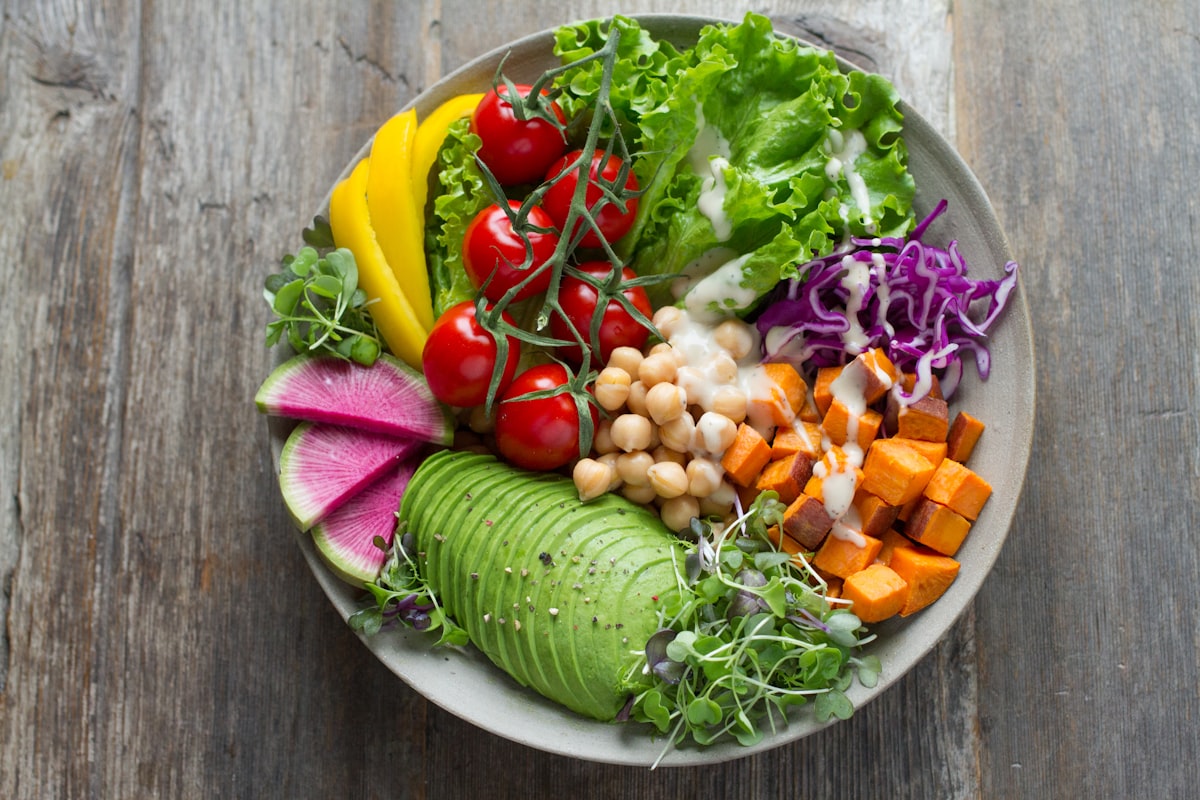
Step‑by‑step: building your high‑protein snack plate
Think of this as styling a mini grazing board for one. It’s more assembly than cooking, but a tiny bit of intention turns random snacks into a real meal.
- Prep your protein anchors
If you’re using boiled eggs, cook them first (8–10 minutes in simmering water, then cool and peel). For tofu, use pre‑baked cubes or quickly sear in a pan if you like them warm.
Spoon your Greek yogurt or cottage cheese into a small bowl and place it slightly off‑center on your plate or board. Nestle your eggs, tofu, or sliced turkey next to it so the “protein corner” feels substantial.
- Wash and slice your produce
Rinse your vegetables and fruit well, then slice into easy, bite‑sized pieces: carrot sticks, cucumber rounds, pepper strips, grape clusters, or berry piles. Aim for at least two colors—say, orange carrots and red tomatoes next to deep‑green cucumber.
- Add your crunch layer
Fan out your whole‑grain crackers, toasted bread slices, or rice cakes along one edge. If you’re using roasted chickpeas or lentil crisps, sprinkle them in a small cluster or use a tiny bowl so they stay crisp.
- Tuck in dips and healthy fats
Scoop hummus, guacamole, or tapenade into a ramekin or nestle directly on the plate, keeping it close to the crackers and veggies for easy dipping. Scatter nuts or seeds over the yogurt or around the plate for extra crunch and healthy fats.
Drizzle olive oil over the yogurt, eggs, or veggies if you enjoy that silky richness and extra satiety.
- Season and style
Finish with a generous pinch of salt and pepper. Add everything bagel seasoning on eggs or yogurt, paprika on hummus, or chili flakes if you like heat. These little flourishes make the plate feel restaurant‑level, even though you barely “cooked.”
- Check your balance & enjoy mindfully
Take a quick look: do you see a solid portion of protein, a handful or two of colorful veggies, some fruit, a serving or two of whole‑grain carbs, and a visible source of healthy fat? If yes, you’re good. If it still looks like “just snacks,” add a bit more protein or carbs.
Sit down, take a breath, and enjoy grazing. Part of the magic of this trend is that it feels fun and low‑effort while quietly taking care of your body.


Variations: omnivore, vegetarian & vegan high‑protein plates
1. Strength‑training omnivore plate (~35 g protein)
- 3/4 cup Greek yogurt with hemp seeds
- 2 boiled eggs, halved and seasoned
- Whole‑grain crackers
- Cherry tomatoes, cucumber, carrot sticks
- Hummus and a few almonds
2. High‑protein vegetarian plate (~30 g protein)
- 1/2 cup cottage cheese with everything bagel seasoning
- 1/2 cup edamame
- Seeded bread or crackers
- Carrot sticks, bell pepper, grapes
- Hummus and walnuts
3. Vegan high‑protein plate (~30 g protein)
- 100 g baked tofu cubes
- 1/2 cup edamame
- Roasted chickpeas and whole‑grain rice cakes
- Cucumber, cherry tomatoes, berries
- Hummus drizzle with olive oil and pumpkin seeds

Nutrition tips & making girl dinner a real dinner
Dietitians love this updated trend when plates are built with intention. A few tweaks help you move from “glorified snack” to truly satisfying meal:
- Prioritize protein: build your plate around 25–35 g of protein. That usually means at least two protein sources (e.g., yogurt + eggs, tofu + edamame).
- Don’t fear carbs: whole‑grain crackers, bread, or chickpeas support energy—especially if you lift, run, or train regularly.
- Add enough calories: if you walk away still hungry, add another scoop of protein, a slice of bread, or another handful of nuts or fruit.
- Watch processed meats: enjoy things like deli meats or salami in moderation; pair them with plenty of fresh produce.
- Mind the fiber: include at least one fruit and one vegetable, plus a whole‑grain for gut‑friendly, filling fiber.
Storage, meal prep & reheating (if any)
These plates shine as fresh, last‑minute meals, but a little prep makes weeknights even easier.
- Boiled eggs: cook a batch and keep in the fridge for up to 7 days in their shells.
- Chopped veggies: store in airtight containers with a paper towel to absorb moisture; use within 3–4 days.
- Cooked tofu or chicken: refrigerate for 3–4 days; enjoy cold or briefly re‑warm if you prefer.
- Assembled plates: if you’re packing lunch, group wet items (yogurt, hummus) in separate lidded cups so crackers don’t go soggy.
Since most elements are meant to be eaten cold or room‑temperature, there’s very little reheating involved. If you do re‑warm tofu or chicken, keep it separate from yogurt and raw veg so they stay crisp and cool.
Serving suggestions & complementary dishes
High‑protein girl dinner plates play well with others. You can:
- Pair with a simple soup (like tomato or lentil) on chilly nights.
- Add a small side salad if you’re sharing the plate or want extra greens.
- Serve with a sparkling water with citrus slices or a light herbal tea for a cozy solo dinner.
- Scale up ingredients to build a sharing board for friends—everyone can assemble their own high‑protein snack plate.

