
What to Eat to Feel Comfortably Full (Without Ozempic) – Smart, Satisfying Swaps That Really Work
When everyone from co-workers to celebrities seems to be on Ozempic or similar weight-loss injections, it’s easy to wonder if feeling comfortably full without a prescription is even realistic anymore. The truth is, your body already has powerful fullness signals built in — and the food you put in your mouth can turn those signals up or down, no needles required. And yes, you can still have cake.
In this guide, we’ll look at what to eat to feel full, based on current nutrition science as of 2026, and how to put it into practice even if you’re busy, skeptical, or have tried “everything” before. No miracle claims — just strategies that consistently help people feel satisfied on fewer cravings.

Why You Feel Hungry All the Time (Even When You Eat Enough Calories)
Ozempic and similar GLP‑1 agonists work partly by mimicking hormones that:
- Slow how quickly food leaves your stomach
- Enhance satiety signals to your brain
- Help smooth out blood-sugar swings that can trigger cravings
Without the drug, many people rely on:
- Low-fiber, ultra-processed foods that digest very quickly
- Meals heavy in refined carbs and low in protein
- Chaotic eating patterns (skipping meals, then overeating)
That combination can leave you physically full for a short time but biologically primed to be hungry again. The goal of a “feel full” way of eating is to mimic the benefits of those fullness hormones by choosing foods that work with your body’s natural appetite controls.
The Four Pillars of Feeling Full: Protein, Fiber, Fat & Fluid
Research from large nutrition studies and obesity clinics consistently points to four components of a meal that increase satiety:
- Protein – slows digestion and reduces hunger hormones like ghrelin.
- Fiber – adds bulk, feeds your gut bacteria, and helps regulate blood sugar.
- Healthy fats – trigger satiety hormones (like CCK) and add staying power.
- Fluid & volume – soups, stews, and high-water foods stretch the stomach gently.
“Protein appears to be the most satiating macronutrient, and higher-protein diets have been shown to reduce hunger and spontaneous food intake in many individuals.”
You don’t need to obsess over every gram, but deliberately including all four pillars at most meals can noticeably change how full you feel.
1. Prioritize Protein at Every Meal (and Why It Matters for Fullness)
Many people under-eat protein at breakfast and lunch, then feel “snacky” all afternoon and evening. Studies up to 2025 consistently show that moving toward about 1.2–1.6 g of protein per kilogram of body weight per day (for most healthy adults) improves satiety and can support weight management when combined with overall healthy habits.
You don’t need to hit a perfect number, but aiming for 20–30 g of protein at most meals is a useful rule of thumb for many.
High-satiety protein options
- Eggs or egg whites (scrambled, boiled, or in an omelette with veggies)
- Greek yogurt or Skyr (look for lower added sugar)
- Fish and seafood (salmon, tuna, mackerel, sardines, prawns)
- Skinless chicken or turkey, lean beef or lamb
- Tofu, tempeh, edamame, seitan
- Beans, lentils, and chickpeas (great combined with grains)
- Protein powders (whey, pea, soy) as a tool, not a necessity

How to apply this tomorrow
- Breakfast: Swap jam-on-toast for scrambled eggs with spinach on wholegrain toast, or Greek yogurt with berries and nuts.
- Lunch: Add a palm-sized portion of chicken, tofu, beans, or fish to your salad, soup, or sandwich.
- Snacks: Choose hummus with veg, a yogurt, or a small handful of nuts over low-protein crackers or sweets.
2. Use Fiber and Whole Foods to Slow Digestion
Fiber-rich foods act a little like a natural “slow-release” mechanism for your meals. They help prevent rapid blood sugar spikes — and the crashes that often lead to “I need something sweet right now.”
High-fiber foods that boost fullness
- Vegetables of all kinds (especially leafy greens, carrots, broccoli, peppers)
- Fruit (berries, apples, pears, oranges, kiwi)
- Legumes (lentils, chickpeas, black beans, kidney beans)
- Whole grains (oats, quinoa, brown rice, barley, wholegrain bread and pasta)
- Nuts and seeds (almonds, chia, flax, pumpkin seeds)
Most guidelines suggest 25–30 g of fiber per day for adults, but many people fall short. Increasing gradually and drinking enough fluids is important to avoid digestive discomfort.

Simple fiber upgrades
- Half your plate veggies at lunch and dinner (frozen is fine).
- Choose wholegrain bread, pasta, and rice most of the time.
- Add beans or lentils to soups, stews, and salads 2–3 times per week.
- Have a piece of fruit with nuts as a mid-afternoon snack.
3. Don’t Fear Fat: The Right Fats Help You Stay Satisfied
Very low-fat diets can leave you constantly peckish. Healthy fats help you absorb vitamins and trigger satiety hormones — but they are energy-dense, so a little goes a long way.
Healthy fat sources
- Olive oil, avocado oil, canola/rapeseed oil
- Avocado
- Nuts (walnuts, almonds, pistachios) and nut butters
- Seeds (chia, flax, pumpkin, sunflower)
- Oily fish (salmon, sardines, mackerel)
One practical guideline: include 1–2 thumbs’ worth of healthy fat at most meals — for example, a drizzle of olive oil, a small handful of nuts, or a quarter of an avocado.
4. Use Volume and Water-Rich Foods to Feel Physically Full
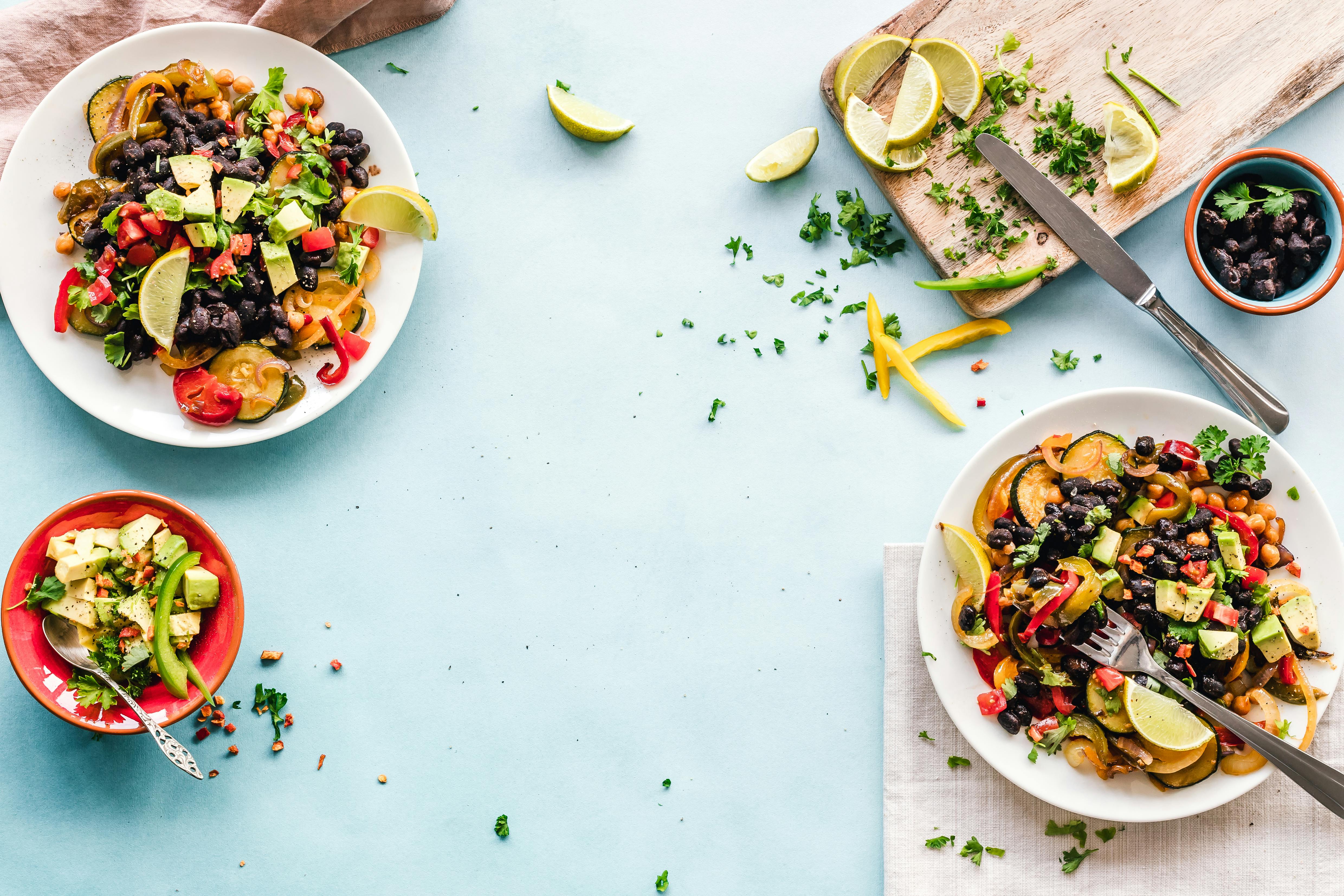
Your stomach has stretch receptors that send “I’m full” signals to your brain when they detect volume. Foods that are high in water and fiber (like soups, salads, and many fruits and vegetables) can help you feel physically satisfied with fewer calories than dense, ultra-processed foods.
High-volume, low-calorie foods
- Broth-based soups with vegetables and beans
- Big salads with a protein source and healthy fat
- Stewed or roasted vegetables
- Fresh fruits like berries, melon, oranges, and apples
- Plain or lightly flavored sparkling water alongside meals
Yes, You Can Still Have Cake: How Treats Fit into a Filling Diet
Completely banning your favorite foods often backfires. The aim is not perfection; it’s positioning treats so they don’t hijack your hunger hormones.
Smart ways to enjoy dessert without derailing fullness
- Have treats after a balanced meal, not on an empty stomach. Protein, fiber, and fat blunt the blood sugar spike.
- Decide your portion in advance (e.g., “one slice”) and savor it slowly.
- Aim for quality over frequency — really good cake once or twice a week can be more satisfying than mediocre sweets every day.
- Pair with protein when possible — for example, a small slice of cake with a Greek yogurt, or fruit and cream.
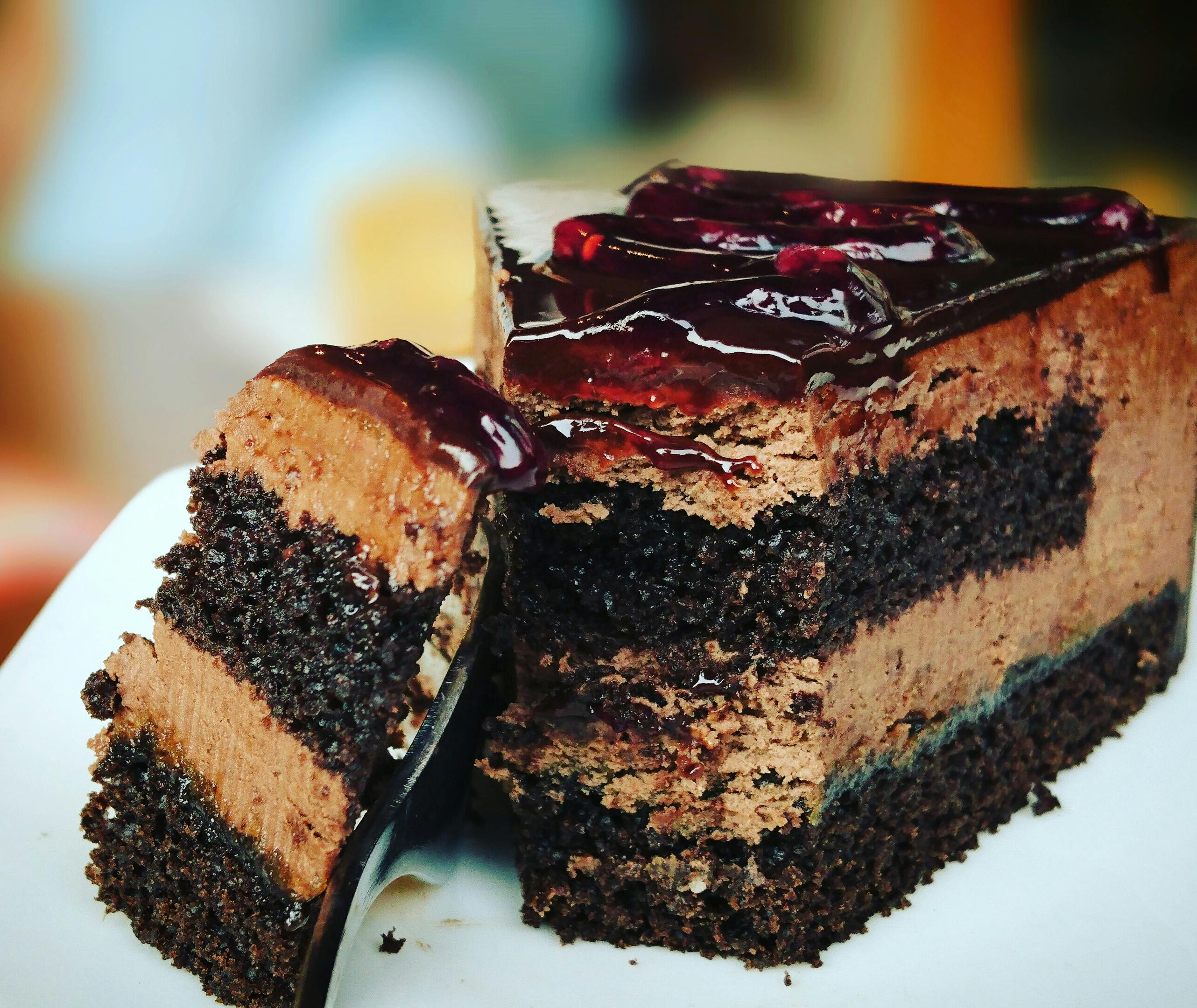
In clinic, I’ve seen people eat more mindfully and lose weight more steadily when they keep one or two planned desserts in their week than when they try to cut sweets out entirely.
How to Build a “Fullness-Friendly” Plate
Instead of counting every calorie, think about building each plate with satiety in mind.
A simple plate template
- Half your plate: Non-starchy vegetables (e.g., salad, broccoli, peppers, green beans)
- Quarter of your plate: Protein (e.g., chicken, beans, tofu, fish)
- Quarter of your plate: Wholegrain or starchy veg (e.g., brown rice, quinoa, potatoes)
- Plus: A small portion of healthy fat (olive oil, avocado, nuts, seeds)
Example day of filling meals
- Breakfast: Greek yogurt with berries, oats, and a sprinkle of nuts.
- Lunch: Lentil and vegetable soup with a slice of wholegrain bread and olive oil.
- Snack: Apple slices with peanut butter.
- Dinner: Grilled salmon, roasted vegetables, and quinoa with a side salad.
- Dessert: Small slice of cake after dinner, enjoyed slowly.
Real-Life Obstacles: What Gets in the Way of Feeling Full?
Knowing what to eat is one thing; doing it when you’re exhausted, stressed, or short on time is another. A few common obstacles:
- Busy mornings leading to skipped or sugary breakfasts
- Takeaway-heavy lunches that are low in fiber and protein
- Evening snacking driven by stress more than physical hunger
- Social pressure at work events or family gatherings
Practical ways around these hurdles
- Prep once, benefit all week: Cook a batch of protein (e.g., chicken, lentils, tofu) and a tray of vegetables on Sunday to mix into quick meals.
- Keep “emergency” options: Tins of beans or tuna, frozen vegetables, microwaveable wholegrain rice, and eggs can become a full meal in minutes.
- Upgrade your order: When eating out, look for dishes with visible vegetables and a clear protein source; ask for dressings or sauces on the side.
- Pause before snacking: Ask, “Am I hungry, or just tired/stressed?” If it’s stress, a short walk, tea, or a call with a friend may help more than food.
A Realistic Case Study: From Constant Cravings to Comfortable Fullness
Here’s a composite story based on several clients seen in nutrition clinics, with details changed for privacy.
Alex, 42, worked long hours and often skipped breakfast, grabbed a pastry mid-morning, then relied on sandwiches or takeaways for lunch. By 4pm, they were raiding the office snack drawer and felt “always hungry,” often considering weight-loss injections.
Over 10 weeks, instead of focusing on weight loss, Alex and their dietitian focused on satiety:
- Adding a protein-rich breakfast (yogurt, fruit, nuts, and oats).
- Ensuring at least one vegetable at lunch and dinner.
- Swapping the 4pm biscuits for a planned snack (apple and peanut butter, or hummus and carrots).
- Keeping two dessert nights per week — cake on Fridays and ice cream on Sundays — after balanced dinners.
By the end of the 10 weeks, Alex reported:
- Far fewer episodes of intense evening hunger
- Reduced reliance on office snacks
- More stable energy across the workday
Weight did trend down slowly, but the bigger win was feeling in control of appetite, which made the idea of medication feel less urgent. This isn’t everyone’s experience, but it’s a good example of what’s possible when you work with your body’s fullness signals.
Health & Safety: When to Talk to a Professional
While changing what you eat can significantly influence hunger and fullness, it’s not a cure-all. Medications like Ozempic can be appropriate and helpful for some people, particularly those with type 2 diabetes or obesity under medical care.
Consider speaking with a healthcare professional if:
- You’re experiencing rapid, unexplained weight changes.
- You have diabetes, kidney disease, heart disease, or digestive disorders.
- You notice patterns of binge eating, purging, or intense food guilt.
- You’re considering starting or stopping prescribed weight-loss medication.
Bringing It All Together: Feeling Full Without Relying on Ozempic
Feeling full isn’t about iron willpower or living on salad leaves. It’s about eating in a way that supports your body’s natural appetite system — with enough protein, fiber, healthy fats, and food volume to keep you satisfied between meals.
You don’t have to overhaul everything at once. Choose one or two small changes to try this week:
- Add 20–30 g of protein to breakfast.
- Make half your plate vegetables at dinner.
- Swap one ultra-processed snack for a fruit-and-nut combo.
- Plan when you’ll enjoy dessert, instead of grabbing it impulsively.
Over time, these tweaks can add up to fewer cravings, more steady energy, and a relationship with food that feels a lot less like a battle. Weight-loss drugs will continue to be part of the conversation — but they don’t erase the power of what’s on your plate.
Your next step: pick one fullness strategy from this article, commit to trying it for the next seven days, and notice how your hunger and energy respond. Let your body’s feedback, not the latest headline, guide what comes next.
References & Further Reading
- Weigle DS et al. “A high-protein diet induces sustained reductions in appetite, ad libitum caloric intake, and body weight despite compensatory changes in diurnal plasma leptin and ghrelin concentrations.” American Journal of Clinical Nutrition.
- Slavin JL. “Dietary fiber and body weight.” Nutrition.
- U.S. National Institutes of Health – Weight Management.
- National Health Service (NHS) – Healthy weight.
