
The Silent Threat on Campus: What Every Student Needs to Know About Meningococcal Disease
A healthy 21-year-old college student, Alexander “Zander” Philogene, reportedly went from feeling a bit unwell after a trip to Portugal to tragically dying within hours. The cause: suspected meningococcal disease—an infection that can look like the flu at first, yet progress with terrifying speed.
Stories like Zander’s are heartbreaking, and they raise an understandable question for students, parents, and campus communities: How do you recognize something this fast and this dangerous before it’s too late?
In this guide, we’ll walk through what meningococcal disease is, why college students and travelers are at higher risk, the early symptoms that should never be ignored, and evidence-based ways to protect yourself and those you love—without falling into panic.

Why Meningococcal Disease Is So Dangerous—and Often Missed
Meningococcal disease is caused by the bacteria Neisseria meningitidis. It can lead to:
- Meningitis – infection of the membranes (meninges) surrounding the brain and spinal cord.
- Meningococcal septicemia (meningococcemia) – a bloodstream infection that can cause shock and organ failure.
The challenge is that the earliest symptoms often look like a viral illness or seasonal flu:
- Fever
- Headache
- Feeling “just off” or unusually tired
- Aches and pains
But unlike typical flu, meningococcal disease can progress from “I don’t feel great” to a life-threatening emergency in a matter of hours, especially in young, otherwise healthy people.
Who Is Most at Risk? College Students, Travelers, and Close-Contact Groups
According to the U.S. Centers for Disease Control and Prevention (CDC) and similar health agencies in Europe, meningococcal disease is relatively rare, but certain groups face higher risk:
- College students living in dorms and people in other shared housing (military barracks, hostels).
- Travelers to regions experiencing outbreaks or where certain meningococcal strains are more common.
- People with weakened immune systems or without a spleen.
- Close contacts of an infected person (roommates, intimate partners, close friends who share drinks, utensils, etc.).
The bacteria spread through respiratory droplets and saliva—coughing, sneezing, kissing, or sharing drinks, cigarettes, vapes, or utensils. That’s why tight-knit social groups on campus, sports teams, band members, and travelers staying in hostels are of particular concern.

Early Symptoms vs. Emergency Signs: What to Watch For
While not everyone will have all of these symptoms, recognizing the pattern—and especially the speed of progression—can save a life.
Early, “Flu-Like” Symptoms
- Sudden fever
- Headache (may be moderate at first)
- Feeling very tired or “off”
- Aches or joint pain
- Nausea or vomiting
Red-Flag Symptoms: Seek Emergency Care Immediately
- Very severe headache that feels different from usual.
- Stiff neck or pain when trying to touch chin to chest.
- Confusion, difficulty waking up, or acting “not themselves.”
- Sensitivity to light.
- A new rash that may start as tiny red or purple spots and doesn’t fade when pressed.
- Fast breathing, cold hands and feet, or mottled skin (possible signs of septicemia/shock).
“If a previously healthy young person becomes acutely ill and worsens over hours, not days, with fever and confusion or a rash, meningococcal disease should be on the list until proven otherwise. When in doubt, go to the emergency department and say you’re worried about meningitis.”
— Infectious disease specialist, summarizing current clinical guidance
A Brief Look at Zander’s Story: Why Speed Matters
While details are still emerging and official investigations can take time, reports indicate that Alexander “Zander” Philogene, a 21-year-old college student, began to feel unwell and messaged friends about his symptoms after returning from a trip to Portugal. Within a very short window—hours, not days—his condition reportedly deteriorated, and he died from what is believed to be meningococcal disease.
Cases like this, though rare, are exactly why public health experts emphasize:
- Rapid recognition of severe symptoms.
- Immediate medical evaluation when red flags appear.
- Preventive steps such as vaccination and early treatment of close contacts.
No article can fully capture the grief of friends and family, and it’s important not to turn a personal tragedy into fear-mongering. Instead, we can honor stories like Zander’s by using them as a prompt to learn, prepare, and advocate for safer campus and travel environments.
Prevention: Vaccines, Everyday Habits, and Travel Precautions
No prevention strategy is perfect, but several evidence-based measures substantially reduce the risk of meningococcal disease, especially in college students and travelers.
1. Vaccination: Your Strongest Line of Defense
In many countries, meningococcal vaccines are recommended for adolescents and college-aged adults. There are two main types:
- MenACWY vaccines – cover serogroups A, C, W, and Y. Often recommended for:
- All adolescents (e.g., around ages 11–12, with a booster at 16 in the U.S.).
- First-year college students living in dormitories.
- Travelers to certain regions (e.g., parts of Africa’s “meningitis belt”).
- MenB vaccines – cover serogroup B, which has caused several campus outbreaks in recent years. Often recommended for:
- Young adults 16–23, with emphasis on ages 16–18.
- Students at campuses where a serogroup B outbreak has been identified.
Recommendations vary by country and can change as new data emerge, so always check your local health authority (e.g., CDC, Public Health England/UKHSA, ECDC, your national immunization program).

2. Everyday Habits on Campus and While Traveling
- Avoid sharing: drinks, utensils, lip balm, cigarettes, vapes, or anything that contacts saliva.
- Cover coughs and sneezes: use your elbow or a tissue and wash hands afterward.
- Ventilate shared spaces: open windows when possible in dorm rooms and common areas.
- Seek care early: don’t “tough it out” if you or a roommate feels acutely unwell.
3. Travel-Specific Precautions
- Pre-travel consult: visit a travel clinic 4–6 weeks before international trips, especially to areas with known meningococcal activity.
- Check entry requirements: some countries or events (like the Hajj pilgrimage) require proof of recent meningococcal vaccination.
- Hostel hygiene: use your own water bottle, avoid sharing personal items, and stay aware of how you feel day to day.
Diagnosis, Treatment, and Protecting Close Contacts
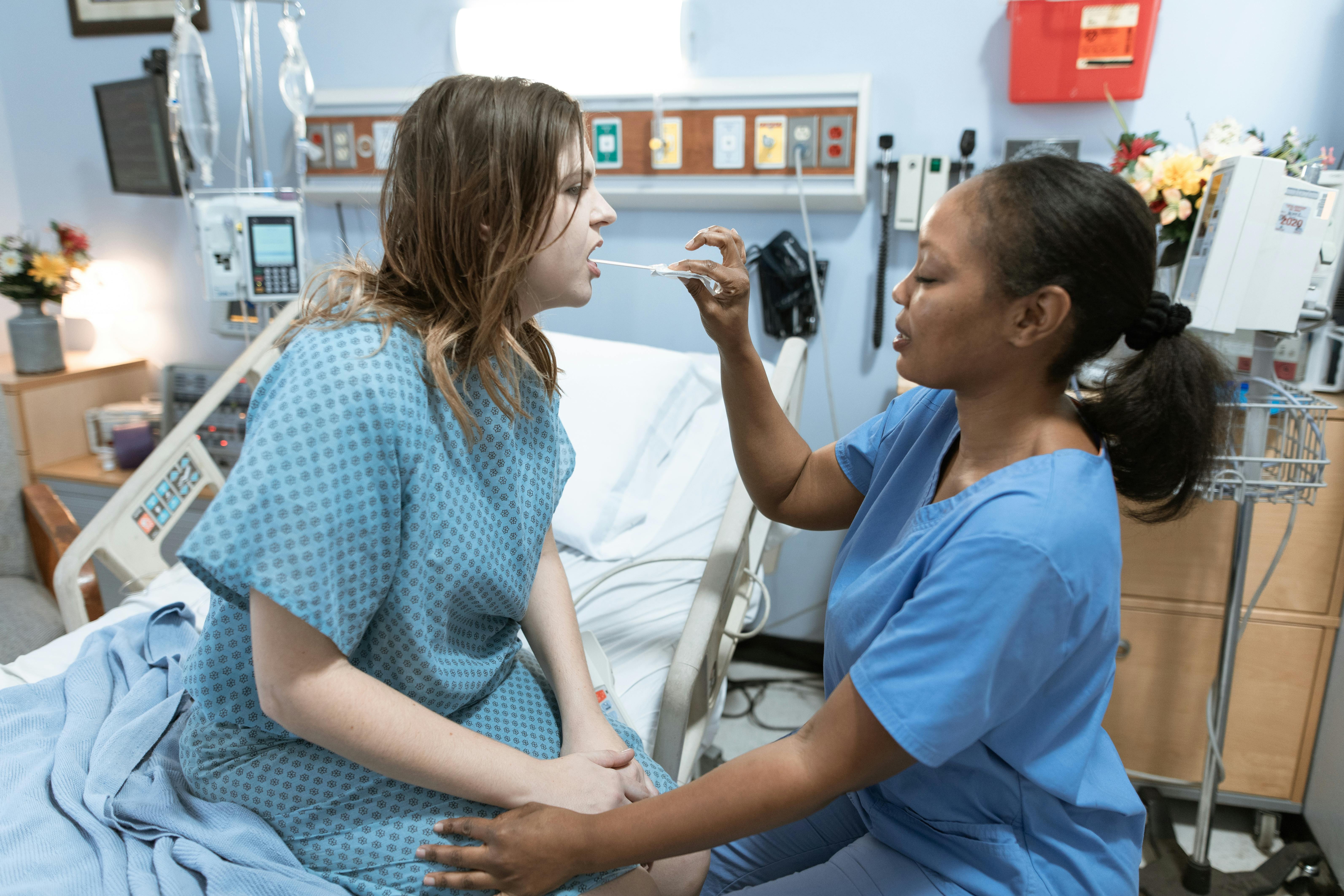
Meningococcal disease is a medical emergency, but with rapid diagnosis and treatment, many people recover. Here’s what typically happens in a hospital setting:
- Immediate assessment: vital signs, neurological status, and a focused physical exam looking for signs of meningitis or sepsis.
- Urgent antibiotics: broad-spectrum intravenous antibiotics are usually started before all test results are back, if meningococcal disease is suspected.
- Diagnostics: blood cultures, possibly lumbar puncture (spinal tap), and other labs to confirm the diagnosis and identify the strain.
- Supportive care: fluids, oxygen, blood pressure support, and intensive monitoring as needed.
Because the bacteria can spread to close contacts, public health teams typically:
- Identify roommates, intimate partners, and others with close, prolonged exposure.
- Offer a short course of preventive antibiotics (chemoprophylaxis) to those contacts.
- Review vaccination status of the affected community and consider targeted vaccination campaigns in outbreaks.
Common Obstacles: Why Students Delay Care—and How to Overcome Them
Even well-informed students and families can miss early meningococcal disease. Several predictable obstacles tend to get in the way:
- “It’s probably just a bug.” Students may not want to make a fuss or miss class.
- Cost and access worries. Concerns about ER bills or insurance barriers can delay care.
- Campus culture. Environments that glorify “pushing through” illness can make it harder to seek help.
- Lack of symptom awareness. Many people don’t realize how quickly meningococcal disease can progress.
Practical Ways to Push Past These Barriers
- Agree on a rule with your family or friends:
For example, “If I have a high fever and feel worse over a few hours instead of better, I promise to go to the ER or urgent care.”
- Know your campus resources:
Save the phone number and after-hours instructions for:
- Campus health center
- Local urgent care
- Nearest emergency department
- Talk openly about money worries:
Serious infections are exactly what emergency coverage is for. Many hospitals also offer financial assistance; delaying care often leads to longer, more expensive stays.
- Share symptom checklists with roommates:
Sometimes it’s the friend or roommate who says, “This isn’t normal, we’re going in,” that makes the difference.

A Simple Safety Checklist for Students and Families
Use this quick checklist to turn information into action. You don’t need to do everything perfectly—each step still lowers risk.
- Confirm vaccinations: Are MenACWY and, if recommended, MenB vaccines current?
- Save key contacts: Campus health, local urgent care, and nearest ER numbers in your phone.
- Print or screenshot symptoms: Keep a list of meningococcal red flags accessible.
- Set boundaries around sharing: Drinks, vapes, utensils, and lip products are off-limits to share.
- Have a “sick plan”: Decide in advance who will drive or accompany you if you become suddenly ill.
- Check travel risks: For international trips, review official travel health guidance before you go.

Moving Forward: Stay Informed, Not Afraid
Meningococcal disease is rare, but when it strikes, it can be devastating—especially in vibrant, close-knit communities like college campuses. The loss of a young person like Alexander “Zander” Philogene is a stark reminder of how quickly things can change, and how important awareness and rapid action are.
At the same time, most students will never experience this infection firsthand. The goal is not to live in fear, but to:
- Get protected with recommended vaccines.
- Learn the warning signs that separate a typical bug from a true emergency.
- Build a culture of care where friends, roommates, and families encourage one another to seek help when something feels seriously wrong.
Tonight, you can take one small action: check your or your child’s vaccine record, add campus health numbers to your phone, or share this information with someone heading off to college or traveling abroad. Those quiet, practical steps are what turn heartbreaking headlines into better outcomes for the next student who gets suddenly, seriously sick.
If you want to go deeper, consult:
