
“Toxic Snake Pit?” Inside Steve Kroft’s Brutal Take on 60 Minutes and the Future of TV News
Inside the “Toxic Snake Pit”: Steve Kroft’s Candid Takedown of 60 Minutes and TV News Culture
Published April 7, 2026 • Updated for current media and politics context
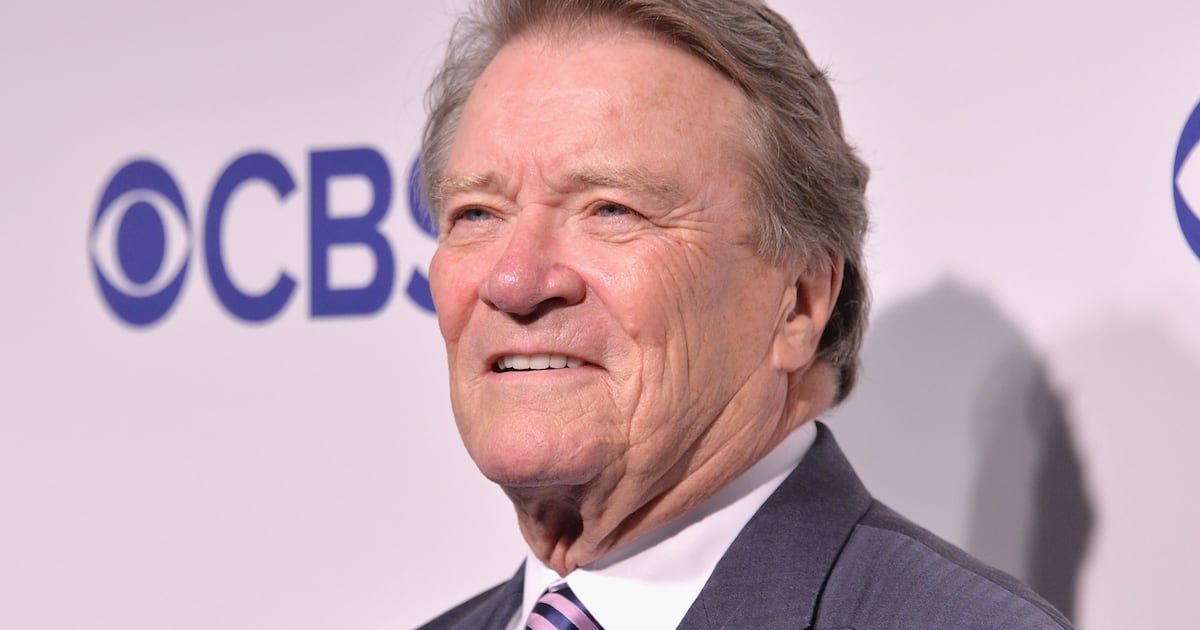
Retired 60 Minutes star Steve Kroft has reportedly described the iconic CBS newsmagazine as a “toxic snake pit where you could be stabbed in the back at any minute,” a strikingly blunt assessment that lands at a moment when trust in media, political coverage of Donald Trump, and the future of legacy TV news are all under intense scrutiny.
Kroft, now 80 and long considered one of the program’s defining reporters, didn’t just air old workplace drama—his remarks add fuel to a broader conversation about how high‑stakes newsroom culture, ratings pressure, and political polarization shape the journalism millions of Americans still watch every Sunday night.
How 60 Minutes Became America’s Sunday‑Night Referee
To understand why Kroft’s “snake pit” line stings, you have to remember what 60 Minutes represents. Since the late 1960s, the CBS news show has functioned as a sort of national ombudsman—part investigative bulldog, part cultural town hall, and part prestige TV ritual watched with the same regularity as NFL games and awards shows.
The format—hard‑edged interviews, carefully structured narratives, ticking stopwatch—became the template for generations of newsmagazines. It’s the show that grilled presidents, confronted CEOs, and occasionally became part of the story itself, from the 1990s tobacco whistleblower saga to more recent controversies over its handling of politically charged segments.
Over time, the brand has accrued almost mythic status. Being profiled by 60 Minutes could make or break public figures; working there, meanwhile, has often been portrayed as the Super Bowl of broadcast reporting—brutal, competitive, but career‑defining.
“The name ‘60 Minutes’ is like a journalistic knighthood. It tells viewers: pay attention, this is serious.”
That’s the pedestal Kroft is kicking at. When someone who helped build the legend starts talking about knives out in the corridors, it punctures the halo around the stopwatch.
“A Toxic Snake Pit”: What Kroft’s Critique Really Suggests
The headline phrase—calling the show a “toxic snake pit” where you could be “stabbed in the back at any minute”—telegraphs more than simple workplace gossip. It hints at a competitive, personality‑driven ecosystem where:
- Star correspondents battle for limited airtime and marquee stories.
- Producers and editors wield considerable off‑camera power.
- Internal politics can blur into newsroom decision‑making.
This is hardly unique to CBS or 60 Minutes. Prestige journalism—from newspapers like The New York Times to cable outlets like CNN and Fox News—has long been described as high‑stress, ego‑intensive, and, yes, occasionally cutthroat.
“If you put ambitious people in a room with limited real estate on air, you’re going to get sharp elbows. The line between ‘driven’ and ‘toxic’ is where management steps in—or doesn’t.”
What makes Kroft’s framing so potent is that it pushes back against decades of CBS branding itself as the sober, grown‑up news division—less shouty than cable, more dignified than digital tabloids. The suggestion is that the polished seriousness on screen masks something far messier off it.

At the same time, there’s an inherent tension in any tell‑all from a media insider: the show Kroft criticizes is also the show that made him a household name. That doesn’t invalidate his account, but it does mean viewers should weigh both his proximity and his possible grievances when interpreting the “snake pit” label.
Steve Kroft on Trump, CBS, and the Politics of Access
According to reporting on his comments, Kroft also shared thoughts on Donald Trump and CBS, which plugs into a larger, unresolved question: how should legacy news outlets cover a figure who thrives on media attention while actively undermining trust in that same media?
60 Minutes has a long history with Trump—from pre‑presidency profiles to high‑stakes interviews with correspondents like Lesley Stahl. Those conversations often walked a tightrope between:
- Maintaining access to a sitting or would‑be president.
- Fact‑checking in real time without letting misinformation stand.
- Avoiding the appearance of either softball treatment or partisan attack.

Kroft’s perspective here carries weight because he operated inside that system as it adapted to the Trump era—where every booking decision could be read as a political statement and every tough follow‑up question risked being clipped, memed, and spun across social media within minutes.
The Culture Behind the Camera: Ambition, Awards, and Burnout
One reason Kroft’s comments resonate is that they dovetail with a wave of recent media‑industry memoirs and podcasts pulling back the curtain on newsroom culture. From cable‑news talent feuds to print‑news Slack wars, audiences are increasingly aware that the institutions presenting order and objectivity often run on barely controlled chaos.
The dynamics at a place like 60 Minutes are especially intense:
- Finite real estate: Only so many segments make each broadcast, and a lead story can shape national conversation.
- Award incentives: Emmys and Peabodys go to standout investigations, not safe, incremental pieces.
- Generational clash: Veteran correspondents, younger producers, and digital‑savvy staff often have competing priorities.

When that pressure cooker works, it produces memorable journalism—think corporate investigations or global conflict reporting that clearly cost months of work and real‑world risk. When it doesn’t, you get the kind of internal backstabbing and morale problems Kroft is gesturing toward.
“The mythology says we’re all on the same team, but the incentives reward standing out as an individual star. That contradiction is where a lot of toxicity lives.”
Does the Work Outweigh the Drama? Weighing 60 Minutes Today
Setting Kroft’s charged language aside, how does 60 Minutes actually stack up in 2026 as a piece of television and a news brand?
Strengths
- Deep reporting: Even as budgets tighten across TV news, the show still delivers long‑form pieces that most nightly broadcasts can’t attempt.
- Cross‑generational audience: It remains one of the few news shows watched by both older viewers and younger audiences who catch clips on social platforms.
- Institutional access: Presidents, CEOs, and cultural figures still say “yes” when 60 Minutes calls.
Weaknesses
- Perception of bias: In the hyper‑polarized Trump and post‑Trump media environment, any tough interview is framed as partisan by someone.
- Legacy baggage: Past missteps and public feuds linger online, complicating the brand’s “above the fray” image.
- Format rigidity: The classic three‑segment structure can feel constrained next to more experimental documentary storytelling of streamers and podcasts.

If you’re deciding whether to watch, Kroft’s critique doesn’t negate the journalism on screen, but it can inform how you view it. Recognizing the inner politics doesn’t mean dismissing the reporting; it just encourages a more skeptical, media‑literate lens.
From a reviewer’s standpoint, 60 Minutes in its current era remains a mixed but vital institution—sometimes cautious where you wish it were bolder, sometimes uneven in its political framing, yet still capable of producing segments that no cable shout‑fest or TikTok explainer can really replicate.
Where TV News Goes After the Snake Pit: Final Thoughts
Steve Kroft’s “toxic snake pit” line doesn’t just gossip about an office; it taps into a deeper anxiety: can legacy newsrooms evolve beyond cutthroat, personality‑first cultures while still producing hard‑hitting journalism in a brutal attention economy?
The likely answer is messy. As streaming platforms and digital‑native outlets invest in investigative docs and explainers, shows like 60 Minutes face pressure to modernize without losing their gravitas. At the same time, internal culture—the thing Kroft calls out—will increasingly be a public‑image issue, not a private problem.
For viewers, the takeaway isn’t to cancel 60 Minutes in your mind, but to watch with layered awareness: appreciate the reporting, question the framing, and remember that the stopwatch logo, however iconic, doesn’t guarantee purity behind the scenes.
However you feel about Kroft’s assessment, it’s a reminder that the stories we watch about power are always, in some way, shaped by the power struggles we don’t see off camera.
