
Savannah Guthrie’s Emotional Return to Today: How Morning TV Handles Real-Life Crisis
Savannah Guthrie Returns to Today: Grief, Disappearance, and the Pressure of Live TV
Savannah Guthrie has returned to her Today show co-anchor seat more than two months after the disappearance of her mother, Nancy Guthrie, a deeply personal crisis that has unfolded in public view and raised difficult questions about grief, privacy, and the emotional labor of live television.
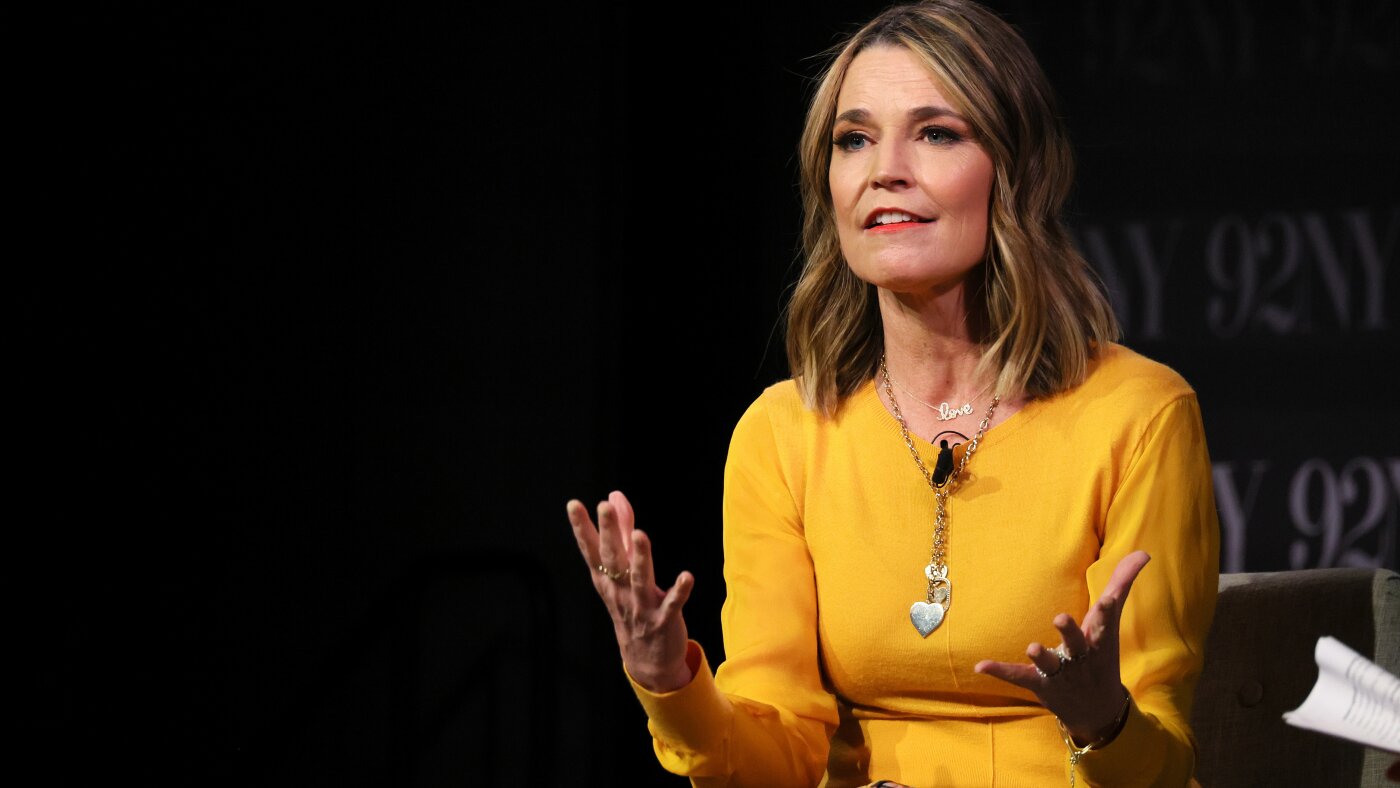
Morning shows like Today sell comfort and routine. When one of their anchors is living through something this unsettling, it disrupts not just the on-air chemistry, but the viewer’s sense of daily normalcy.
What Happened: The Disappearance of Nancy Guthrie
According to reporting from NPR and local authorities, Savannah Guthrie’s mother, Nancy Guthrie, has been missing since the evening of January 31, after returning home from a family dinner. She has not been seen since.
Details released to the public have been measured, largely focused on the basics:
- The timeline around the family dinner and her return home
- Ongoing search efforts by local law enforcement
- Requests for public assistance in sharing information or tips
In such cases, families often walk a tightrope between publicizing the disappearance to help the search and preserving their own privacy. Guthrie’s dual role—as a daughter in crisis and a major network anchor— complicates that already fraught balance.
Savannah Guthrie’s Return to Today: Performance Under Pressure
Guthrie rejoined Hoda Kotb and the Today team on a Monday broadcast, stepping back into the highly visible role she’s held since 2012. The return had the quiet drama of live TV: no sweeping orchestral score, just a familiar face trying to navigate an unimaginable situation in real time.
“I’m so grateful for everyone’s prayers and support. My family is taking this day by day, and I’m grateful to be back at this table with people I love.”
The moment fit into a long tradition of morning-show anchors addressing deeply personal situations on air:
- Robin Roberts documenting her cancer treatment on Good Morning America
- Hoda Kotb speaking frankly about adoption and single motherhood
- Matt Lauer’s ouster, which forced Today to narrate its own workplace scandal
Where Guthrie’s case differs is the open-ended nature of a missing-person situation. There’s no clear arc, no tidy resolution—and that uncertainty sits in the background of every segment she hosts.

Morning TV, Parasitic Curiosity, and the Ethics of Sharing Grief
The cultural tension here is sharp: audiences feel they “know” Savannah Guthrie. Morning TV is built on that illusion of intimacy—hosts chat about their kids, their weekends, their coffee preferences. So when a real crisis hits, viewers expect to be let in.
At the same time, missing-person cases like Nancy Guthrie’s often attract a darker, true-crime style fascination. Social media sleuthing, armchair theories, and viral “updates” can turn a family’s nightmare into content.
Guthrie’s return suggests a careful middle path:
- Address the reality directly and briefly.
- Thank viewers for concern without feeding speculation.
- Then, resume the usual mix of news, lifestyle, and soft features.
It’s a strategy that acknowledges the viewer’s emotional investment while signaling that some parts of this story belong off-camera.

The Today Show Brand: Comfort TV in an Age of Uncertainty
NBC’s Today has weathered multiple identity shifts—from serious news program to lifestyle-heavy hangout and back again. In recent years, it’s leaned into an emotional transparency that matches the social-media era.
Guthrie is central to that strategy. Her on-air persona blends prosecutor-level interviewing (she’s a former attorney) with a kind of earnest relatability that works across hard news and fluff segments. Her absence was noticeable; her return, deeply symbolic.
Morning television isn’t just about information; it’s about ritual. When a key host disappears, viewers feel that rupture in their own routines, even if they can switch the channel in a heartbeat.
In this context, NBC’s decision to welcome Guthrie back on-air, rather than extend a longer off-camera leave, signals confidence in her ability to manage that dual role—and an understanding that viewers often prefer to see their anchors working through real life rather than vanishing entirely.

Media, Missing Persons, and Where Coverage Crosses a Line
The Guthrie case also highlights long-running critiques about how media outlets handle missing-person stories. Historically, coverage has skewed toward cases involving white women, especially when there’s a hook—celebrity adjacency, a picturesque hometown, a narrative-friendly timeline.
In this instance, Guthrie’s own job is part of the coverage. Major outlets must balance:
- Legitimate news interest in the disappearance
- Respect for Guthrie’s privacy and that of her family
- The risk of sensationalizing incomplete information
NPR’s framing of the story has been notably restrained—largely factual, foregrounding the timeline and law enforcement information rather than conjecture. That restraint is a quiet corrective to the more lurid tendencies of some cable and tabloid coverage in missing-person cases.

How Today Handled the Moment: Strengths and Missteps
Judging a morning show’s response to a personal tragedy is inherently subjective, but a few points stand out in Guthrie’s return coverage.
What Worked
- Economy of words: Guthrie’s on-air comments were brief and specific, avoiding melodrama.
- Visible support: Co-anchors expressed solidarity without turning the segment into a spectacle.
- Swift pivot: The show quickly moved back to regular programming, signaling respect rather than wallowing.
Where It’s Complicated
- Any on-air mention inevitably invites more coverage elsewhere, keeping the story in a constant churn.
- Viewers may feel encouraged to “investigate” on social media, even when families and police discourage that.
Still, within the constraints of live morning television, Guthrie and the Today team largely managed a measured, humane tone—more acknowledgment than exploitation.
Looking Ahead: A Story Still Unfinished
There is, as of now, no resolution to Nancy Guthrie’s disappearance. That uncertainty hangs over Savannah Guthrie’s return in a way that no amount of professional polish can fully mask. Every time she pivots from a hard news segment to a cooking demo or pop-culture interview, she’s doing what morning-TV anchors have always done: pretending, for a few hours, that life is coherent.
The cultural stakes here go beyond one anchor or one show. Guthrie’s situation forces viewers to ask what they really expect from public figures in crisis—and how much of someone else’s pain should ever feel like part of our morning routine.
For now, the most responsible stance from audiences and media alike is simple: pay attention, respect boundaries, and remember there’s a family at the center of this, not just a story. The cameras may keep rolling, but some of the most important parts of this narrative will, and should, remain off-screen.

Coverage Snapshot (Schema.org Review Metadata)
The following structured data describes this cultural analysis of Savannah Guthrie’s return to the Today show.
