The Two Tiny Eating Tweaks That Quietly Support a Healthier Weight
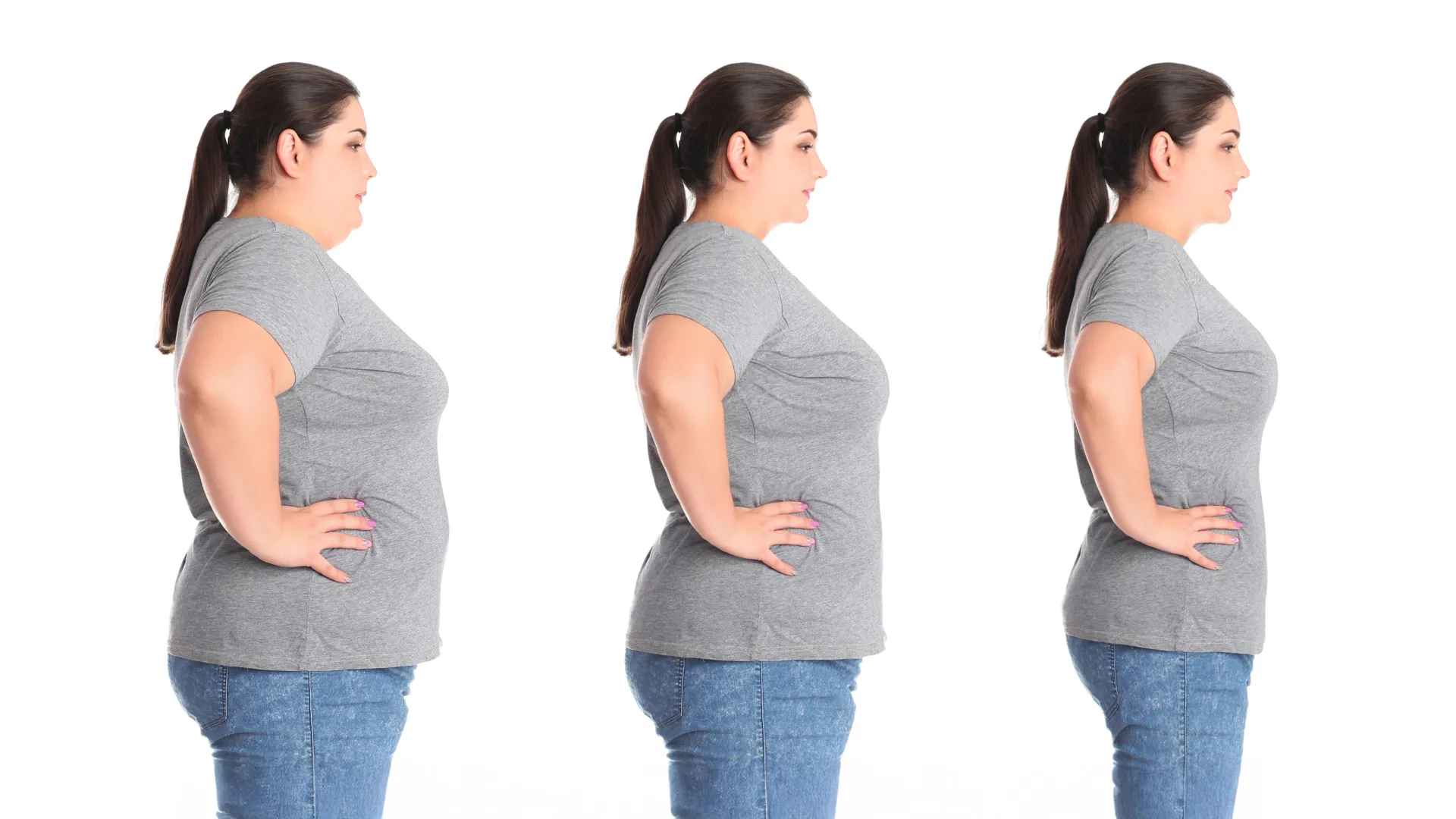
Why When You Eat Might Matter More Than You Think
If you’ve ever felt frustrated doing “everything right” with your diet—watching portions, choosing whole foods—yet your weight still creeps up, you’re not alone. More people are discovering that maintaining a healthy weight isn’t only about what you eat, but also when you eat.
A major study summarized by ScienceDaily and published in the International Journal of Behavioral Nutrition and Physical Activity followed adults over several years. It found that two very simple habits were linked to a lower body mass index (BMI) later on:
- Leaving a longer overnight fast between the last meal of the day and breakfast.
- Eating a consistently earlier breakfast, rather than skipping or delaying it far into the day.
These aren’t magic tricks or a new fad diet. They’re timing tweaks that may help your metabolism work with you instead of against you—especially when combined with nutritious food choices and movement.
The Hidden Problem: Late-Night Eating and “Drifting” Meal Times
Modern life quietly pushes our meals later and later. Between long workdays, commutes, and streaming shows, it’s easy to:
- Eat dinner close to bedtime.
- Snack late at night while watching TV.
- Skip or delay breakfast because mornings feel rushed.
Over time, this pattern can shorten your overnight fasting window and shift more of your daily calories to the late evening—precisely when your body may be less efficient at handling them.
“Our metabolism has a daily rhythm. Eating most of our calories late at night may push against that rhythm, making it harder to maintain a healthy weight.”
— Interpretation based on circadian nutrition research
What the Study Actually Found About Meal Timing and Weight
The research highlighted by ScienceDaily drew on data from a large group of adults and followed them over multiple years. While methods vary slightly across cohorts, the key pattern was consistent:
- Longer overnight fasts were linked to lower BMI.
People who had a bigger gap between their last meal in the evening and their first meal the next morning tended to have a lower BMI later on. - Earlier breakfasts were also linked to lower BMI.
Participants who routinely began eating earlier in the day, instead of delaying their first meal far into the morning or early afternoon, were more likely to have lower BMI.
Importantly, this was an observational study. That means it can’t prove that changing your meal timing alone will cause weight loss. But the associations fit with what we know about:
- Circadian rhythms (your 24‑hour body clock).
- Insulin sensitivity (generally better earlier in the day).
- Night-time metabolism (often slower and more geared toward storage).
If you’d like to explore the science further, see related work on meal timing and circadian rhythm in journals like Advances in Nutrition and The New England Journal of Medicine.
Why Earlier Eating and Overnight Fasting May Support a Healthy Weight
Your body runs on a 24‑hour schedule called the circadian rhythm. Hormones, digestion, and even how efficiently you burn calories change across the day.
Research suggests that:
- Insulin sensitivity is generally higher earlier in the day, meaning your body may handle carbohydrates better at breakfast and lunch than late at night.
- Digestion and gut motility tend to slow in the evening.
- Late-night eating is associated with higher calorie intake overall for many people.
By extending your overnight fast and eating earlier:
- You give your body a longer “rest and repair” window overnight.
- You shift more calories into the time of day when your metabolism is typically more active.
- You may naturally reduce late-night snacking, which is often higher in ultra‑processed foods.

The Two Key Habits: What They Look Like in Real Life
Let’s translate the research into something you can actually do. The study focused on two main behaviors:
1. Extending Your Overnight Fast (Without Extreme Rules)
An overnight fast simply means the time you’re not eating between your last bite at night and your first bite the next morning. You’re already doing some version of this—now you’re just being intentional about the length.
A gentle, realistic target for many adults is:
- 12–13 hours overnight to start (for example, 7:30 p.m. to 7:30 a.m.).
- If that feels comfortable and your health care provider agrees, you might explore up to ~14 hours, such as 7:00 p.m. to 9:00 a.m.
2. Shifting to an Earlier, Consistent Breakfast
“Early” will look different for everyone, but in research, eating within the first few hours after waking generally counts as an earlier breakfast.
A practical pattern for many:
- Wake up between 6:00–7:30 a.m.
- Eat breakfast between 7:00–9:00 a.m. most days.
- Aim for some protein, fiber, and healthy fats (for example, eggs with veggies and whole‑grain toast, or Greek yogurt with berries and nuts).
How to Start: A 7‑Day Gentle Reset Plan
Instead of overhauling your whole routine, try a one‑week experiment to see how your body responds.
Step 1: Observe Your Current Pattern (Day 1)
- Write down the time of your last bite in the evening.
- Write down the time of your first bite the next morning.
- Calculate your current overnight fast (for example, 10:30 p.m. to 7:00 a.m. = 8.5 hours).
Step 2: Set a Realistic Overnight Fasting Goal (Day 2–3)
- Add 30–60 minutes to your overnight fast—either by:
- Finishing dinner a bit earlier, or
- Eating breakfast a bit later (if it still falls in the “early” window for you).
- Keep this schedule for 2–3 days and see how you feel.
Step 3: Nudge Breakfast Earlier (Day 4–7)
If your breakfast regularly drifts later (for example, after 10:30–11:00 a.m.), try:
- Moving it up by 20–30 minutes every few days.
- Preparing simple options the night before (overnight oats, chopped fruit, boiled eggs).
- Aiming for a consistent range (for example, between 7:30–8:30 a.m., even on weekends).
A Real‑World Example: From Late‑Night Snacker to Earlier Eater
Consider “Maria,” a 42‑year‑old project manager who often worked late. By the time she got home, it wasn’t unusual for her to:
- Eat dinner around 9:30–10:00 p.m.
- Snack in front of the TV until 11:30 p.m.
- Skip breakfast or grab a pastry around 10:30 a.m.
Without counting calories, Maria and her dietitian focused on just two changes over eight weeks:
- Gradually moving dinner earlier to 8:00 p.m. and setting a “kitchen closed” time at 9:00 p.m.
- Preparing a simple breakfast she could eat by 8:30 a.m. most days.
She eventually settled into a 13‑hour overnight fast (8:00 p.m. to 9:00 a.m. on busy days, earlier when possible). Over two months she:
- Noticed fewer intense evening cravings.
- Felt less “foggy” in the mornings.
- Saw a modest but steady drop in her waist measurement and a few pounds lost—without a strict diet.
This is just one person’s experience, not a guarantee. But it illustrates how small timing shifts can fit into a busy life and complement other healthy habits.

Common Obstacles—and How to Work Around Them
1. Late Work Hours or Long Commutes
If you often get home late, a 6:00 p.m. dinner might be unrealistic. Instead:
- Bring a substantial afternoon meal to work (your “main meal”) between 4:00–6:00 p.m.
- Have a lighter, earlier evening snack at home and set a firm “no food after” time that still allows at least 12 hours fasted.
2. Family Schedules and Kids’ Activities
When everyone eats at different times, try:
- Serving yourself earlier portions when possible.
- Keeping late meals smaller and lighter if you do need to eat with family later in the evening.
3. Not Feeling Hungry in the Morning
If breakfast doesn’t appeal to you, you don’t have to force a huge meal. Instead:
- Start with something small but balanced, such as a yogurt and fruit or a protein smoothie.
- Move your dinner slightly earlier and reduce late‑night snacking; morning hunger often returns naturally.
Visual Guide: Comparing Late vs. Earlier Eating Schedules
Here’s a simplified comparison of two typical patterns. Neither is “perfect,” but one lines up more closely with the research findings.

Pattern A: Later Eating
- Breakfast: 10:30 a.m. or skipped
- Lunch: 2:00 p.m.
- Dinner: 9:30 p.m.
- Snacks: 10:30–11:30 p.m.
- Overnight fast: ~8 hours
Pattern B: Earlier Eating
- Breakfast: 7:30–8:00 a.m.
- Lunch: 12:00–1:00 p.m.
- Dinner: 7:00–7:30 p.m.
- Minimal or no food after 8:00 p.m.
- Overnight fast: 11–13 hours
8 Practical Tips to Make Meal Timing Work for You
- Set a “kitchen closing” time. Choose a realistic cutoff (for example, 8:30 p.m.) and post it on the fridge.
- Prep breakfast the night before. Overnight oats, chia pudding, or boiled eggs make early eating easier.
- Use alarms or calendar reminders. A gentle reminder to start or stop eating can help new habits stick.
- Keep late‑night snacks out of sight. Store them in opaque containers or high cupboards—or don’t buy them as often.
- Hydrate in the evening. Sometimes thirst is mistaken for hunger; water or herbal tea can be enough.
- Start small. Shift your meals by 15–20 minutes at a time if bigger jumps feel overwhelming.
- Prioritize sleep. Going to bed earlier makes it easier to stop eating earlier and can support hunger hormones.
- Adjust for social occasions. Enjoy the event, then gently return to your usual timing the next day without guilt.

Who Should Be Cautious About Changing Meal Timing?
While modest overnight fasting and earlier breakfasts are safe for many adults, some people need more personalized guidance:
- People with type 1 or type 2 diabetes on medications that lower blood sugar.
- Those with a history of eating disorders or disordered eating patterns.
- Individuals who are pregnant or breastfeeding.
- People with certain gastrointestinal or metabolic conditions.
- Shift workers whose circadian rhythms are already heavily disrupted.
In these cases, work with a registered dietitian or health care provider to adapt meal timing strategies safely to your situation.
Bringing It All Together: Small Shifts, Realistic Expectations
Healthy weight management is rarely about a single habit or “hack.” Food quality, movement, stress, sleep, and genetics all play a role. Still, the study highlighted by ScienceDaily adds an encouraging insight: you may not need a radical diet to see benefits—sometimes, changing the clock can help too.
By:
- Leaving a longer, comfortable overnight fast, and
- Anchoring your day with an earlier, consistent breakfast,
you’re aligning your meals more closely with your body’s natural rhythms. Over months and years, that alignment may make it easier to maintain a healthier weight alongside other supportive habits.
You don’t have to get it perfect. Start with one small change this week—perhaps moving dinner 20 minutes earlier or planning tomorrow’s breakfast before you go to bed. See how your body responds, and build from there.