
I Ate Beef Tallow for a Week: What This Old-Fashioned Fat Reveals About America’s Health Fights
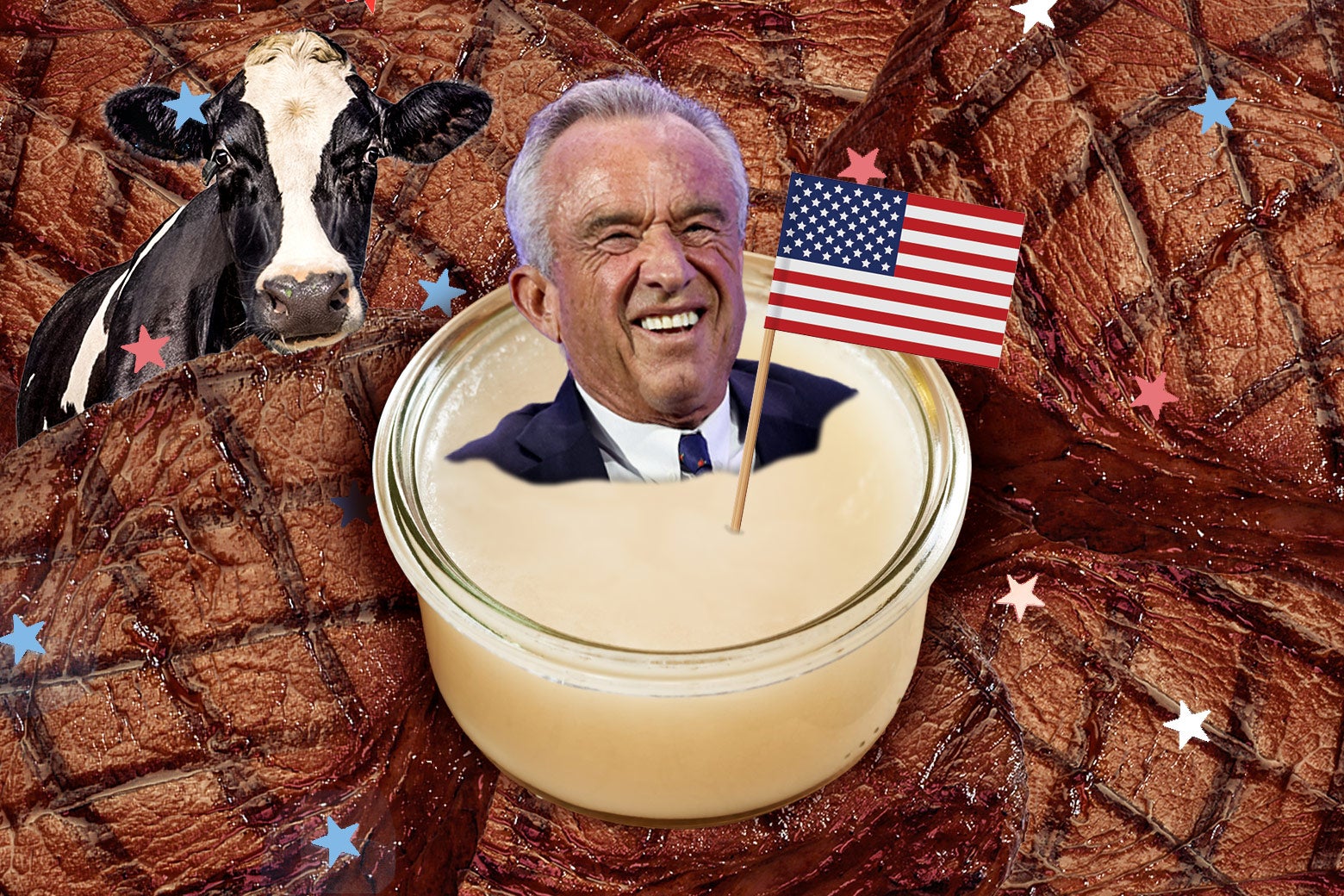
Beef tallow used to be the quiet background actor of American cooking—hiding in pie crusts, french fries, and cast-iron skillets. Today it’s somehow at the center of loud debates about nutrition, politics, and even “real American values.” When I kept seeing beef tallow pop up in wellness feeds and headlines—including arguments from public figures like Robert F. Kennedy Jr. that mainstream nutrition science has it wrong—I decided to spend a week cooking with it to see what the fuss was really about.
What I found was less a miracle superfood or secret toxin, and more a window into how confused and polarized we’ve become about food, health, and trust in science. This piece won’t tell you that beef tallow will fix your hormones, make you lean, or destroy your arteries overnight. Instead, we’ll look at what beef tallow actually is, what research does—and doesn’t—say, what a week of using it felt like in real life, and how you can make a calm, evidence-based choice for yourself.
Why Is Beef Tallow Suddenly So Controversial?
On the surface, beef tallow is just rendered beef fat. But the way people talk about it right now, you’d think it’s either the villain behind heart disease or the hero that will save us from “toxic seed oils.”
This clash goes beyond cooking. It touches:
- Nutrition science: long-running debates about saturated fat, cholesterol, and heart disease.
- Politics and identity: “real food” vs. “Big Food,” and distrust of institutions and experts.
- Social media wellness trends: viral claims about hormones, skin, weight loss, and “ancestral” diets.
My goal in this article is not to pick a side in a culture war, but to answer a simpler, more practical question:
If you’re an ordinary person trying to cook a little healthier, should beef tallow have a place in your kitchen—and if so, how?
What Exactly Is Beef Tallow?
Beef tallow is simply rendered fat from cattle, usually made from suet (the hard fat around the kidneys and loins). When it’s gently heated and filtered, you get a creamy, solid-at-room-temperature fat with a high smoke point and a surprisingly clean flavor.
Historically, beef tallow was used to:
- Fry foods like french fries and chicken
- Enrich pastries and pie crusts
- Make soaps, candles, and even skincare balms
Nutritionally, beef tallow is:
- High in saturated fat (roughly 50%)
- High in monounsaturated fat (about 40%)
- Very low in polyunsaturated fat (unlike most vegetable oils)
- Calorie-dense: about 120 calories per tablespoon
What Does Science Actually Say About Beef Tallow and Health?
Conversations about beef tallow usually turn quickly into sweeping claims: that saturated fat is either a dangerous artery-clogger or a maligned, harmless nutrient. Reality is more nuanced.
1. Saturated Fat and Heart Health
Major organizations—like the American Heart Association—still recommend limiting saturated fat (found in beef tallow, butter, and coconut oil) and replacing some of it with unsaturated fats (like olive oil, canola oil, nuts, and fatty fish).
Large observational studies and clinical trials over decades generally show:
- Eating high amounts of saturated fat can raise LDL (“bad”) cholesterol in many people.
- Higher LDL is strongly tied to increased risk of cardiovascular disease.
- The overall pattern of your diet—fiber, fruits, vegetables, whole grains, activity level—matters more than any single fat.
“Saturated fats are not poison, but they’re not neutral either. For most people, a prudent approach is to limit them rather than eliminate or glorify them.”
— Preventive cardiologist summarizing recent guideline updates
2. Tallow vs. Seed Oils
A common claim is that beef tallow is “healthier” than vegetable or seed oils (like soybean, corn, or canola oil) because it has fewer polyunsaturated fats that can oxidize at high heat. Here’s a more balanced view:
- Beef tallow: very heat-stable, but high in saturated fat.
- Refined seed oils: often used in ultra-processed foods and deep fryers, where repeated heating can form harmful compounds.
- Cold-pressed oils (like extra-virgin olive oil): rich in monounsaturated fat and antioxidants, with strong evidence for heart benefits—especially in Mediterranean-style diets.
The problem isn’t that seed oils are inherently “toxic” to everyone; it’s that they’re often a marker for an overall ultra-processed diet low in fiber, plants, and whole foods.
My One-Week Beef Tallow Experiment: What It Was Really Like
I didn’t go on an all-tallow diet—that would be extreme and unhelpful. Instead, I replaced my usual cooking fats (mostly olive oil and a bit of butter) with beef tallow for a week in everyday dishes.
How I Used It
- Breakfast: Fried eggs and potatoes in tallow instead of butter.
- Lunch: Sautéed vegetables and pan-seared chicken using tallow.
- Dinner: Roasted root vegetables and occasional shallow-fried foods in tallow.
- Snacks: I avoided extra “tallow treats” to keep total fat under control.

What I Noticed (Subjectively)
These impressions are anecdotal and specific to me—not scientific proof—but they may help you imagine what it’s like to cook with tallow.
- Taste: Food was richly flavored but not overwhelmingly “beefy.” Potatoes and eggs, in particular, tasted restaurant-level good.
- Satiety: Meals felt very filling. I tended to stay full longer, which makes sense because fat is energy-dense and slows digestion.
- Digestion: On heavier-tallow days, I felt a bit sluggish after meals—similar to eating a very buttery dinner.
- Energy: No dramatic highs or crashes that I could clearly tie to tallow itself; sleep, stress, and carb intake had more obvious effects.
Why Beef Tallow Became a Cultural and Political Symbol
The recent spike in attention around beef tallow isn’t just about recipes. It’s part of a broader wave of skepticism toward public health guidelines and “mainstream science,” with figures like Robert F. Kennedy Jr. questioning long-standing positions on vaccines, chemicals, and now even dietary fats.
Beef tallow has become shorthand for several deeper themes:
- “Back to tradition”: The idea that older ways of eating—animal fats, organ meats, “nose-to-tail” cooking—are automatically better than modern norms.
- “Us vs. them”: Casting vegetable oils as tools of “Big Food” and tallow as the underdog “truth” that establishment experts are hiding.
- Identity and tribe: Aligning your cooking fat with your politics or worldview—whether that’s carnivore, vegan, Paleo, or something else.
The problem is that once a food becomes a symbol, it’s harder to talk about it calmly. You’re no longer evaluating a cooking fat; you’re defending or attacking an identity.
When we turn ingredients into moral or political badges, we risk ignoring the most important questions: How does this fit into my life, my health, and my values—based on my body and my context?
Should You Use Beef Tallow? A Practical, Evidence-Informed Guide
Instead of asking “Is beef tallow good or bad?” a better question is, “How much, how often, and compared to what?” Here’s a step-by-step way to think it through.
Step 1: Check Your Personal Risk Factors
Beef tallow may not mean the same thing for everyone. Talk with a healthcare provider or dietitian if you:
- Have high LDL cholesterol or a strong family history of heart disease
- Have diabetes, metabolic syndrome, or chronic kidney disease
- Have been advised to follow a low-saturated-fat diet
In these situations, keeping saturated fat modest is usually wise, and tallow should be an occasional flavoring, not a staple.
Step 2: Look at Your Overall Diet, Not Just Your Fat
If your diet is rich in:
- Vegetables, fruits, and legumes
- Whole grains
- Fish, nuts, and seeds
…then a small amount of beef tallow here and there is unlikely to make or break your health. On the other hand, if your baseline is lots of fast food, processed meats, sugary drinks, and few plants, then adding more saturated fat on top of that pattern probably isn’t in your favor.
Step 3: Decide When Beef Tallow Might Make Sense
Where could beef tallow reasonably fit into a balanced lifestyle?
- As an occasional high-heat cooking fat for crispy potatoes or searing meat.
- In traditional recipes where flavor and texture really depend on it.
- As a swap when you’d otherwise use butter, not as a replacement for all your olive oil.
Step 4: Practical Tips for Using Beef Tallow Wisely
- Keep portions small: Use just enough to coat the pan—often 1–2 teaspoons is plenty.
- Rotate your fats: Use olive oil for salads and low–medium heat, tallow or avocado oil for higher-heat searing, and nuts/seeds for snacks.
- Pair with plants: If you cook potatoes or vegetables in tallow, balance the meal with a big salad or extra vegetables.
- Mind frequency: Think of tallow as a “sometimes” fat, not a daily centerpiece.
Common Concerns, Misconceptions, and How to Navigate Them
“I Don’t Know Who to Trust Anymore”
When one side says “tallow will clog your arteries” and another says “tallow will heal your hormones,” it’s easy to feel paralyzed. The truth is that:
- Nobody can guarantee how one ingredient will affect your body.
- Long-term, large-scale evidence still supports limiting—but not demonizing—saturated fats.
- Extreme claims (miracle cure, guaranteed harm) are usually the least reliable.
“Healthy Eating Feels All or Nothing”
You don’t have to choose between “only tallow” and “never tallow.” One of the most sustainable mindsets is:
Most of the time, I’ll build meals around whole foods and unsaturated fats. Sometimes, I’ll enjoy traditional fats like tallow or butter, mindfully and without guilt.
“But My Favorite Influencer Swears by It”
Many people who promote beef tallow also:
- Exercise regularly
- Sleep more than average
- Eat fewer ultra-processed foods
- Are genetically lucky in how they handle fats and cholesterol
It’s nearly impossible to isolate the effect of one fat from all those other variables. Use their experience as curiosity fuel, not as a prescription.
Before and After: My Kitchen, My Mindset, and My Plate
A week isn’t long enough to change bloodwork meaningfully, so the most important shifts were practical and psychological.

The real “before and after” was mental:
- Before: Curiosity mixed with a bit of anxiety from conflicting headlines.
- After: Respect for tallow as a flavorful ingredient, and confidence that it can have a place in a balanced, mostly plant-forward pattern—without needing to be idolized or feared.
How to Move Forward: Calm, Confident Choices Around Cooking Fats
If this whole debate has left you frustrated or confused, you’re not alone. Food has become a noisy battlefield, and it’s exhausting. You deserve a simpler, kinder framework.
Your 5-Step Cooking Fat Game Plan
- Choose a default: Make an unsaturated fat like extra-virgin olive oil your everyday go-to.
- Use tallow intentionally: Save beef tallow for specific recipes where it truly shines.
- Focus on pattern, not perfection: Aim for mostly whole foods, plenty of plants, and modest portions of animal fats.
- Personalize with data: If you’re curious or at higher risk, ask your doctor about checking cholesterol and other markers while you experiment.
- Mute the noise: Unfollow accounts that make you feel scared or ashamed about food. Gravitate toward sources that explain uncertainty and nuance.
You don’t have to join a camp or adopt a label to eat well. You’re allowed to enjoy crispy potatoes cooked in beef tallow and drizzle olive oil over a big salad. You’re allowed to change your mind as new evidence emerges. And you’re allowed to step out of the food culture wars and focus on what really matters: nourishing your body in a way that feels sustainable, satisfying, and sane.
Your next step: Pick one small, doable change—maybe swapping ultra-processed fried snacks for home-cooked meals once a week—and experiment. Let curiosity, not fear, lead the way.
