
Superman Sequel Faces Real-World Backlash: Atlanta Prison Security Controversy Explained
As James Gunn’s new Superman movie powers up production in Georgia, excitement from comic-book fans is colliding with frustration behind bars. Incarcerated people at an Atlanta-area prison say they’re dealing with tougher security protocols and movement restrictions tied to the superhero shoot nearby, raising awkward questions about what happens when Hollywood spectacle lands next door to a real-world carceral system.
Superman Sequel Hype Meets Atlanta Prison Reality
TMZ reports that filming for the upcoming Superman—Gunn’s follow-up in his new DC cinematic era—has triggered a wave of discontent among local prisoners. While fans are dissecting set photos and costume tweaks, some incarcerated people are reportedly facing reduced yard time, tighter schedule controls, and increased lockdown windows, all in the name of keeping a high-profile film shoot secure.
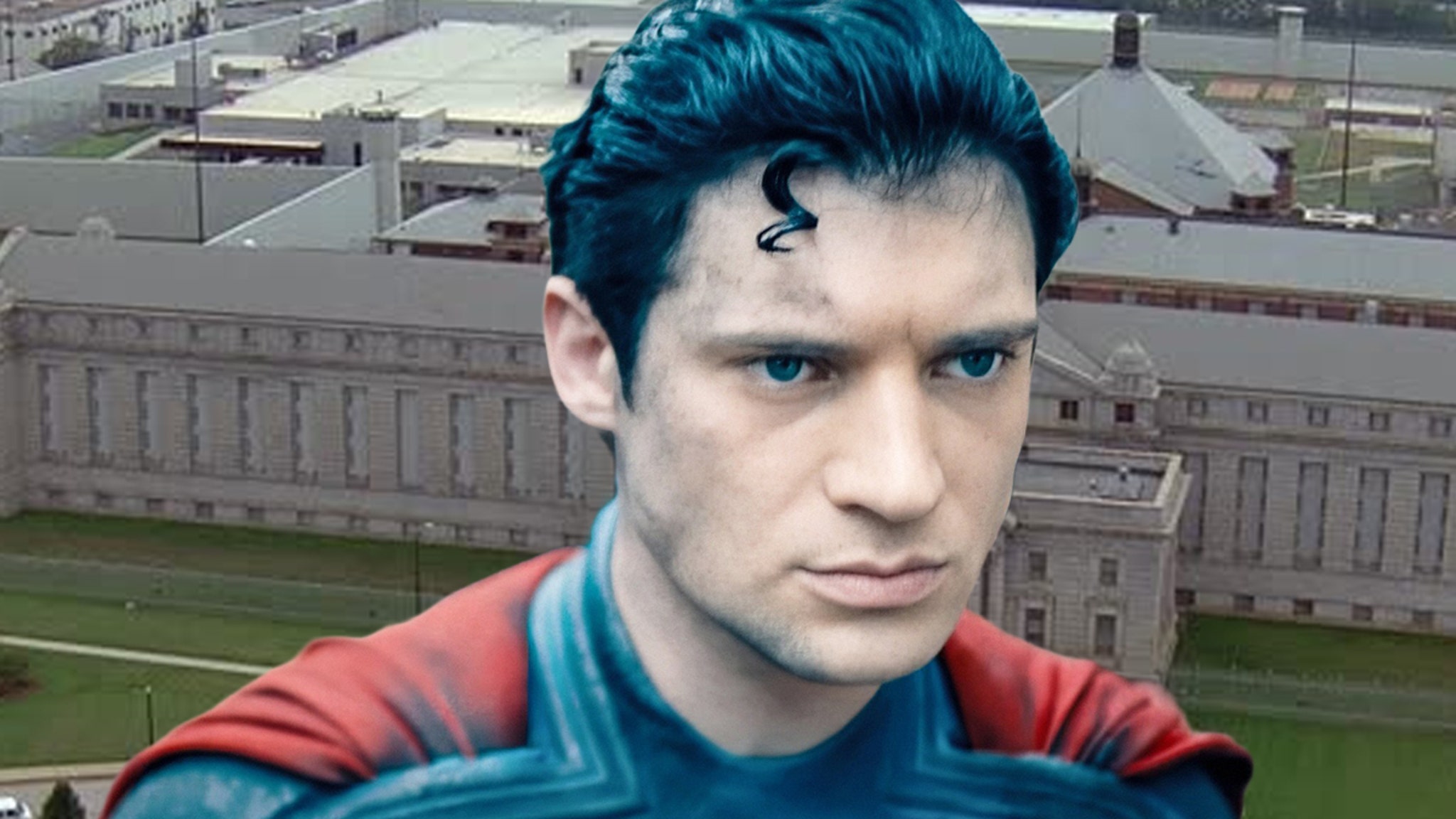
The situation lands at the intersection of three very modern obsessions: the rebooted superhero-industrial complex, Atlanta’s status as a production powerhouse, and the ongoing scrutiny of prison conditions in the American South.
How We Got Here: James Gunn’s Superman and Georgia’s Film Boom
James Gunn’s Superman (previously referred to as Superman: Legacy during development) is part of DC Studios’ big reset, following years of uneven critical reception and box office whiplash. With Gunn steering the new DC universe, expectations are high that this take will be more character-driven and tonally balanced than the darker Snyder-era outings.
Georgia, meanwhile, has become one of Hollywood’s busiest backlots thanks to generous tax incentives, reliable crews, and a wide visual palette—from glassy Atlanta skylines to rural backroads that can double for Smallville. Blockbusters like Avengers: Endgame, Black Panther, and multiple Fast & Furious entries have all leveraged the state’s production-friendly ecosystem.
Shooting near correctional facilities isn’t unprecedented—prisons are atmospheric, logistically useful, and often underutilized in day-to-day civic life. But in this case, TMZ’s reporting suggests the production has become a catalyst for already simmering tensions about how incarcerated people are treated when big-money projects arrive.
What TMZ Is Reporting About the Atlanta Prison Restrictions
According to TMZ’s account, prisoners at an Atlanta-area facility are alleging that the Superman shoot has come with concrete downsides:
- More frequent or extended lockdowns on days tied to filming logistics.
- Reduced access to communal spaces—especially outdoor yard time.
- Heightened security checks and tighter movement within the facility.
- A sense that their routines are being disrupted primarily to accommodate an outside commercial production.
TMZ’s framing emphasizes frustration among incarcerated people who feel like unwilling extras in someone else’s blockbuster. The outlet notes that the production has sparked internal complaints and has allegedly been cited as the reason for periodic schedule shakeups and stricter security windows.
Incarcerated sources told TMZ they feel like they’re “paying the price for a movie” that has nothing to do with them—locked down so a superhero can fly free just outside the walls.
As is typical with TMZ, details arrive through anonymous voices rather than a paper trail, so we’re mostly hearing one side of the story. Still, this isn’t happening in a vacuum: Georgia’s prison system has already been under national scrutiny for overcrowding, violence, and limited access to services.
Why Productions Tighten Security Around Prisons
To be fair, there are practical reasons a high-profile shoot near a correctional facility might trigger extra layers of security. Studios and state agencies are typically trying to solve three problems at once:
- Protecting cast and crew from unwanted interference or contraband contact with incarcerated people.
- Preventing escapes or disturbances that could be sparked by unusual activity near the perimeter.
- Controlling leaks—especially for superhero movies where spoilers, costume reveals, and stunt setups are obsessively documented by fans and bloggers.
When you suddenly add cranes, lighting rigs, drones, and celebrity traffic near a prison, administrators tend to clamp down first and fine-tune later. From a risk-averse bureaucratic perspective, it’s easier to justify restrictive measures than to explain why a production-day incident got out of hand.
The ethical tension emerges when this “better safe than sorry” approach is layered on top of an already constrained environment, eroding what little autonomy incarcerated people have left in their daily routines.
Between Blockbuster Economics and Prison Ethics
The underlying question isn’t whether Superman should be allowed to film in Georgia—it’s whether the benefits of big-budget production should come at the literal expense of people who are already structurally powerless. Even if the restrictions are temporary, they mirror a longtime pattern: communities with the least leverage absorb the most disruption.
There’s also a tonal clash worth noting. Superman as a character is often framed as the moral center of the DC universe—a defender of the marginalized, someone who sees through institutions to the people within them. That mythology bumps awkwardly against even the perception that a Superman film might be complicit, however indirectly, in worsening conditions for incarcerated people.
None of this means Gunn, DC Studios, or their crews are cartoon villains. Big productions are vast bureaucracies, and location decisions are often logistical puzzles more than ideological statements. But the optics matter—and so do the people whose day-to-day reality sits just outside the camera’s frame.
As one prison-rights advocate put it in a local interview about similar situations: “Hollywood shouldn’t need human collateral to get the shot.”
Superman’s Cultural Legacy vs. On-Set Reality
Superman isn’t just another cape in the crowded superhero marketplace. He’s one of the original American pop myths—a working-class immigrant story in spandex, endlessly reinterpreted to reflect the anxieties and hopes of whatever era he’s flying through.
James Gunn has signaled that his version will lean into that moral core, focusing less on brooding godhood and more on empathy, idealism, and a kind of principled decency. That’s a promising direction, especially in a time when comic-book fatigue is real and audiences are weary of cynical, over-stylized nihilism.
That’s precisely why stories like the Atlanta prison friction resonate: they test whether the industry around these icons is willing to embody the values the characters are selling. You can’t control every ripple effect of a blockbuster shoot, but you can decide how you respond once issues are flagged.
Atlanta, Location Shoots, and Who Bears the Burden
Atlanta’s transformation into “the Hollywood of the South” has brought real money into local economies—jobs for crew members, rentals for small businesses, and visibility for neighborhoods that once rarely appeared on screen. But there’s a familiar pattern: the closer you are to existing structural pressure points (public housing, industrial zones, prisons), the more likely you are to experience the downsides without a clear way to cash in on the benefits.
Filming near prisons isn’t automatically a problem; in the best cases, productions coordinate with local officials, provide extra resources, and keep disruption minimal. The concern raised by TMZ’s report is that the cost-benefit math appears lopsided: a global studio gets the footage, while incarcerated people—who have no say in the matter—get even tighter restrictions.
None of this is unique to DC or Superman; Marvel, Netflix, and prestige TV shows all grapple with similar frictions. The difference is whether those frictions are seen as unfortunate collateral or as signals that demand a more thoughtful playbook for community impact.
Weighing the Upsides and Downsides of the Superman Shoot
Looking just at the Atlanta situation as reported, a balanced read lands somewhere between outrage and indifference.
- Potential Strengths / Upsides
- Economic gain for the state and local vendors.
- Job opportunities for Georgia-based crew and adjacent industries.
- Long-term prestige for Atlanta as the home of another major superhero tentpole.
- Potential Weaknesses / Downsides
- Reported loss of yard and recreation time for incarcerated people.
- Stricter day-to-day movement that may compound existing stress and overcrowding.
- Optics of a “heroic” production indirectly worsening life for an already marginalized group.
Without full transparency from state corrections officials or DC’s production team, we’re operating in partial light. But even in that half-light, it’s fair to ask whether the calculus could be adjusted: more coordination, clearer communication, and, ideally, material offsets for those who bear the brunt of the disruption.

What Responsible Filmmaking Near Prisons Could Look Like
If studios want to film near active prisons—and clearly, many do—there are ways to make the process less lopsided. Ethically-minded productions could:
- Work with state agencies and independent observers to set clear limits on added restrictions.
- Commit to keeping yard and recreation access as close to normal as possible.
- Offer tangible compensation that benefits incarcerated people directly (books, programs, improved facilities).
- Publicly acknowledge the impact and explain what’s being done to mitigate it.
That might sound idealistic, but if any genre should be thinking ambitiously about justice and fairness, it’s superhero movies. This is literally the IP sector built on the idea that individuals with extraordinary power should act in the public interest.
Final Take: Can Superman Live Up to His Own Myth Off Screen?
As the new Superman takes shape in Georgia, most fans will experience the film as pure escapism: a clean, hopeful reboot anchored by James Gunn’s sensibility and DC’s need for a win. But TMZ’s report from the Atlanta prison system is a reminder that even the most fantastical stories cast shadows in the real world.
Whether DC Studios or state officials directly address the prisoners’ complaints remains to be seen. In a media landscape where behind-the-scenes controversies can sometimes overshadow the work itself, there’s a clear incentive to get ahead of the narrative. More importantly, there’s an ethical opportunity: to show that the people making Superman actually believe in what he stands for.
If the industry can learn to treat locations like Atlanta’s prisons as more than just moody backdrops—recognizing the full humanity of the people inside—then maybe Superman’s latest flight won’t just reboot a franchise. It might also push the conversation about what responsible blockbuster filmmaking looks like in 2026 and beyond.
