
Ronnie Ortiz-Magro’s Latest Police Drama Shows Why ‘Jersey Shore’ Never Really Ended
Ronnie Ortiz-Magro, Police Calls, and the Endless Afterlife of ‘Jersey Shore’ Drama
Jersey Shore star Ronnie Ortiz-Magro is back in the headlines after his ex-girlfriend Kirsten reportedly called Miami police to help her separate from him and collect her belongings, a reminder that the show’s offscreen drama continues to blur the line between reality TV and real life. This incident raises questions about how much public scrutiny reality stars should face when private disputes spill into the spotlight, and whether the franchise can ever fully step away from its volatile past.
According to a recent report from TMZ, officers were called to Ronnie’s Miami home after Kirsten said she was separating from him and needed help getting her things. No major injuries or high-speed chases this time—just another tense chapter for a reality star whose personal life has rarely stayed private.
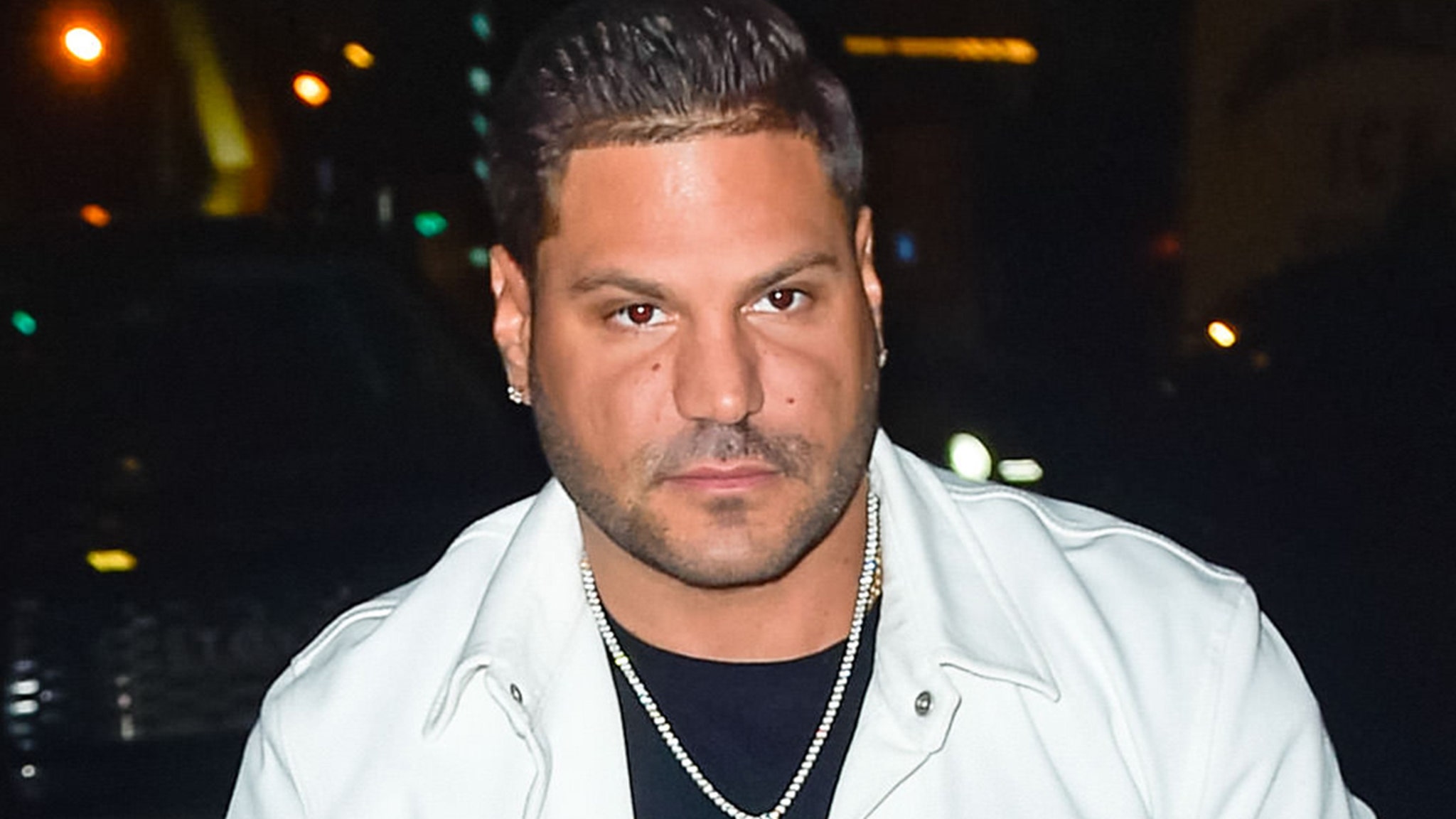
From Shore House to Police Reports: A Quick Refresher on Ronnie’s Reality TV Legacy
When MTV’s Jersey Shore premiered in 2009, it promised “GTL” (gym, tan, laundry), clubbing, and chaotic romance. Ronnie Ortiz-Magro quickly emerged as one half of the show’s most combustible relationship with Sammi “Sweetheart” Giancola—an on-again, off-again saga that played out in front of millions.
- 2009–2012: Original run of Jersey Shore, where Ronnie became a central face of the franchise.
- 2018–present: MTV launches Jersey Shore: Family Vacation, reuniting much of the cast as adults navigating careers, families, and lingering reputations.
- Ongoing: Ronnie’s offscreen legal and personal struggles continue to intersect with his public persona.
The latest police call doesn’t exist in a vacuum; it lands in a cultural landscape where reality stars’ private lives are treated as serialized content, even years after the cameras stop rolling full-time.

“We didn’t set out to make cultural icons; we set out to make a wild summer show. But the cast took on a life of its own.”
— A common sentiment from producers and critics reflecting on Jersey Shore’s legacy
What Reportedly Happened in Miami: A Tense but Controlled Separation
TMZ’s report describes a relatively contained but emotionally charged situation. Kirsten allegedly called Miami police, told them she was separating from Ronnie, and asked for help retrieving her belongings from the home they shared.
- Police responded to the residence.
- Kirsten indicated she was ending the relationship and needed assistance to safely collect her things.
- No major physical altercation or arrests were reported in connection with this particular call, based on current public information.
In many U.S. cities, police are routinely called for this kind of “keep the peace” request during breakups or separations. It’s not inherently a sign of criminal activity; it’s often about ensuring that a tense emotional moment doesn’t escalate.
Still, when a reality TV figure is involved, even a procedural police visit can turn into national entertainment headlines within hours.
When Reality TV Stops Rolling, But the Story Doesn’t: Public Fascination Explained
Part of why this story has traction is simple: Ronnie is reality TV royalty. His name is shorthand for a very specific era of MTV—Neon tank tops, fist-pumping, and arguments that felt both extreme and oddly familiar to anyone who’s seen a messy relationship up close.
The Ronnie storyline has always revolved around volatility: intense emotion, intense loyalty, intense conflict. That narrative, introduced on Jersey Shore, is hard for audiences—and tabloids—to let go of.
- Continuity: Viewers feel like they’ve “known” Ronnie for more than a decade.
- Character framing: On television, he was often edited as the passionate, reactive boyfriend.
- Media incentives: Any police-related headline involving a familiar reality name is guaranteed clicks.

“Reality stardom doesn’t end when the show cuts to black; it lingers in every headline, every legal filing, and every curated Instagram Story.”
That lingering presence is exactly why a relatively low-level police call can still spark national coverage.
Where’s the Line? Privacy, Safety, and the Ethics of Consuming This Story
It’s easy to treat the latest Ronnie update as just another plot twist, but this is still a real breakup, involving real people, with real emotional stakes. The fact that police were involved suggests at least one person felt safer with authorities present.
From a media-literacy perspective, there are a few useful questions to keep in mind when reading stories like this:
- Is the coverage respectful and factual, or is it veering into mockery?
- Are outlets giving space to multiple perspectives, or framing one person as the permanent villain?
- Are private details being shared that serve no real public interest beyond voyeurism?
Culturally, we’re still figuring out how to treat reality stars: as celebrities who “signed up for this,” or as workers in a high-pressure entertainment machine who deserve better boundaries than they often get.

What This Means for the Jersey Shore Franchise and Its Future
For MTV and the Jersey Shore ecosystem, stories like this are double-edged. On one hand, they keep the brand culturally relevant, reminding people that its cast is still out there living messy, complicated, very human lives. On the other hand, they reinforce the show’s association with volatility at a time when many reality franchises are trying to soften their image.
In recent seasons of Jersey Shore: Family Vacation, the vibe has shifted: less nightclub chaos, more parenting, mental health check-ins, and nostalgia. Incidents like a police-assisted breakup sit awkwardly alongside that attempt at maturity.
- Brand risk: Repeated headlines about offscreen turmoil can make it harder to sell a “we’ve grown up” narrative.
- Audience fatigue: Longtime fans may feel like they’ve seen this pattern before and are less inclined to treat it as must-see drama.
- Franchise evolution: Future spin-offs may center on cast members with more stable public images.

How to Follow the Story Responsibly: Sources and Next Steps
Given how quickly celebrity stories evolve, anything reported now is a snapshot, not the final word. If you’re following this Ronnie Ortiz-Magro update, it’s worth prioritizing outlets that correct themselves when new facts emerge and avoid sensationalizing sensitive details.
- For entertainment-focused coverage, TMZ’s original report is the primary source for this specific police call.
- For broader context, IMDb entries for Jersey Shore and Jersey Shore: Family Vacation chart Ronnie’s on-screen journey.
- For cultural analysis, entertainment sites like Vulture and Variety often explore how reality TV shapes celebrity and audience expectations.
Ultimately, the Miami incident is less about a dramatic new chapter and more about a familiar pattern: a reality star whose personal life continues to play out under unforgiving spotlights. Whether the franchise can ever fully detach itself from that history—or whether that tension is exactly why people keep watching—remains an open question.

If there’s a takeaway here, it’s this: the “Ronnie storyline” may have started in a Seaside Heights share house, but the real question now is whether audiences—and networks—are ready to allow its real-life players something TV rarely gives them: a clean break.
