
BBC Bafta Backlash: Why the Corporation’s Racial Slur Ruling Matters for TV Awards
The BBC’s decision to uphold complaints over a racial slur in its televised Baftas coverage isn’t just another broadcasting footnote; it’s a flashpoint in an ongoing debate about how awards shows handle race, language, and “tidying up” live moments for primetime TV. When a key part of winners’ speeches is edited out—especially when it involves calling out racism—it inevitably raises the question: who gets to shape the story audiences actually see?
What Happened in the Baftas Broadcast?
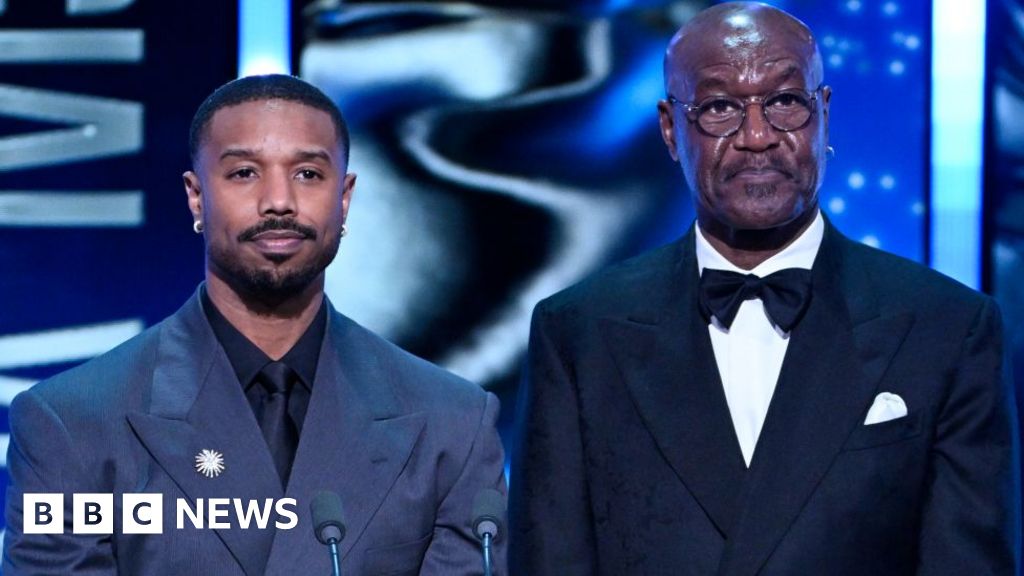
During the Bafta Film Awards, filmmaker Davies Jr and his brother Wale, the film’s writer, took to the stage to deliver their acceptance speeches. Live in the room, they spoke for roughly two and a half minutes. In the edited BBC broadcast, that was cut to about one minute—officially for “time restrictions.” Within that shorter version, a segment containing a racial slur, referenced in a critical and contextual way, did make it to air and triggered viewer complaints.
The BBC’s internal complaints unit has now concluded that the broadcast of that slur, even in context, broke the corporation’s own editorial standards. That’s a serious finding inside the BBC ecosystem, where impartiality and “due sensitivity” are hard-coded into its public service DNA.
Awards Show Optics: How It Looked on Screen
Visually, the Bafta broadcast followed the familiar prestige-awards template: cinematic lighting, sweeping camera moves, and a production style that sells glamour as much as it documents art. That polish can sometimes clash with the rawness of what winners actually want to say—particularly when race, identity, or politics enter the frame.


Why the BBC Upheld Complaints Over the Racial Slur
The BBC’s editorial guidelines are crystal clear on discriminatory language: slurs may only be used when there is strong editorial justification, clear context, and a demonstrable public interest—think serious journalism, historical examination, or explicit critique. Entertainment shows, including award ceremonies, are usually held to an even stricter standard of “due sensitivity.”
In this case, the complaints unit decided that the broadcast did not meet that threshold. Even if the slur appeared in a critical or quoted context, the Bafta show is still fundamentally an entertainment product, going out pre-watershed in some regions and marketed as family-friendly. That’s a different bar from, say, a news report dissecting racist abuse.
“We have to be able to talk honestly about racism on screen without repeating the harm of racist language for shock value or careless ‘authenticity’.”
— Media ethics commentator, speaking to UK broadcasters in the wake of previous language controversies
When “Edited for Time” Becomes Edited for Tone
The other half of this story is the edit. Davies Jr and Wale reportedly spoke for around 150 seconds; only about 60 made it into the final cut. On paper, time limits are a boring technicality—awards shows are packed with categories, ad breaks, and musical numbers that all have to land neatly in a tight slot.
But culturally, those edits signal something bigger. We’ve seen this before:
- Speeches about racial injustice trimmed down to a single soundbite.
- Political statements cut for international feeds but left in for domestic audiences.
- Industry criticism softened in highlights reels to preserve the mood.
The Bafta broadcast sits in that lineage. When the most challenging or uncomfortable parts of speeches get sliced down, the televised version becomes less a record of what happened and more a curated brand statement—for Bafta, for broadcasters, and for the film industry itself.
Race, Awards Shows, and the Long Shadow of Representation
The Baftas have spent years trying to shake off a reputation for being too white, too male, and too cosy with the British establishment—a perception cemented by the #BaftasSoWhite conversation and echoed by similar criticism of the Oscars. Against that backdrop, any incident involving race and editing takes on amplified significance.
This is happening at the same time as:
- Streaming platforms foregrounding Black British cinema and diverse creators.
- Major festivals framing themselves as platforms for underrepresented voices.
- Audiences holding institutions publicly accountable via social media—often in real time during the broadcast.
That’s why the BBC ruling resonates beyond compliance. It highlights a contradiction: institutions say they want authentic, unfiltered voices on stage, but their editing practices often smooth those voices into something safer and less politically pointed for mass audiences.

Where the BBC Got It Right—and Where It Still Looks Uneasy
Judging the BBC purely on its complaints ruling, there are a few clear strengths and weaknesses.
What the BBC Did Right
- Transparency: Publicly acknowledging a standards breach is not nothing; lots of broadcasters quietly move on.
- Consistency with guidelines: The bar for broadcasting slurs—especially in entertainment—should be high, and the ruling reinforces that.
- Responsiveness to viewers: Taking complaints seriously helps sustain a culture of accountability.
Where It Still Feels Compromised
- Context imbalance: Viewers at home heard the slur but not the full, longer speech that framed it—an edit choice that made harm more likely.
- Editing opacity: “Time restrictions” is technically true but culturally vague; people want to know how choices are made, not just that cuts happen.
- Creative trust: It reinforces the sense that even celebrated filmmakers of colour are “safe” on stage only until the edit suite intervenes.
“We’re fine with artists confronting racism—so long as they do it in under 30 seconds and without making anyone too uncomfortable at home.”
— A common criticism levelled at mainstream awards broadcasts in recent years
How This Fits Into a Broader Trend in Awards Television
This Bafta controversy echoes other recent flashpoints in global awards culture—moments when what happened in the room diverged sharply from what made it onto network or streaming broadcasts.
- Selective political edits: Political or race-related remarks sometimes appear in live US feeds but vanish in international highlights.
- “Too long, didn’t air” speeches: Filmmakers and actors posting their full speeches on Instagram or YouTube because the official show clipped them.
- Instant fact-checking by fans: Audiences in the room upload full footage, exposing what networks trimmed or reframed.
The pattern is clear: the internet has made it much harder for award shows and broadcasters to quietly reshape contentious or uncomfortable moments without pushback.

Watching the Moment: What Viewers Actually Saw
The BBC Bafta broadcast is typically made available via BBC iPlayer, while individual speeches and clips often surface on Bafta’s official YouTube channel. That split distribution is important: the TV edit may be one version of events; the digital uploads can sometimes restore context that was lost on the night.
For viewers trying to understand how this controversy unfolded, the key is to compare:
- The broadcast edit that aired on BBC television.
- Any full-length speeches later posted online by Bafta or the filmmakers.
That side-by-side view makes it much easier to see how the story was shaped in the edit suite—and why audiences reacted so strongly when the BBC’s version didn’t quite match the room’s experience.
Where Awards Broadcasting Goes From Here
The BBC upholding complaints over a racial slur in its Bafta broadcast is more than an internal compliance note—it’s a marker of where the culture is heading. Audiences increasingly expect two things at once: protection from harmful language and honest, unfiltered accounts of how racism operates in the real world and in the entertainment industry.
Reconciling those expectations will require more than tighter guidelines. It likely means:
- Clearer standards for contextual language in entertainment broadcasts, not just news.
- Greater transparency around how and why speeches are edited.
- Ongoing dialogue with filmmakers and performers, especially those from marginalised communities, about how their stories are presented.
The Baftas will keep evolving, and so will the BBC. The real test, in the next awards cycle and beyond, is whether the industry can move from simply repairing flashpoints after they happen to building a broadcast culture where uncomfortable truths are handled with both courage and care.
