
Plant-Forward High-Protein Power: From Tofu Scrambles to Lentil Pasta Bowls
Plant‑Forward High‑Protein Eating: From Tofu Scrambles to Lentil Pasta
Plant‑forward, high‑protein eating is having a delicious moment. Home cooks, athletes, and busy students alike are realizing you can build muscle, feel satisfied, and support the planet while piling your plate with beans, lentils, tofu, whole grains, and vegetables. This gentle “flexitarian” approach doesn’t demand perfection; instead it celebrates meals where plants take center stage—think savory tofu scrambles, hearty lentil pasta, and colorful grain bowls—while still delivering the protein you need.
Why Plant‑Forward High‑Protein Meals Are Trending
Over the last few years, searches for terms like “high protein vegan,” “plant protein recipes,” and “flexitarian diet” have surged across Google, TikTok, and YouTube. Creators are showing that protein‑packed plant meals can be simple, affordable, and incredibly satisfying, especially for people who care about sustainability, fitness, and long‑term health.
Dietitians now talk not just about “getting enough protein,” but about pairing that protein with plenty of fiber—a nutrient most Western diets lack. Plant‑rich meals naturally weave in both: protein from legumes, soy, and grains; fiber from vegetables, pulses, and whole grains. The result is food that keeps you full longer, supports digestion, and feels comforting rather than restrictive.
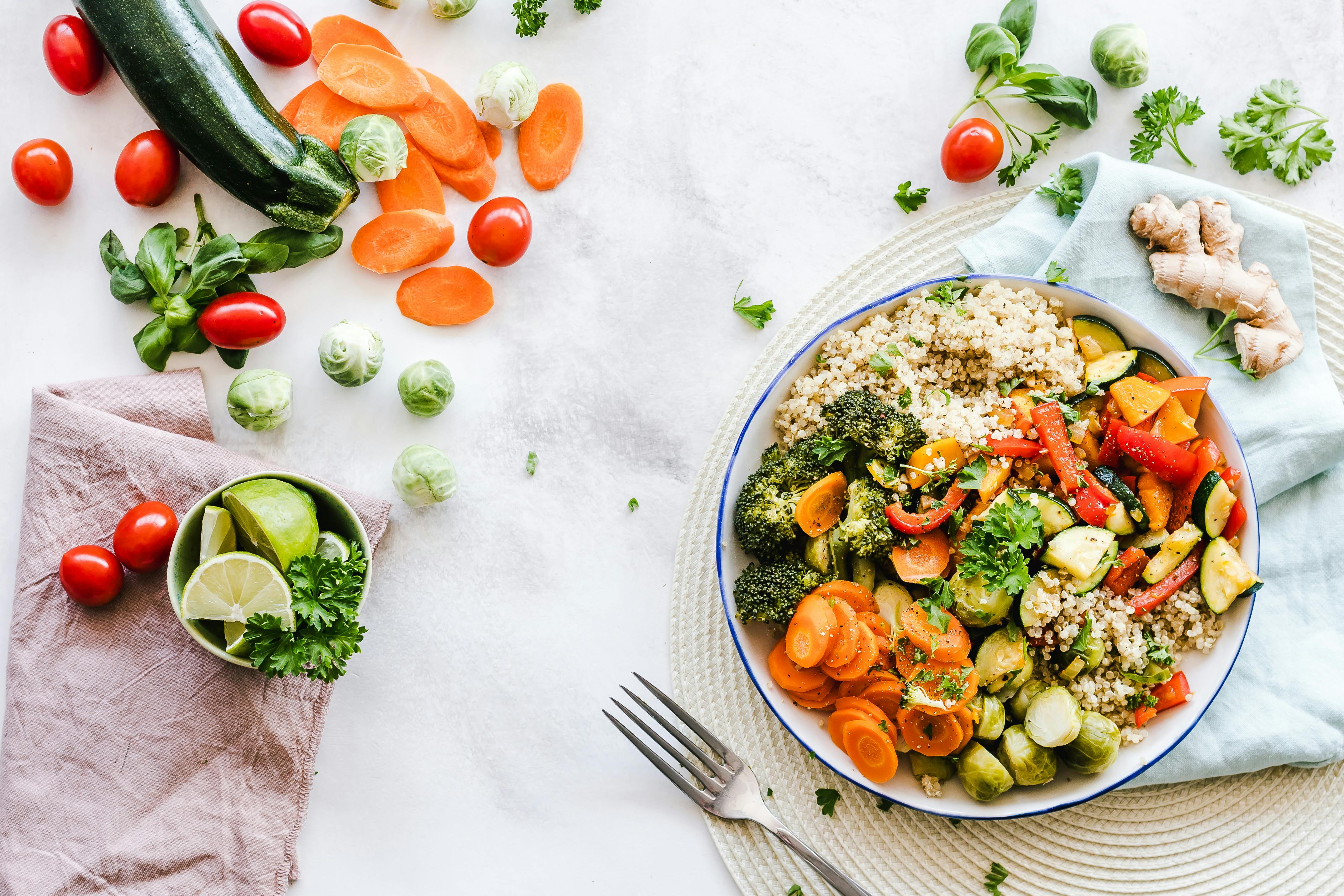
What Does Plant‑Forward or Flexitarian Really Mean?
“Plant‑forward” and “flexitarian” patterns sit between traditional omnivorous and strictly vegan diets. Instead of banning animal products, they simply make plants the default star of your plate. Many people follow patterns like:
- Choosing plant‑based breakfasts and lunches, with flexible dinner options.
- Designating a few
meatless days
each week. - Using meat more as a flavor accent (like crispy bacon bits or shredded chicken) rather than a massive main portion.
This flexibility lowers the pressure. You can still enjoy a grilled salmon or yogurt parfait while discovering tofu scrambles, lentil pasta, and bean‑rich bowls that become regular favorites.
High‑Protein Plant Foods That Love Your Muscles
To build and maintain muscle, you want enough total protein and a good spread of essential amino acids. That’s where variety—and a little smart pairing—comes in. Some plant proteins, like soy, are “complete,” while others complement one another beautifully.
- Tofu, tempeh, and edamame (soy): Complete proteins with a satisfying, chewy bite. Excellent for scrambles, stir‑fries, and bowls.
- Beans and lentils: Chickpeas, black beans, kidney beans, and lentils bring hearty texture and deep flavor, plus plenty of fiber and minerals.
- High‑protein pastas: Lentil, chickpea, and edamame pasta offer 2–3× the protein of standard wheat pasta.
- Whole grains: Quinoa, farro, barley, and oats add protein, chew, and earthy flavor—especially when combined with beans or seeds.
- Nuts, seeds, and nut butters: Almonds, peanuts, pumpkin seeds, and tahini are protein‑dense and add crunch and creaminess.
- Plant‑based protein powders: Pea, soy, or blended powders work well in smoothies and baked goods.
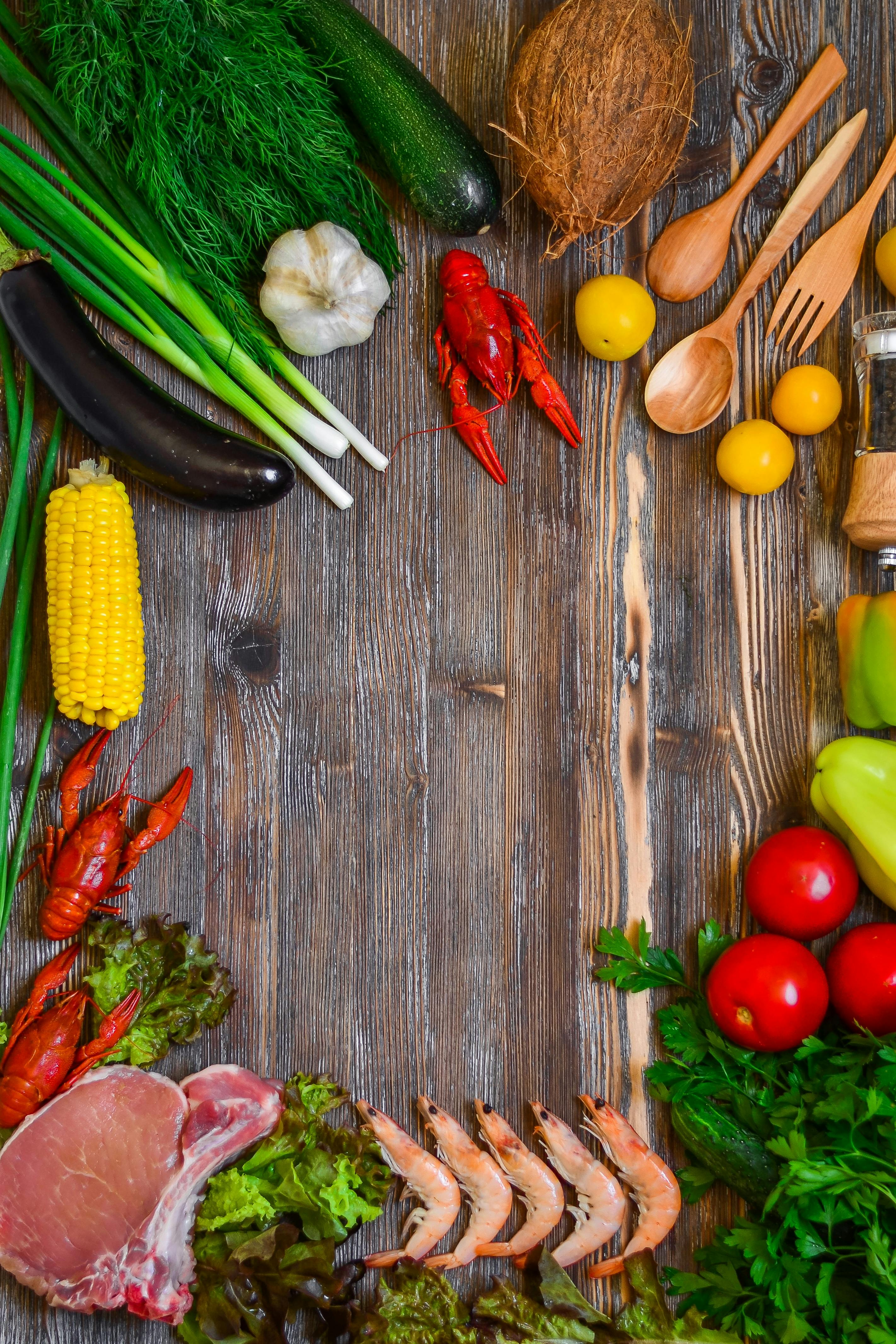
Recipe: Smoky Tofu Scramble with Veggies (High‑Protein, Plant‑Forward)
Let’s bring this trend into your kitchen with a savory, high‑protein breakfast (or anytime meal): a smoky tofu scramble loaded with colorful vegetables. It riffles on the classic scrambled egg experience—soft, warmly seasoned curds with crispy‑golden edges—but uses crumbled tofu, turmeric, and nutritional yeast for that familiar look and satisfying bite.
The aroma is irresistible: garlic and onion softening in olive oil, a gentle smokiness from paprika, and a hint of umami from nutritional yeast. Spoon it onto toast, tuck it into a tortilla, or serve alongside lentil pasta or a simple salad for a complete plant‑forward, protein‑rich plate.

Recipe Summary
Prep time: 10 minutes
Cook time: 15 minutes
Total time: 25 minutes
Servings: 2 generous or 3 lighter portions
Difficulty: Easy (great for beginners)
Dietary: Vegan, high‑protein, gluten‑free (if using GF sides)
Equipment You’ll Need
- 1 large non‑stick or well‑seasoned skillet
- Cutting board and sharp knife
- Spatula (silicone or wooden)
- Small mixing bowl (for spice mix, optional)
- Clean kitchen towel or paper towels (for patting tofu dry)
Ingredients for Smoky Tofu Scramble
This recipe is intentionally flexible—feel free to swap in your favorite vegetables or herbs. Measurements below yield a hearty, protein‑packed plant‑forward meal.
Base
- 1 block (14 oz / 400 g) firm or extra‑firm tofu, drained and patted dry
- 1 tbsp olive oil (or avocado oil)
- 1 small yellow onion, finely diced
- 2 cloves garlic, minced
- 1 small red bell pepper, diced
- 1 cup (about 70 g) baby spinach or kale, roughly chopped
- Salt and freshly ground black pepper, to taste
Smoky Scramble Seasoning
- 2 tbsp nutritional yeast
- 1/2 tbsp ground turmeric (for color and gentle warmth)
- 1 tsp smoked paprika
- 1/2 tsp garlic powder (optional, for extra savoriness)
- 1/4–1/2 tsp ground cumin
- 2–3 tbsp unsweetened soy milk or other plant milk (for creaminess)
- 1–2 tsp soy sauce or tamari (for umami; use tamari for gluten‑free)
Optional Toppings & Add‑Ins
- 2 tbsp fresh herbs (chives, parsley, or cilantro), chopped
- 1/2 avocado, sliced
- Cherry tomatoes, halved
- Hot sauce or chili flakes, to taste
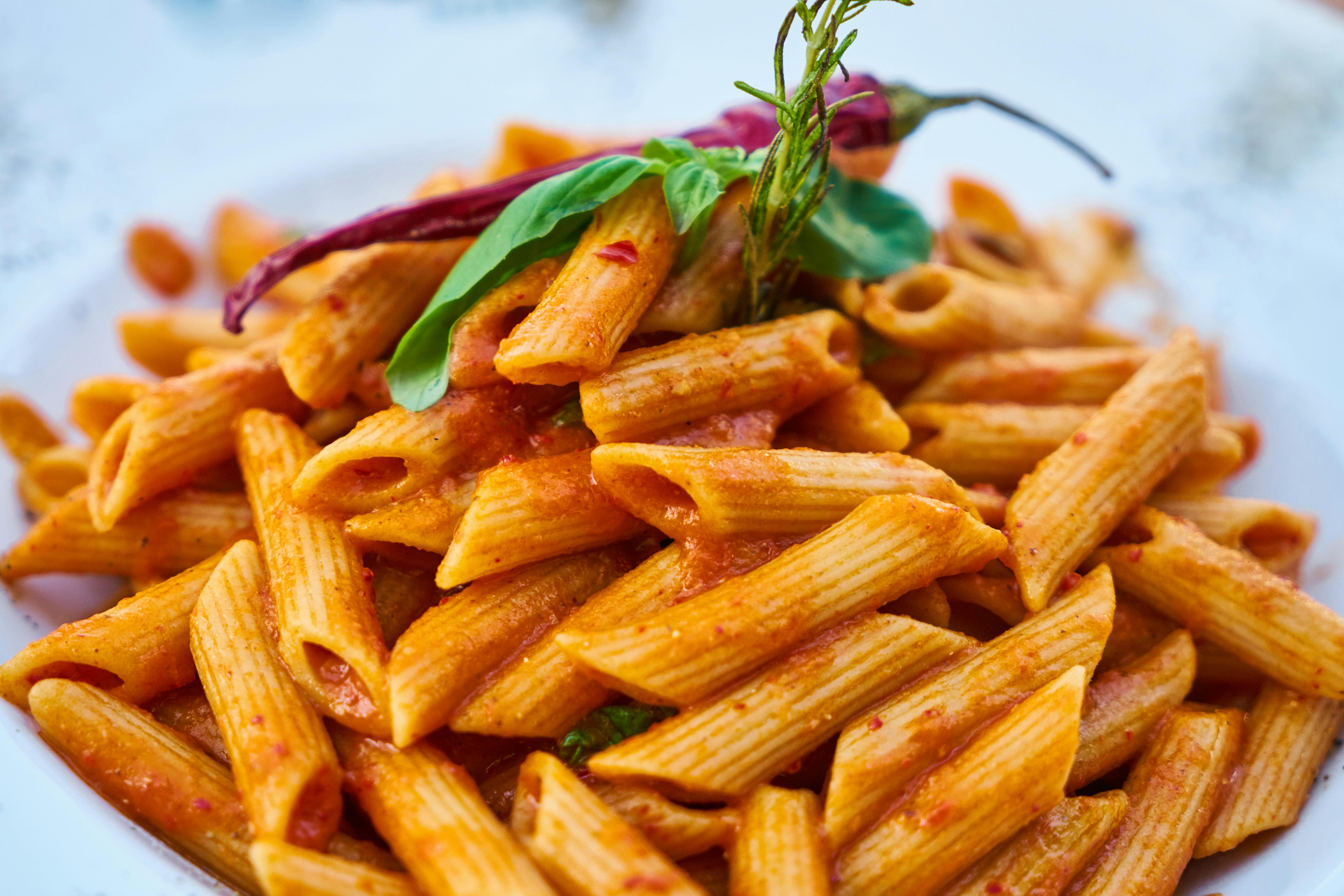
Step‑by‑Step Instructions
- Prepare the tofu.
Pat the tofu dry with a clean towel to remove excess moisture. Using your hands, crumble it into bite‑sized pieces into a bowl—the pieces should resemble rustic scrambled eggs, with some larger chunks for texture. - Mix the smoky seasoning.
In a small bowl, whisk together nutritional yeast, turmeric, smoked paprika, garlic powder, cumin, plant milk, and soy sauce/tamari until you have a loose paste. Adjust with a splash more milk if it feels too thick. - Sauté the aromatics.
Heat the olive oil in a large skillet over medium heat. Add the diced onion with a small pinch of salt and cook for 3–4 minutes, stirring occasionally, until softened and translucent. Add the minced garlic and bell pepper; cook another 2–3 minutes until fragrant and slightly tender. - Add and season the tofu.
Add the crumbled tofu to the skillet. Reduce the heat to medium‑low and pour the smoky seasoning over the tofu and vegetables. Gently fold everything together so the tofu is evenly coated and turns a deep golden color. - Cook to your preferred texture.
Let the scramble cook for 5–7 minutes, stirring occasionally. For softer, egg‑like curds, keep the mixture moister and avoid over‑stirring. For crispier bits, raise the heat slightly at the end and let the tofu sit undisturbed for 1–2 minutes to brown lightly on the bottom before flipping. - Wilt the greens.
Add the chopped spinach or kale. Cook for another 1–2 minutes, just until the greens are wilted and vibrant. Taste and adjust with more salt, pepper, or a splash of soy sauce if needed. - Finish and serve.
Remove from heat. Sprinkle with fresh herbs, add avocado slices, tomatoes, or hot sauce, and serve immediately.


Approximate Nutrition & Protein Content
Exact nutrition will vary with brands and portion sizes, but as a general guide, one hearty serving (1/2 of the recipe) provides roughly:
- Protein: ~22–25 g
- Fiber: ~5–7 g
- Healthy fats: From olive oil and optional avocado
- Micronutrients: Iron, calcium (if using calcium‑set tofu), B vitamins (enhanced by nutritional yeast), vitamin C from peppers
Paired with a slice or two of whole‑grain toast or a side of lentil pasta, you’re easily into the 30+ gram protein range—ideal for a muscle‑supportive plant‑forward meal.
Variations, Substitutions, and Dietary Swaps
- No soy? Try a chickpea flour “omelet” or scramble using chickpea flour, water, and spices cooked like a batter in a pan.
- Extra‑high protein: Stir in cooked lentils, edamame, or crumble in a plant‑based sausage at the end of cooking.
- Milder flavor: Use sweet paprika instead of smoked, and reduce garlic for a gentler, brunch‑friendly flavor profile.
- Gluten‑free: Use tamari or coconut aminos instead of regular soy sauce, and serve with roasted potatoes or gluten‑free toast.
- Vegetarian but not vegan: Top with a sprinkle of cheese or a spoonful of Greek yogurt if you enjoy dairy alongside your plant protein.
Serving Ideas: Pairing with Lentil Pasta and Protein Bowls
To really lean into plant‑forward, high‑protein eating, consider pairing your tofu scramble with other trending flexitarian staples—like lentil pasta or grain‑and‑bean bowls.
- With lentil pasta: Toss hot lentil or chickpea pasta with olive oil, garlic, lemon, and parsley, then top with a scoop of tofu scramble for a cozy, breakfast‑for‑dinner bowl.
- Power grain bowl: Layer quinoa or farro, black beans, roasted vegetables, and pumpkin seeds, then crown with tofu scramble and a drizzle of tahini sauce.
- Breakfast burrito: Wrap tofu scramble, beans, avocado, and a spoonful of salsa in a whole‑grain or gluten‑free tortilla for a portable high‑protein meal.
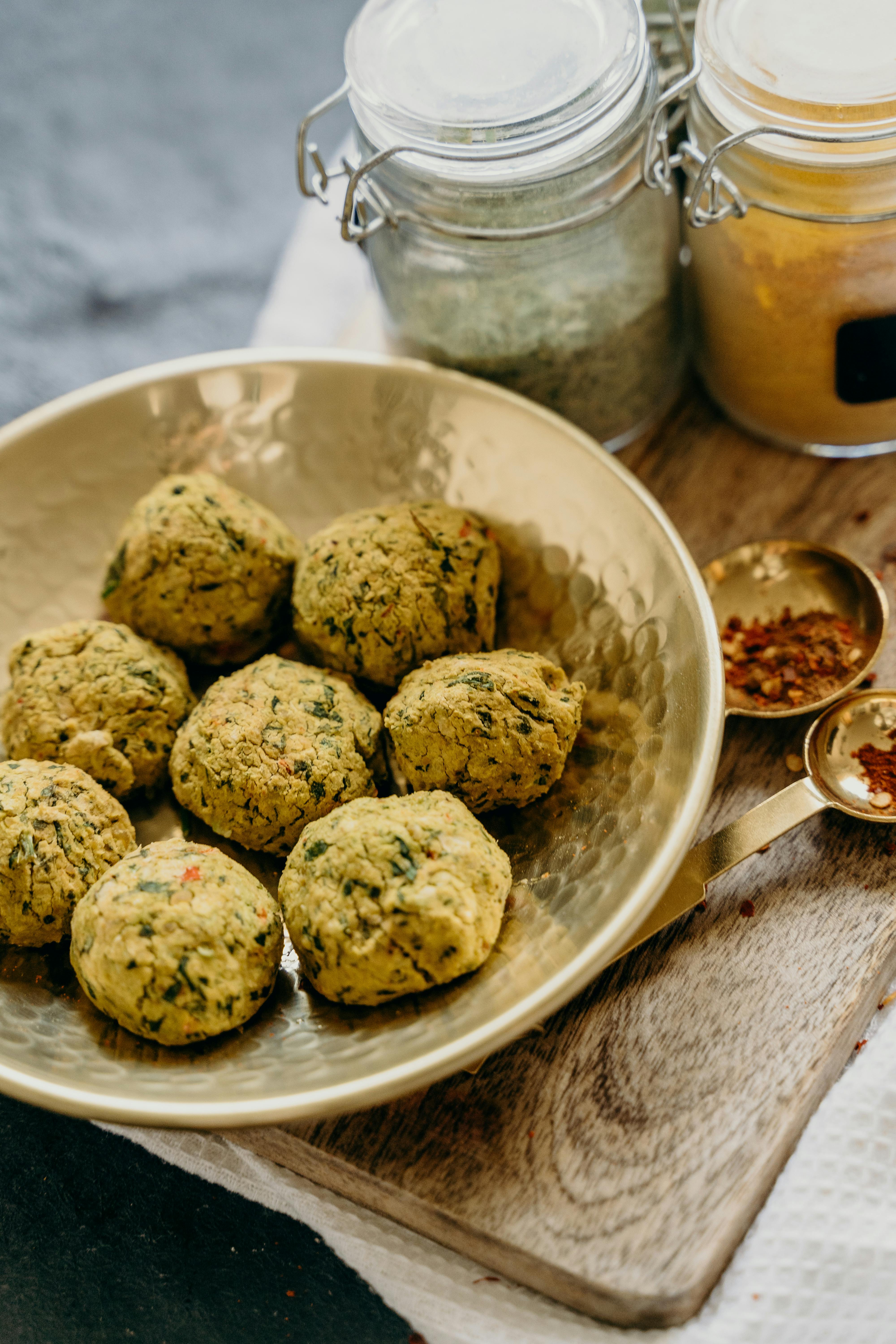
Storage & Reheating for Meal Prep
This tofu scramble is perfect for “cheap high‑protein meal prep” or “5‑day plant‑protein lunches” that are so popular online.
- Refrigeration: Store cooled scramble in an airtight container in the fridge for up to 3–4 days.
- Freezing: The texture remains decent after freezing, though slightly firmer. Freeze in single‑portion containers for up to 1 month.
- Reheating on the stove: Warm in a skillet over medium‑low heat with a splash of plant milk or water, stirring until hot and fluffy.
- Microwave: Reheat on medium power in 45‑ to 60‑second bursts, stirring in between, until heated through.
For best texture, add fresh greens or toppings (like avocado and herbs) right before serving rather than storing them mixed into the scramble.
Sustainability, Cost, and the Bigger Picture
Many people are drawn to plant‑forward high‑protein meals not only for health and fitness, but also for budget and environmental reasons. Beans, lentils, and tofu tend to be more affordable than meat—especially when prices fluctuate—and they store well, making them pantry heroes for students and families.
At the same time, reducing heavy reliance on red and processed meat can help lower the environmental footprint of your diet. Think of it as “voting with your fork”: every comforting tofu scramble, lentil pasta night, or bean‑and‑grain bowl is a small, delicious step toward a more sustainable way of eating.
Bringing Plant‑Forward High‑Protein Eating into Your Routine
You don’t need to overhaul your entire diet overnight. Start small: swap one or two breakfasts a week for this tofu scramble, try a lentil pasta instead of regular, or build a simple bean‑and‑quinoa bowl for lunch. Over time, these little experiments add up to a lifestyle where plants, protein, and pleasure all sit happily on the same plate.
Most importantly, make it your own. Adjust spices, choose the vegetables you love, and play with textures until your plant‑forward meals are not just “healthy,” but deeply crave‑worthy.
Recipe Structured Data
The following structured data helps search engines understand and showcase this plant‑forward, high‑protein tofu scramble recipe.
