
Gut Health 2.0: A Delicious Microbiome-Friendly Day on a Plate
Gut Health 2.0, Served in a Bowl
Gut health has moved beyond generic probiotic hype into a more delicious, food-first approach centered on fermented foods, prebiotic fibers, and diverse plant-based meals. This microbiome-friendly recipe brings those trends to your kitchen with a cozy, flavor-packed grain bowl that nourishes digestion while still feeling completely comforting and satisfying.
Inspired by the modern “microbiome diet” and the viral “30 plants per week” challenge, this Kimchi & Tempeh Gut-Friendly Grain Bowl layers chewy whole grains, crisp‑tender veggies, tangy fermented kimchi, creamy avocado, and nutty seeds. It’s the kind of bowl you’ll see in TikTok “gut‑friendly what I eat in a day” videos—but with clear, tested steps you can easily follow at home.
The magic here is in the balance: prebiotic fibers from onions, garlic, and whole grains; live cultures from kimchi; and plant diversity from a rainbow of vegetables, beans, and seeds. Every bite offers a mix of textures—warm and cool, crunchy and creamy—with a savory aroma of toasted sesame and garlic that fills your kitchen.

Recipe Snapshot
Prep time: 20 minutes
Cook time: 25 minutes
Total time: 45 minutes
Servings: 2 hearty bowls
Difficulty: Easy–Intermediate
Diet: Plant-forward, vegetarian, easily vegan
This recipe is perfect for a gut-friendly lunch or dinner and works beautifully for meal prep: the components store well, and you can assemble bowls in minutes throughout the week.
Recipe Details (Structured Data)
The structured data above helps search engines understand this gut health recipe—improving discoverability for terms like “microbiome diet dinner” and “fermented foods bowl.”
Equipment & Tools You’ll Need
- Medium pot with lid (for cooking grains, if not pre-cooked)
- Large non-stick or cast-iron skillet
- Cutting board and sharp chef’s knife
- Wooden spoon or spatula
- Measuring cups and spoons
- Two serving bowls (wide, shallow bowls work best)

Ingredients for a Microbiome-Friendly Bowl
These ingredients are chosen to highlight fermented foods, prebiotic fiber, and plant diversity—a delicious snapshot of current gut health trends.
Base & Protein
- 1 cup (180 g) cooked brown rice or quinoa (or a mix) – whole grains = steady energy + fiber
- 1 tablespoon extra-virgin olive oil or avocado oil – for sautéing
- 200 g tempeh, sliced into 1 cm strips or cubes – fermented soy protein for a hearty bite
- 1 tablespoon low-sodium tamari or soy sauce – umami-rich seasoning
- 1 teaspoon maple syrup or honey (optional) – balances the savory flavors
- 1 teaspoon toasted sesame oil – deep, nutty aroma
Prebiotic-Rich Veggies & Beans
- 1 small red onion, thinly sliced – a natural source of prebiotic inulin
- 2 cloves garlic, minced – aromatic and prebiotic
- 1 cup (120 g) shredded carrots or carrot ribbons
- 1 cup (80 g) thinly sliced red cabbage – crunch + colorful polyphenols
- 1 cup (120 g) steamed or sautéed broccoli florets
- 1/2 cup (80 g) canned chickpeas, rinsed and drained – fiber and plant protein
Fermented Toppings & Finishing Touches
- 3/4 cup (90 g) kimchi, roughly chopped if in large pieces – spicy, tangy fermented cabbage
- 1 small ripe avocado, sliced – creamy healthy fats for the gut-brain axis diet style
- 2 tablespoons toasted pumpkin seeds or sunflower seeds – crunch and minerals
- 1 tablespoon sesame seeds (white or black)
- 2 tablespoons chopped fresh herbs (such as cilantro, parsley, or green onions)
- Juice of 1/2 lemon or lime
- Salt and freshly ground black pepper, to taste
Step-by-Step: Building Your Gut-Friendly Bowl
Follow these steps in order for an easy flow. You’ll cook the grains (if needed), crisp the tempeh, sauté the veggies, then assemble everything in generous layers.
1. Prepare the Grain Base
If your brown rice or quinoa isn’t cooked yet, prepare 1/2 cup (uncooked) according to package directions to yield about 1 cup cooked.
Once cooked, fluff with a fork and set aside. Warm grains make the bowl especially comforting, but room temperature works too.
2. Crisp the Tempeh
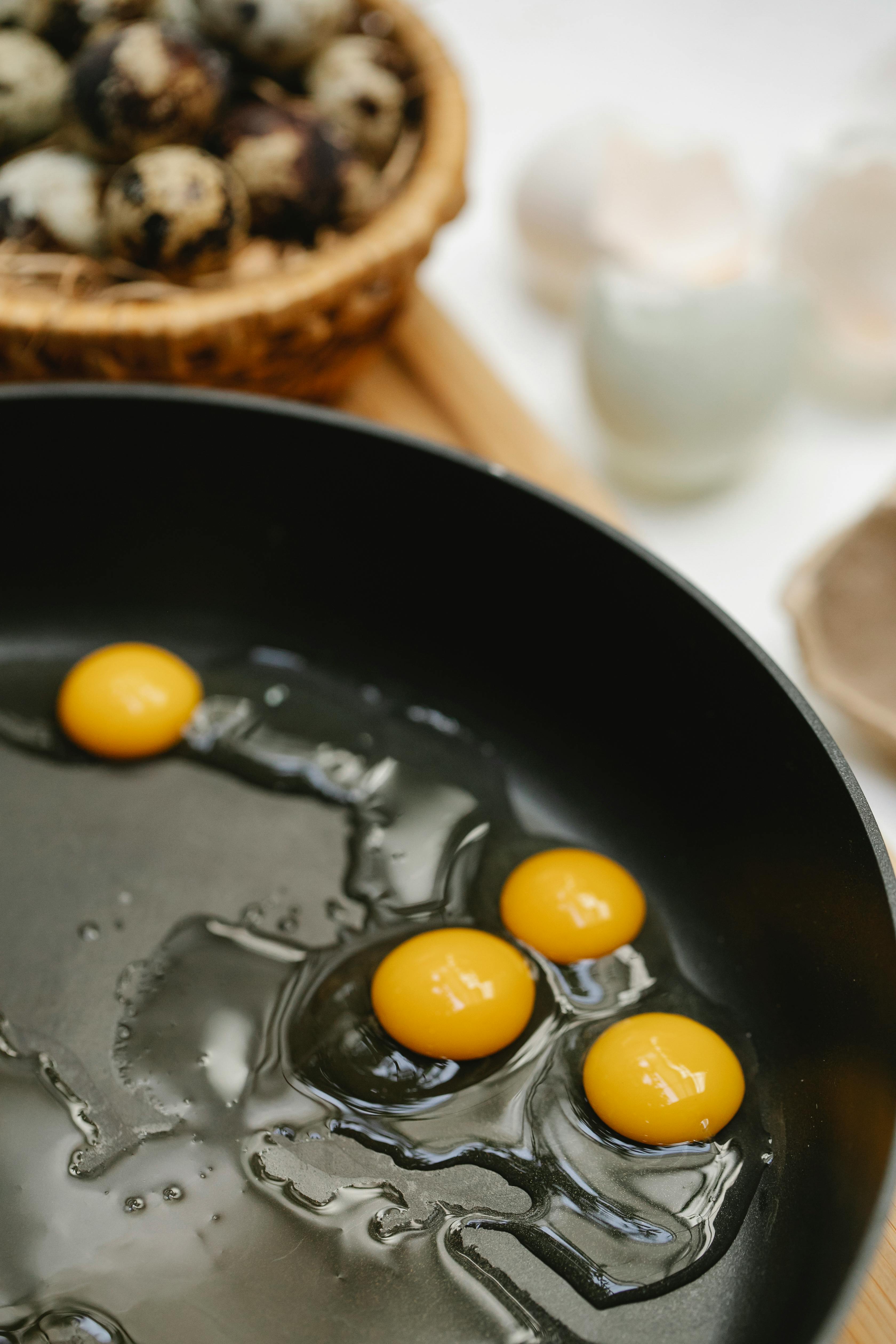
In a small bowl, whisk together tamari, maple syrup or honey (if using), and toasted sesame oil. This quick glaze adds savory depth and a gentle sweetness.
Heat the olive or avocado oil in a large skillet over medium heat. Add the tempeh slices in a single layer.
Cook for 3–4 minutes per side, until the tempeh is golden and crisp at the edges. Reduce the heat if it browns too quickly.
Pour the glaze over the tempeh and toss to coat. Let it bubble for 1–2 minutes until glossy and slightly sticky. Transfer tempeh to a plate.
3. Sauté the Prebiotic Veggies
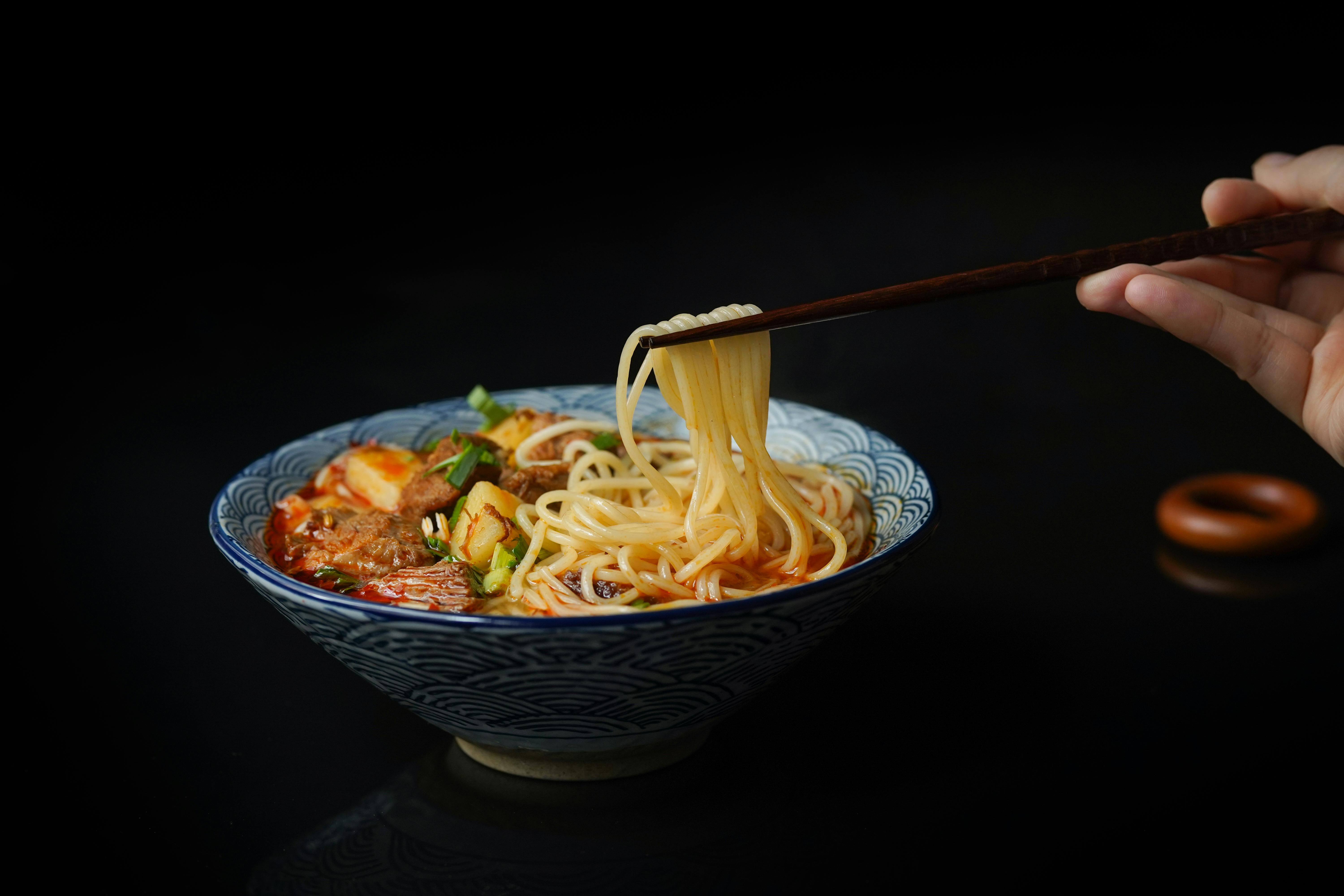
In the same pan (no need to wash), add the red onion with a small pinch of salt. Sauté over medium heat for 3–4 minutes, until softened and lightly caramelized at the edges.
Add the garlic and cook for 30–60 seconds, just until fragrant. Avoid browning the garlic, which can taste bitter.
Toss in the carrots, red cabbage, and broccoli. Add a splash of water to create gentle steam. Cook for 3–5 minutes, stirring occasionally, until the vegetables are crisp-tender and brightly colored.
Stir in the chickpeas to warm through, about 1–2 minutes. Taste and season lightly with salt and pepper.

4. Assemble Your Gut-Friendly Bowls
Divide the warm brown rice or quinoa between two bowls, forming a bed for the toppings.
Arrange the sautéed veggies and chickpeas on one side of each bowl. Fan the crisp tempeh slices on another side.
Add a generous scoop of kimchi to each bowl. Keep it off direct high heat to help preserve its live cultures.
Nestle in slices of avocado. Sprinkle with pumpkin or sunflower seeds, sesame seeds, and fresh herbs.
Finish with a squeeze of lemon or lime juice over the whole bowl, plus a final crack of black pepper and a pinch of salt if needed.
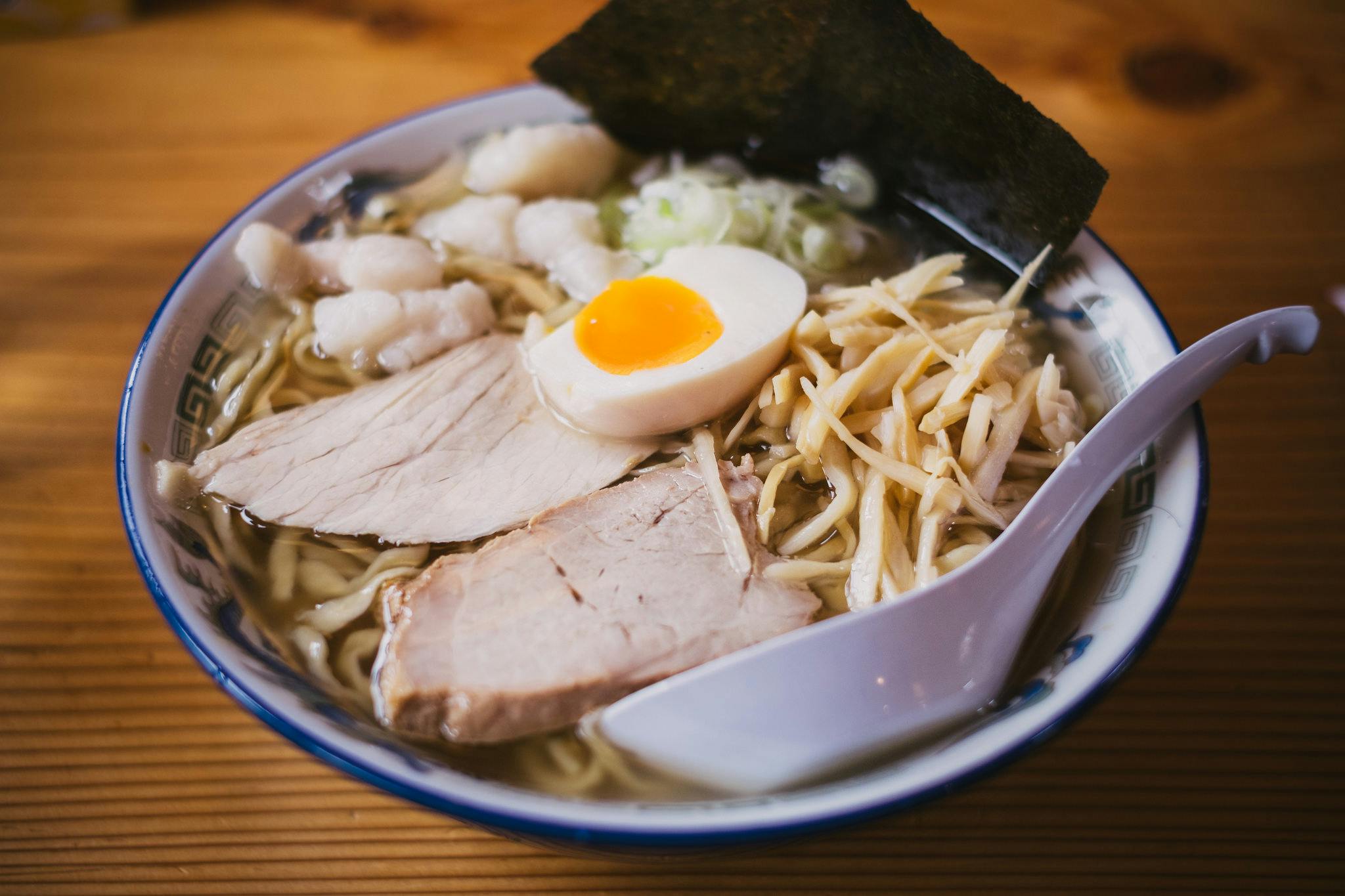
“Every forkful should feel like a little adventure—some tangy kimchi here, a creamy avocado bite there, a crunchy seed surprise on top.”
Gut Health 2.0 Tips, Swaps & Variations
You can absolutely make this bowl your own while staying aligned with modern microbiome-friendly guidelines.
Ingredient Swaps
- No tempeh? Use firm tofu, crispy roasted chickpeas, or leftover grilled chicken if you’re not vegetarian.
- No kimchi? Try sauerkraut or another fermented vegetable. Add a drizzle of olive oil to sauerkraut for richness.
- Different grains: Farro, barley, or wild rice all work, as long as they’re whole grains.
- Allium-free (low-FODMAP) option: Skip onion and garlic; use the green parts of scallions or chives for gentler flavor.
Dietary Adjustments
- Vegan: Use maple syrup instead of honey, and ensure your kimchi is made without fish sauce (many brands are naturally vegan).
- Gluten-free: Choose certified gluten-free tamari and grains like quinoa or brown rice.
- Spice level: If you’re sensitive, choose milder kimchi or mix kimchi 50/50 with plain shredded cabbage.
Storage, Meal Prep & Reheating
This bowl fits beautifully into a realistic, food-first microbiome diet: prep once, enjoy multiple gut-friendly meals.
- Fridge storage: Store the grains, tempeh, and sautéed veggies together in an airtight container for up to 3 days. Keep kimchi and avocado separate and add just before serving.
- Reheating: Warm the grain-and-veg mix in a skillet over medium heat with a splash of water, or microwave in a covered bowl until hot. Then add fresh kimchi, avocado, herbs, and seeds.
- Make-ahead components: Cook extra grains, roast or sauté a tray of mixed veggies, and prep a batch of crispy tempeh on Sunday. You’ll have the base for several quick gut-friendly grain bowls during the week.
Serving Ideas & Complementary Dishes
Turn this grain bowl into a full gut health menu that reflects today’s gut-brain axis and anti-inflammatory food trends.
- Starter: A small mug of miso soup or a simple green salad with olive oil and lemon.
- Drink: A glass of unsweetened kombucha, green tea, or water infused with cucumber and mint.
- Dessert: Plain yogurt or kefir with berries, a drizzle of honey, and ground flax or chia seeds for extra prebiotic fiber and omega‑3s.
If you enjoy sharing your cooking on social media, this colorful bowl photographs beautifully—perfect for those #guthealth and #microbiomediet tags that are buzzing across TikTok and Instagram.

Bringing Gut Health 2.0 into Your Everyday Cooking
You don’t need a restrictive “reset” or pricey supplements to support your microbiome. A bowl like this—rich in fermented foods, prebiotic fibers, and diverse plants—captures the best of the Gut Health 2.0 movement in a way that’s joyful, satisfying, and doable on a busy weeknight.
Start with this recipe, then play: swap grains, rotate vegetables, try different fermented foods, and listen to how your body feels. Over time, these small, delicious rituals can become the quiet backbone of a gut-friendly way of eating.
