
Why Ultra‑Processed Foods Are Under Fire (and How to Fall in Love with Whole Foods First)
Ultra‑Processed Foods Backlash and the “Whole Foods First” Movement
New research, books, and documentaries are shining a harsh light on ultra‑processed foods—those industrially engineered products packed with refined starches, sugars, cheap fats, and additives—while a vibrant “whole foods first” movement invites us back to colorful, minimally processed, nutrient‑dense meals. Think of it as a gentle reset, not perfection: more real food, fewer food‑like products.

In the past few years, ultra‑processed foods (often shortened to UPFs) have gone from a wonky research term to something you overhear in grocery aisles and group chats. A wave of books, podcasts, and documentaries—and some very vocal scientists—has pulled these products into the spotlight, sparking a backlash and inspiring a “whole foods first” movement grounded in simple, satisfying cooking.
You don’t need to cook like a chef or eat perfectly to join in. The heart of this movement is wonderfully down‑to‑earth: learn what’s in your food, lean on minimally processed staples most of the time, and rediscover how good real food can taste when you give it a chance to shine.
It’s not about never eating packaged food again. It’s about making sure most of your meals come from ingredients your great‑grandparents would still recognize as food.
What Exactly Are Ultra‑Processed Foods?
Ultra‑processed foods are more than just “things that come in a package.” The term comes largely from the NOVA classification, which groups foods by how they’re made, not just by nutrients like fat or sugar.
UPFs are industrial formulations built from refined ingredients—think corn starches, isolates, added sugars, refined oils—plus emulsifiers, flavorings, colorings, and other additives. They’re engineered to be hyper‑palatable, cheap, convenient, and craveable.
- Sugary breakfast cereals shaped, colored, and flavored in a factory.
- Packaged snack foods like chips, cheese puffs, and many crackers.
- Instant noodles with flavor packets heavy in additives.
- Many protein bars and shakes made from isolates and artificial sweeteners.
- Sweetened yogurts and drinks with long ingredient lists.
- Frozen ready meals high in refined carbs, sodium, and additives.
- Most fast food items constructed for speed and shelf stability.
In contrast, minimally processed foods are closer to their original form: fresh or frozen vegetables, whole fruits, plain yogurt, whole grains, beans, nuts, eggs, and unseasoned meats or fish. They may be washed, cut, frozen, or fermented—but they’re not fundamentally rebuilt.
What the Research Says About Ultra‑Processed Foods
A growing body of research has linked higher intakes of ultra‑processed foods with health risks. While nutrition science is always evolving, certain patterns are remarkably consistent.
- Observational studies have associated high UPF intake with increased risk of:
- Obesity and weight gain
- Type 2 diabetes
- Cardiovascular disease
- Depression
- All‑cause mortality (overall risk of early death)
- A landmark NIH randomized controlled trial found that participants eating an ultra‑processed diet ad libitum (as much as they wanted) consumed about 500 extra calories per day and gained weight compared with when they were offered minimally processed foods matched for calories, sugar, fat, and fiber.
What’s striking here is that it wasn’t just “junk food vs. salad.” Both diets were designed to look similar on paper—yet the ultra‑processed group naturally ate more. Texture, speed of eating, palatability, and low satiety all seem to play a role.
Inside the “Whole Foods First” Movement
The backlash against ultra‑processed foods has sparked a positive counter‑movement: a renewed love affair with whole foods. This shows up everywhere—from TikTok and Instagram to bestselling cookbooks and nutrition podcasts.
Instead of rigid rules, the “whole foods first” mindset focuses on crowding in more real food so that ultra‑processed options naturally take up less space on your plate.
- Side‑by‑side meal makeovers: boxed mac and cheese vs. a quick pasta with real cheese, olive oil, and vegetables.
- Pantry clean‑outs: creators walk through swapping out bars and chips for nuts, seeds, dried fruit, and simple crackers.
- Label‑reading tutorials: quick videos zoom in on ingredient lists, highlighting refined starches, emulsifiers, and sweeteners.
- No‑UPF challenges: 7‑day resets focused on baseline staples like oats, beans, eggs, yogurt, seasonal produce, and whole grains.
Many Mediterranean‑style, high‑protein, and plant‑forward diets are now marketed explicitly as “low‑UPF” eating patterns, emphasizing:
- Vegetables and fruits in many colors
- Whole grains like oats, brown rice, quinoa, and whole‑wheat bread
- Legumes such as lentils, beans, and chickpeas
- Nuts and seeds
- Minimally processed animal proteins (eggs, fish, poultry, some dairy)
How to Spot Ultra‑Processed Foods in the Wild
You don’t need a PhD—or hours in the store—to identify ultra‑processed foods. Most of the time, your best tool is the ingredient list.
- Count the ingredients, but don’t obsess.
Long lists are a red flag, especially when they include many unfamiliar additives. A handful of recognizable ingredients usually points to more minimal processing. - Watch for “cosmetic” additives.
These don’t exist to nourish or preserve safety; they mostly tweak texture and taste:- Emulsifiers (e.g., polysorbate 80, mono‑ and diglycerides)
- Stabilizers and thickeners (e.g., carrageenan, xanthan gum)
- Artificial colorings and flavorings
- Intense sweeteners (e.g., sucralose, aspartame, acesulfame K)
- Look for ultra‑refined bases.
When the main ingredients are things like “corn syrup solids,” “modified starches,” or “whey protein isolate,” you’re in ultra‑processed territory. - Notice what’s missing.
Many ultra‑processed items are low in intact fiber, water, and protein, which normally help you feel full and slow down eating.
Simple, Delicious Swaps to Cut Back on UPFs
Think of this as a friendly nudge, not a strict diet. You can dramatically shift your intake just by choosing slightly more whole‑food versions of what you already like.
- Breakfast:
Instead of sugary cereal or breakfast bars
Try oats with fruit and nuts, whole‑grain toast with eggs, or plain yogurt with berries. - Snacks:
Instead of chips and candy
Try nuts and seeds, air‑popped popcorn with olive oil and salt, or apple slices with peanut butter. - Lunch:
Instead of instant noodles or frozen entrees most days
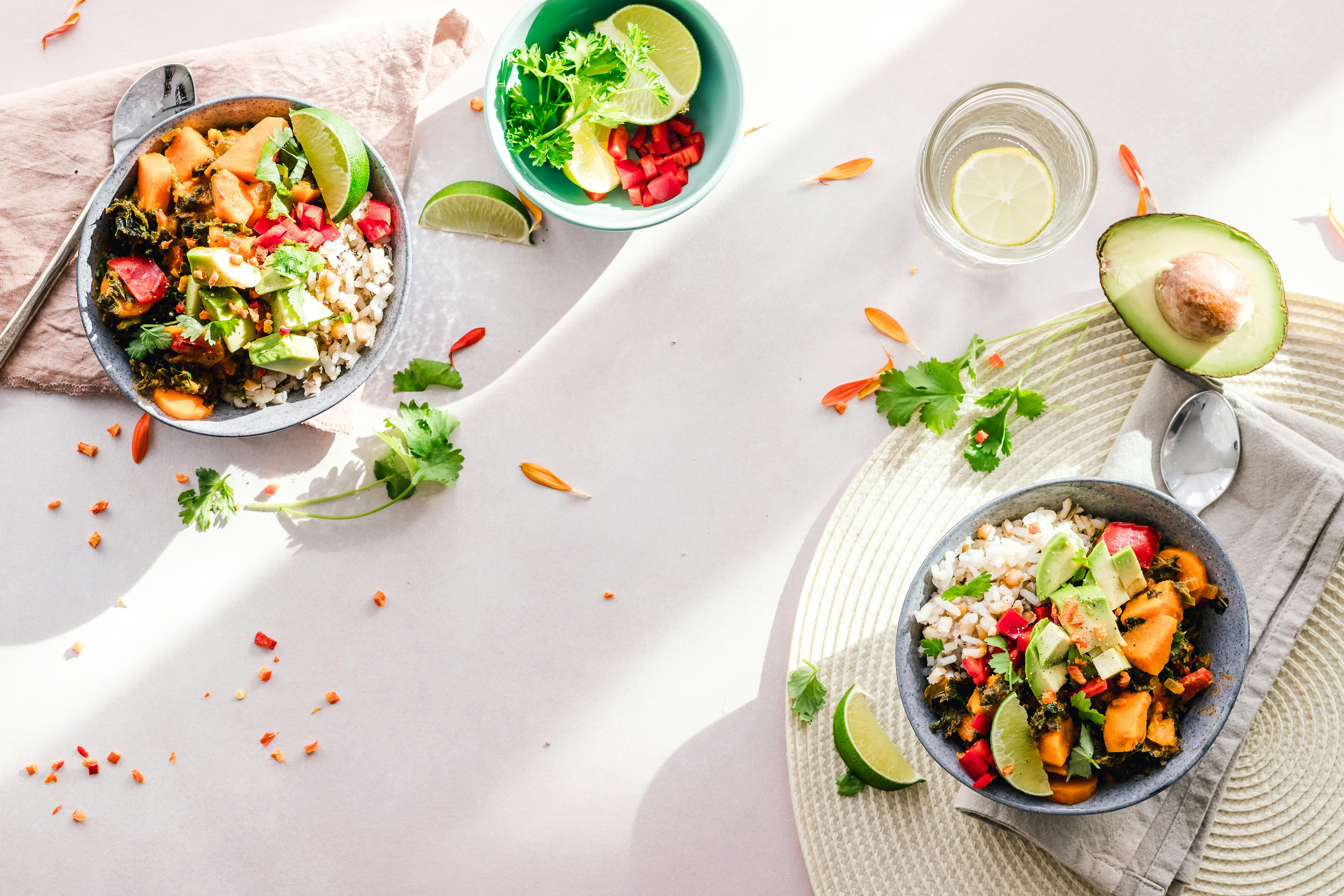
Try grain bowls with leftover rice, beans, veggies, and a simple dressing. - Dessert:
Instead of daily packaged desserts
Try fresh fruit, dark chocolate, or baked fruit with cinnamon and yogurt.
Not All Processing Is the Enemy
It’s easy to swing from “ultra‑processed is a problem” to “all processing is bad,” but that’s not the message most experts are sending. Some processing is helpful, even essential.
- Freezing preserves nutrients and makes produce accessible year‑round.
- Canning keeps beans, tomatoes, and fish safe and shelf‑stable.
- Pasteurizing milk and juice protects against harmful bacteria.
- Fermenting foods like yogurt, kefir, sauerkraut, and kimchi can enhance flavor and digestibility.
The real target is ultra‑processing: products re‑engineered to be eaten quickly, often, and in large amounts, with little resemblance to their original ingredients.
A frozen bag of broccoli is your friend. A neon‑colored snack that leaves dust on your fingers? That’s the one to treat like an occasional guest, not a roommate.
UPFs, Culture, and Real‑Life Constraints
Food is never just about nutrients; it’s culture, comfort, time, budget, and access. Ultra‑processed foods exploded in popularity partly because they solve real‑world problems: they’re cheap, shelf‑stable, and ready in minutes.
A whole‑foods‑first approach works best when it’s flexible and compassionate. That might mean:
- Using canned beans and frozen vegetables instead of starting from scratch.
- Honoring cultural dishes that use some processed ingredients but are rich in whole foods.
- Planning a few “busy‑day” meals that are still mostly minimally processed, like omelets, soups, or grain bowls.

How Industry and Policy Are Responding
As public interest in ultra‑processed foods grows, food companies are racing to keep up—and sometimes to get ahead of regulation.
- “Clean label” products: shorter ingredient lists, no artificial colors or flavors, and marketing buzzwords like “natural” and “no additives.”
- Reformulation: reducing certain additives, sugars, or refined oils to appeal to health‑conscious shoppers.
- Health‑washing concerns: critics warn that a prettier label doesn’t always mean a fundamentally less ultra‑processed product.
On the policy side, the UPF conversation is starting to inform debates around:
- Front‑of‑pack labeling that highlights highly processed foods.
- Marketing to children, especially for snacks and sugary drinks.
- School meals and public food programs, nudging menus toward minimally processed ingredients.
A Simple Whole‑Foods‑First Framework You Can Use Today
If you love action steps, here’s a gentle, practical framework to tilt your kitchen away from ultra‑processed foods without overwhelming yourself.
- Pick your staples.
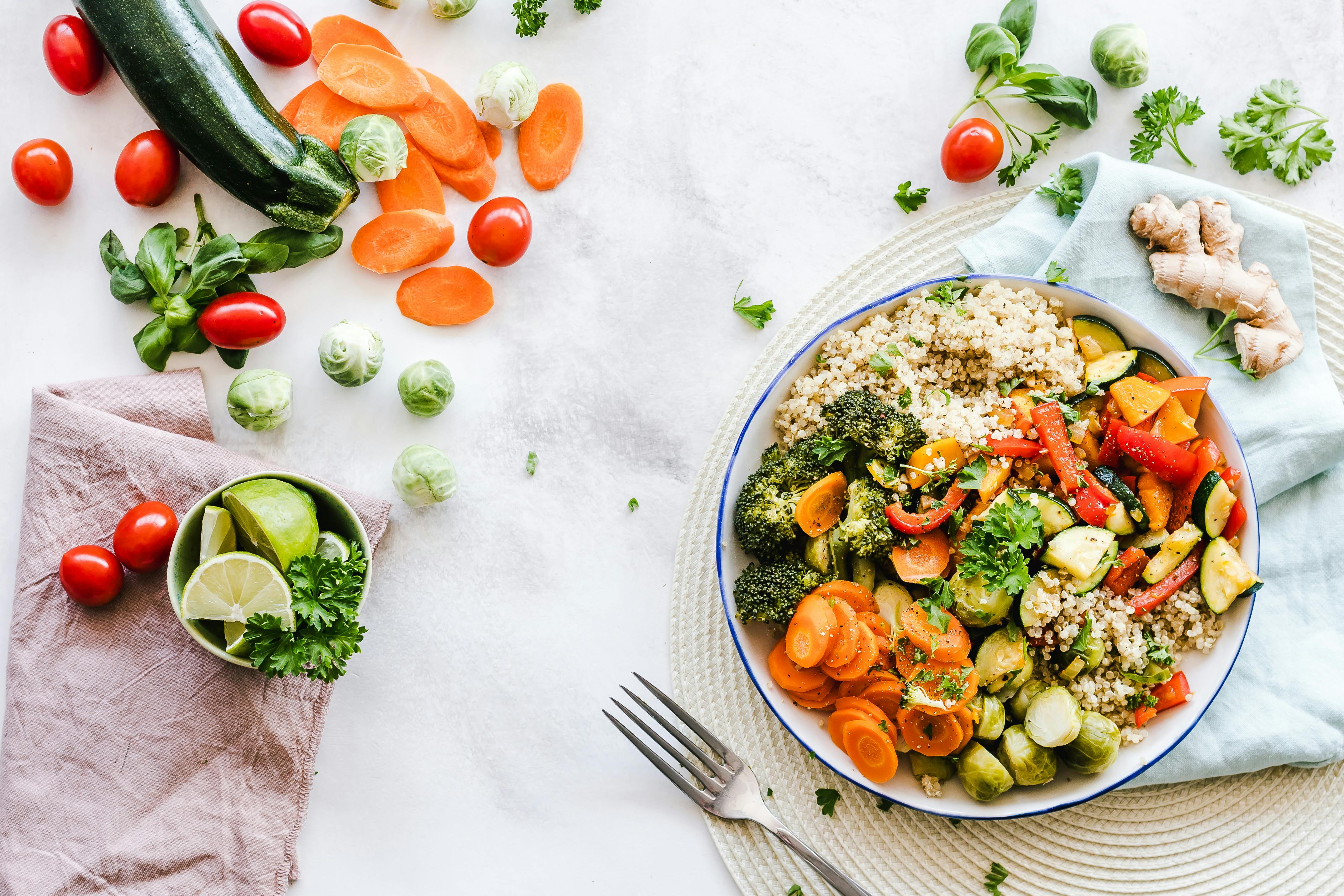
Choose 5–8 whole‑food heroes you enjoy and always keep them around (for example: eggs, oats, frozen berries, canned beans, brown rice, carrots, onions, frozen broccoli). - Build “templates,” not rigid recipes.
Think:- Oats + fruit + nuts for breakfast
- Grain + bean + veg + sauce for lunch
- Protein + veg + starch for dinner
- Batch a couple of components.
On a calmer day, cook a pot of grains or beans, roast a tray of vegetables, or make a simple vinaigrette. These transform into fast, minimally processed meals later. - Choose indulgences you truly enjoy.
Keep a few ultra‑processed favorites you genuinely love, and savor them intentionally instead of eating them by default.
Bringing It All Together
Ultra‑processed foods have become a central character in our modern food story—convenient, tempting, and, increasingly, under scrutiny. The emerging consensus isn’t that you must swear them off completely, but that building your diet around minimally processed foods is one of the most powerful levers you control.
Whether you’re a confident home cook or just getting comfortable with a knife and cutting board, you can lean into the whole‑foods‑first movement at your own pace. Start with one swap, one label read, one more colorful plate. Over time, those small shifts add up to meals that taste better, satisfy more deeply, and support your health—without sacrificing the joy of eating.
