Patrick Muldoon Remembered: From ‘Days of Our Lives’ Heartthrob to Cult Sci‑Fi Hero
Patrick Muldoon, the charismatic actor who moved effortlessly between daytime soaps, prime-time drama, and cult sci‑fi, has died at 57. Best known for originating the role of Austin Reed on Days of Our Lives and shaking up the courtyard on Melrose Place, Muldoon leaves behind a body of work that’s woven into the fabric of ’90s and 2000s pop culture.

His manager confirmed his passing on Sunday, prompting a wave of tributes from co‑stars, soap fans, and viewers who grew up watching him on network TV. In an era before streaming algorithms dictated our viewing habits, Muldoon was one of those reliable faces you’d see while channel‑surfing: handsome, a little roguish, and always ready to stir up a love triangle.
From Soap Newcomer to ’90s TV Fixture
Born in 1960s Los Angeles, Patrick Muldoon came of age right as the U.S. television industry was leaning hard into glossy, character‑driven melodrama. By the early 1990s, he found his breakout with NBC’s daytime institution Days of Our Lives, landing a role that would define his early career.
From 1992 to 1995, Muldoon originated the role of Austin Reed, quickly becoming a fan favorite. In a genre that thrives on archetypes, he brought a grounded, almost boy‑next‑door energy to a world of outlandish twists and amnesia plots.
Austin Reed and the Golden Age of Days of Our Lives
Muldoon’s Austin Reed wasn’t just another soap hunk; he was central to one of Days’ most talked‑about eras. Paired with characters like Carrie Brady and embroiled in tangled relationships, Austin embodied the classic ’90s daytime romantic lead—loyal, conflicted, and perpetually caught between duty and desire.
- Appeared regularly on Days of Our Lives from 1992–1995
- Returned for later stints, underscoring how closely the character and actor were linked
- Helped anchor major storylines that kept ratings strong during a competitive daytime era
“Patrick brought a sincerity and warmth to Austin that instantly connected with our audience. He made the character more than a plot device—he made him human.”
For many viewers, especially those who watched Days with parents or grandparents, Muldoon’s Austin is part of a shared TV memory—one of those characters you might not think about often, but instantly recognize in a rerun or a clip.
Shaking Up Melrose Place: Muldoon in Prime Time
If daytime made Patrick Muldoon a familiar face, Fox’s hit drama Melrose Place made him a prime‑time player. The show, a spin‑off of Beverly Hills, 90210, was pure ’90s excess: scheming neighbors, affairs, and cliffhangers that felt like mini soap operas with a bigger budget.
On Melrose Place, Muldoon leaned into the heightened tone, playing the kind of character who could believably be both charming and trouble. It was a natural transition: he brought the emotional instincts honed on soaps to a show that thrived on dramatic reversals and interpersonal warfare.
Beyond Soaps: Starship Troopers and Cult Cinema Cred
While TV gave Muldoon steady visibility, it was Paul Verhoeven’s 1997 sci‑fi satire Starship Troopers that cemented his cult‑film credentials. Playing Zander, a rival to Casper Van Dien’s Johnny Rico, Muldoon brought a cocky athleticism that fit perfectly into Verhoeven’s militarized future.
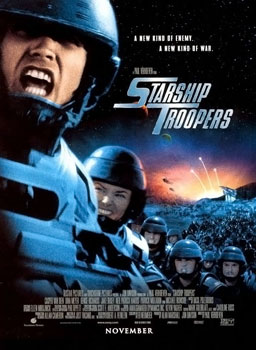
“Muldoon plays Zander with exactly the right amount of smug charm—you believe people would follow him into space, and you equally believe Johnny Rico would want to punch him.”
Over time, as Starship Troopers evolved from misunderstood blockbuster to beloved satire, Muldoon’s performance gained a second life. Fans discovering the film on streaming or repertory screenings now recognize him not only as “the guy from that soap” but as a key player in one of the era’s sharpest genre films.
A Working Actor’s Path: TV Movies, Guest Spots, and Genre Work
Muldoon’s career after his marquee ’90s roles reflects the reality for many working actors: a steady mix of TV movies, guest appearances, and indie or genre projects. He appeared in family films, thrillers, and holiday‑themed cable movies—the kind of work that doesn’t always make headlines but keeps an actor in front of audiences.
- Guest roles across network and cable TV through the 2000s and 2010s
- Appearances in smaller‑budget genre films aimed at home entertainment and streaming markets
- Occasional returns to franchise touchstones that first made him famous

In a media landscape increasingly obsessed with either superstardom or total anonymity, Muldoon’s path is a reminder of the sizable middle: actors who may never headline a billion‑dollar franchise but quietly populate the movies and shows people actually watch on weeknights.
Cultural Footprint: ’90s Nostalgia and Soap Fandom
The outpouring of remembrance following his death speaks to how deeply embedded Muldoon is in ’90s and early‑2000s nostalgia. For daytime fans, he’s part of a specific emotional era; for genre geeks, he’s forever Zander in Starship Troopers; for others, he’s simply “that guy” who always seemed to show up on TV.

In the streaming age, where old soaps and prime‑time dramas find new life on platforms and clip compilations on social media, Muldoon’s performances have become part of the endless remix of pop culture. Younger viewers often encounter him out of chronological order—one week in a soap throwback, another in a cult sci‑fi recommendation.
Strengths, Limitations, and How He’ll Be Remembered
Critically, Muldoon was rarely the focus of awards or think‑pieces, and that’s part of what makes his career interesting. He wasn’t a chameleonic character actor or an A‑list star; he was a specific type: the athletic, all‑American leading man with just enough edge to complicate a love story or rivalry.
His strengths were clear:
- Strong screen presence, especially in ensemble casts
- A knack for playing romantic tension and rivalry without tipping into parody
- Reliability across formats—soaps, prime time, genre film, and TV movies
The flip side is that Hollywood, especially in the late ’90s and 2000s, didn’t always know what to do with actors who fit neatly into “handsome guy” territory without an instantly marketable hook. You can sense the missed opportunities—supporting roles in bigger studio projects that never quite materialized, or series that might have used his charisma more centrally.

“He was one of those faces you grew up with on TV,” wrote one critic in a social media tribute. “You might not know his full filmography, but when he appeared, you trusted the story was about to get more interesting.”
Further Reading and Official Sources
For more detailed information about Patrick Muldoon’s life and career, including comprehensive credit lists and official confirmations, see:
Legacy: A Familiar Face in an Ever‑Shifting TV Landscape
Patrick Muldoon’s death at 57 arrives at a time when television itself is undergoing another massive transformation. As soaps fight for survival in a streaming era and prime‑time dramas grapple with shorter seasons and algorithm‑driven commissioning, his career stands as a snapshot of a different Hollywood—one where syndication and network schedules could slowly turn a recurring player into a household name.
He may not have chased prestige or awards, but he did something arguably harder: he stayed working, stayed visible, and carved out a space in the collective memory of anyone who spent time with ’90s TV. Whether you remember him as Austin Reed, the Melrose Place newcomer, or the rival pilot in Starship Troopers, his passing is a reminder that the faces who shape our viewing lives aren’t always the ones on the posters—they’re often the ones who quietly steal scenes along the way.