
Rebel Wilson, The Deb, and a Bath in Bondi: Inside Australia’s New Defamation Flashpoint
Rebel Wilson’s Defamation Fight Over The Deb: What the Australian Courtroom Drama Reveals
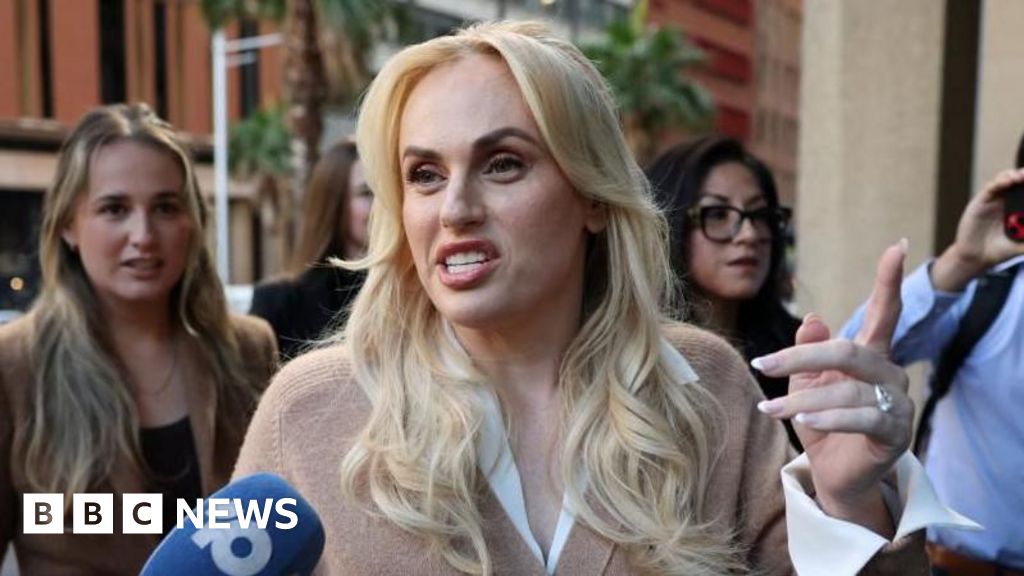
A high-profile Australian defamation battle between Rebel Wilson and rising actor Natalie MacInnes, centred on a disputed incident involving a bath in Bondi during the making of the musical comedy The Deb, is turning into a revealing test case for how modern showbusiness handles reputation, power and public accusations.
In court, lawyers for MacInnes have described Wilson’s published claims as “malicious concoctions”, while Wilson maintains she was calling out unacceptable behaviour. Beyond the headlines, the case sits at the intersection of celebrity culture, the Australian film industry’s growing international profile, and a post-#MeToo climate where public allegations can reshape careers overnight.
The Story Behind The Deb and the Bondi Bath Allegation
The Deb is pitched as a bright, populist musical comedy: a fish-out-of-water story set in rural Australia, complete with debutante balls and outback quirks. It continues a tradition of Australian screen comedy that runs from Muriel’s Wedding to Kath & Kim, exporting a very local sense of humour to a global audience.
Natalie MacInnes landed one of the two lead roles after graduating from WAAPA in 2021, a school whose alumni include Hugh Jackman and Frances O’Connor. For an early-career actor, it is the kind of breakout part that can reshape a CV overnight.
The current dispute centres on Wilson’s public description of an alleged incident involving a bath in Bondi during the project’s development. According to MacInnes’s side, those descriptions are seriously misleading and have crossed the line into defamation. In court, her counsel has called Wilson’s version “malicious concoctions” designed to damage MacInnes’s reputation.
“When statements are broadcast to a global audience under the banner of advocacy, but are substantially untrue, the harm to a young performer’s career can be immediate and profound.”
— Summary of arguments presented in court, as reported in Australian media
Wilson, for her part, positions her comments as part of a broader culture shift, where industry figures are encouraged to call out unacceptable behaviour and speak candidly about on-set dynamics. The legal question is where that cultural expectation collides with defamation law.
Defamation, Power and the Australian Legal Backdrop
Australia’s defamation laws are famously plaintiff-friendly. International outlets often joke that Sydney is the libel capital of the Southern Hemisphere. Wilson herself has history here: in 2017 she successfully sued Bauer Media for a series of articles she said painted her as a serial liar about her age and background.
This time, she is on the other side of the courtroom aisle. MacInnes argues that Wilson’s comments have harmed her reputation in the industry, particularly damaging for a performer just out of drama school trying to gain momentum in film and theatre.

Australian defamation actions typically balance:
- Reputation: The right of individuals not to have their standing unfairly damaged.
- Expression: The right to speak on matters of public interest, including workplace safety and conduct.
- Truth and context: Whether statements are substantially true, and how they’re framed in public discourse.
In entertainment, where careers can be derailed by a single allegation or social-media storm, courts are increasingly asked to referee disputes that began as cultural conversations about safety, consent and power imbalances.
What This Means for the Australian Screen Industry
The timing is significant. Australian screen stories have never been more globally visible, with series like Heartbreak High and prestige films travelling well beyond local shores. At the same time, the industry is still digesting #MeToo-era reckonings and a wave of institutional inquiries into workplace behaviour.
A case like Wilson v. MacInnes touches several sensitive nerves:
- Whose voice carries most weight? A megastar’s allegation can overshadow a lesser-known actor’s capacity to respond.
- How are “difficult” creative processes narrated? Stories of intense rehearsals or boundary-pushing methods are being re-examined through the lens of consent and safety.
- What counts as “public interest”? Courts have to decide when an allegation serves a broader social function versus when it is needlessly damaging.

The Deb as a Cultural Object: Beyond the Courtroom
Stripped of its legal baggage, The Deb taps into a long-running fascination with how Australian stories translate for global audiences. The musical comedy format lets it flirt with camp, sentimentality and satire, all wrapped in a very local setting.
The casting of a WAAPA-trained newcomer like MacInnes alongside an established international name like Wilson is textbook industry logic: pair rising talent with bankable stardom. The present dispute adds an unintended meta-layer, turning a feelgood coming-of-age story into a case study of how quickly an on-screen fairy tale can be complicated by off-screen realities.
From a cultural perspective, the case also sits alongside a broader shift in how audiences read celebrity narratives. The public is increasingly comfortable holding two thoughts at once: appreciating the work itself, while interrogating the conditions under which it was made.
Media, Social Platforms and the Court of Public Opinion
One reason defamation cases involving celebrities travel so fast is that they are built for the attention economy. A phrase like “malicious concoctions” is practically engineered for a headline, while an image of a bath in Bondi is meme-ready shorthand for something scandalous, even if the underlying facts are far more nuanced.
Where traditional entertainment reporting once filtered such disputes through lawyers and editors, stars now talk directly to fans on Instagram, TikTok and podcasts. That immediacy is a double-edged sword:
- Pro: It empowers performers, especially women and minorities, to call out behaviour previously buried or minimised.
- Con: It can turn contested or partial accounts into instant “truths” long before any court process concludes.

“The law moves at a glacial pace compared to the internet. By the time a defamation judgment arrives, the reputational damage—or vindication—has often already played out in the public mind.”
— Media law commentator, speaking about celebrity libel cases
This creates a feedback loop: legal filings become content, content shapes public opinion, and public opinion in turn pressures studios, casting decisions and future collaborations.
Strengths, Weaknesses and What’s at Stake
From a cultural analysis perspective, both sides of this dispute plug into legitimate concerns—and that’s partly why the case has drawn such attention.
Where the case feels important
- It underscores that even in the #MeToo era, public allegations are not exempt from scrutiny or legal limits.
- It highlights the vulnerability of early-career performers navigating power imbalances on set.
- It shows that established stars can face legal consequences when their advocacy crosses into potentially inaccurate claims.
Where the discourse gets messy
- Complex incidents are compressed into viral shorthand (“bath in Bondi”) that encourages snap judgment rather than careful listening.
- The legal framework doesn’t always map neatly onto moral intuitions; a courtroom win doesn’t guarantee public sympathy, and vice versa.
- Focusing on celebrity clashes can overshadow quieter, systemic reforms around safety and professionalism on sets.
For audiences, the challenge is distinguishing between enjoying the spectacle of a courtroom drama and recognising the very real stakes for the individuals involved: careers, mental health, and future opportunities.
Where to Follow the Case and Learn More
For those wanting to track developments without getting lost in gossip, it helps to prioritise primary sources and reputable reporting.
- BBC News – Entertainment & Arts for ongoing coverage and court updates.
- Rebel Wilson on IMDb for background on her filmography and previous projects.
- IMDb search for information on The Deb as production details are updated.
- Australian outlets such as The Guardian Australia, ABC News, and Sydney Morning Herald for local legal analysis and context.
Beyond “Malicious Concoctions”: What This Case Tells Us About Fame in 2026
As the court weighs whether Rebel Wilson’s statements about Natalie MacInnes were fair comment or defamatory “malicious concoctions”, the broader cultural verdict may be less tidy. Regardless of outcome, the case will sit alongside a growing list of legal dramas showing how fragile the line is between speaking out and speaking unlawfully.
For the Australian industry, the lesson is not to retreat into silence, but to develop clearer norms: robust safety protocols, trusted reporting mechanisms, and a more careful public language around allegations that are still in dispute. For audiences, it’s a nudge to resist easy narratives—heroes, villains, bath-in-Bondi punchlines—and to hold space for ambiguity while the facts are tested.
In an era where every celebrity dispute doubles as entertainment content, the most culturally literate response might be the least dramatic one: pay attention, wait for evidence, and remember that behind every headline-friendly phrase is a human being whose career may be changed forever.
