
Ozempic, Wegovy & GLP‑1 Diets: How Drug‑Assisted Weight Loss Is Changing the Way We Eat
Prescription GLP‑1 drugs like Ozempic, Wegovy, Mounjaro, and Zepbound are transforming the weight‑loss landscape—and with it, our relationship to food. As appetite drops and cravings quiet down, home cooks are asking a new question: What should I eat when I’m just not that hungry?
This guide dives into the GLP‑1 weight‑loss diet wave—how these medications work, what’s changing in diet culture, and, most importantly, how to nourish your body with satisfying, protein‑rich, gentle‑on‑the‑stomach meals. We’ll finish with a cozy, GLP‑1‑friendly high‑protein chicken & vegetable soup recipe that’s light, comforting, and kind to your digestion.
What Are GLP‑1 Drugs Like Ozempic and Wegovy?
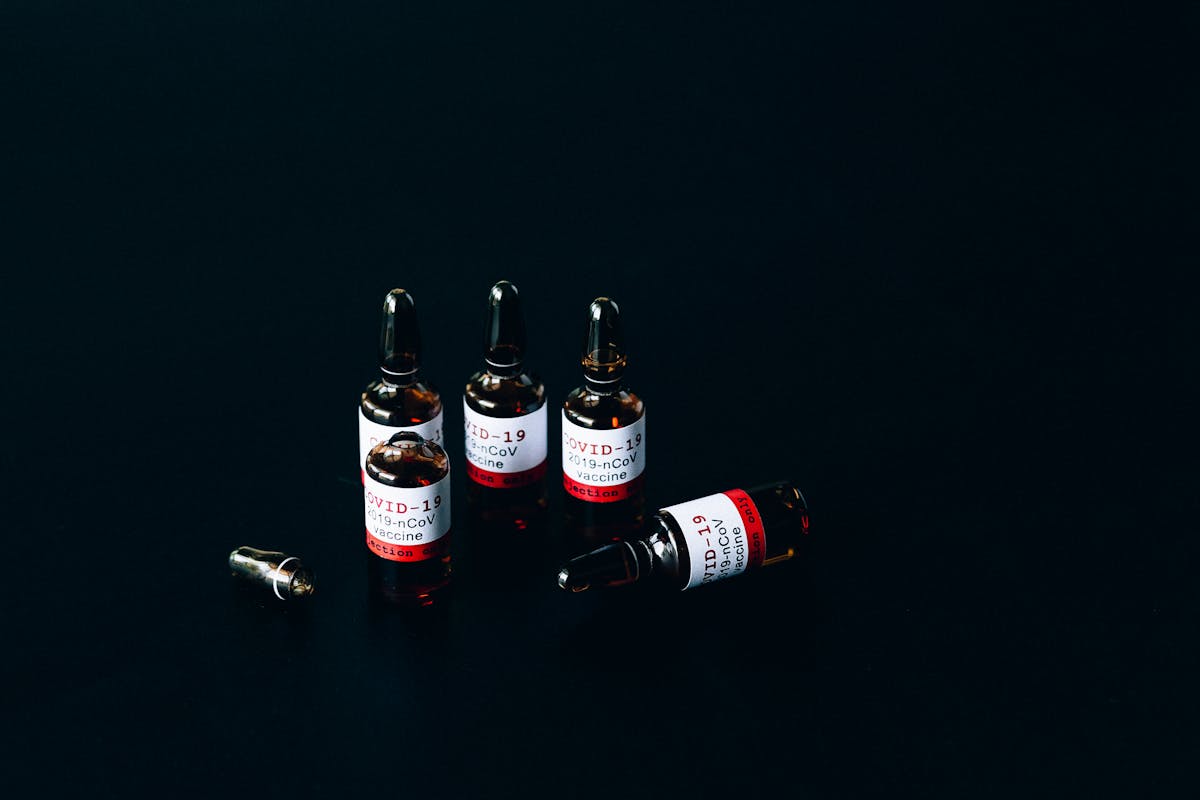
GLP‑1 receptor agonists—sold under names like Ozempic, Wegovy, Mounjaro, and Zepbound—were originally developed for type 2 diabetes. They mimic a natural hormone (GLP‑1) that:
- Helps regulate blood sugar after meals
- Slows how quickly food leaves your stomach (gastric emptying)
- Signals fullness and reduces appetite
For many people, that means smaller portions feel satisfying, nagging food thoughts quiet down, and spontaneous snacking drops. But it also raises practical questions: How do you get enough protein, fiber, and micronutrients when you genuinely don’t feel like eating much?
Why GLP‑1 Weight‑Loss Diets Are Everywhere Right Now
GLP‑1 medications have moved from endocrinology offices to everyday conversation, news headlines, and TikTok in record time. A few forces are driving this surge:
- Celebrity and influencer use: Rumors and confirmations about GLP‑1 use among public figures keep curiosity—and controversy—high.
- Relief from chronic dieting: Many users describe feeling, for the first time, not controlled by food thoughts, which challenges traditional “willpower‑based” diet culture.
- Medical promise: Research is exploring benefits beyond weight, including blood sugar control, blood pressure, and fatty liver markers.
- Access and ethics debates: Concerns over cost, off‑label cosmetic use, and supply shortages for people with diabetes fuel passionate discussions.
In the middle of this swirl, dietitians, doctors, trainers, and home cooks are all asking: How do we build a gentle, sustainable way of eating around these powerful medications?
Key Nutrition Questions in the GLP‑1 Era
When hunger is dialed down by a medication, nutrition strategy shifts. Instead of “How do I eat less?” many people now ask:
- What does a nutrient‑dense day of eating look like if I’m only mildly hungry?
- How do I protect muscle and metabolism during rapid weight loss?
- Can GLP‑1s be a bridge to better habits, not a replacement for them?
Dietitians are responding with guidance that focuses on:
- Protein at every eating occasion to preserve lean mass
- Small, frequent meals that are easier to tolerate than large, heavy portions
- Easily digestible fiber (cooked vegetables, peeled fruit, oats) instead of super‑rough raw salads for sensitive stomachs
- Hydration and electrolytes to offset nausea or lower intake
What Is a GLP‑1‑Friendly Diet?
There’s no single official “Ozempic diet,” but patterns are emerging from nutrition experts and people sharing their own experiences:
- High‑protein focus: Eggs, Greek yogurt, cottage cheese, tofu, fish, poultry, lean meats, and protein‑forward soups and stews.
- Lower‑fat, not no‑fat: Very greasy meals can worsen nausea for some. Many feel better with moderate, mostly unsaturated fats (olive oil, avocado, nuts in small portions).
- Gentle fiber: Cooked vegetables, blended soups, and soft whole grains (quinoa, oats, barley) instead of giant raw salads or very dense breads.
- Small, steady portions: Half‑sized meals or “mini plates” every few hours often sit better than three big meals.
- Mindful liquids: Hydration is key, but chugging large drinks with meals can amplify fullness; smaller sips spaced through the day can feel more comfortable.

This is where certain dishes shine—especially brothy, protein‑rich soups that are comforting, flavorful, and easy on a sensitive stomach.
GLP‑1‑Friendly Recipe: Cozy High‑Protein Chicken & Vegetable Soup
When your appetite is low but your body still needs nourishment, a warm bowl of gently seasoned soup can feel like a hug from the inside. This high‑protein chicken & vegetable soup is:
- Light yet satisfying, thanks to lean chicken breast and tender vegetables
- Easy to digest, with everything cooked until soft and soothing
- Customizable for gluten‑free, dairy‑free, or higher‑fiber needs
- Perfect for making ahead in small, freezer‑friendly portions
Prep time: 15 minutes
Cook time: 30–35 minutes
Total time: 45–50 minutes
Servings: 6 small bowls (GLP‑1‑friendly portions)
Difficulty: Easy
Ingredients for High‑Protein Chicken & Vegetable Soup
Soup Base
- 1 tbsp olive oil (or avocado oil)
- 1 medium onion, finely diced
- 2 medium carrots, peeled and sliced into thin rounds
- 2 celery stalks, thinly sliced
- 2 cloves garlic, minced (or 1 tsp garlic powder if fresh garlic upsets your stomach)
- 6 cups low‑sodium chicken broth (or bone broth for extra protein)
- 1 bay leaf
- 1 tsp dried thyme (or 2 tsp fresh, chopped)
- 1/2 tsp dried oregano
- Salt and freshly ground black pepper, to taste
Protein & Vegetables
- 1 lb (450 g) boneless, skinless chicken breast (or thighs if preferred)
- 1 small zucchini, diced
- 1 cup green beans, trimmed and cut into bite‑size pieces (optional)
- 1 cup baby spinach or chopped tender greens (optional, added at the end)
Optional Carbs (Choose One)
- 1/2 cup small pasta (e.g., ditalini or orzo) – use gluten‑free pasta if needed
- or 1/2 cup cooked brown rice or quinoa
- or 1 cup peeled, diced potatoes
Equipment You’ll Need
- Large pot or Dutch oven (at least 5‑quart / 4.7 L)
- Sharp chef’s knife and cutting board
- Wooden spoon or heat‑safe spatula
- Ladle for serving
- Kitchen tongs or fork (for removing cooked chicken)
- Optional: airtight containers for meal prep and freezing
Step‑by‑Step Cooking Instructions
- Gently sauté the aromatics.
Warm the olive oil in your pot over medium heat. Add the diced onion, carrot, and celery. Cook for 5–7 minutes, stirring occasionally, until the vegetables soften and the onion turns translucent. The kitchen should smell sweet and savory, not browned or burnt.
Slowly softening the “holy trinity” of onion, carrot, and celery builds a gentle flavor base without harshness. - Add garlic and seasonings.
Stir in the minced garlic (if using fresh), thyme, oregano, and bay leaf. Cook for 30–60 seconds, just until fragrant. If you’re sensitive to intense flavors, you can reduce the herbs slightly for a milder broth.
- Pour in the broth and add the chicken.
Add the chicken broth to the pot and gently place the chicken breasts in the liquid. Bring the soup to a gentle simmer over medium‑high heat, then reduce to low so it barely bubbles. Cover and cook for 15–20 minutes, until the chicken is cooked through (internal temperature of 165°F / 74°C).
A gentle simmer keeps the chicken tender and the broth clear, perfect for a sensitive stomach. - Shred the chicken.
Turn off the heat temporarily. Use tongs or a fork to remove the chicken to a cutting board. Shred it into bite‑size pieces using two forks, or chop it if you prefer neat cubes.
- Add vegetables and optional carbs.
Return the shredded chicken to the pot. Add the zucchini, green beans (if using), and your chosen carb (small pasta, cooked grains, or potatoes). Bring the soup back to a gentle simmer and cook:
- 10 minutes for pasta or diced potatoes
- 5 minutes if you’re adding cooked rice or quinoa (they just need to warm through)
- Finish with greens and adjust seasoning.
Stir in the spinach or tender greens, if using. They should wilt in 1–2 minutes. Taste the broth and add salt and pepper a little at a time until the flavors feel round and comforting, not sharp.
The final soup should be brothy, colorful, and full of tender chicken—satisfying without feeling heavy. - Cool slightly and serve in small bowls.
Let the soup cool for a few minutes; very hot liquids can be uncomfortable if you’re prone to nausea. Serve in small, GLP‑1‑friendly portions—about 1 cup at a time—so you can listen to your fullness cues without pressure to “finish a big bowl.”
GLP‑1‑Friendly Tips, Variations & Substitutions
Protein Boosts
- Stir in 1/2 cup cooked white beans or chickpeas for extra fiber and plant protein (if your digestion tolerates beans).
- Use bone broth instead of regular stock to sneak in more protein per sip.
- Add an extra 1/2 lb (225 g) chicken if you want a more “stew‑like” protein load in each bowl.
Gentler on the Stomach
- Skip garlic and use only mild herbs like thyme and parsley.
- Cook vegetables until very soft; you can even partially blend the soup for a smoother texture.
- Start with broth only on very sensitive days, then add bits of chicken and soft vegetables as tolerated.
Dietary Adaptations
- Gluten‑free: Choose gluten‑free pasta or skip pasta entirely and use rice or potatoes.
- Dairy‑free: This recipe is naturally dairy‑free as written.
- Pescatarian: Swap chicken for firm white fish added at the end; gently simmer until it flakes.
- Vegetarian: Use vegetable broth and replace chicken with white beans, lentils, or cubed extra‑firm tofu.

Storage, Meal Prep & Reheating
One of the biggest gifts you can give your future self—especially when appetite and energy fluctuate on GLP‑1s—is having gentle, ready‑to‑heat meals waiting for you.
Fridge Storage
- Cool the soup to room temperature within 1–2 hours.
- Store in airtight containers in the refrigerator for up to 4 days.
- Consider portioning into 1‑cup containers for GLP‑1‑friendly servings.
Freezer Storage
- Freeze in small, single‑serve containers for up to 3 months.
- Leave a little room at the top of each container for expansion.
- If using pasta, note that it can soften in the freezer—rice or potatoes hold up better.
Reheating Tips
- Reheat gently on the stove over low–medium heat or in the microwave at 50–70% power.
- Add a splash of water or broth if the soup has thickened in the fridge.
- Let it cool slightly before eating; warm, not scalding hot, usually feels best.
Serving Suggestions & Complementary Dishes
This soup can stand alone or be part of a simple, balanced plate. For those on GLP‑1 medications, pairing it thoughtfully can keep meals satisfying without feeling overwhelming.
- Serve with a small slice of whole‑grain or gluten‑free bread and a drizzle of olive oil, if tolerated.
- Add a side of Greek yogurt or cottage cheese for extra protein on higher‑hunger days.
- Pair with a simple, soft salad (butter lettuce, cucumber, grated carrot) dressed lightly with olive oil and lemon for gentle fiber.
- Enjoy a small piece of fruit for dessert—like a ripe peach, a few melon cubes, or stewed apples.
Over time, meals like this can help you build a new, calmer rhythm with food: less urgency, more nourishment, and plenty of flavor even when your appetite is whisper‑quiet.

Beyond the Bowl: GLP‑1s, Diet Culture, and Long‑Term Habits
GLP‑1 medications sit at the crossroads of medicine, nutrition, and body image. For some, they’re a lifesaving tool for diabetes or obesity; for others, they raise hard questions about access, equity, and our culture’s obsession with rapid transformation.
In the kitchen, though, the focus can stay beautifully simple: How can I feed the body I have today, as kindly and deliciously as possible? Thoughtful, high‑protein, easy‑to‑digest meals—like this chicken & vegetable soup—are one practical way to anchor yourself in nourishment instead of restriction.
