
How Extreme Weather Is Rewriting the Rules of Ecology in Real Time
Extreme weather—scorching heatwaves, megafires, torrential rainfall, catastrophic floods, and rapidly intensifying tropical cyclones—is no longer a distant forecast. It is a lived reality for communities on every continent. At the same time, ecosystems are reorganizing: species are shifting their ranges, seasonal events are occurring earlier, and some habitats are crossing ecological tipping points. Together, these patterns have elevated meteorology, climate science, and ecology to the center of public conversation, from prime-time news segments to viral threads on X (Twitter), TikTok, and LinkedIn.
In this article, we unpack how event attribution science quantifies the influence of human-caused greenhouse gas emissions on individual weather extremes, and how those extremes cascade through ecosystems. We also explore the tools scientists use, the implications for policy and adaptation, and how digital platforms amplify both accurate science and persistent myths.
Mission Overview: From “Is This Climate Change?” to Quantified Answers
For decades, climate communication was dominated by broad statements: a warmer world will have more intense heatwaves, heavier downpours, and rising seas. Today, attribution science addresses the question people actually ask after a disaster: “Did climate change cause this specific event?” The answer is rarely a simple yes or no—but it can be quantified.
Event attribution studies estimate how much human influence has:
- Increased the likelihood of an event (e.g., “five times more likely”).
- Intensified the severity of an event (e.g., “2 °C hotter than it would have been”).
At the same time, ecologists are treating these extremes as “natural experiments,” revealing how species and ecosystems respond to conditions that will become increasingly common. This dual mission—quantifying human fingerprints on extremes and tracking ecological impacts—underpins a new, integrated science of climate risk.
“We can no longer say that extreme weather is just random bad luck. For many events, we can now show how climate change has shifted the odds.” — World Weather Attribution researchers
Technology: How Event Attribution and Ecological Monitoring Work
Event attribution and ecological impact studies rely on a stack of advanced technologies: global climate models, high-resolution weather reanalyses, satellites, field sensors, and increasingly, machine learning. Together, these tools allow scientists to move from qualitative narratives to statistically robust, near real-time assessments.
Core Methodology of Extreme Weather Attribution
Modern attribution frameworks typically compare two worlds:
- The “actual” world with observed greenhouse gas concentrations and current climate conditions.
- A “counterfactual” world that would exist without human-driven emissions (or with preindustrial levels).
Using ensembles of climate model simulations, scientists estimate how often an event of a given magnitude would occur in each world.
- Change in probability (Risk Ratio): How many times more likely the event became.
- Change in intensity: How much stronger, hotter, or wetter the event was made.
- Attributable fraction: The share of risk attributable to human influence.
These analyses can now be completed in days to weeks after an event, making them highly relevant for media coverage and policy debates.
Key Data Sources and Computational Tools
To deliver credible attribution results, scientists integrate multiple data streams:
- Reanalysis products (e.g., ERA5 from ECMWF) that blend observations with models to reconstruct weather in 3D over decades.
- Global and regional climate models from projects like CMIP6, often run in large ensembles to capture variability.
- In situ observations from weather stations, buoys, radiosondes, and radar networks.
- Statistical extreme value theory to model the tails of distribution—rare but high-impact events.
- High-performance computing clusters and cloud platforms that allow rapid ensemble simulations.
Tracking Climate-Driven Shifts in Ecology
Ecologists use different but complementary toolkits to monitor how living systems respond to new climate realities:
- Remote sensing: Satellite missions like NASA’s MODIS and Landsat reveal vegetation greening/browning, fire scars, and surface water changes.
- Long-term ecological research (LTER): Field plots that track species composition, phenology, and biomass over decades.
- Tagging and telemetry: GPS collars, satellite tags, and acoustic sensors follow migrations of birds, fish, and mammals.
- Ecosystem and species distribution models: Statistical and process-based models project where species can survive under future climates.
“Climate change is now a dominant driver of biodiversity loss, acting in concert with habitat degradation, overexploitation, and pollution.” — Intergovernmental Science-Policy Platform on Biodiversity and Ecosystem Services (IPBES)
Scientific Significance: From Global Averages to Local Impacts
The science of attribution and ecological response moves the climate conversation from abstract global averages to events people experience in their own neighborhoods. This has profound implications for risk management, infrastructure design, and legal accountability.
Heatwaves and Marine Heatwaves
Heatwaves are among the best-understood extremes in attribution science. Multiple landmark studies have shown that many recent heatwaves in Europe, North America, and Asia would have been “virtually impossible” without human-driven warming.
- Urban impacts: Elevated mortality, grid failures, and disruptions in outdoor labor.
- Marine systems: Prolonged marine heatwaves trigger coral bleaching, kelp forest die-off, and mass mortality of fish and seabirds.
- Agriculture: Reduced yields, heat stress in livestock, and increased irrigation demand.
Marine heatwaves, such as the Pacific “Blob,” demonstrate how persistent temperature anomalies can reconfigure entire food webs, favoring warm-tolerant species and harmful algal blooms.
Floods, Megarainfall, and Compound Events
Warmer air holds more moisture, increasing the potential for intense downpours. Attribution studies of recent catastrophic floods have linked human influence to heavier rainfall totals, even when local flood outcomes are modulated by land use and infrastructure.
Scientists are particularly concerned about compound events, where multiple drivers interact:
- Storm surge coinciding with high tide and heavy rainfall.
- Drought conditions followed by intense rainfall, enhancing flash flooding and erosion.
- Heatwaves overlapping with air pollution episodes, amplifying health risks.
Megafires and Fire-Adapted Ecosystems Under Stress
Many ecosystems evolved with natural fire regimes, but climate-driven shifts in temperature, fuel dryness, and lightning patterns are pushing them beyond historical norms. Mega-fires in Australia, California, the Mediterranean, and boreal forests have been linked to warmer, drier conditions exacerbated by climate change.
Ecological consequences include:
- Conversion of some forests to shrublands or grasslands after repeated high-intensity fires.
- Loss of old-growth habitat critical for specialist species.
- Massive carbon emissions that further feed global warming.
“We are seeing fire regimes that are outside the range of variability documented in the historical record.” — Contributors to the IPCC Working Group II reports
Climate‑Driven Shifts in Ecology: Range, Timing, and Function
While extreme events grab headlines, slower but pervasive shifts in ecological baselines are equally important. Temperature and precipitation trends are reshaping where species can live, when they reproduce, and how ecosystems function.
Poleward and Upslope Range Shifts
Many terrestrial and marine species are moving toward the poles or higher elevations in search of suitable climate envelopes.
- Terrestrial: Alpine plants climb upslope until they run out of mountain, increasing extinction risk.
- Marine: Fish stocks shift poleward, complicating geopolitical agreements and local fisheries management.
- Invasive species: Warmer conditions enable expansion of pests and disease vectors, from bark beetles to mosquitoes.
Phenological Changes: Earlier Springs, Mismatched Interactions
Phenology—the timing of biological events like flowering, leaf-out, migration, and breeding—is highly sensitive to temperature.
Observed trends include:
- Earlier leaf-out and flowering in temperate forests.
- Earlier bird migration and egg-laying dates.
- Shifts in insect emergence, altering food availability for predators.
These changes can cause phenological mismatches, for example when pollinators and flowering plants respond differently to warming, or when seabird chick-rearing no longer coincides with peak prey abundance.
Ecosystem Function and Tipping Points
When coupled with land-use change and pollution, climate stress can drive ecosystems toward tipping points:
- Coral reefs: Repeated marine heatwaves lead to mass bleaching and mortality, reducing reef complexity and fish diversity.
- Boreal forests: Warming and drying, combined with fire and pests, may accelerate transitions to open woodland or grassland.
- Wetlands and peatlands: Drainage and warming increase carbon release, tipping them from carbon sinks to carbon sources.
“Ecological responses to climate extremes are often nonlinear; once thresholds are crossed, recovery can be slow or incomplete.” — Researchers in Nature Climate Change
Visualizing Extreme Weather and Ecological Change
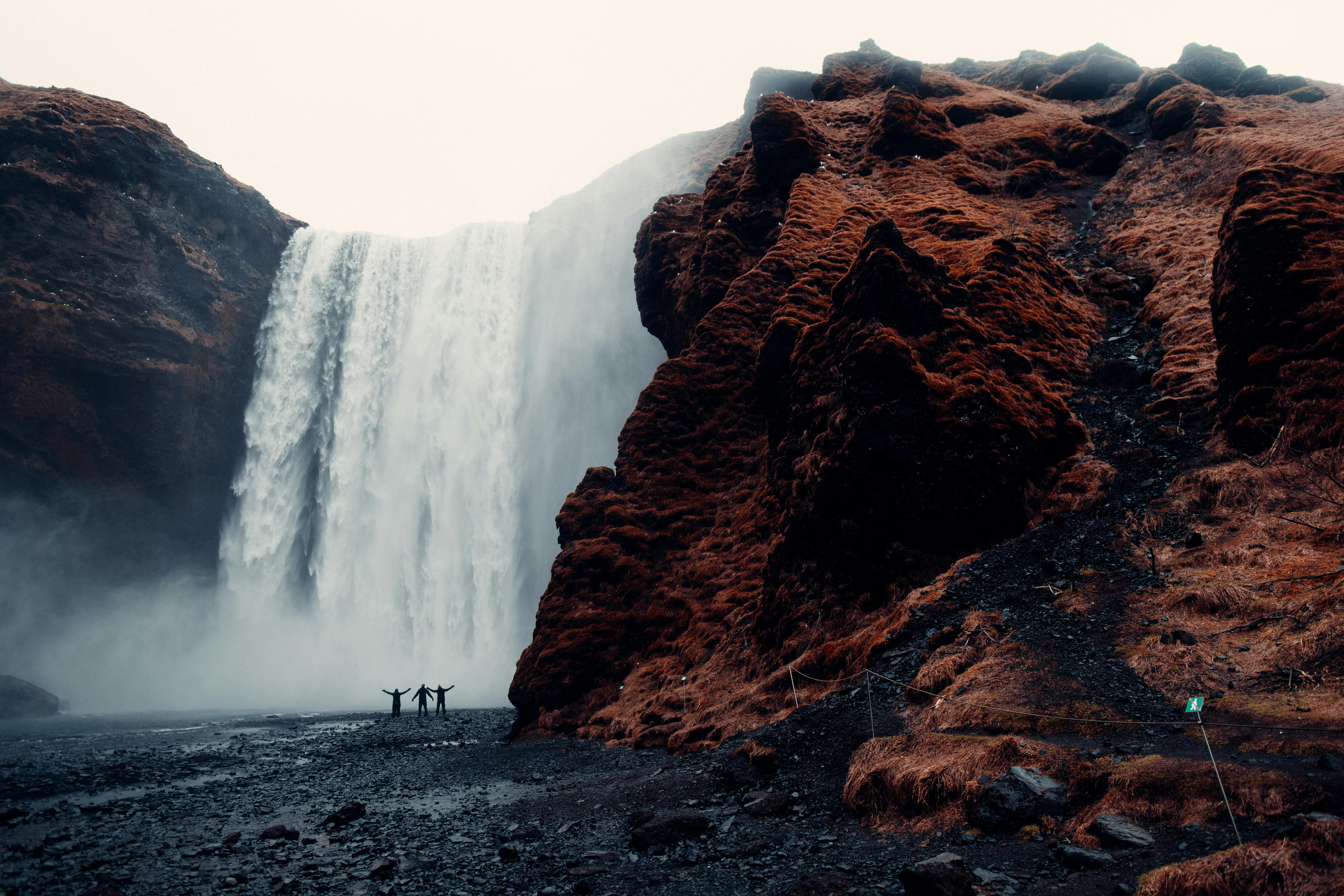
High-quality imagery from satellites, drones, and field photography helps both scientists and the public grasp the scale and complexity of climate impacts.



Key Milestones in Extreme Weather Attribution and Ecological Research
The evolution of event attribution and ecological climate-impact science can be traced through several milestones:
- Early 2000s: First formal attribution studies linking specific heatwaves to anthropogenic climate change.
- 2010s: Establishment of initiatives like World Weather Attribution, providing rapid analyses of major events.
- IPCC Special Reports: Formal recognition of attribution science, with chapters dedicated to extremes and risk.
- Expansion to multiple hazards: From heatwaves to droughts, floods, tropical cyclones, and fire weather indices.
- Integration with ecology: Increased number of studies linking extreme events to species range shifts, mortality, and ecosystem tipping points.
- Growth of citizen science: Projects like eBird and iNaturalist provide real-time biodiversity data that complement professional monitoring.
“We are moving from asking whether climate change affects extreme events to quantifying by how much and with what confidence.” — Leading attribution scientists writing in PNAS
Challenges: Scientific, Ecological, and Social
Despite major advances, substantial challenges remain in both the science and communication of climate-linked extremes and ecological change.
Scientific and Technical Limitations
- Data sparsity: Limited high-quality observations in parts of the Global South and remote oceans.
- Model resolution: Difficulty resolving localized phenomena such as convective storms or small-scale ecological refugia.
- Multiple drivers: Separating the influence of climate change from land-use, water management, and local pollution.
- Compound and cascading events: Modeling interactions among drought, fires, storms, and socioeconomic vulnerabilities.
Ecological Complexity and Uncertainty
Ecosystems are complex adaptive systems, making their responses intrinsically uncertain:
- Unexpected feedbacks, such as vegetation shifts altering regional climate.
- Interactions with invasive species, pathogens, and pollutants.
- Time lags between climate forcing and ecological response (e.g., delayed tree mortality).
Communication, Misinformation, and Public Perception
On social media, accessible explanations coexist with misinformation and simplistic narratives.
Common misconceptions include:
- Confusing weather (short-term, local) with climate (long-term, large-scale).
- Assuming every extreme event is entirely “caused” by climate change, or none are.
- Overlooking vulnerability and exposure—factors like poverty, infrastructure, and governance that shape impacts.
Many scientists now maintain active presences on platforms like X and LinkedIn, offering real-time context, FAQs, and visual explainers. For example, climate scientist Katharine Hayhoe is known for accessible climate communication that emphasizes both risks and solutions.
Adaptation, Resilience, and Technology for Living with Extremes
As extremes intensify and ecosystems reorganize, communities are moving from awareness to action. Adaptation spans infrastructure, agriculture, ecosystem management, and personal preparedness.
Urban Planning and Heat-Resilient Cities
Cities are at the frontline of extreme heat and flash floods. Key strategies include:
- Cool roofs and pavements to reflect sunlight and reduce urban heat islands.
- Tree planting and green corridors to provide shade, reduce temperatures, and support biodiversity.
- Upgraded drainage and nature-based solutions like bioswales and permeable surfaces for stormwater.
For individuals, simple measures like reflective window coverings, portable fans, and backup power for essential devices can reduce risk during heatwaves. High-quality home weather stations, such as the Ambient Weather WS-2902C Smart Weather Station, enable households and schools to track local conditions in real time and contribute data to citizen-science networks.
Climate‑Resilient Agriculture and Food Systems
Farmers and land managers are experimenting with:
- Drought- and heat-tolerant crop varieties and diversified cropping systems.
- Soil health practices (cover crops, reduced tillage) that improve water retention and resilience.
- Improved forecasting using seasonal climate outlooks and early-warning systems.
For practitioners and students, resources such as the textbook “Climate Change and Agriculture” provide in-depth coverage of how to design resilient food systems under changing climate conditions.
Ecosystem Restoration and Assisted Adaptation
Ecologists and conservationists are adopting proactive strategies:
- Wetland and floodplain restoration to buffer floods and support biodiversity.
- Assisted migration of species whose natural dispersal cannot keep pace with climate change.
- Fire-smart landscape management including cultural burning practices and strategic fuel reduction.
These efforts intersect with justice and rights issues, particularly regarding Indigenous land stewardship and the equitable distribution of climate risks and benefits.
Information, Early Warning, and Personal Preparedness
Accessible, reliable information is a fundamental adaptation tool. Many meteorological agencies and research institutes now provide:
- Mobile apps and SMS alerts for severe weather.
- Interactive risk maps for floods, fires, and heat stress.
- Educational content explaining attribution findings in plain language.
A concise overview of current climate science is available in works like “A Short Guide to Climate Change”, which is suitable for students, professionals, and informed citizens alike.
Media, Social Platforms, and the New Climate Discourse
Social media has transformed how extreme weather and ecological disruptions are observed, interpreted, and politicized. Viral videos of record-breaking temperatures, smoke-shrouded cities, or coral bleaching events can reach millions within hours.
Meteorologists post live radar and model updates; climate scientists explain attribution; ecologists highlight connections to biodiversity and food systems. Hashtags associated with specific heatwaves or storms often trend globally, creating fertile ground for both education and misinformation.
Several strategies help maintain scientific integrity in this environment:
- Linking to primary sources, such as peer-reviewed papers and official attribution reports.
- Using clear visuals—maps, time series, animations—to explain complex concepts.
- Collaborations between scientists, journalists, and professional communicators.
Platforms like YouTube host accessible explainers by channels such as Climate State and lectures from institutions including NASA, further amplifying high-quality content.
Conclusion: Integrating Weather, Climate, and Ecology for a Resilient Future
Extreme weather attribution and climate-driven shifts in ecology are not separate stories; they are two sides of the same coin. Attribution translates global warming into quantified changes in the odds and intensity of local extremes. Ecological research reveals how those extremes reshape the living world, from coral reefs and forests to cities and farms.
Together, these disciplines:
- Clarify the human fingerprint on specific disasters.
- Identify vulnerable species, ecosystems, and communities.
- Support targeted adaptation, from infrastructure design to conservation planning.
- Inform legal and policy debates on responsibility and compensation.
As the climate continues to warm, the pace of extremes and ecological change will likely accelerate. Building resilience requires more than better models and bigger datasets—it demands integrating scientific insights with governance, finance, and social equity. Understanding how extreme weather and ecology intersect is a crucial step toward designing a future in which both human societies and natural systems can thrive.
Additional Resources and Practical Next Steps
For readers who want to delve deeper or take action, consider the following:
- Explore attribution case studies at World Weather Attribution to see how specific events have been analyzed.
- Follow major climate and ecology researchers on professional networks like LinkedIn and X; many share open-access explainers and graphics.
- Participate in citizen science via platforms like iNaturalist or eBird, contributing data on species distributions and migration timing.
- Check local or national climate adaptation plans to understand how your community is preparing for extremes—and where gaps remain.
For a more advanced, technical grounding, textbooks such as “Climate Change Science: A Modern Synthesis” offer comprehensive coverage of atmospheric physics, modeling, and impacts suitable for graduate students and professionals.
References / Sources
Selected reputable sources for further reading:
