
Inside Neural Implants: How Brain–Computer Interfaces Are Rewiring Medicine and Consumer Tech
Background: From Lab Curiosity to Front‑Page News
Brain–computer interfaces (BCIs) create a direct communication channel between neural activity and external devices, translating patterns of brain signals into control commands for cursors, speech synthesizers, wheelchairs, or robotic arms. For decades this field evolved mostly inside specialized neuroscience laboratories; today, it sits at the intersection of neurosurgery, artificial intelligence, consumer electronics, and digital ethics.
Several high‑profile clinical trials—such as those led by the Neuralink team, the BrainGate consortium, and academic centers at Stanford, UCSF, and University of Pittsburgh—have shown people with severe paralysis typing up to dozens of characters per minute, operating robotic prostheses, and even restoring a basic sense of touch. Viral videos on YouTube and social media have pushed neural implants into public consciousness and investor pitch decks alike.
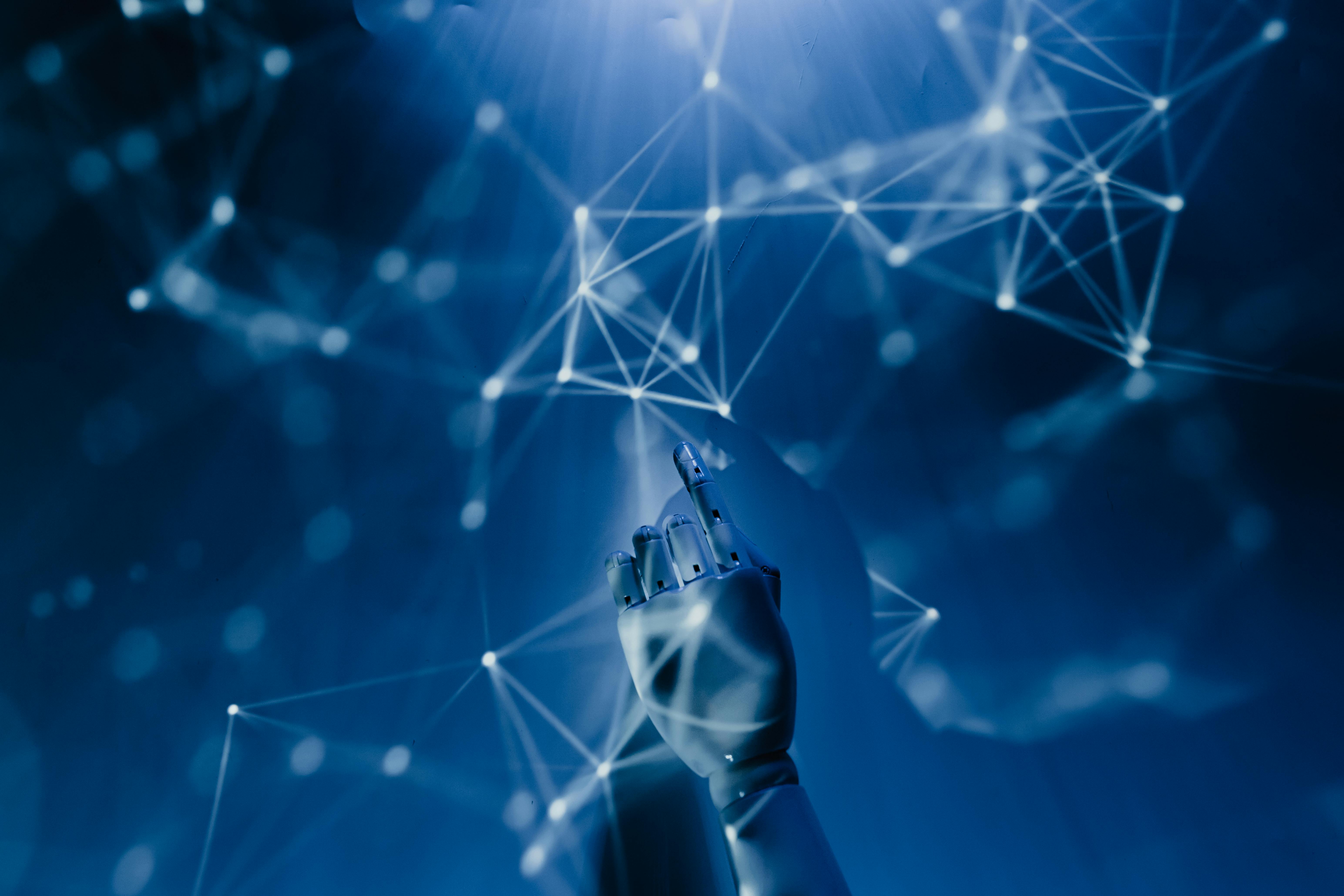
“We are now at the point where brain–computer interfaces can restore meaningful communication and control to people who had lost both. The scientific challenge is turning these demos into robust, long‑term medical tools.”
— Paraphrased from recent commentary in Nature on clinical BCIs.
Mission Overview: Medical and Consumer Visions for BCIs
Modern BCI research is shaped by two overlapping but distinct missions: a clinical mission focused on restoring lost function and a commercial mission exploring enhancement and consumer interaction with digital environments.
Clinical Mission: Restoring Function and Independence
In medicine, the primary goals of invasive BCIs are:
- Restoring voluntary movement for people with spinal cord injury, brainstem stroke, or motor neuron diseases like ALS.
- Enabling communication for individuals with locked‑in syndrome or severe speech impairments.
- Modulating abnormal brain activity in conditions such as Parkinson’s disease, epilepsy, or treatment‑resistant depression.
Clinical BCIs build on decades of experience from deep brain stimulation (DBS), which has been used in tens of thousands of patients. What is novel now is the closed‑loop, high‑bandwidth interface that allows decoding of intended movement or speech in near real time.
Consumer Mission: Hands‑Free, Thought‑Driven Interaction
On the consumer side, companies envision:
- Hands‑free control of computers, smartphones, and AR/VR systems.
- Immersive gaming and digital environments driven by neural intent.
- Cognitive support, such as focus monitoring, fatigue detection, or adaptive learning platforms.
- Long‑term, highly speculative ideas such as “memory enhancement” or ultra‑fast human–AI collaboration.
While invasive consumer BCIs remain unlikely in the near term due to surgical risk and regulatory scrutiny, non‑invasive headsets based on EEG and related technologies are already marketed to gamers, meditators, and researchers. Examples include the Neurosity Crown EEG headset , which is used for focus tracking and developer experiments.
Technology: How Neural Implants and BCIs Actually Work
BCIs are complex systems that integrate neuroscience, materials science, biomedical engineering, signal processing, and machine learning. At a high level, they follow a common architecture: sense brain signals, process and decode them, and then drive external devices or feedback into the nervous system.
1. Sensing Neural Activity
BCIs can be broadly divided into invasive, minimally invasive, and non‑invasive modalities.
- Invasive cortical implants: Arrays of microelectrodes are implanted into or on the surface of the cortex to record action potentials or local field potentials. Examples include:
- Utah arrays used in BrainGate trials.
- Flexible, thread‑like electrodes promoted by Neuralink, designed to reduce tissue damage and improve longevity.
- Minimally invasive approaches: Stentrode‑like devices placed within blood vessels adjacent to cortical areas, aiming to capture signals without direct brain penetration.
- Non‑invasive BCIs:
- EEG (electroencephalography): Measures scalp potentials; safe and portable but limited spatial resolution and bandwidth.
- fNIRS (functional near‑infrared spectroscopy): Tracks blood‑oxygen changes; good for slower cognitive signals, limited for fast motor control.
- MEG (magnetoencephalography) and advanced EEG caps: High‑end research tools with improved resolution but often bulky and expensive.

2. Signal Conditioning and Feature Extraction
Raw neural signals are noisy and often contaminated by artifacts (muscle activity, eye movements, environmental interference). BCIs apply stages of processing:
- Amplification and filtering to isolate relevant frequency bands.
- Artifact removal using independent component analysis or adaptive filters.
- Feature extraction, such as spike rates, spectral power in specific bands, or spatiotemporal patterns.
3. Machine‑Learning Decoders
The core of a BCI is the decoder—a model that maps neural features to intended outputs, such as cursor velocity or phonemes in imagined speech. Current research relies heavily on:
- Linear decoders (e.g., Kalman filters, linear regression) for stable, interpretable control.
- Recurrent neural networks (RNNs), LSTMs, and transformers for complex patterns such as imagined handwriting or continuous speech.
- Adaptive and co‑adaptive algorithms that update over time as both brain and device learn to work together.
“The key insight is that the brain is plastic and will reorganize its activity to better control artificial effectors. Successful BCIs therefore train both the algorithm and the user’s neural circuits.”
— Paraphrased from BCI research discussions in Neuron.
4. Effectors and Feedback
Decoded commands can drive:
- On‑screen cursors and virtual keyboards.
- Robotic prosthetic limbs with multiple degrees of freedom.
- Wheelchairs, exoskeletons, or smart home systems.
- Speech synthesizers, where neural activity is translated into synthesized voice output.
Advanced systems add closed‑loop sensory feedback, for example by stimulating somatosensory cortex or peripheral nerves to convey touch, pressure, or proprioceptive information back to the user, closing the control loop.
Scientific Significance: What BCIs Teach Us About the Brain
Beyond their practical applications, neural implants are uniquely powerful scientific tools. They provide stable, long‑term recordings of population activity in behaving humans—something that was nearly impossible until recently.
Advancing Systems Neuroscience
- Motor control: BCI work has confirmed that motor cortex encodes not just muscle activity but higher‑level movement intentions (e.g., trajectories, goals).
- Speech and language: High‑density cortical grids over speech areas have allowed decoding of phonemes and words, deepening our understanding of how language is represented.
- Plasticity and learning: Experiments show that cortical neurons can rapidly change their firing patterns to optimize BCI control, offering insight into learning mechanisms.
- Consciousness and communication: BCIs in minimally conscious or locked‑in patients provide new ways to assess awareness and volition.
Clinical Translation and Neurorehabilitation
BCIs are also reshaping neurorehabilitation paradigms:
- Assistive BCIs: Provide direct control to bypass damaged pathways.
- Restorative BCIs: Pair neural activity with electrical stimulation of muscles or spinal cord to retrain pathways.
- Diagnostic BCIs: Track disease progression or therapy response in real time.

These advances are documented in high‑impact journals such as Nature, New England Journal of Medicine, Science, and Neuron, and are increasingly discussed in open‑access venues and conference talks available on platforms like YouTube.
Milestones: Recent Breakthroughs in Neural Implants and BCIs
As of 2024–2026, several landmark achievements have shaped the trajectory of neural implant research and public expectations.
Key Clinical Milestones
- High‑speed neural typing: Trials in which participants imagine handwriting or directly spell words have reached typing speeds exceeding many prior BCI systems, bringing communication closer to everyday usability.
- Thought‑controlled robotic limbs: Participants with chronic paralysis have used cortical implants to control multi‑joint robotic arms, grasp objects, and perform coordinated tasks such as bringing a drink to their mouth.
- Speech neuroprostheses: Research groups at UCSF and Stanford have demonstrated decoding of attempted speech into text or synthetic voice in real time for individuals who cannot speak.
- First‑in‑human trials of fully implanted wireless BCIs: Companies like Neuralink and Synchron have initiated trials with complete implanted systems designed for long‑term home use rather than tethered lab setups.
Non‑Invasive and Hybrid BCIs
In parallel, non‑invasive BCIs have progressed:
- Higher‑density EEG systems with dry or semi‑dry electrodes for easier setup.
- Hybrid systems that combine EEG with eye‑tracking or EMG to boost reliability.
- Consumer‑grade EEG headsets for focus tracking, meditation guidance, and gaming interfaces.
For enthusiasts and early adopters, EEG‑based devices like the Muse 2 brain‑sensing headband offer a low‑risk entry point into neurotechnology‑enhanced meditation and biofeedback.
Challenges: Safety, Ethics, Regulation, and Equity
The excitement around BCIs is accompanied by serious technical, ethical, and social challenges. Turning eye‑catching demonstrations into safe, reliable, and widely accessible tools is non‑trivial.
Technical and Medical Challenges
- Long‑term biocompatibility: Implanted electrodes can trigger inflammatory responses, scarring, and micro‑movement over time, degrading signal quality. Flexible materials and novel coatings aim to mitigate this but long‑term (10+ year) data are limited.
- Surgical risk: Brain surgery carries risks of bleeding, infection, and neurological deficits. Even with robotic assistance and minimally invasive approaches, invasive BCIs must justify these risks with substantial clinical benefit.
- Signal stability and decoder drift: Neural representations evolve with learning, plasticity, and tissue changes. Decoders must adapt without becoming opaque or unpredictable.
- Power and data transmission: Fully implanted systems require wireless charging and secure, low‑latency data links while minimizing heat and infection risks.
Ethical and Privacy Concerns
Neural data is arguably one of the most sensitive categories of personal information. Key ethical issues include:
- Data ownership and consent: Who legally owns and controls recordings of neural activity—the patient, the hospital, the device manufacturer?
- Inference of mental states: Even low‑resolution signals can reveal attention, fatigue, or emotional responses, raising concerns about surveillance or manipulation.
- Security: BCIs must be hardened against hacking, unauthorized updates, or misuse of cloud‑stored brain data.
- Autonomy and agency: Clear interfaces and safeguards are needed so that users maintain control and understand when actions are device‑assisted versus self‑generated.
“Neurotechnology challenges existing frameworks for privacy and autonomy. We must treat brain data with protections at least as strong as those for genetic information—if not stronger.”
— Ethical perspectives echoing the IEEE Brain Initiative.
Regulation and Standards
Regulators such as the U.S. Food and Drug Administration (FDA) and the European Medicines Agency (EMA) face new questions:
- How to evaluate long‑term safety with limited lifetime data.
- How to classify hybrid systems that are both medical devices and software‑as‑a‑service.
- How to ensure post‑market surveillance and responsible updates to decoding algorithms.
International organizations, including the UNESCO bioethics committees and the NeuroRights Foundation, have proposed frameworks for “neurorights” such as mental privacy, cognitive liberty, and protection from algorithmic bias in neurotechnology.
Equity and Access
There is growing concern that advanced BCIs could widen existing healthcare inequities:
- Early implants may be available mainly in wealthy hospitals and research centers.
- Long‑term maintenance costs, subscription‑based software, and data services could be prohibitive.
- Diverse populations may be under‑represented in training datasets, leading to biased performance.
Addressing equity requires inclusive trial design, public investment, and transparent reporting on who benefits from BCI deployments.
Consumer BCIs: Hype, Reality, and Responsible Adoption
Consumer interest in “mind‑controlled gadgets” is high, but actual capabilities of non‑invasive BCIs remain modest compared to invasive clinical systems. Clear communication is crucial to avoid misleading expectations.
What Today’s Consumer BCIs Can Realistically Do
With current EEG‑based headsets and similar devices, users can:
- Monitor broad mental states such as focus, relaxation, or fatigue.
- Perform simple binary or multi‑choice selections using steady‑state visually evoked potentials (SSVEP) or motor imagery.
- Enhance meditation or biofeedback practices by viewing real‑time neural or physiological metrics.
- Experiment with basic BCI games or creative coding projects.
Developers and researchers often supplement these with high‑quality reference materials, such as “Brain–Computer Interfaces: Foundations and Applications” , to understand signal processing and machine‑learning techniques.
Red Flags and Best Practices for Consumers
- Be skeptical of claims about “reading thoughts” or “unlocking hidden powers.” Current BCIs infer coarse mental states, not detailed inner monologues.
- Check whether a device lists peer‑reviewed validations or collaborations with reputable labs.
- Review privacy policies: where is your data stored, and can it be sold or shared with third parties?
- Consider comfort, setup time, and support for your operating system and preferred apps.

Future Directions: Where Neural Implants and BCIs Are Headed
Over the next decade, progress in neural implants and BCIs will likely be driven by incremental yet meaningful gains across multiple fronts rather than a single dramatic breakthrough.
Technical Trends
- Higher‑density, softer electrodes: Allowing finer control with less tissue damage.
- On‑device AI and neuromorphic chips: Moving decoding closer to the implant for lower latency and improved privacy.
- Closed‑loop neurostimulation: Combining recording and stimulation for adaptive therapies in epilepsy, depression, chronic pain, and movement disorders.
- Standardized APIs and ecosystems: Opening BCIs to a broader developer community for accessible apps and services.
Clinical Integration
BCIs will increasingly be evaluated not just on proof‑of‑concept performance but on:
- Quality‑of‑life improvements measured in daily activities.
- Reduction in caregiver burden and healthcare utilization.
- Long‑term safety profiles and revision rates.
- Patient‑reported outcomes and satisfaction with control and autonomy.
Large, multi‑site clinical trials and registries will be key to gathering this evidence, as will transparent reporting of both successes and failures.
Conclusion: Navigating Between Promise and Precaution
Neural implants and brain–computer interfaces are among the most consequential technologies emerging at the boundary of neuroscience and AI. Clinical trials already show that BCIs can restore vital capabilities—communication, movement, and interaction—to people who had lost them. At the same time, consumer‑oriented visions of seamless mind–machine symbiosis remain mostly aspirational, bounded by the realities of biology, engineering, and ethics.
Responsible progress will depend on:
- Rigorous, transparent science and long‑term safety studies.
- Regulatory frameworks that recognize the special status of neural data.
- Inclusive policies that prevent neurotechnology from becoming a privilege of the few.
- Public engagement that moves beyond hype to informed, nuanced discussion.
For patients with severe paralysis, BCIs represent genuine hope. For society at large, they are a test case for how we handle technologies that reach directly into the substrate of thought itself. The choices made over the next decade—by scientists, regulators, companies, and citizens—will shape not just the future of neurotechnology, but the boundaries of cognitive freedom and human identity.
Additional Resources and Practical Next Steps
For readers who want to explore BCIs more deeply—whether as patients, caregivers, developers, or curious technologists—there are several constructive avenues.
For Patients and Caregivers
- Discuss eligibility for clinical trials with neurologists or rehabilitation specialists. The ClinicalTrials.gov registry lists ongoing BCI‑related studies worldwide.
- Connect with patient advocacy groups such as the ALS Association and Christopher & Dana Reeve Foundation, which often track relevant trials and assistive technologies.
For Developers and Researchers
- Experiment with open‑source toolkits and public EEG datasets (e.g., via BCI toolboxes on GitHub).
- Study foundational texts and tutorials, including online courses from Coursera or lectures uploaded by leading labs to Stanford Medicine and similar channels.
- When using consumer EEG devices, prioritize those that provide raw data access and clear documentation.
For Ethicists, Policymakers, and Informed Citizens
- Review neurorights proposals from the NeuroRights Initiative and policy work from organizations like the World Economic Forum.
- Engage in public consultations and regulatory discussions on AI and medical devices, ensuring that lived experiences of patients and marginalized communities are represented.
References / Sources
Selected reputable sources for further reading:
- Nature News Feature on clinical BCIs: https://www.nature.com/articles/d41586-023-02646-6
- BrainGate Research Consortium: https://www.braingate.org
- UCSF Speech Neuroprosthesis Work: https://www.ucsf.edu/news?combine=neuroprosthesis
- IEEE Brain Initiative: https://brain.ieee.org
- UNESCO report on neurotechnology ethics: https://unesdoc.unesco.org/ark:/48223/pf0000381138
- ClinicalTrials.gov search for “brain computer interface”: https://clinicaltrials.gov/search?cond=Brain-Computer+Interface
- Review article on BCIs in Neuron: https://www.cell.com/neuron/home
