
Mushroom Mania: Why Lion’s Mane, Reishi & Functional Fungi Are Taking Over Your Coffee Cup
Health • Functional Foods
Mushroom Mania: Lion’s Mane, Reishi & the Rise of Functional Fungi
From lion’s mane “brain lattes” to soothing reishi hot chocolate, functional mushrooms are everywhere right now. Let’s explore what they are, why they’re trending, how they taste, and what the science actually says—plus easy ways to enjoy mushrooms at home.
If your social feeds are suddenly full of mushroom coffee, adaptogenic lattes, and lion’s mane “focus fuel,” you’re not imagining it. Functional mushrooms—varieties celebrated not just as food, but as potential health-supportive ingredients—have exploded in popularity across TikTok, Instagram, and wellness podcasts.
In this guide, we’ll walk through the most talked-about functional mushrooms, how people are using them, what current research suggests, and how to bring them into your kitchen in a grounded, delicious way.
What Are Functional Mushrooms?
“Functional mushrooms” is a modern term for mushroom species used traditionally for wellness or medicinal purposes, beyond their basic role as food. While shiitake, oyster, and cremini often star in sautés and stir-fries, functional mushrooms like lion’s mane, reishi, chaga, cordyceps, and turkey tail are commonly dried, powdered, or extracted into tinctures.
You’ll now find them in:
- Mushroom coffee and tea blends
- Ready-to-drink lattes and canned beverages
- Snack bars, chocolate, and granola
- Capsules, tinctures, and powdered supplements
Many brands promote these fungi for focus, calm, immune support, or energy. It’s important to remember that while some early research is promising, these are not magic bullets—but they can be delicious additions to a varied diet.
Meet the Functional Fungi: Lion’s Mane, Reishi & Friends
Lion’s Mane: Focus & Cognitive Buzz
Lion’s mane looks like a fluffy white pom-pom with cascading icicle-like spines. In the pan, it tears into meaty strands that many compare to crab or lobster. On social media, it’s a star ingredient in “focus lattes” and nootropic coffee blends.
Early research suggests compounds in lion’s mane may support nerve growth factor (NGF) and brain health, though we still need larger, high-quality human trials. People often report:
- Smoother, more sustained energy when combined with coffee
- Subjective improvements in concentration or “brain fog”
Reishi: Calm, Stress & Sleep Rituals
Reishi has a deep, woody, slightly bitter flavor and a long history in East Asian herbal traditions. You’ll often see it in evening teas or “reishi hot chocolate” recipes aimed at unwinding after a long day.
It’s marketed as an adaptogen—a substance that may help the body adapt to stress. Some small studies suggest potential benefits for relaxation and sleep quality, but again, evidence is still emerging.
Chaga & Turkey Tail: Immune-Focused Fungi
Chaga grows like a dark, charcoal-like mass on birch trees and is usually simmered into teas or made into powders. Turkey tail fans out in colorful layers on logs and is commonly used in extracts.
Both are rich in unique polysaccharides, including beta-glucans, and are heavily studied for their potential roles in immune modulation. Many people stir chaga or turkey tail into “cold-season tonics” with citrus and ginger.
Cordyceps: Energy & Endurance
Cordyceps has a mildly earthy, slightly nutty taste when powdered. Athletes and fitness enthusiasts often experiment with cordyceps blends, hoping for better endurance or oxygen utilization. Some human trials show modest benefits for exercise performance, though findings are not yet definitive.
What Does the Science Say About Functional Mushrooms?

From a nutrition standpoint, everyday culinary mushrooms are clear wins: low in calories, rich in fiber, B vitamins, selenium, copper, and diverse bioactive compounds. Eating a variety of mushrooms in meals is a low-risk, high-reward habit.
When it comes to concentrated extracts (capsules, tinctures, highly dosed powders), the picture is more nuanced:
- Promising but preliminary: Studies on lion’s mane and cognition, reishi and stress, or cordyceps and performance tend to be small or short-term. Results are encouraging but not definitive.
- Product quality varies: Some mushroom supplements contain mostly grain-based mycelium with relatively low levels of fruiting-body compounds. Third-party testing and transparent sourcing are key.
- Not a replacement for medical care: Functional mushrooms may complement a healthy lifestyle but should not replace treatments prescribed by healthcare professionals.
Whole Mushrooms First: Delicious, Everyday Ways to Enjoy Fungi
One message nutrition experts repeat: let whole foods lead. Before you buy a pricey mushroom supplement stack, start by cooking with a rainbow of mushrooms.
Think:
- Garlicky sautéed cremini or button mushrooms over toast
- Umami-rich shiitake in stir-fries and noodle bowls
- Oyster mushrooms crisped in a pan as taco “meat”
- Creamy mushroom soups and barley stews

Once these are regular players in your kitchen, specialty mushrooms like lion’s mane or maitake feel far less intimidating—they’re just another way to build flavor, texture, and nutrition.
Mushroom Coffee, Lattes & Wellness Drinks
At the crossroads of nootropics, wellness, and plant-based nutrition sits mushroom coffee. Creators often mix instant coffee with lion’s mane and chaga powders, claiming smoother energy and less jitteriness than standard coffee.
You’ll also see:
- Morning lion’s mane lattes for focus and creativity
- Afternoon cordyceps cold brew for a pre-workout lift
- Evening reishi hot chocolate for a calming ritual
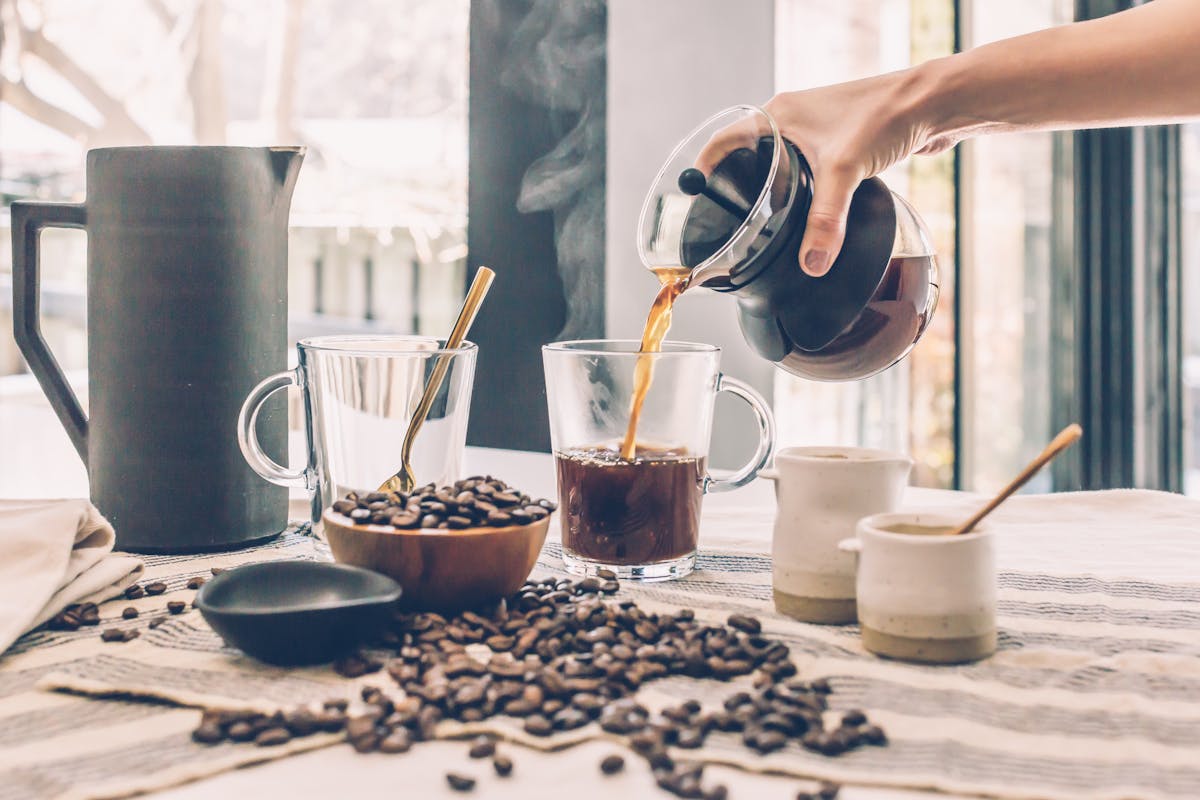
The most sustainable wellness ritual is the one you genuinely enjoy. If a reishi hot chocolate or lion’s mane latte helps you slow down and savor the moment, that ritual alone can be a form of self-care.
Recipe: Creamy Lion’s Mane & Shiitake Mushroom Latte (Caffeine-Optional)
This cozy mushroom latte layers roasted coffee notes (or a caffeine-free alternative) with the gentle earthiness of lion’s mane and shiitake. It’s velvety, lightly sweetened, and a wonderful way to explore functional fungi without swallowing a capsule.
Prep Time:
Cook Time:
Total Time:
Servings: 1 large mug
Difficulty: Easy
Diet: Dairy-free, vegetarian (vegan if using plant milk)
Ingredients
- 240 ml (1 cup) unsweetened oat milk or other milk of choice
- 60–120 ml (1/4–1/2 cup) hot brewed coffee or strong chicory/dandelion coffee for caffeine-free
- 1 tsp lion’s mane mushroom powder (food-grade, from a reputable brand)
- 1/2 tsp shiitake mushroom powder (optional but adds depth)
- 1–2 tsp maple syrup, honey, or sweetener of choice, to taste
- 1/4 tsp ground cinnamon
- 1/8 tsp vanilla extract
- Small pinch of fine sea salt
Equipment
- Small saucepan
- Whisk or milk frother
- Heat-safe mug
- Measuring spoons and cup
- Blender (optional, for extra foaminess)
Instructions
- Warm the milk base. In a small saucepan, gently heat the oat milk over medium-low heat until steaming but not boiling. You should see wisps of steam and tiny bubbles around the edges.
- Whisk in the mushroom powders. Reduce the heat to low. Add the lion’s mane powder and shiitake powder. Whisk briskly to dissolve any clumps. The mixture will turn a light beige and smell pleasantly earthy.
- Add flavorings. Stir in the cinnamon, vanilla, sweetener, and pinch of salt. Taste and adjust sweetness, remembering the coffee will slightly bitter things out.
- Combine with coffee. Pour the hot brewed coffee (or chicory coffee) into your mug. Slowly top with the mushroom milk, holding back foam with a spoon if you used a frother.
- Froth (optional). For a café-style finish, use a handheld frother directly in the mug for 10–20 seconds until a layer of foam forms. Dust with a pinch of extra cinnamon.
- Serve and savor. Sip while warm. Notice the silky texture, gentle sweetness, and subtle nuttiness from the mushrooms layered over your coffee notes.
Storage & Reheating
This latte is best fresh, but you can:
- Refrigerate leftovers in a sealed jar for up to 24 hours.
- Reheat gently on the stove over low heat, whisking to recombine, or microwave in short bursts, stirring between heats.
Avoid boiling, which can change the flavor and texture.
How to Choose Quality Functional Mushroom Products
The functional mushroom market is booming, and quality can range from excellent to underwhelming. A few guidance points:
- Look for the fruiting body: Products that clearly state they use the mushroom’s fruiting body (not just mycelium on grain) often contain more of the compounds studied in research.
- Seek transparency: Reputable brands share where mushrooms are grown, how they’re processed, and provide lab testing or third-party certifications.
- Check dosage: Some blends sprinkle in tiny amounts of many mushrooms—a “fairy dust” approach that may not reach meaningful levels used in studies.
- Start low, go slow: If you’re new, begin with smaller amounts to see how your body responds.
Serving Ideas & What to Eat with Functional Mushrooms
Functional mushroom drinks pair beautifully with simple, nourishing foods that let their flavors shine. Try:
- Morning: Lion’s mane latte with whole-grain toast topped with avocado and sautéed oyster mushrooms.
- Afternoon: Cordyceps cold brew alongside a snack plate of nuts, fresh fruit, and dark chocolate.
- Evening: Reishi hot chocolate after a bowl of miso soup with shiitake and tofu.
Think of functional mushroom drinks as part of a broader pattern: plenty of plants, whole grains, lean proteins, and colorful produce. They’re a garnish on a healthy lifestyle, not the entire meal.
Finding a Balanced Path Through Mushroom Mania
The hype around functional mushrooms can be intense, but the most sustainable approach is also the simplest: enjoy more mushrooms in your cooking, explore functional varieties with curiosity, and keep your expectations realistic.
Use social media recipes as inspiration, not medical advice. If lion’s mane lattes or reishi cocoa become part of a daily ritual that helps you focus, unwind, or simply savor a quiet moment, that’s already a meaningful gain.
Above all, have fun in the kitchen. The world of mushrooms—culinary and functional—is vast, flavorful, and endlessly creative. There’s plenty of room to experiment, taste, and find what works best for your body and your palate.
