
Mediterranean Longevity Bowls: A Blue Zones-Inspired Recipe for Delicious Healthy Aging
Mediterranean-Inspired Longevity Eating Comes Home
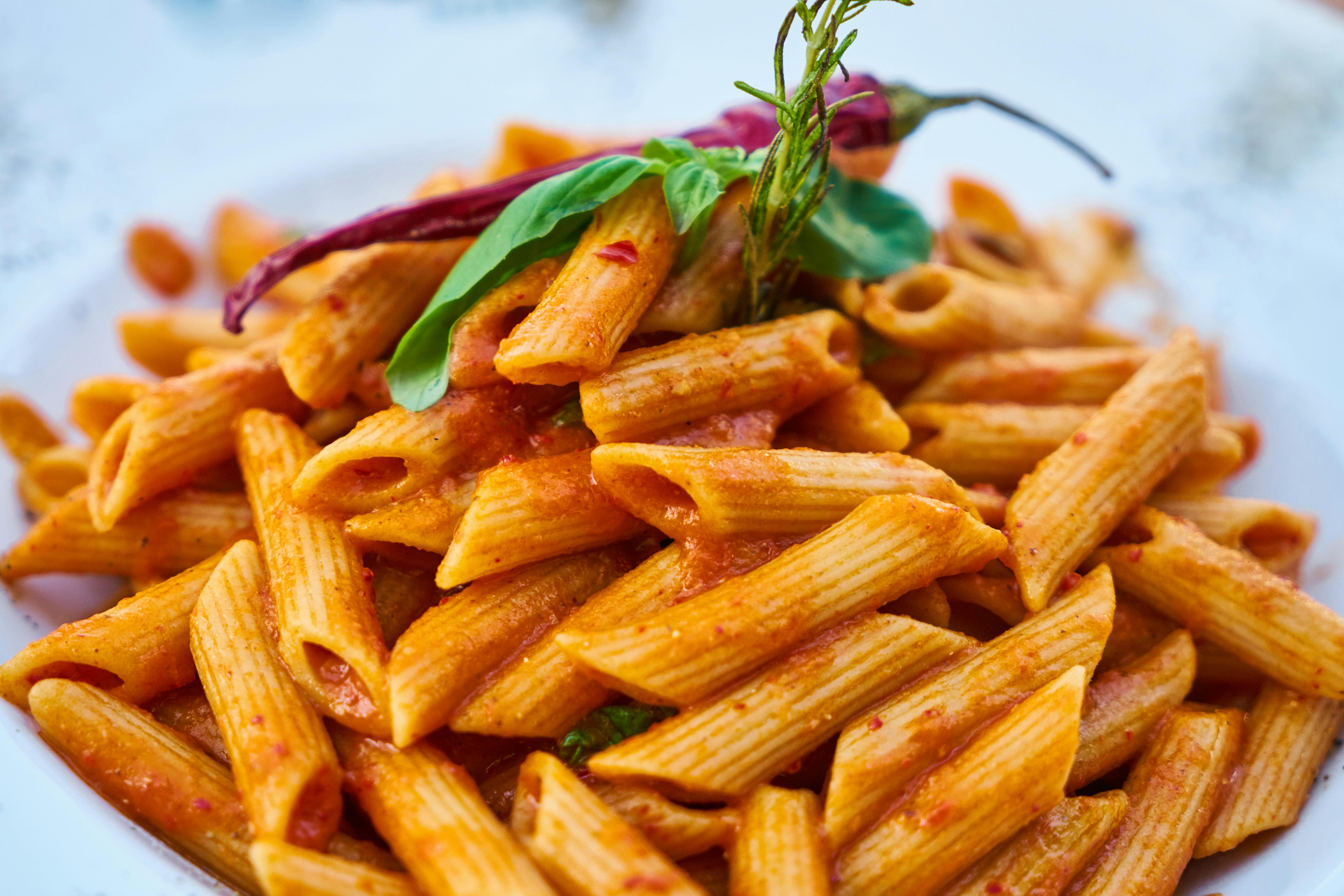
Mediterranean and Blue Zones–inspired “longevity diets” have captured the world’s curiosity, not as another short-term diet challenge, but as a joyful way to eat for decades. Picture a table scattered with bowls of silky hummus, herb-scented lentils, glistening roasted vegetables, and a generous drizzle of peppery extra-virgin olive oil—food that feels indulgent, yet is deeply rooted in healthy aging traditions.
Today we’ll translate this science-backed trend into something you can cook any night of the week: a colorful, Mediterranean Longevity Bowl layered with whole grains, beans, seasonal vegetables, and bright herby toppings. It’s inspired by the everyday meals of Blue Zones like Ikaria and Sardinia, where beans simmer slowly, meals are unhurried, and food is inseparable from community.
Why the Longevity Diet Trend Is Everywhere
From Netflix documentaries to TikTok “longevity bowl” videos and health podcasts, Mediterranean-style and Blue Zones eating patterns are being celebrated as some of the most evidence-backed approaches for long-term health. Rather than obsessing over the scale, people are asking:
- How can I protect my heart and blood vessels?
- What supports brain health and memory as I age?
- How do I eat in a way that feels satisfying and sustainable?
Large studies, including the landmark PREDIMED trial, have linked Mediterranean-style diets—rich in vegetables, legumes, whole grains, nuts, and olive oil—with lower rates of cardiovascular events and better metabolic markers. Blue Zones research adds more nuance: beans and lentils as daily staples, modest portions, minimal ultra-processed foods, and strong social rituals around shared meals.
Of course, the story is bigger than food alone. Critics rightly point out that longevity also depends on movement, stress, community, and socioeconomic factors. But if there’s one positive “hype” in nutrition right now, it’s that more people are filling their plates with whole, plant-forward foods and fewer ultra-processed snacks.
Think less about a perfect diet and more about a long-term pattern: plants at the center, olive oil as your star fat, fish often, meat occasionally, and meals that invite you to slow down.
Mediterranean Longevity Bowl Recipe (Blue Zones–Inspired)
This Mediterranean Longevity Bowl is a flexible, weeknight-friendly recipe that captures the spirit of Blue Zones eating. You’ll build a nourishing bowl with:
- A base of hearty whole grains, like barley, farro, or brown rice
- Protein-rich beans or lentils (a Blue Zones staple)
- Roasted and fresh vegetables for color and crunch
- Plenty of extra-virgin olive oil, herbs, and lemon for brightness
- Optional extras like toasted nuts, seeds, or a little tangy feta or yogurt
Feel free to treat this as a template. Once you’re comfortable, you can swap ingredients based on the season and what’s in your pantry—just like home cooks in Mediterranean villages have been doing for generations.

Quick Recipe Summary
Prep Time: 20 minutes
Cook Time: 30–35 minutes
Total Time: 50–55 minutes
Servings: 4 bowls
Difficulty: Easy
Dietary: Vegetarian, high-fiber; easily vegan and gluten-free
Recipe Structured Data (Schema.org)
Ingredients
Measurements are for 4 generous longevity bowls.
For the Whole Grain Base
- 1 cup (190 g) dry whole grain such as farro, barley, or brown rice, rinsed
- 2 cups (480 ml) water or low-sodium vegetable broth
- ½ teaspoon fine sea salt
For the Beans & Lentils
- 1 can (about 15 oz / 400 g) chickpeas or cannellini beans, drained and rinsed
- 1 cup (200 g) cooked lentils (brown, green, or French)
- 2 tablespoons extra-virgin olive oil
- 1 teaspoon ground cumin
- 1 teaspoon smoked or sweet paprika
- ¼ teaspoon fine sea salt, or to taste
For the Roasted Vegetables
- 2 medium carrots, sliced into coins
- 1 red bell pepper, cut into strips
- 1 small red onion, cut into wedges
- 1 small zucchini or eggplant, chopped into bite-size pieces
- 2 tablespoons extra-virgin olive oil
- 1 teaspoon dried oregano or thyme
- Fine sea salt and freshly ground black pepper, to taste
Fresh Salad Layer
- 2 cups (about 60 g) baby spinach, arugula, or mixed greens
- 1 cup (150 g) cherry tomatoes, halved
- 1 small cucumber, chopped
- ¼ cup (30 g) chopped fresh parsley
- 2 tablespoons chopped fresh mint or basil (optional but lovely)
Lemon–Olive Oil Drizzle
- 1 large lemon, zest and juice
- 3–4 tablespoons extra-virgin olive oil
- 1 small clove garlic, finely grated or minced
- Fine sea salt and freshly ground black pepper, to taste
Finishing Touches (Optional but Recommended)
- ¼ cup (30 g) crumbled feta cheese (omit for vegan)
- 2 tablespoons toasted nuts or seeds (walnuts, almonds, sunflower or pumpkin seeds)
- Pinch of red pepper flakes for gentle heat
Equipment You’ll Need
- Medium saucepan with lid (for grains)
- Large baking sheet or roasting pan
- Mixing bowls (at least 2)
- Small jar or bowl for the dressing
- Chef’s knife and cutting board
- Wooden spoon or spatula
- Small skillet (for warming beans, optional but helpful)
Step-by-Step Instructions
Cook the whole grains.
Rinse your chosen whole grain under cold running water. In a medium saucepan, combine the grains, water or broth, and ½ teaspoon salt. Bring to a boil over medium-high heat, then reduce the heat to low, cover, and simmer until tender and the liquid is absorbed. This usually takes:
- Farro: 20–25 minutes
- Barley: 25–30 minutes
- Brown rice: 30–35 minutes
When done, fluff gently with a fork, cover, and set aside to stay warm. The grains should be tender but pleasantly chewy.
Roast the vegetables.

Preheat your oven to 400°F (200°C). On a large baking sheet, spread the carrots, bell pepper, red onion, and zucchini or eggplant in a single layer. Drizzle with 2 tablespoons olive oil, sprinkle with dried oregano or thyme, and season with salt and black pepper. Toss with your hands or a spatula until everything is lightly coated.
Roast for 20–25 minutes, turning once halfway through, until the edges are caramelized and the vegetables are tender and fragrant. The onions should smell sweet, and the peppers should look slightly blistered.
Roasting concentrates sweetness and brings out that signature Mediterranean aroma. Warm and season the beans.
While the vegetables roast, place the chickpeas and lentils in a small skillet over medium heat. Add 2 tablespoons olive oil, cumin, paprika, and a pinch of salt. Cook, stirring often, for 3–5 minutes until the beans are warmed through and the spices are fragrant. You’re looking for a cozy, toasty aroma and a glossy coating on the beans.
Turn off the heat and set aside. If any beans pop a little, that’s totally fine—they become irresistibly nutty.
Prepare the fresh salad layer.
In a mixing bowl, combine the greens, cherry tomatoes, cucumber, parsley, and mint or basil (if using). Season with a pinch of salt and a quick squeeze of lemon juice. Toss gently. This layer adds juicy freshness that balances the warmth of the grains and roasted vegetables.
A crisp salad layer brings brightness and crunch to your bowl. Make the lemon–olive oil drizzle.
In a small jar or bowl, whisk together the lemon juice, lemon zest, 3–4 tablespoons olive oil, garlic, and a good pinch of salt and pepper until slightly thickened and emulsified. Taste and adjust seasoning—if it tastes vivid and slightly tangy on its own, it will be perfect over the bowl.
Assemble the Mediterranean longevity bowls.
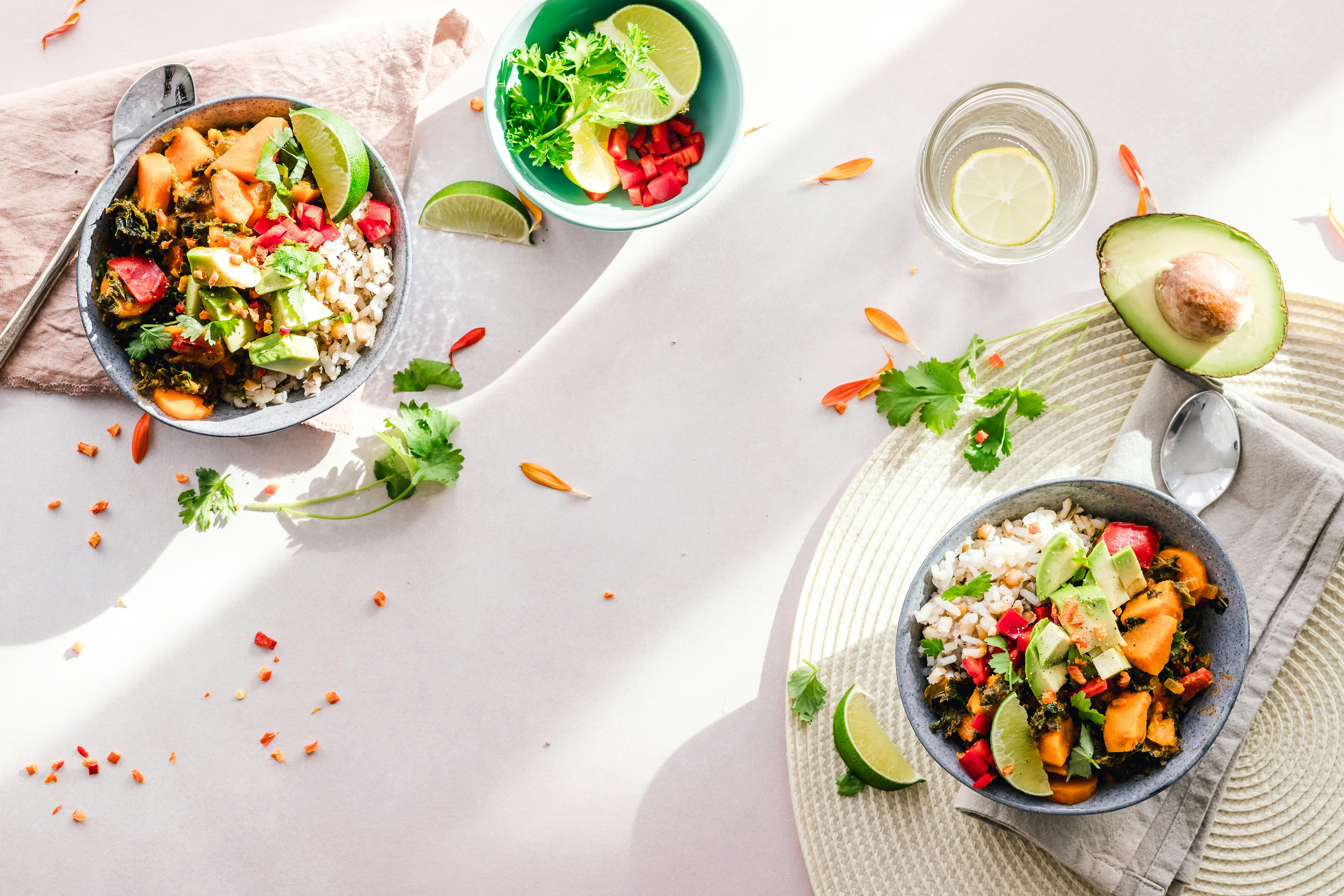
Divide the warm grains among four shallow bowls. Top each with a scoop of spiced beans, a generous spoonful of roasted vegetables, and a handful of the fresh salad mixture.
Drizzle each bowl with the lemon–olive oil dressing. Finish with crumbled feta (if using), toasted nuts or seeds, and a sprinkle of red pepper flakes for gentle heat.
Layered colors, textures, and flavors—this is longevity food that feels like a treat.
Substitutions & Dietary Adaptations
Make It Gluten-Free
- Use gluten-free grains like brown rice, quinoa, or millet instead of farro or barley.
- Check that your vegetable broth is certified gluten-free.
Make It Vegan
- Simply omit the feta cheese or swap it for a vegan feta-style cheese.
- Add extra toasted nuts or seeds for richness and crunch.
Bean & Vegetable Swaps
- Beans: Use black beans, kidney beans, or borlotti beans if that’s what you have.
- Veggies: Swap in broccoli, cauliflower, sweet potato, or seasonal squash for the roasted layer.
- Greens: Any tender greens work—try romaine, little gem, or massaged kale.
Storage & Reheating
This recipe is wonderfully meal-prep friendly and keeps its flavor over several days—ideal for anyone trying to make longevity eating part of daily life.
- Fridge: Store grains, beans, roasted vegetables, salad greens, and dressing in separate airtight containers for up to 4 days.
- Freezer: Cooked grains and beans freeze well for up to 2–3 months. Cool completely, then portion into freezer-safe containers. Thaw overnight in the fridge.
- Reheating: Warm grains and beans together in a skillet with a splash of water or broth, or briefly in the microwave. Keep the salad greens and dressing cold and add them after reheating so they stay crisp.
- Pack for lunch: Pack grains, beans, and vegetables in one container and salad plus dressing in another. Combine just before eating.
Serving Suggestions & Complementary Dishes
In many Mediterranean and Blue Zones traditions, meals are simple but layered with small touches. You can enjoy this longevity bowl as a complete meal, or pair it with:
- Simple soup: A light vegetable or lentil soup as a starter, especially in cooler months.
- Leafy greens: Stewed or sautéed greens with garlic and lemon—a nod to the wild greens of Ikaria and Crete.
- Yogurt on the side: A spoonful of plain yogurt or plant-based yogurt with herbs for extra creaminess and probiotics.
- Whole-grain bread: A slice of whole-grain sourdough, lightly toasted and brushed with olive oil.
- Fruit finish: Fresh seasonal fruit—figs, oranges, berries, or apples—for a naturally sweet dessert loaded with antioxidants.
If you enjoy wine and it fits your health needs, a small glass of red wine with the meal is traditional in some Mediterranean cultures—always in moderation and ideally shared in good company. If not, sparkling water with lemon or herbal tea is just as lovely.
Putting the Longevity Diet Trend in Perspective
Longevity-focused eating isn’t about a magic superfood or a rigid list of “allowed” and “forbidden” meals. The research around Mediterranean and Blue Zones diets points to a pattern you can return to day after day:
- Vegetables and fruits at most meals
- Beans and lentils several times per week (or daily)
- Whole grains instead of refined ones
- Extra-virgin olive oil as the main fat
- Fish often; red and processed meat sparingly
- Very few ultra-processed foods and sugary drinks
- Meals that are shared, unhurried, and satisfying
At the same time, not everything labeled “Mediterranean” on a package in the supermarket is automatically healthy. Many processed snacks borrow olive oil imagery without the nutritional benefits of true, minimally processed foods.
When you cook at home—even something as simple as this longevity bowl—you’re closer to the real thing: whole ingredients, vibrant flavors, and a pattern of eating that can help protect your heart, balance your blood sugar, and potentially support your brain as you age.
